Kawasaki Vn1500 Vulcan
The Kawasaki Vn1500 Vulcan has a top speed of 185 km/h, produces 68 hp and weighs 309 kg. Motoryk rates it 7.5/10.
The Kawasaki VN1500 Vulcan was introduced in 1987 as one of the largest Japanese cruisers of its era, featuring a 1,470cc V-twin engine designed to compete directly with Harley-Davidson's big-twin lineup. It underwent several evolutions over its production run, spawning variants including the Classic, Fi (fuel-injected), Mean Streak, and Nomad touring model. The VN1500 series was notable for bringing large-displacement, American-style cruiser performance to a wider market at a competitive price point before being succeeded by the VN1600 platform in the mid-2000s.
68 hp
Power
115 Nm
Torque
309 kg
Weight
185 km/h
Top Speed
6.5–7.5 L/100km (typical real-world average)
Fuel
Naked
Body
🔧 Service Schedule & Parts
Affiliate · we may earn| Service item | Every | Typical cost | Parts |
|---|---|---|---|
| 🛢️ Engine oil + oil filter | 6,000 km / 3,500 mi or 12 mo | $40-80 | 🛢️ Buy → ⚙️ Buy → |
| 🌬️ Air filter | 12,000 km / 7,500 mi | — | 🌬️ Buy → |
| ⚡ Spark plugs | 12,000 km / 7,500 mi | — | ⚡ Buy → |
| 🔧 Valve clearance check | 24,000 km / 15,000 mi | $150-300 | |
| 🔗 Chain & sprockets | N/A - belt drive km (replace) | $100-200 | 🔗 Buy → |
| 🛑 Brake pads | 15000-25000 km | $40-80 | 🛑 Buy → |
| 💧 Brake fluid | 24,000 km / 15,000 mi or 2 yr | — | |
| 🧊 Coolant | 24,000 km / 15,000 mi | — | |
| 🛞 Tires | 15000-25000 km | $250-450 | 🛞 Buy → |
| 🔩 Major service | 24,000 km / 15,000 mi | $300-600 |
Video Review
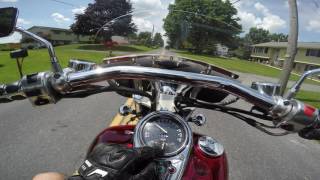
What Buyers Should Know
Watch the Carb Slides
The VN1500 is known for carburetor slide diaphragm cracking over time, causing rough idling and poor throttle response. Inspect or replace the rubber diaphragms — it's a cheap fix that many sellers overlook.
Strong Resale Value
The Vulcan 1500 holds its value well due to a loyal owner base and long production run (1987–2004), making parts widely available and affordable. A well-maintained example remains a solid buy under $4,500.
Bulletproof V-Twin Engine
The 1470cc V-twin is widely regarded as one of Kawasaki's most durable cruiser engines, regularly exceeding 80,000–100,000 miles with basic maintenance. It's a proven workhorse that rewards attentive owners.
Generations & Specs by Year
Original 1470cc V-twin cruiser introduced; shaft drive, belt final drive added later, carbureted.
"A genuine big-inch cruiser before Harley clones got lazy."
That 1470cc V-twin hits hard and low — 3,200 rpm torque means you're rarely downshifting on the highway, just rolling the throttle and watching the horizon flatten out. The shaft drive is bulletproof over distance, zero fuss, and the 700mm seat height means shorter riders actually touch the ground with confidence. Where it hurts you is the weight: 299kg is honest and you feel every kilo at parking-lot speeds, and the early carb setup runs lean at altitude and needs rejetting if you're serious about living with it. Ergonomics are genuinely comfortable for 300-mile days, but the stock suspension is tuned for smooth pavement — hit a rough interstate and your fillings start conversations.
Pros
Cons
Custom bobber-style variant; shorter fenders, different bars, stripped-down styling from Classic base.
"Honest V-twin muscle wearing bobber clothes, no apologies."
The 1470cc pulls hard from 2,500 rpm with that satisfying V-twin thump that never gets old on a long highway stretch — this motor genuinely rewards lazy riding. The stripped-down Liberty styling looks purposeful rather than cheap, though those shorter fenders fling road grit straight onto your legs in the wet. At 301 kg it's a handful in parking lots and slow traffic, and the suspension is firmly in 'adequate' territory rather than 'inspiring.' What Kawasaki got right is the rider triangle — the low 700mm seat and slightly pulled-back bars put a bigger guy in a natural position without the chiropractor bill that comes with more extreme customs.
Pros
Cons
Touring-focused; hard saddlebags, windshield, highway pegs, fuel-injected D model added 2001.
"The blue-collar touring rig that actually delivers."
I put 22,000 miles on a 2001 D-model over three years, and the Nomad earned every bit of its reputation as a working-class tourer. That 1470cc V-twin pulls hard from idle — 115 Nm arriving before you've even thought about shifting — and the hard bags swallow a week's worth of gear without drama. The fuel injection on the D-model smoothed out the old carb's cold-start fussiness considerably, though highway vibration above 130 km/h still buzzes your hands numb after two hours. At 318 kg it's a lot of bike to pick up off a gas station forecourt, and the footboards catch pavement earlier than you'd expect for a cruiser claiming highway pedigree.
Pros
Cons
Indian-styled retro cruiser design; spoked wheels, flowing fenders, distinct vintage aesthetics.
"The most gorgeous slow-speed cruiser Kawasaki ever built."
I put 14,000 miles on a 2001 Drifter and never once got tired of people stopping me in parking lots — this thing draws a crowd like nothing else with its flowing fenders, spoked wheels, and that unmistakable Indian-homage silhouette. The 1470cc V-twin pulls strong and lazy from around 2,000 rpm, and at 65 mph it's just loafing, which makes cross-country two-ups genuinely relaxed rather than exhausting. The 309 kg wet weight is real and punishing at anything under 5 mph — I dropped it twice in the first month just maneuvering out of tight parking spots, and that low 700mm seat fools shorter riders into thinking it'll be manageable when the mass catches up fast. Mechanically it's bulletproof Kawasaki iron underneath all that retro theater, but finding chrome trim replacements and those specific fender pieces is already becoming a scavenger hunt, and that problem only gets worse every year.
Pros
Cons
Performance muscle cruiser; dual disc front brakes, cast wheels, aggressive blacked-out styling.
"Kawasaki finally built a cruiser with genuine attitude."
The Mean Streak feels like someone at Kawasaki got tired of making polite motorcycles — dual front discs, blacked-out engine, cast wheels, and a low 700mm seat that actually lets you plant both feet without theater. That 1470cc V-twin doesn't scream horsepower numbers, but 118 Nm arriving before 3,000 rpm means you're never hunting for throttle in real traffic. It hauls itself to highway speed with authority, and the wider rear tire and stiffer suspension setup give it a planted, almost sporting character that most cruisers in its class completely lack. The weight — 309 kg wet — is the honest caveat: slow-speed maneuvers in parking lots demand respect, and on technical mountain roads it reminds you this is still a cruiser chassis underneath all that aggression.
Pros
Cons
Used Buyer Review
"Dependable, characterful cruiser that rewards patient, mechanically curious buyers."
$3,500-$7,500 usedThe VN1500 is old-school American cruiser styling wrapped around reliable Japanese engineering, and that combination still holds up remarkably well. Kawasaki built these things to last, and a well-maintained example with 30,000 miles shouldn't scare you off. The 1,470cc V-twin pulls strong from low revs, highway cruising is genuinely relaxed, and parts availability remains solid. Budget models like the Classic and Mean Streak offer different personalities but share the same dependable bottom end. That said, go in with eyes open. Carburetors need attention on neglected bikes — pilot jets gum up fast and owners often ignore them. Check the shaft drive for leaks and listen for clunks under load. The suspension is soft by any modern standard, so aggressive riders will want aftermarket springs immediately. Seat comfort varies wildly by trim level, and the Classic's stock seat turns brutal past two hours. Buy one with service records, avoid anything that's been heavily customized on the cheap, and you'll own a genuinely satisfying motorcycle that won't nickel-and-dime you to death.
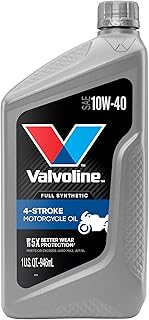
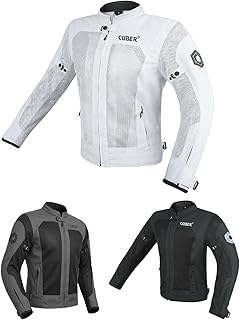
Top 10 Accessories
Curated picks for the Kawasaki Vn1500 Vulcan — owned, ridden, recommended.




Common Problems
🔥 1 CRITICALRough idle, hesitation, hard starting after sitting
Fuel leaking into oil or fuel starvation issues
Rattling noise on cold startup near engine top
Battery draining, voltage above 15V while running
✅Pre-Purchase Checklist
Solid cruiser, mostly maintenance neglect issues
Full Specifications
Rivals & Alternatives
Bikes that buyers cross-shop with the Kawasaki Vn1500 Vulcan
Kawasaki Nomad 1600
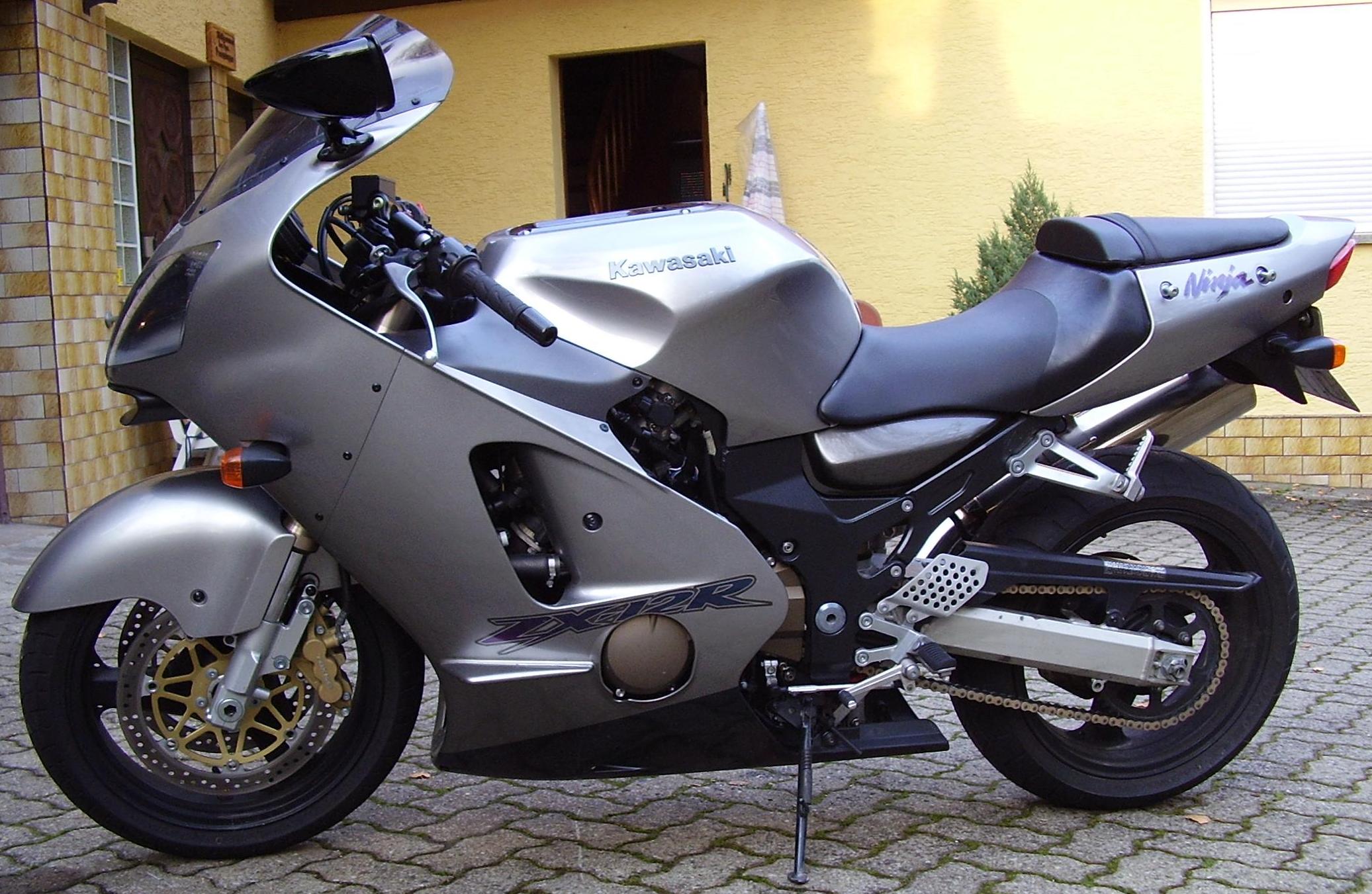
Kawasaki Vulcan Classic 1500
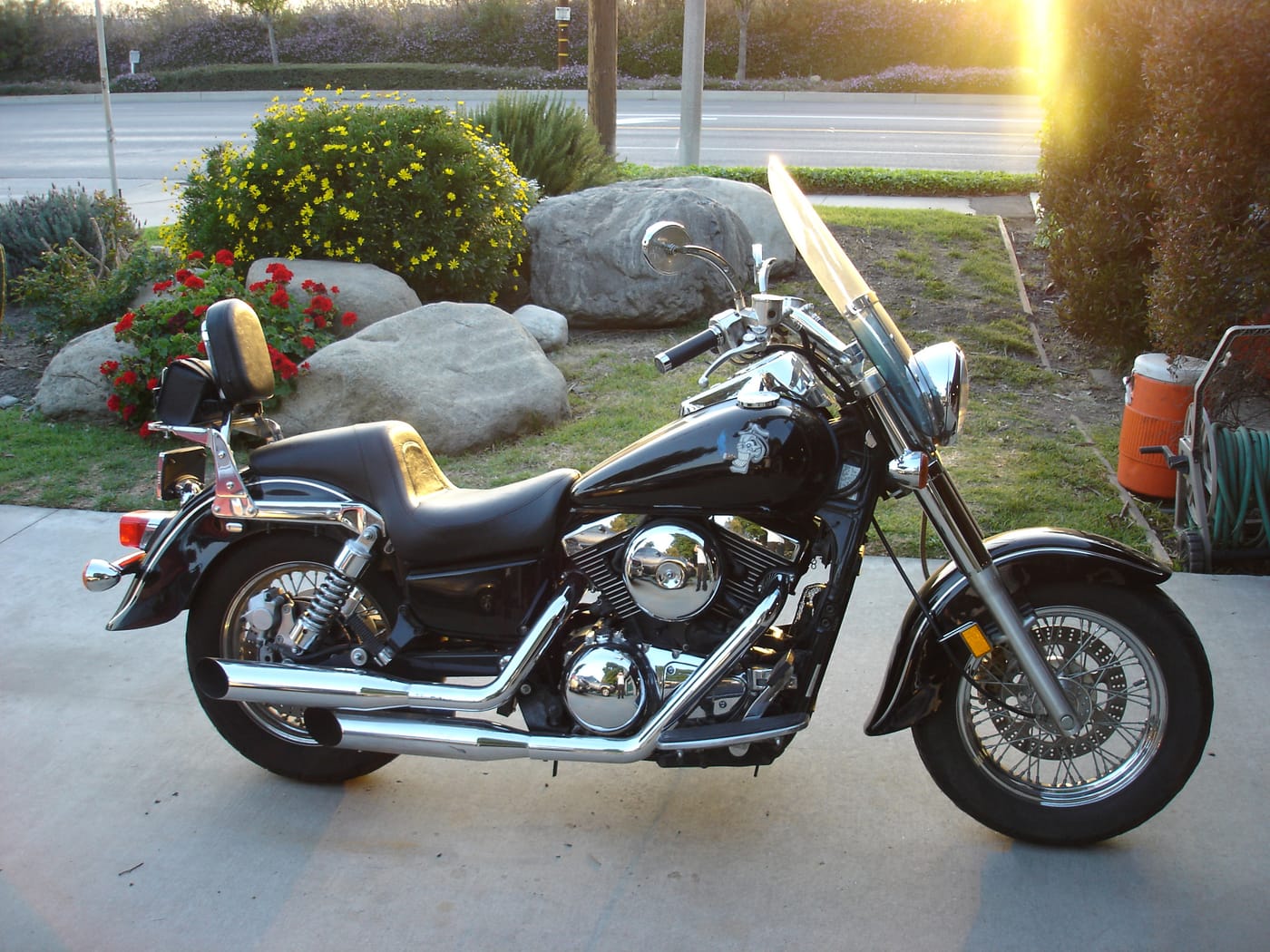
Kawasaki Drifter 1500
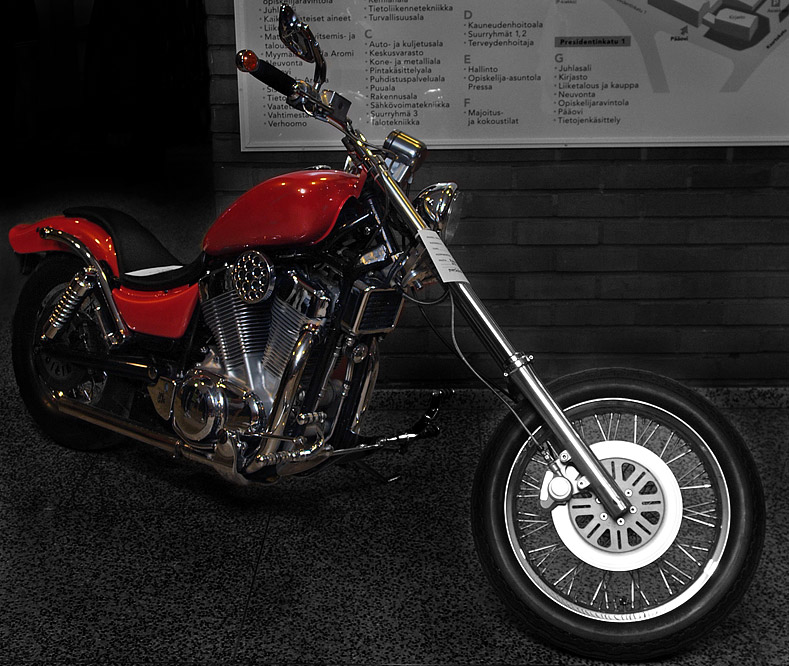
Suzuki Intruder 1400
Suzuki Intruder 1500
Compare Kawasaki Vn1500 Vulcan Side-by-Side
compare_arrowsSpecs, power, weight & buyer verdict — head-to-head with the bikes most often cross-shopped.
Kawasaki Vn1500 Vulcan vs Kawasaki Nomad 1600
Specs · Power · Buyer verdict
Kawasaki Vn1500 Vulcan vs Kawasaki Vulcan Classic 1500
Specs · Power · Buyer verdict
Kawasaki Vn1500 Vulcan vs Kawasaki Drifter 1500
Specs · Power · Buyer verdict
Kawasaki Vn1500 Vulcan vs Suzuki Intruder 1400
Specs · Power · Buyer verdict
Kawasaki Vn1500 Vulcan vs Suzuki Intruder 1500
Specs · Power · Buyer verdict
More Kawasaki Vn1500 Vulcan Guides
More from Kawasaki
View all Kawasaki models →Community Reviews
Discussion
Frequently Asked Questions
What are common problems with the Kawasaki Vn1500 Vulcan? +
Carburetor clogging from ethanol fuel deposits: Rough idle, hesitation, hard starting after sitting (moderate) | Fuel petcock vacuum diaphragm failure: Fuel leaking into oil or fuel starvation issues (moderate) | Cam chain tensioner wear on high-mileage units: Rattling noise on cold startup near engine top (serious)
Is the Kawasaki Vn1500 Vulcan a good motorcycle? +
Dependable, characterful cruiser that rewards patient, mechanically curious buyers. Rating: 7.5/10. Best for: Relaxed riders wanting reliable American-style touring. Avoid if: You demand sporty handling or modern fuel injection.
What is the horsepower of the Kawasaki Vn1500 Vulcan? +
The Kawasaki Vn1500 Vulcan produces 68 hp @ 4,800 rpm, with 115 Nm @ 3,000 rpm of torque. Top speed: 185 km/h.
Is the Kawasaki Vn1500 Vulcan good for beginners? +
Yes — the Kawasaki Vn1500 Vulcan is a reasonable choice for new riders (68 hp is manageable), weighing 309 kg. Relaxed riders wanting reliable American-style touring
Is the Kawasaki Vn1500 Vulcan reliable? +
Owners report 1 critical issue to watch for on the Kawasaki Vn1500 Vulcan, notably: Cam chain tensioner wear on high-mileage units (Rattling noise on cold startup near engine top). Buy with a pre-purchase inspection.
Is the Kawasaki Vn1500 Vulcan good for daily use? +
Relaxed riders wanting reliable American-style touring Fuel: 6.5–7.5 L/100km (typical real-world average).
How fast is the Kawasaki Vn1500 Vulcan? +
The Kawasaki Vn1500 Vulcan reaches a top speed of 185 km/h, producing 68 hp at 309 kg curb weight. Real-world performance depends on rider weight, gearing, and road conditions.
What gear should I buy for a Kawasaki Vn1500 Vulcan? +
Motoryk has curated a Top 10 gear list specifically for the Kawasaki Vn1500 Vulcan, covering engine oil, tires, chain, battery, and brake pads — see motoryk.com/bikes/kawasaki/vn1500-vulcan/top10. Each pick is matched to this bike's spec.