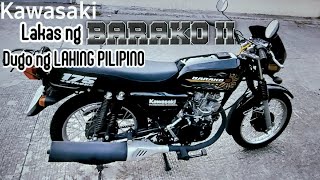
Kawasaki Barako Ii 175
The Kawasaki Barako Ii 175 has a top speed of ~120 km/h (estimated), produces ~13.5 hp and weighs ~121 kg. Motoryk rates it 7/10.
The Kawasaki Barako II 175 is a utility motorcycle produced by Kawasaki Motors Philippines Corporation (KMPC), introduced in the early 2000s as an evolution of the original Barako lineup. It was designed specifically for the Philippine market as a workhorse motorcycle suited for rural and semi-urban conditions, offering a larger displacement than typical commuter bikes for hauling loads and navigating rough terrain. The Barako II became a staple among farmers, small business owners, and sidecar (tricycle) operators across the Philippines due to its durability and torque-focused engine.
~13.5 hp
Power
~13.7 Nm
Torque
~121 kg
Weight
~120 km/h (estimated)
Top Speed
~3.5 L/100km or ~28 km/L (typical real-world average)
Fuel
Naked
Body
🔧 Service Schedule & Parts
Affiliate · we may earn| Service item | Every | Typical cost | Parts |
|---|---|---|---|
| 🛢️ Engine oil + oil filter | 3,000 km / 2,000 mi or 6 mo | $150-250 | 🛢️ Buy → ⚙️ Buy → |
| 🌬️ Air filter | 6,000 km / 3,500 mi | — | 🌬️ Buy → |
| ⚡ Spark plugs | 6,000 km / 3,500 mi | — | ⚡ Buy → |
| 🔧 Valve clearance check | 12,000 km / 7,500 mi | $300-600 | |
| 🔗 Chain & sprockets | 20000-30000 km (replace) | $400-700 | 🔗 Buy → |
| 🛑 Brake pads | 10000-20000 km | $150-300 | 🛑 Buy → |
| 💧 Brake fluid | 24,000 km / 15,000 mi or 2 yr | — | |
| 🛞 Tires | 15000-25000 km | $800-1500 | 🛞 Buy → |
| 🔩 Major service | 12,000 km / 7,500 mi | $800-1500 |
Video Review
What Buyers Should Know
Workhorse Reliability
The Barako II 175 is known for its tough, long-lasting engine that can easily exceed 100,000 km with proper maintenance. It was widely used as a commercial tricycle in the Philippines, proving its durability under heavy daily loads.
Watch for Carburetor Issues
Common problems include carburetor clogging and fuel system wear, especially on older units that sat unused for long periods. Always inspect the carb and check for hard starting or rough idling before buying.
Strong Resale Value
Due to its popularity in the Philippine tricycle market, the Barako II holds its value well and spare parts remain widely available and affordable. A well-maintained unit retains strong demand, making it a smart long-term investment.
Generations & Specs by Year
Initial launch of Barako II 175; single-cylinder 4-stroke engine, drum brakes, utilitarian design for Philippine market.
"Bulletproof workhorse that forgives everything except highway ambitions."
I put nearly 40,000 kilometers on a first-year Barako II doing provincial hauls in Batangas, and the OHV single never once left me stranded — even running on questionable fuel and skipped oil changes that would've killed a more temperamental motor. The 175cc pulls with surprising torque below 5,000 rpm, which is exactly where you live when you're hauling a passenger and a sack of rice on rough barangay roads; above that, the engine gets coarse and the vibes crawl up your wrists like a dentist's drill. Drum brakes front and rear are adequate until you're loaded and descending a wet mountain road, at which point 'adequate' starts feeling dangerously optimistic. The 110 km/h claimed top speed is technically achievable but you'll be hanging on for your life at anything over 90, and the upright ergonomics that feel comfortable at 60 km/h become a sail in strong headwinds on the highway.
Pros
Cons
Updated graphics and color schemes, minor carburetion refinements, continued drum brakes, improved durability for rural use.
"The indestructible workhorse that rural Philippines swears by."
I've put nearly 40,000 kilometers on a Barako II across Visayan farm roads, provincial highways, and the occasional flash-flood crossing, and this bike simply refuses to die in a way that inspires genuine affection. The OHV single pulls with surprising grunt from low revs — load it with sacks of rice, a passenger, and a jerry can, and it still hauls without complaint, though 110 km/h is more of a theoretical ceiling than a comfortable cruising reality. The Gen 2 carburetion tweak is real but modest; cold starts are marginally less cranky than the original, but you still give it a good 90-second warm-up on chilly highland mornings or it'll bog out on you. The drum brakes front and rear are the one area I genuinely worry about — they fade fast on sustained downhill runs with a load, and that's not a complaint for flat-road commuters but a real safety flag for mountain provinces.
Pros
Cons
Used Buyer Review
"The most practical used buy for utility-focused Filipino riders."
$400-$900 usedThe Barako II 175 is the workhorse of the Philippine countryside, and that reputation is genuinely earned. This is an old-school four-stroke single that'll haul cargo, tackle rough provincial roads, and start reliably in conditions that would embarrass a more sophisticated machine. If you're buying used, check the frame welds around the rear carrier mounts — they crack under heavy loads. Also inspect the front forks for leaks since seals are cheap but often neglected by previous owners. Parts availability is genuinely excellent, which matters enormously for a used purchase. Any moto shop outside of a major city will stock Barako consumables. The engine is simple enough that a decent provincial mechanic can rebuild it blind. Don't expect sporty handling or comfortable highway cruising — this thing tops out around 100kph and gets unhappy staying there. It's a tool, not a toy. Buy it knowing exactly what it is.
Top 10 Accessories
Curated picks for the Kawasaki Barako Ii 175 — owned, ridden, recommended.





Common Problems
🔥 1 CRITICALCold start behavior, idling smoothness, fuel smell
Rattling noise on startup, listen at engine top
Lights, starter response, check wiring harness visually
Oil stains on front forks, bounce test firmness
✅Pre-Purchase Checklist
Tough workhorse, parts cheap, maintenance is key
Full Specifications
Rivals & Alternatives
Bikes that buyers cross-shop with the Kawasaki Barako Ii 175
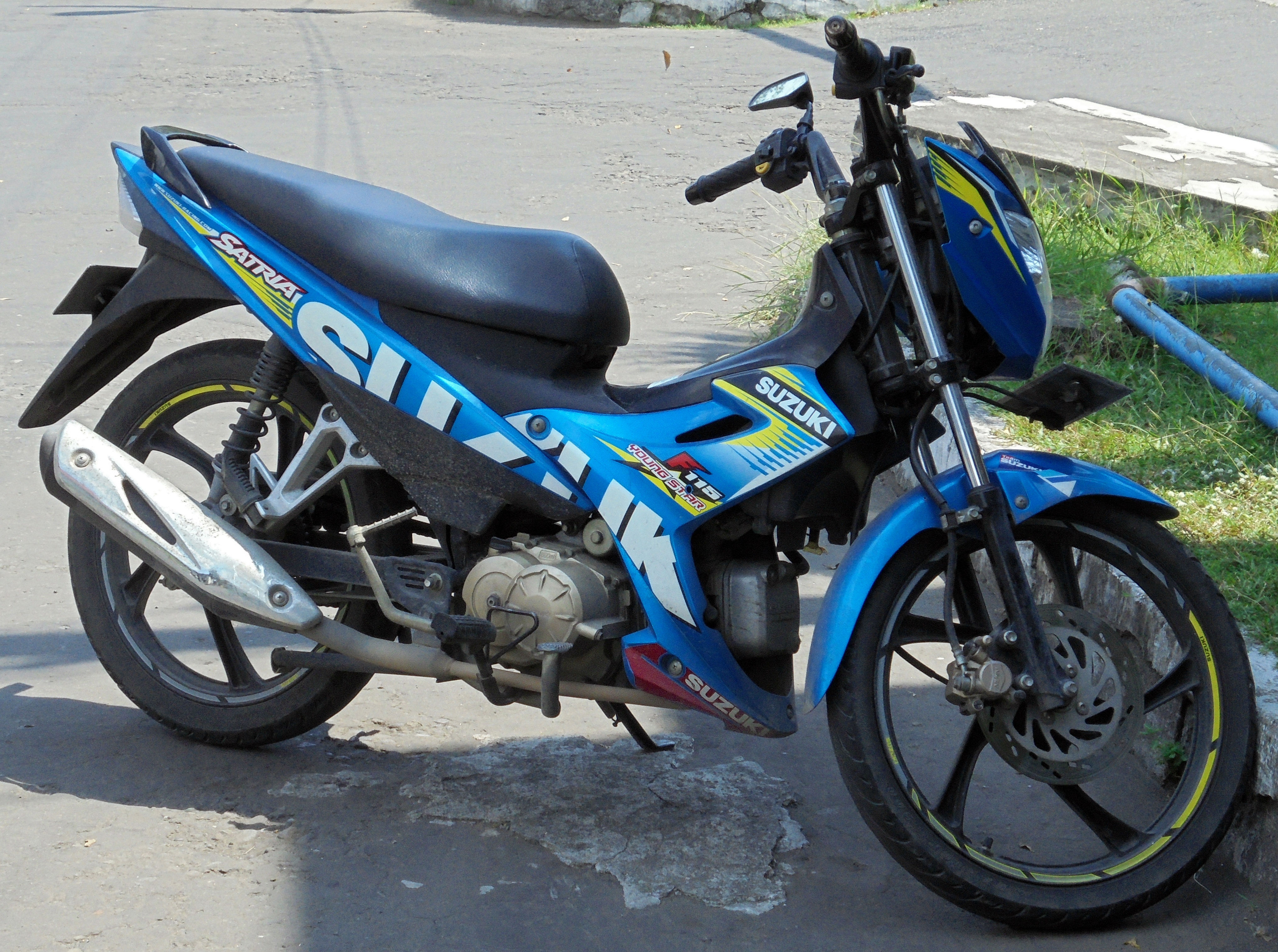
Suzuki Raider R150
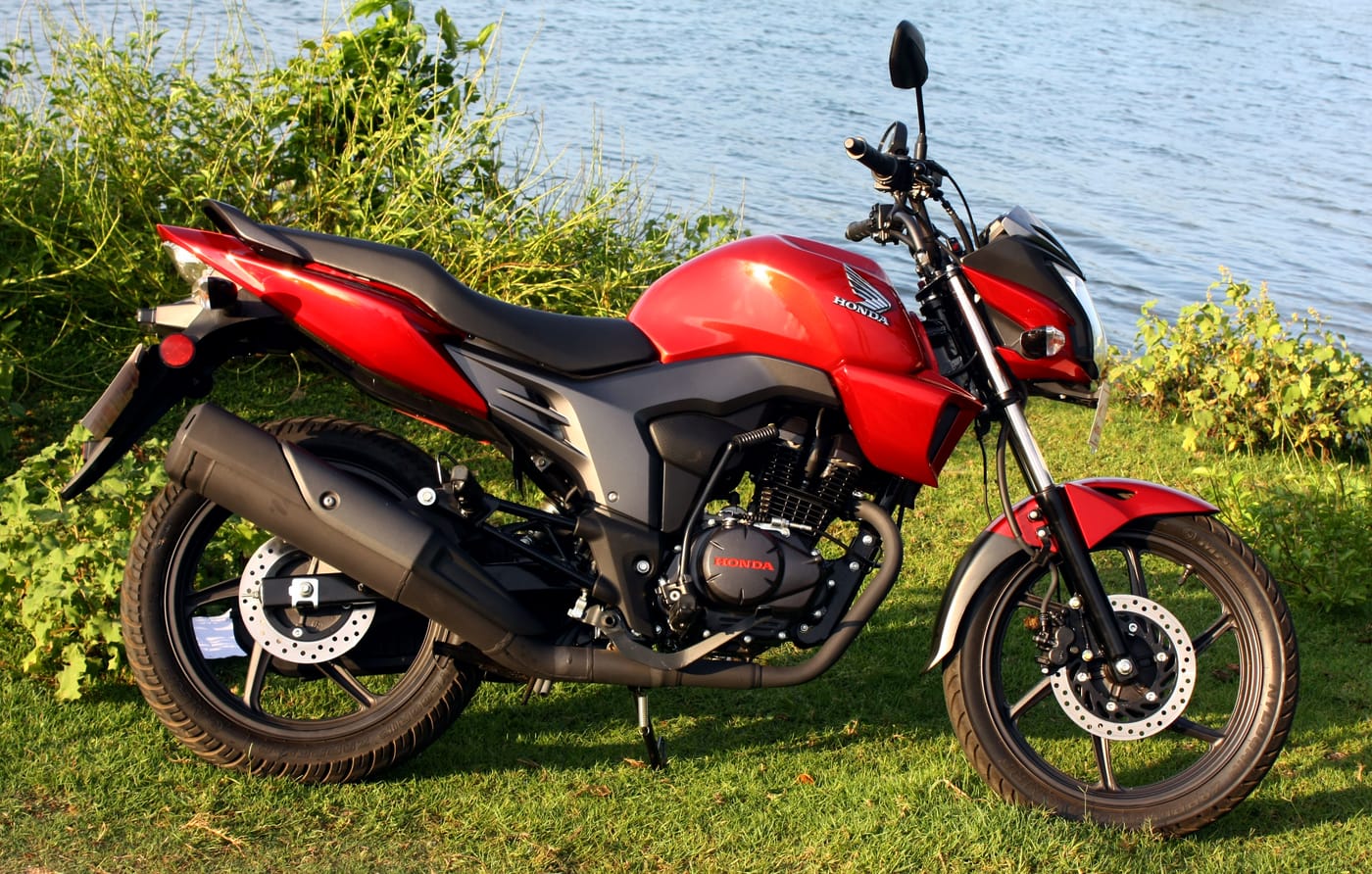
Honda Unicorn 150
Honda Unicorn 160
Haojue Dk150
Yamaha Sz-rr 150
Compare Kawasaki Barako Ii 175 Side-by-Side
compare_arrowsSpecs, power, weight & buyer verdict — head-to-head with the bikes most often cross-shopped.
Kawasaki Barako Ii 175 vs Suzuki Raider R150
Specs · Power · Buyer verdict
Kawasaki Barako Ii 175 vs Honda Unicorn 150
Specs · Power · Buyer verdict
Kawasaki Barako Ii 175 vs Honda Unicorn 160
Specs · Power · Buyer verdict
Kawasaki Barako Ii 175 vs Haojue Dk150
Specs · Power · Buyer verdict
Kawasaki Barako Ii 175 vs Yamaha Sz-rr 150
Specs · Power · Buyer verdict
More Kawasaki Barako Ii 175 Guides
More from Kawasaki
View all Kawasaki models →Community Reviews
Discussion
Frequently Asked Questions
What are common problems with the Kawasaki Barako Ii 175? +
Carburetor clogging and hard starting: Cold start behavior, idling smoothness, fuel smell (moderate) | Worn cam chain causing engine knocking: Rattling noise on startup, listen at engine top (serious) | Corroded or weak electrical connections: Lights, starter response, check wiring harness visually (moderate)
Is the Kawasaki Barako Ii 175 a good motorcycle? +
The most practical used buy for utility-focused Filipino riders. Rating: 7.0/10. Best for: Provincial riders needing reliable daily cargo hauler. Avoid if: You want highway speed or sporty riding.
What is the horsepower of the Kawasaki Barako Ii 175? +
The Kawasaki Barako Ii 175 produces ~13.5 hp @ 7,500 rpm (estimated), with ~13.7 Nm @ 6,000 rpm (estimated) of torque. Top speed: ~120 km/h (estimated).
Is the Kawasaki Barako Ii 175 good for beginners? +
Yes — the Kawasaki Barako Ii 175 is a reasonable choice for new riders (13.5 hp is manageable), weighing 121 kg. Provincial riders needing reliable daily cargo hauler
Is the Kawasaki Barako Ii 175 reliable? +
Owners report 1 critical issue to watch for on the Kawasaki Barako Ii 175, notably: Worn cam chain causing engine knocking (Rattling noise on startup, listen at engine top). Buy with a pre-purchase inspection.
Is the Kawasaki Barako Ii 175 good for daily use? +
Provincial riders needing reliable daily cargo hauler Fuel: ~3.5 L/100km or ~28 km/L (typical real-world average).
How fast is the Kawasaki Barako Ii 175? +
The Kawasaki Barako Ii 175 reaches a top speed of ~120 km/h (estimated), producing 13.5 hp at 121 kg curb weight. Real-world performance depends on rider weight, gearing, and road conditions.
What gear should I buy for a Kawasaki Barako Ii 175? +
Motoryk has curated a Top 10 gear list specifically for the Kawasaki Barako Ii 175, covering engine oil, tires, chain, battery, and brake pads — see motoryk.com/bikes/kawasaki/barako-ii-175/top10. Each pick is matched to this bike's spec.