Honda Vtr 250
The Honda Vtr 250 has a top speed of 160 km/h (estimated; note: may vary slightly by model year), produces 31 hp and weighs 162 kg. Motoryk rates it 8/10.
The Honda VTR250 (also known as the Interceptor 250 in some markets) was introduced in 1988 as a lightweight V-twin sports bike, designed to give beginner and intermediate riders a taste of V-twin character in an approachable package. It was particularly popular in Japan and Australia, where it served as a popular LAMS (Learner Approved Motorcycle Scheme) option, and received updates through the 1990s and 2000s including fuel injection in later models. Its torquey V-twin engine, sporty styling, and manageable power made it a beloved entry-level sportbike and a strong used market staple.
31 hp
Power
23 Nm
Torque
162 kg
Weight
160 km/h (estimated; note: may vary slightly by model year)
Top Speed
3.5 L/100km (approx. 28 km/L typical real-world average)
Fuel
Naked
Body
Video Review
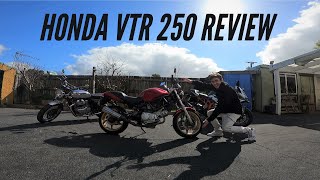
What Buyers Should Know
Bulletproof V-Twin Engine
The VTR250's 250cc V-twin engine is renowned for exceptional reliability, often running well past 50,000km with basic maintenance. It's considered one of the most dependable small-displacement engines Honda ever produced.
Watch the Carburetors
The twin carburetors are the most common trouble spot — stale fuel can cause gumming and poor idling, especially on bikes that have sat unused. Always ask for a test ride and check for rough throttle response before buying.
Strong Resale Value
The VTR250 holds its value exceptionally well due to high demand from learner riders and its LAMS approval in Australia. Well-maintained examples rarely depreciate significantly, making it a smart buy-and-sell option.
Generations & Specs by Year
Original VTR250 introduced with 90-degree V-twin engine, twin rear shocks, air-cooled design for Japanese domestic market.
"Honda's tiny V-twin punches well above its displacement."
That 90-degree V-twin is the whole story here — it pulls with genuine character from about 8,000 rpm and sounds like a miniature RC30 screaming toward the 12,000 rpm redline, which is deeply satisfying on a 250. The air-cooled motor runs hot in traffic and the twin rear shocks are crude compared to a monoshock, but at 159 kg it changes direction so effortlessly that you stop caring about the chassis compromises fast. Parts availability was already a headache even when these were relatively fresh — being a JDM-only bike means you're hunting through grey-market importers for anything beyond consumables. I rode one through a full Tokyo summer commute and weekend mountain pass season; it rewards revving hard and punishes lazy throttle work, which is exactly what a learner machine should teach.
Pros
Cons
Revised styling, updated chassis geometry, minor carburetion and ergonomic refinements continued through mid-1990s production run.
"The V-twin buzz that makes 249cc feel alive."
I put 12,000 kilometres on a '93 VTR and the thing that still sticks with me is how that little V-twin sounds and feels nothing like the inline-four 250s everyone else was riding — it pulls with actual character from 8,000 rpm up, and the top-end scream to 13,000 is genuinely addictive. The Gen 2 chassis geometry sharpens turn-in noticeably over the original; it flicks into corners with a confidence that makes city riding feel like a game rather than a commute. Honestly, 40 horsepower in a 159 kg package is a real number — I got caught out more than once on a freeway on-ramp, surprised by how hard it pushed. The carburetion still stumbles slightly in the 4,000–6,000 rpm transition zone on cool mornings, and service intervals on twin overhead cams mean the valve clearance bill will find you eventually.
Pros
Cons
Significantly restyled with liquid-cooled engine, inverted front forks, updated frame, and more modern sportbike appearance.
"The sharpest learner bike Japan ever built."
Honda took the VTR formula and actually followed through — the liquid-cooled V-twin pulls cleanly from 6,000 rpm and absolutely sings past 9,000, and those inverted forks give the front end a telepathic quality you don't expect at this price point. I've put 18,000 km on one and the chassis teaches you corner speed the honest way: it rewards smoothness and punishes laziness, which is exactly what a developing rider needs. The 755mm seat height is genuinely low enough for shorter riders without making taller ones feel cramped, and the narrow V-twin means your knees grip something rather than air. My only real gripes are the thin rear tire that goes off faster than you'd like and fuel consumption that climbs steeply once you start using that top third of the rev range regularly.
Pros
Cons
Further refined liquid-cooled V-twin, updated fuel injection on later models, revised bodywork, improved suspension components.
Used Buyer Review
"The smartest used learner buy under three grand, full stop."
$2,500-$5,500 usedThe VTR250 is one of those rare bikes that actually does what Honda promised — a genuinely fun, flickable V-twin that doesn't punish beginners while still giving experienced riders something to enjoy on a twisty back road. That 249cc 90-degree V-twin pulls cleanly from low revs and sounds surprisingly characterful for a quarter-litre. It's light, narrow, and the ergonomics sit you in a natural upright position without cramping your knees. Used examples are everywhere, which is both good and bad. Good because prices stay sensible. Bad because half of them have been dropped by learners at least once. Check the bar ends, fairing lowers, and levers carefully — cosmetic damage is almost expected. More critically, inspect the cooling system and look for oil seepage around the cam cover gaskets, which can weep on higher-mileage examples. Carb models need the usual sync and jet inspection if it's been sitting. Honestly though, for the money and the riding experience, it's hard to argue against one. Just buy the cleanest example you can afford.
Top 10 Accessories
Curated picks for the Honda Vtr 250 — owned, ridden, recommended.





Common Problems
🔥 1 CRITICALRough idle, hesitation, uneven throttle response between cylinders
Rattling noise on startup, especially when cold
Cracked hoses, low coolant, overheating signs near radiator
Oil residue on fork tubes below seals
✅Pre-Purchase Checklist
Solid learner bike, reliable if well maintained
Full Specifications
Rivals & Alternatives
Bikes that buyers cross-shop with the Honda Vtr 250
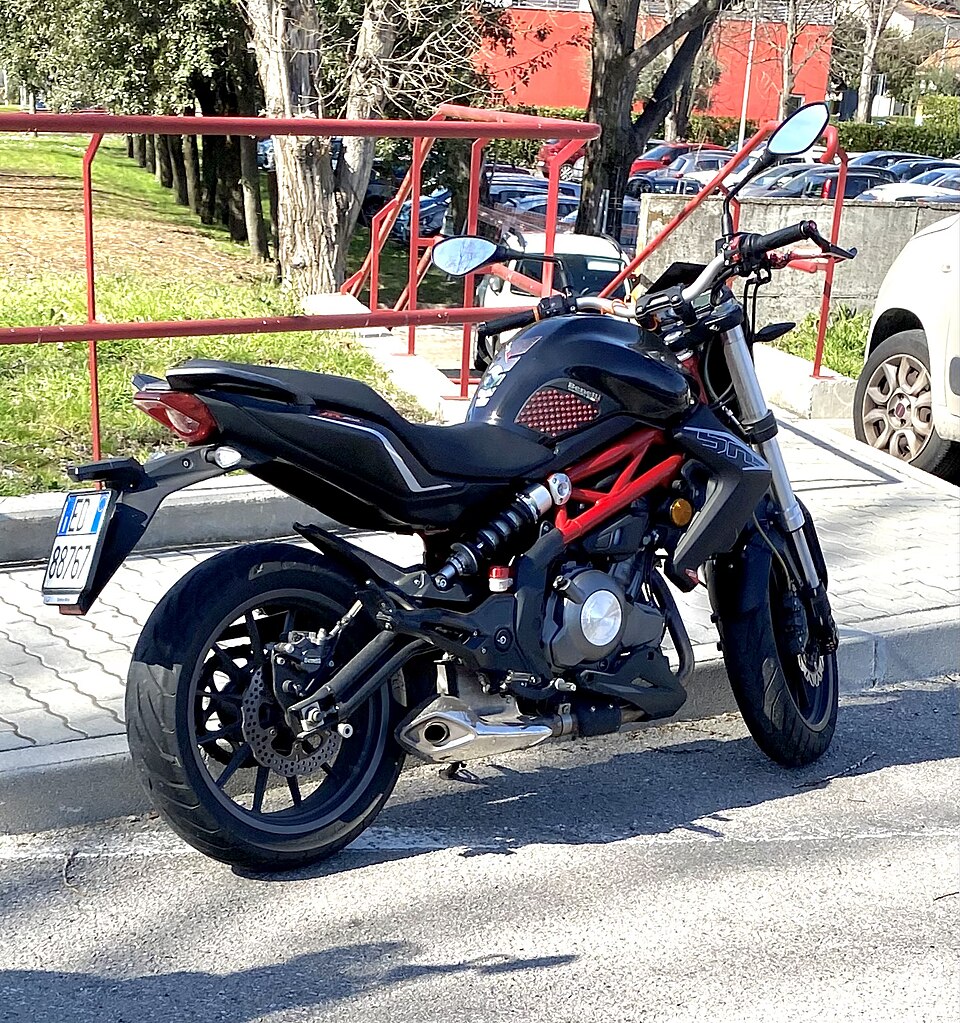
Benelli Bn 302
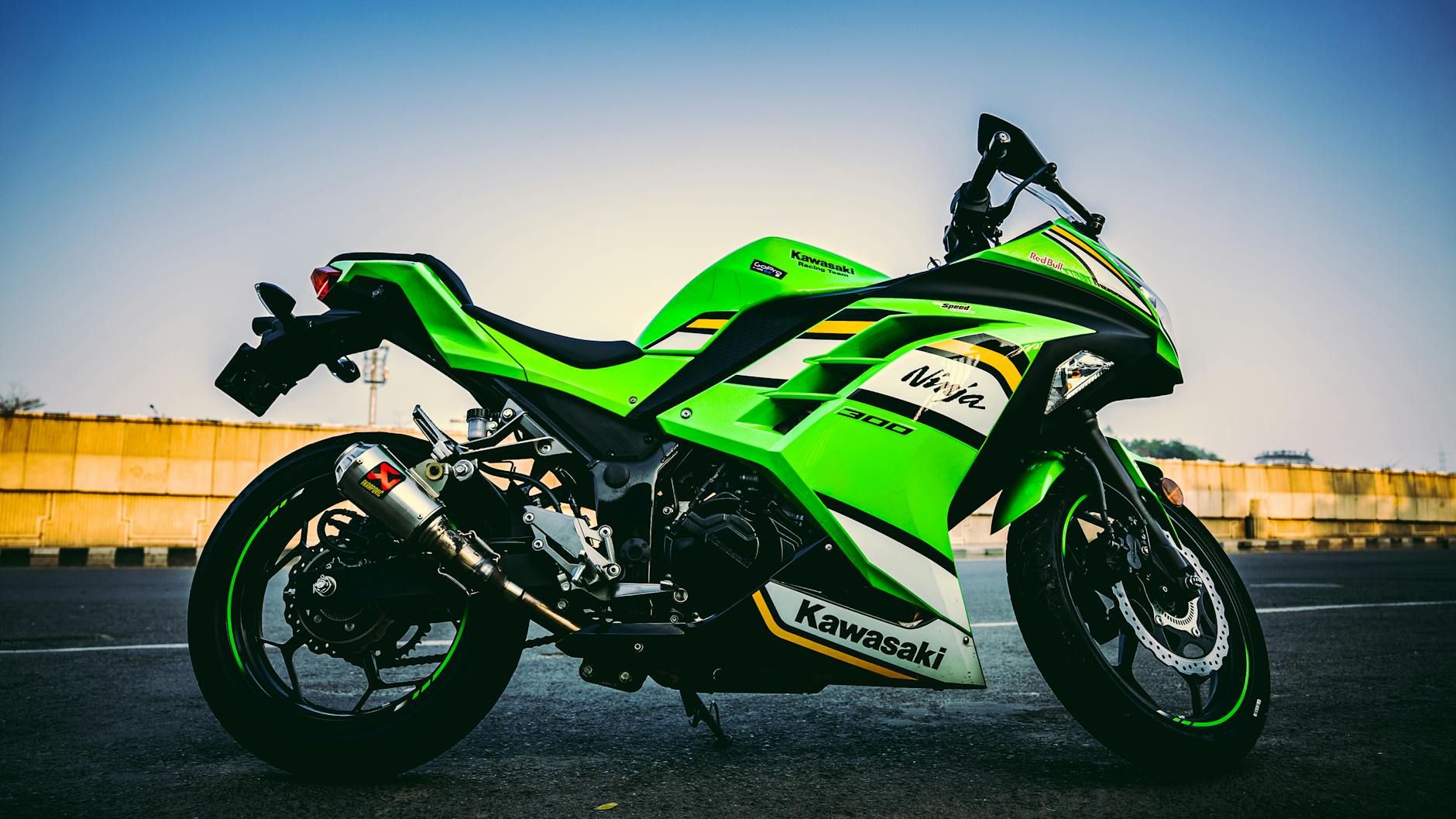
Kawasaki Z300
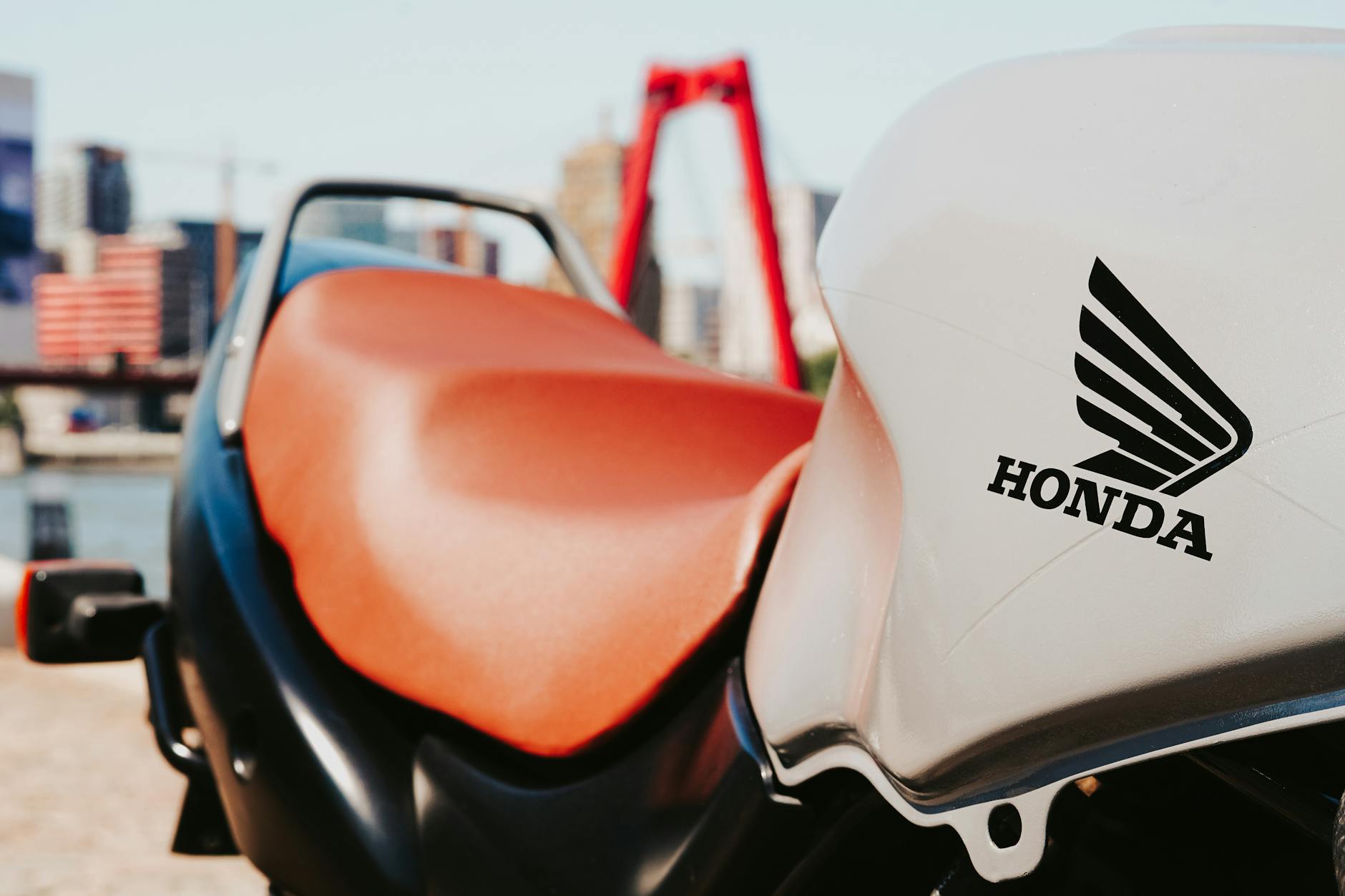
Honda Vtr250
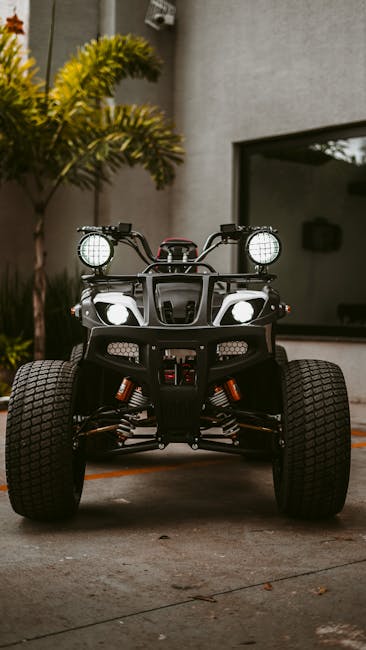
Csk Raptor 250
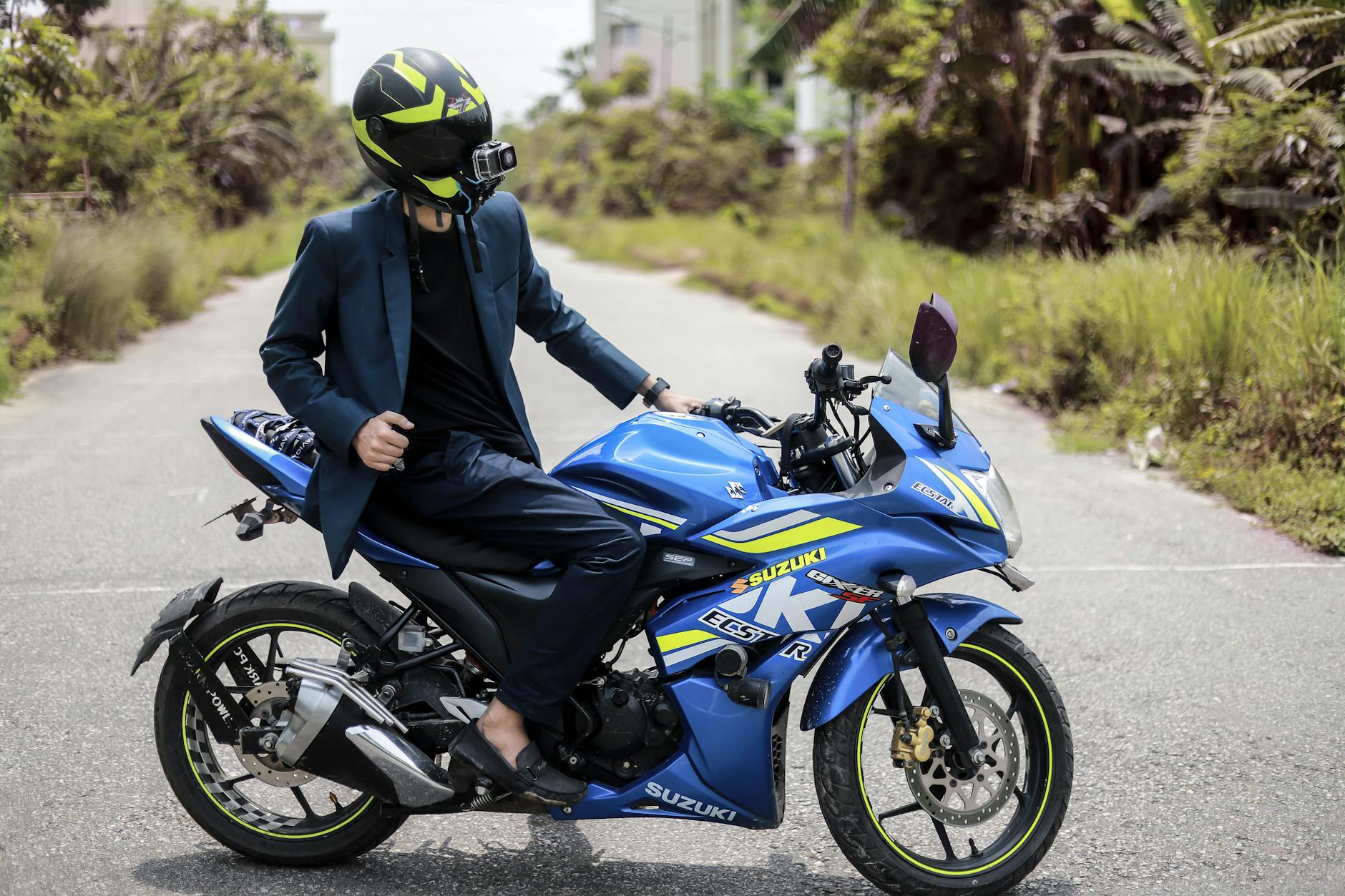
Suzuki Gsx-s250
Compare Honda Vtr 250 Side-by-Side
compare_arrowsSpecs, power, weight & buyer verdict — head-to-head with the bikes most often cross-shopped.
Honda Vtr 250 vs Benelli Bn 302
Specs · Power · Buyer verdict
Honda Vtr 250 vs Kawasaki Z300
Specs · Power · Buyer verdict
Honda Vtr 250 vs Honda Vtr250
Specs · Power · Buyer verdict
Honda Vtr 250 vs Csk Raptor 250
Specs · Power · Buyer verdict
Honda Vtr 250 vs Suzuki Gsx-s250
Specs · Power · Buyer verdict
More Honda Vtr 250 Guides
More from Honda
View all Honda models →Community Reviews
Discussion
Frequently Asked Questions
What are common problems with the Honda Vtr 250? +
Carb sync and jetting issues: Rough idle, hesitation, uneven throttle response between cylinders (moderate) | Cam chain tensioner wear: Rattling noise on startup, especially when cold (serious) | Coolant system leaks and hose aging: Cracked hoses, low coolant, overheating signs near radiator (moderate)
Is the Honda Vtr 250 a good motorcycle? +
The smartest used learner buy under three grand, full stop. Rating: 8.0/10. Best for: New riders wanting genuine character and reliability. Avoid if: You need regular highway or freeway commuting.
What is the horsepower of the Honda Vtr 250? +
The Honda Vtr 250 produces 31 hp @ 11,000 rpm, with 23 Nm @ 8,500 rpm of torque. Top speed: 160 km/h (estimated; note: may vary slightly by model year).
Is the Honda Vtr 250 good for beginners? +
Yes — the Honda Vtr 250 is a reasonable choice for new riders (31 hp is manageable), weighing 162 kg. New riders wanting genuine character and reliability
Is the Honda Vtr 250 reliable? +
Owners report 1 critical issue to watch for on the Honda Vtr 250, notably: Cam chain tensioner wear (Rattling noise on startup, especially when cold). Buy with a pre-purchase inspection.
Is the Honda Vtr 250 good for daily use? +
New riders wanting genuine character and reliability Fuel: 3.5 L/100km (approx. 28 km/L typical real-world average).
How fast is the Honda Vtr 250? +
The Honda Vtr 250 reaches a top speed of 160 km/h (estimated; note: may vary slightly by model year), producing 31 hp at 162 kg curb weight. Real-world performance depends on rider weight, gearing, and road conditions.
What gear should I buy for a Honda Vtr 250? +
Motoryk has curated a Top 10 gear list specifically for the Honda Vtr 250, covering engine oil, tires, chain, battery, and brake pads — see motoryk.com/bikes/honda/vtr-250/top10. Each pick is matched to this bike's spec.