Honda Vtr250
The Honda Vtr250 has a top speed of 160 km/h (estimated), produces 31 hp and weighs 159 kg. Motoryk rates it 8/10.
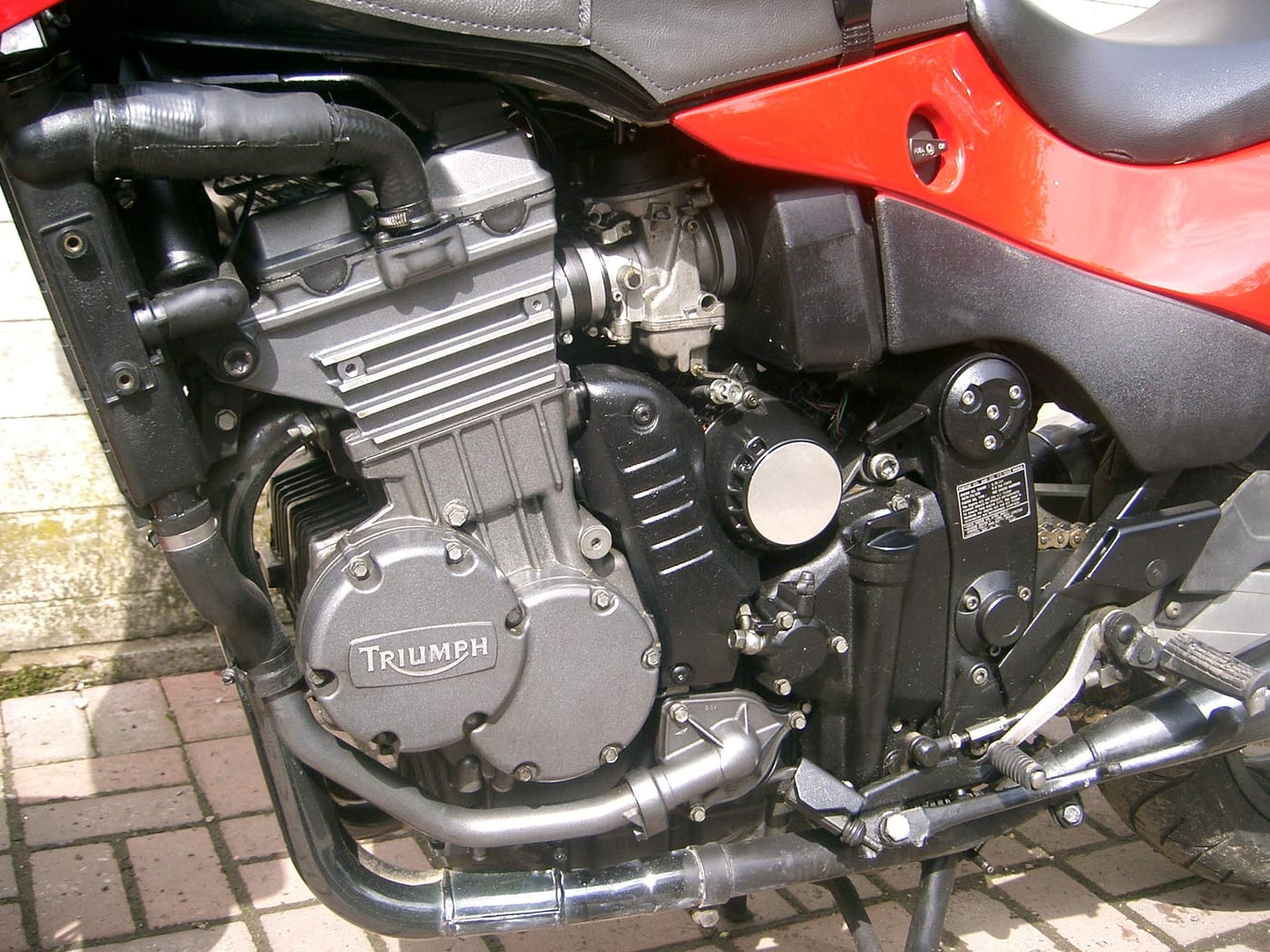
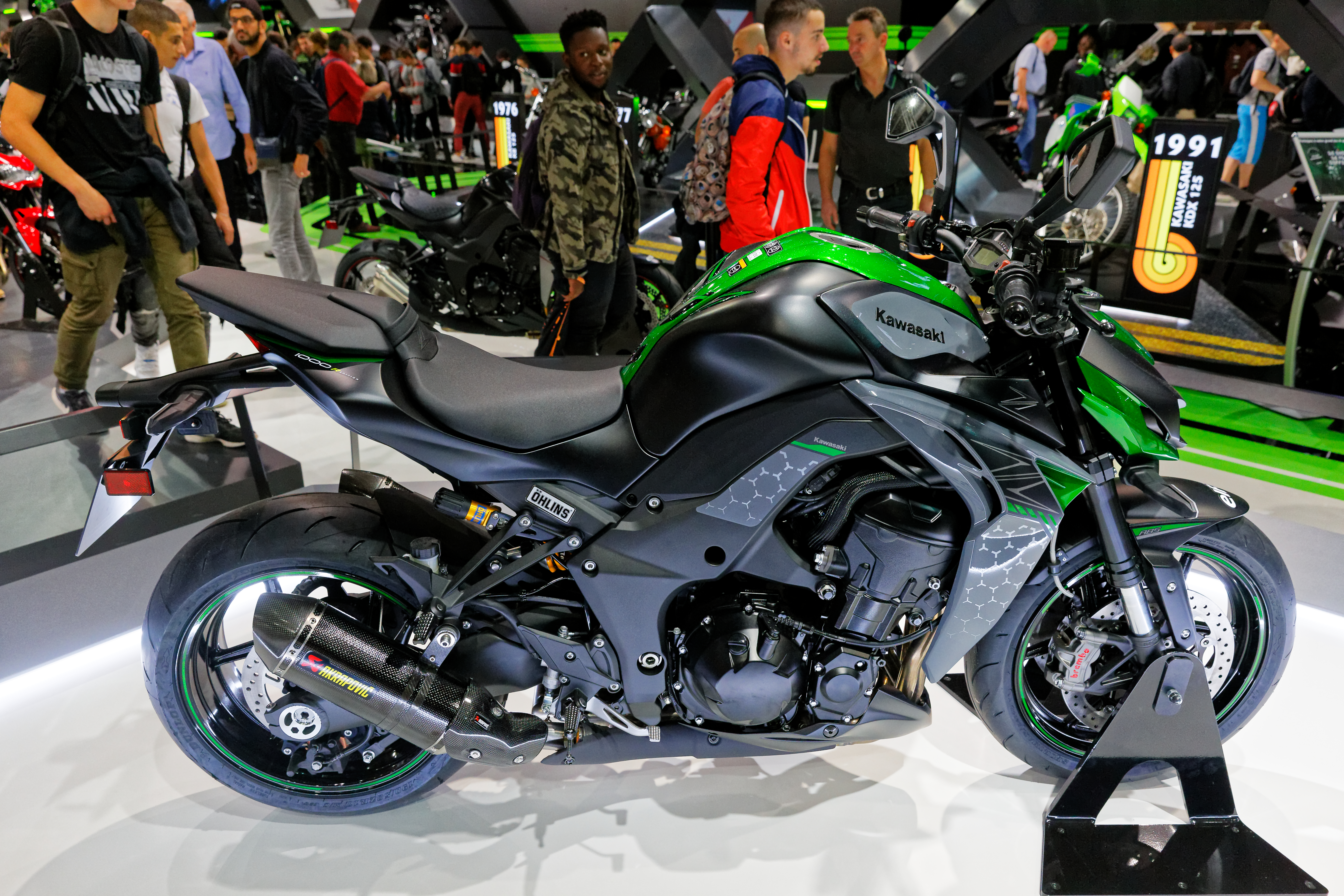
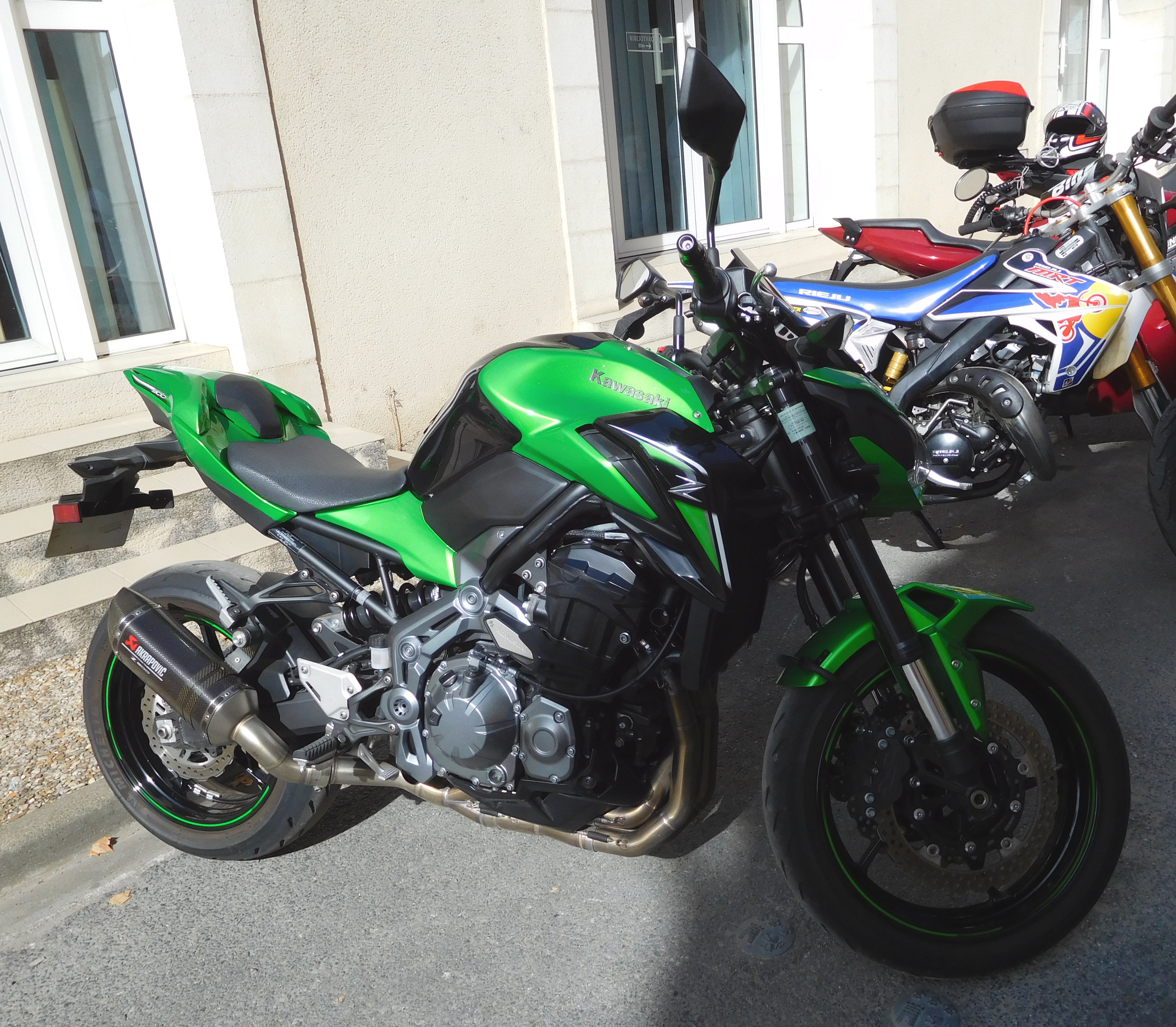
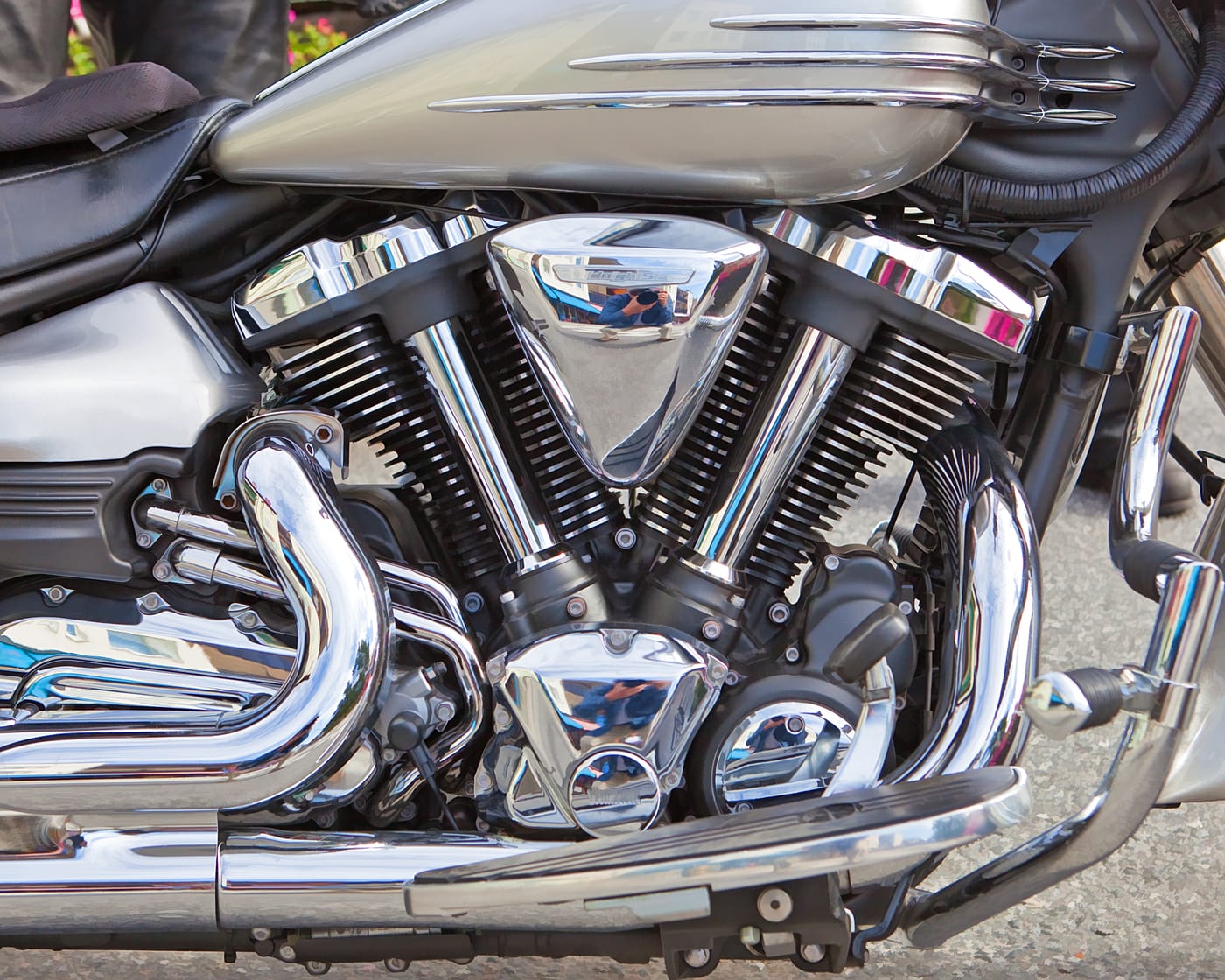
The Honda VTR250 (also known as the Interceptor 250 in some markets) was introduced in 1988 and produced until 2007, featuring a V-twin engine layout that set it apart from most 250cc competitors of the era. It was particularly popular in Japan and Australia as a learner-approved motorcycle, valued for its smooth power delivery and sporty styling. The VTR250 is notable for being one of the few quarter-litre bikes to use a V-twin configuration, giving it a character closer to larger displacement bikes like the VTR1000.
31 hp
Power
23 Nm
Torque
159 kg
Weight
160 km/h (estimated)
Top Speed
4.5 L/100km or approximately 22 km/L (typical real-world average)
Fuel
Naked
Body
🔧 Service Schedule & Parts
Affiliate · we may earn| Service item | Every | Typical cost | Parts |
|---|---|---|---|
| 🛢️ Engine oil + oil filter | 6,000 km / 3,500 mi or 12 mo | $40-80 | 🛢️ Buy → ⚙️ Buy → |
| 🌬️ Air filter | 12,000 km / 7,500 mi | — | 🌬️ Buy → |
| ⚡ Spark plugs | 12,000 km / 7,500 mi | — | ⚡ Buy → |
| 🔧 Valve clearance check | 24,000 km / 15,000 mi | $150-300 | |
| 🔗 Chain & sprockets | 20000-35000 km (replace) | $150-250 | 🔗 Buy → |
| 🛑 Brake pads | 15000-25000 km | $25-50 | 🛑 Buy → |
| 💧 Brake fluid | 24,000 km / 15,000 mi or 2 yr | — | |
| 🧊 Coolant | 24,000 km / 15,000 mi | — | |
| 🛞 Tires | 10000-18000 km | $180-350 | 🛞 Buy → |
| 🔩 Major service | 24,000 km / 15,000 mi | $250-500 |
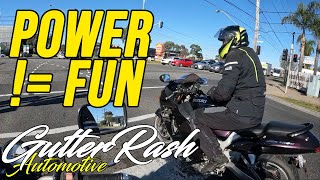
Video Review
What Buyers Should Know
Bulletproof V-Twin Engine
The VTR250's liquid-cooled 250cc V-twin is renowned for exceptional reliability, often running well past 50,000km with basic maintenance. It's one of the most dependable small-displacement engines Honda ever produced.
Watch the Carburetors
Carburetor gumming from ethanol-blended fuel is the most common issue on used VTR250s, especially bikes that have sat unused. Always check for smooth throttle response and ask about the last carb clean before buying.
Strong Resale Value
The VTR250 holds its value exceptionally well due to high demand from LAMS riders and its discontinued status in many markets. A well-maintained example can sell for close to its purchase price even after several years.
Generations & Specs by Year
Original VTR250 introduced with 90-degree V-twin, liquid-cooled, DOHC, bikini fairing design.
"Japan's sharpest 250 V-twin, before everyone copied it."
That 90-degree V-twin pulls hard from 8,000 rpm and genuinely screams to 15,000 — on a 250, that still surprises you every time. The chassis is taut and trustworthy; I've carved mountain roads on this thing that embarrassed much larger bikes piloted by lazy riders. The bikini fairing is more aesthetic than functional — highway wind blast above 130 km/h gets tiring fast — and parts sourcing in 2024 is a legitimate headache, particularly for the cooling system and carburettors. It's a 35-year-old machine, so mechanically it demands respect and regular attention, but nothing about this bike feels like a compromise the engineers made — it feels like they meant every single rev.
Pros
Cons
Revised bodywork styling, updated graphics, minor carburetion and suspension tuning adjustments.
"The sharpest small twin you could legally buy."
I put nearly 12,000 km on a '91 VTR250 and that engine never stopped surprising me — pull it past 10,000 rpm and that liquid-cooled V-twin genuinely sings, delivering a chest-thumping urgency that feels absurd for a 250. The Gen 2 bodywork is a marginal cosmetic refresh over the original; don't buy it expecting a new motorcycle, because mechanically you're getting the same bike with slightly smoother carb response off idle and a fractionally more composed front end through mid-corner. At 159 kg it's heavier than the single-cylinder competition, and you feel that mass when you're pushing it into tight car parks or filtering through a standstill commute. The real weakness is fuel economy at high revs — keep it in that sweet spot above 11,000 and you'll be stopping at the pump more than you'd like for a bike this small.
Pros
Cons
Fully redesigned naked streetfighter style, revised frame, updated fueling, no fairing.
"The V-twin learner bike that actually teaches you something."
I ran a VTR250 as a daily commuter and weekend canyon bike for two years, and the thing that surprised me most was how the V-twin character — that lumpy, mechanical pulse at low revs — actually made me a better throttle hand. You feel every input through this engine in a way a parallel-twin or single just doesn't deliver. The streetfighter redesign works; it's not pretty exactly, but it's honest — wide bars, upright seating, a bike that wants to be thrown around rather than pampered. The weaknesses are real though: above 140 km/h it's running out of puff fast, and the lack of fairing means highway stints are an arm workout in crosswind.
Pros
Cons
Fuel injection introduced, updated chassis geometry, revised bodywork, improved emissions compliance.
Used Buyer Review
"The smartest used 250 you can buy right now."
$2,500-$5,500 usedThe VTR250 is one of those bikes that just makes sense. Honda built this little V-twin from 1997 through to the mid-2000s and they're genuinely tough little machines — find one with a decent service history and you're buying yourself years of trouble-free riding. The parallel-twin sound is addictive for a 250, pulls cleanly through the rev range, and the ergonomics suit almost everyone from short commuters to taller riders doing weekend scratches. What to watch for used: check the fairings carefully because these live hard lives as learner bikes and crash damage is everywhere. Inspect the cam chain tensioner — it's the one known weak point and a rattly cold start is your warning sign. Carbs gum up if they've been sitting, so budget for a clean if the previous owner wasn't riding regularly. Mileage matters less than care with these Hondas.
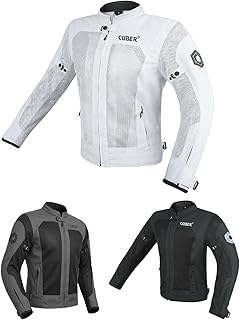
Top 10 Accessories
Curated picks for the Honda Vtr250 — owned, ridden, recommended.




Common Problems
🔥 1 CRITICALRough idle, hesitation, or flat spots during acceleration
Staining or wetness below water pump on engine cases
Rattling noise on startup, especially when cold
Squeeze hoses for cracks, check clamps for rust
✅Pre-Purchase Checklist
Very reliable if regularly serviced and maintained
Full Specifications
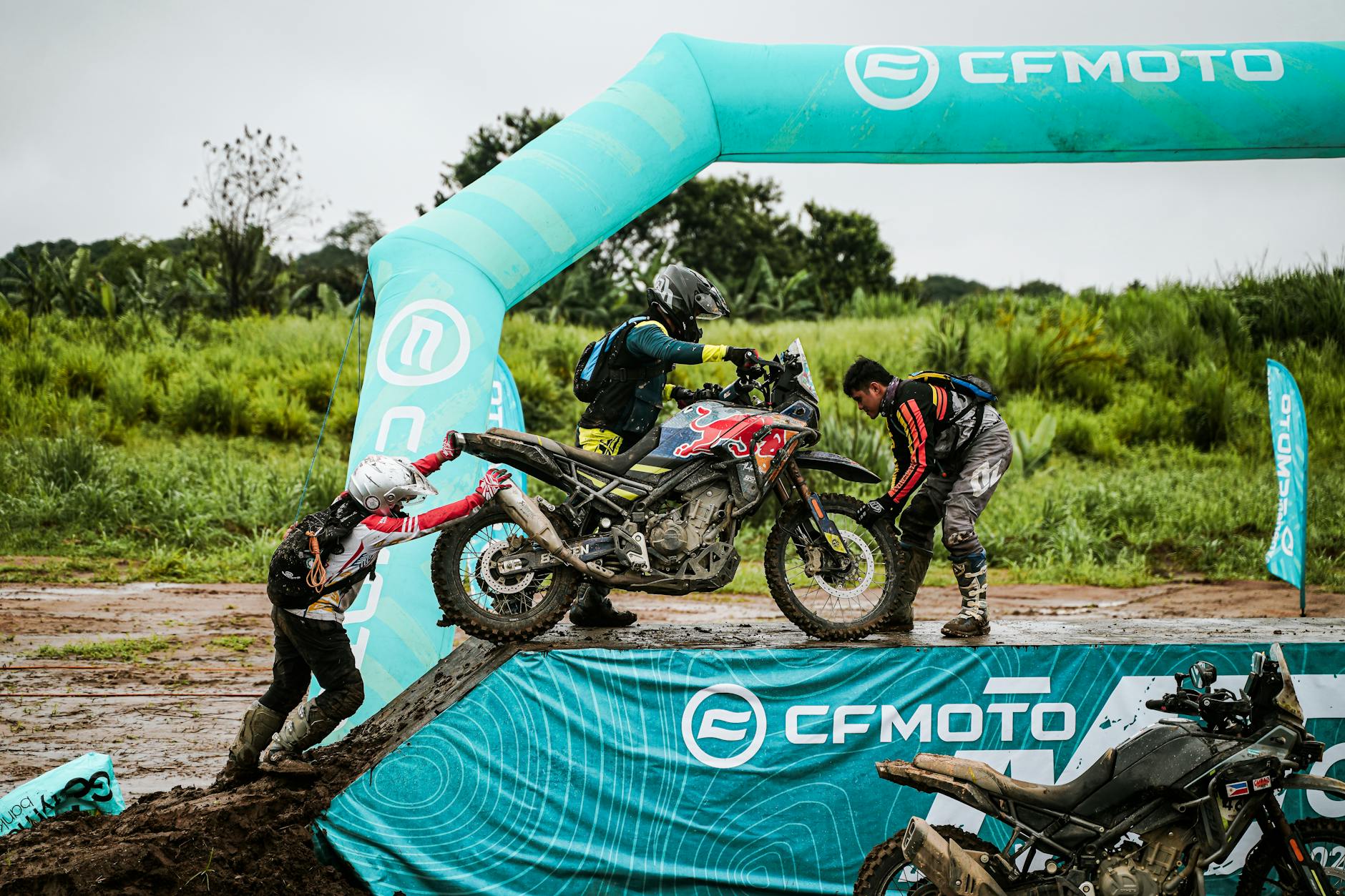
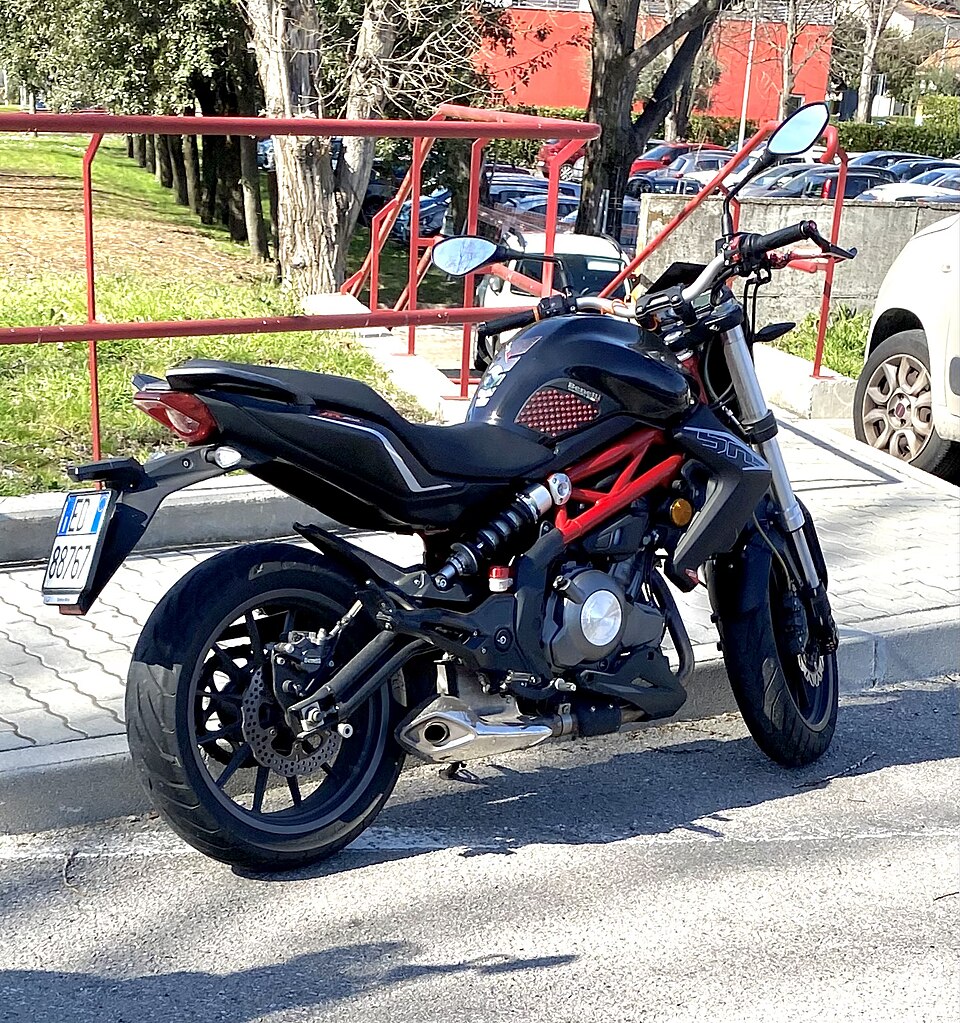
Rivals & Alternatives
Bikes that buyers cross-shop with the Honda Vtr250
Compare Honda Vtr250 Side-by-Side
compare_arrowsSpecs, power, weight & buyer verdict — head-to-head with the bikes most often cross-shopped.
More Honda Vtr250 Guides
More from Honda
View all Honda models →Community Reviews
Discussion
Frequently Asked Questions
What are common problems with the Honda Vtr250? +
Carb sync and jetting issues: Rough idle, hesitation, or flat spots during acceleration (moderate) | Coolant leaks from water pump: Staining or wetness below water pump on engine cases (moderate) | Worn cam chain tensioner: Rattling noise on startup, especially when cold (serious)
Is the Honda Vtr250 a good motorcycle? +
The smartest used 250 you can buy right now. Rating: 8.0/10. Best for: New riders wanting reliable character-filled learning tool. Avoid if: You want modern fuel injection or ABS.
What is the horsepower of the Honda Vtr250? +
The Honda Vtr250 produces 31 hp @ 10,500 rpm, with 23 Nm @ 8,000 rpm of torque. Top speed: 160 km/h (estimated).
Is the Honda Vtr250 good for beginners? +
Yes — the Honda Vtr250 is a reasonable choice for new riders (31 hp is manageable), weighing 159 kg. New riders wanting reliable character-filled learning tool
Is the Honda Vtr250 reliable? +
Owners report 1 critical issue to watch for on the Honda Vtr250, notably: Worn cam chain tensioner (Rattling noise on startup, especially when cold). Buy with a pre-purchase inspection.
Is the Honda Vtr250 good for daily use? +
New riders wanting reliable character-filled learning tool Fuel: 4.5 L/100km or approximately 22 km/L (typical real-world average).
How fast is the Honda Vtr250? +
The Honda Vtr250 reaches a top speed of 160 km/h (estimated), producing 31 hp at 159 kg curb weight. Real-world performance depends on rider weight, gearing, and road conditions.
What gear should I buy for a Honda Vtr250? +
Motoryk has curated a Top 10 gear list specifically for the Honda Vtr250, covering engine oil, tires, chain, battery, and brake pads — see motoryk.com/bikes/honda/vtr250/top10. Each pick is matched to this bike's spec.