Yamaha Nmax 160 vs Honda Pcx E:hev
Side-by-side comparison for used motorcycle buyers
Yamaha Nmax 160 vs Honda Pcx E:hev. Yamaha Nmax 160: 15.1 hp @ 8,000 rpm hp, 134 kg (curb weight) weight, top speed ~125 km/h, Motoryk rating 8.0/10. Honda Pcx E:hev: ~12.5 hp @ 8,500 rpm (combined system output; note: official figures vary by market) hp, 133 kg (curb weight) weight, top speed ~110 km/h (estimated; Honda does not officially publish top speed for this model), Motoryk rating 8.0/10.
Performance at a Glance
Green = winner per metric · Bars are relative to the higher value
Yamaha Nmax 160
Honda Pcx E:hev
Horsepower (hp)
15.1 hp
12.5 hp
Torque (Nm)
13.9 Nm
12 Nm
Top Speed (km/h)
125 km/h
110 km/h
Weight (kg) — lower is better
134 kg
133 kg
Type
Scooter
Scooter
Horsepower
15.1 hp @ 8,000 rpm
~12.5 hp @ 8,500 rpm (combined system output; note: official figures vary by market)
Torque
13.9 Nm @ 6,500 rpm
~12 Nm @ 5,000 rpm (gasoline engine; ACG motor provides additional low-end torque)
Top Speed
~125 km/h
~110 km/h (estimated; Honda does not officially publish top speed for this model)
Weight
134 kg (curb weight)
133 kg (curb weight)
Fuel
~2.4 L/100km or ~42 km/L (typical real-world average)
Approximately 1.7 L/100km or ~59 km/L (WMTC mode; real-world estimates around 45–55 km/L)
Fairing
Yes
Yes
Individual Reviews
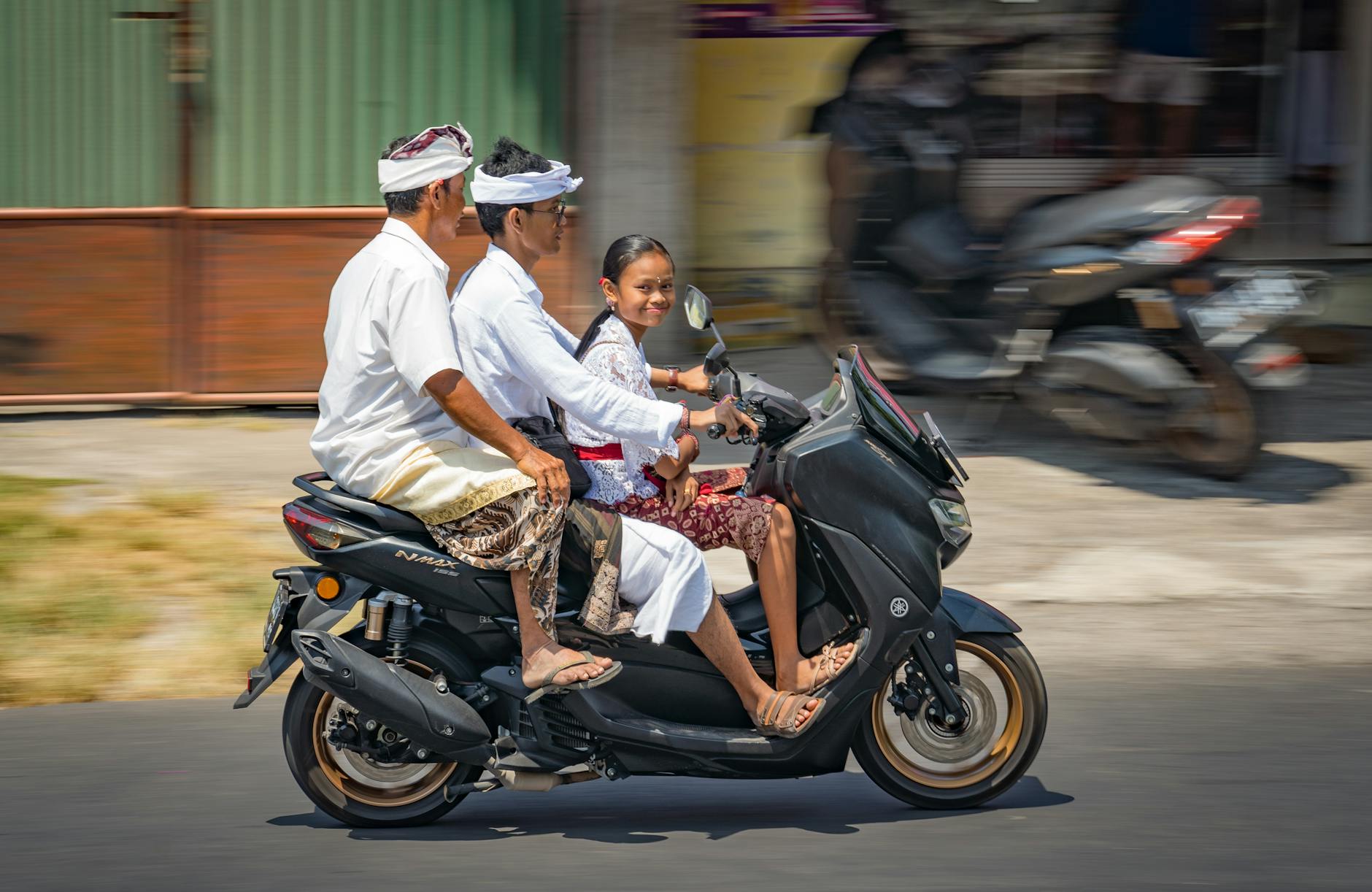
Yamaha Nmax 160
8.0/10
"The benchmark urban scooter that ages remarkably well with basic care."
Pros
+Bulletproof Blue Core engine
+ABS and traction control standard
+Excellent fuel economy
Cons
−Underseat storage laughably small
−Front fork seals wear early
−Stock rear tyre life short
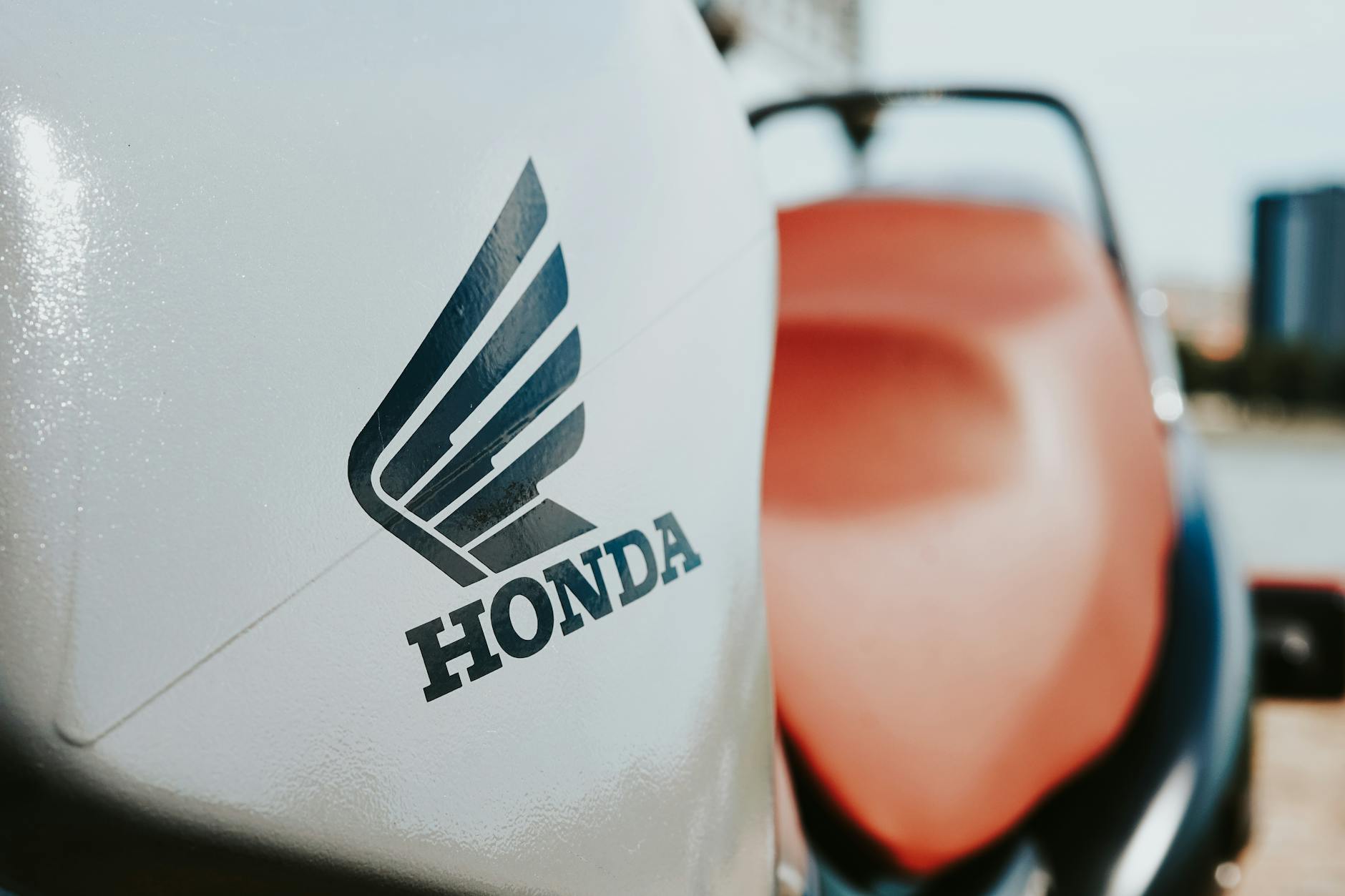
Honda Pcx E:hev
8.0/10
"The smartest urban 125 you can buy used today."
Pros
+Exceptional real-world fuel economy
+Smooth, refined hybrid delivery
+Strong urban traffic performance
Cons
−Reduced under-seat storage
−Aux battery drain issue
−Premium price over standard PCX
Top 10 Accessories
Picks that work on either bike.