Yamaha Fzr1000 vs Kawasaki Ninja H2r
Side-by-side comparison for used motorcycle buyers
Yamaha Fzr1000 vs Kawasaki Ninja H2r. Yamaha Fzr1000: 140 hp @ 10,000 rpm hp, 209 kg (wet/curb weight) weight, top speed 270 km/h, Motoryk rating 8.0/10. Kawasaki Ninja H2r: 310 hp @ 14,000 rpm (with ram-air effect; 300 hp without) hp, 216 kg (curb/wet weight) weight, top speed 400+ km/h (manufacturer-tested; electronically limited in some configurations), Motoryk rating 8.5/10.
Performance at a Glance
Green = winner per metric · Bars are relative to the higher value
Yamaha Fzr1000
Kawasaki Ninja H2r
Horsepower (hp)
140 hp
310 hp
Torque (Nm)
106 Nm
165 Nm
Top Speed (km/h)
270 km/h
400 km/h
Weight (kg) — lower is better
209 kg
216 kg
Type
Supersport
Supersport
Horsepower
140 hp @ 10,000 rpm
310 hp @ 14,000 rpm (with ram-air effect; 300 hp without)
Torque
106 Nm @ 8,500 rpm
165 Nm @ 12,500 rpm
Top Speed
270 km/h
400+ km/h (manufacturer-tested; electronically limited in some configurations)
Weight
209 kg (wet/curb weight)
216 kg (curb/wet weight)
Fuel
6.5 L/100km (approx. 15.4 km/L) — estimated real-world average
Estimated 8–12 L/100km under track conditions (no official real-world figure; track-only use)
Fairing
Yes
Yes
Individual Reviews
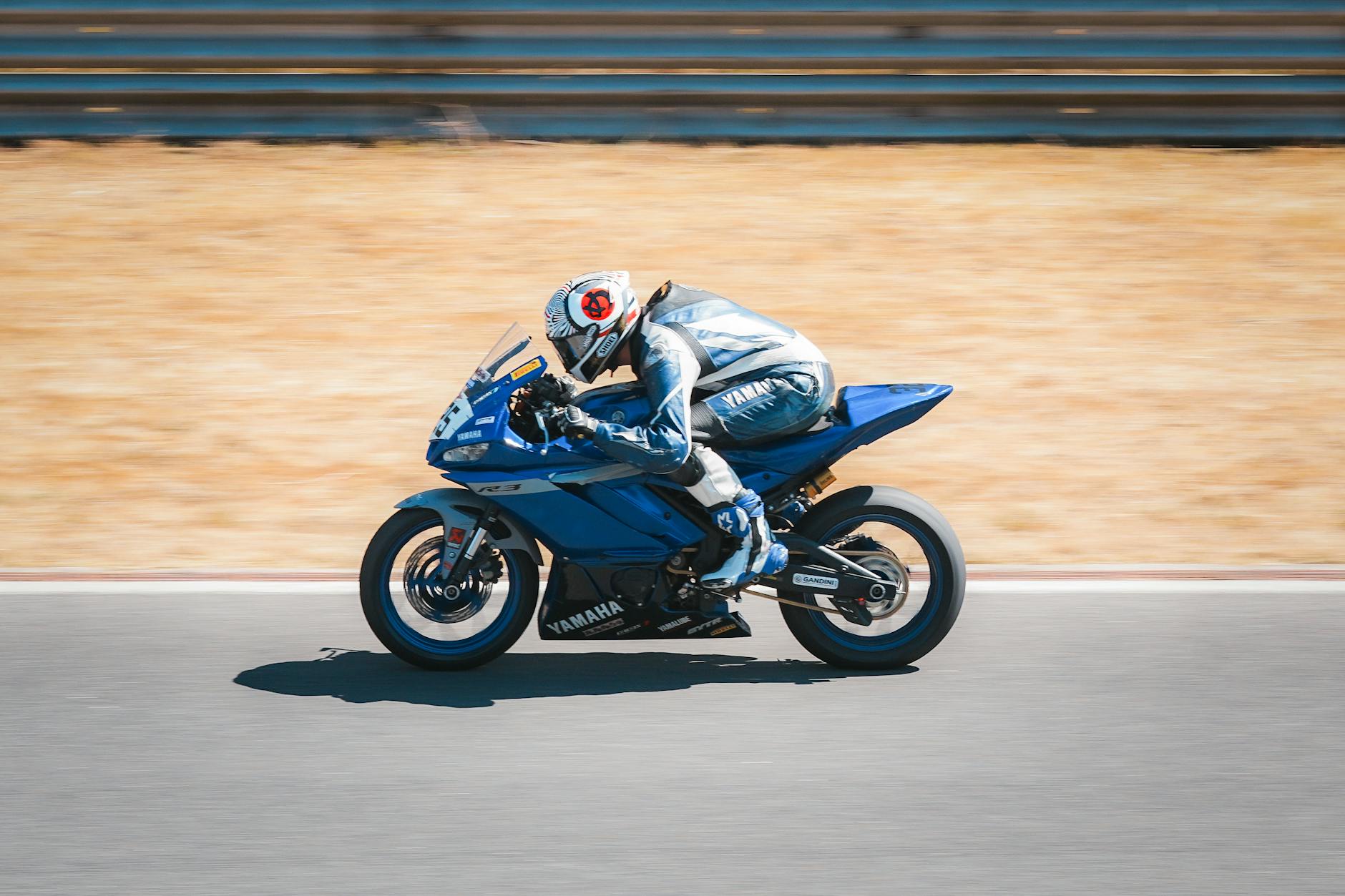
Yamaha Fzr1000
8.0/10
"A rewarding, demanding classic that absolutely earns its legendary reputation."
Pros
+Glorious high-revving engine
+Razor-sharp chassis handling
+Iconic 90s superbike pedigree
Cons
−Parts increasingly hard-to-find
−Aggressive ergonomics punish daily riding
−Carbs demand constant maintenance attention
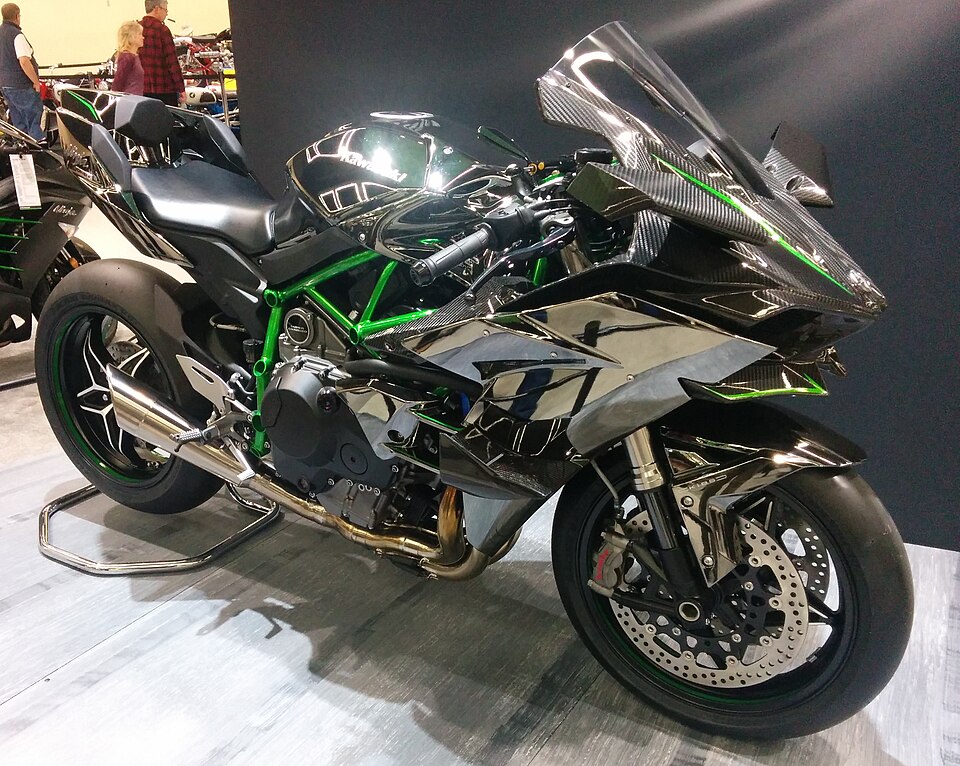
Kawasaki Ninja H2r
8.5/10
"Spectacular machine, but only for serious, wealthy track obsessives."
Pros
+Unmatched supercharged engineering showcase
+Chassis inspires genuine confidence
+Bulletproof Kawasaki build quality
Cons
−Crippling ongoing maintenance costs
−Track-only limits usability severely
−Previous abuse nearly guaranteed
Top 10 Accessories
Picks that work on either bike.