Suzuki Thunder 125 vs Yamaha Bolt R-spec
Side-by-side comparison for used motorcycle buyers
Suzuki Thunder 125 vs Yamaha Bolt R-spec. Suzuki Thunder 125: 11 hp @ 9,000 rpm (estimated) hp, 118 kg (wet/curb weight) weight, top speed 110 km/h (estimated; note: real-world conditions may vary), Motoryk rating 6.5/10. Yamaha Bolt R-spec: 54 hp @ 7,500 rpm hp, 252 kg (wet/curb weight) weight, top speed 175 km/h (estimated), Motoryk rating 7.8/10.
Performance at a Glance
Green = winner per metric · Bars are relative to the higher value
Suzuki Thunder 125
Yamaha Bolt R-spec
Horsepower (hp)
11 hp
54 hp
Torque (Nm)
10 Nm
80 Nm
Top Speed (km/h)
110 km/h
175 km/h
Weight (kg) — lower is better
118 kg
252 kg
Type
Cruiser
Cruiser
Horsepower
11 hp @ 9,000 rpm (estimated)
54 hp @ 7,500 rpm
Torque
10 Nm @ 7,500 rpm (estimated)
80 Nm @ 3,000 rpm
Top Speed
110 km/h (estimated; note: real-world conditions may vary)
175 km/h (estimated)
Weight
118 kg (wet/curb weight)
252 kg (wet/curb weight)
Fuel
2.2 L/100km or approximately 45 km/L (typical real-world average)
4.5 L/100km (approx. 22 km/L, typical real-world average)
Fairing
No
No
Individual Reviews
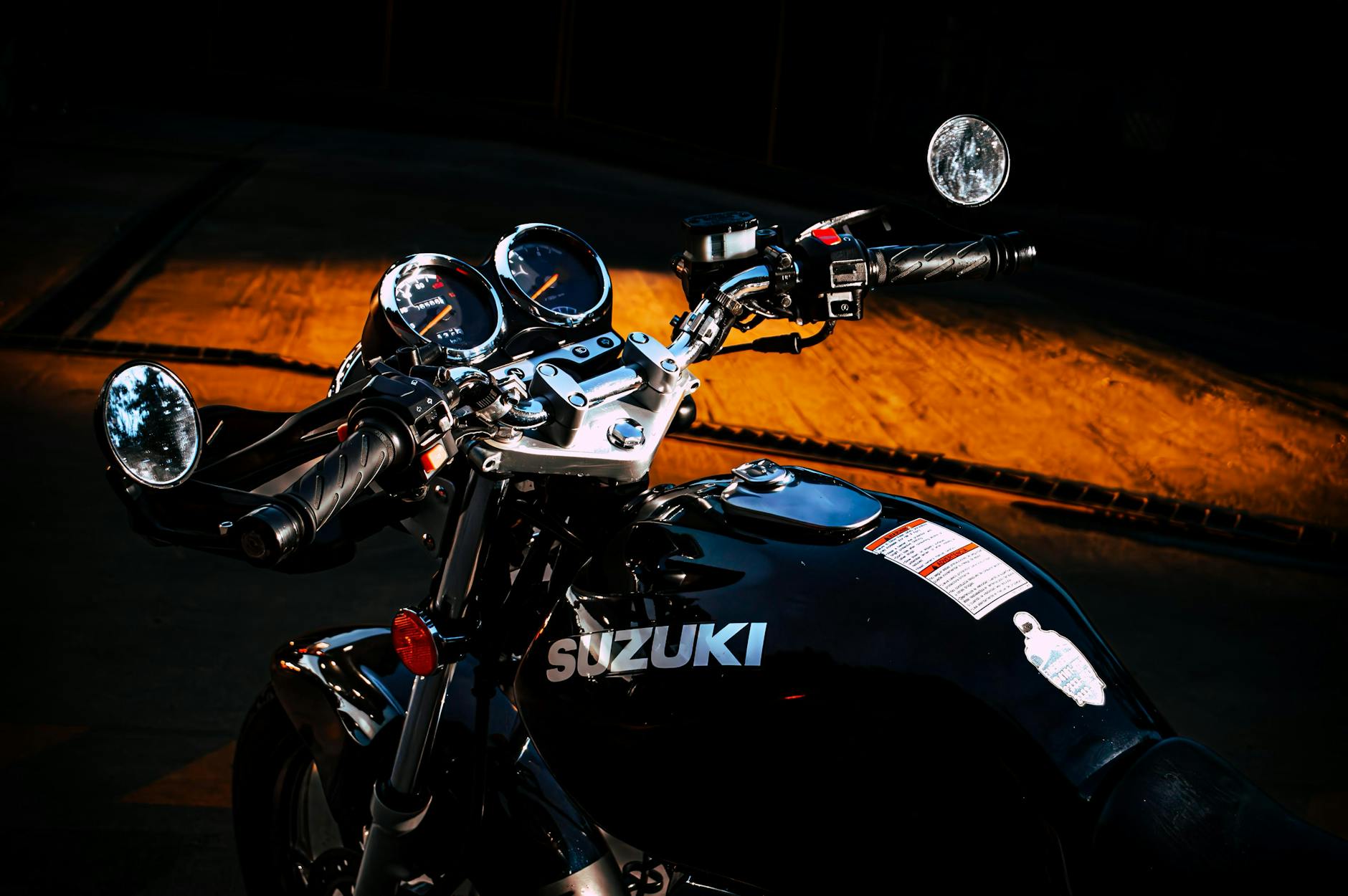
Suzuki Thunder 125
6.5/10
"Reliable urban workhorse, but know exactly what you're buying."
Pros
+Near-indestructible air-cooled engine
+Parts widely available cheaply
+Excellent urban fuel economy
Cons
−Genuinely useless on highways
−Cam chain tensioner concerns
−Frequently abused by owners
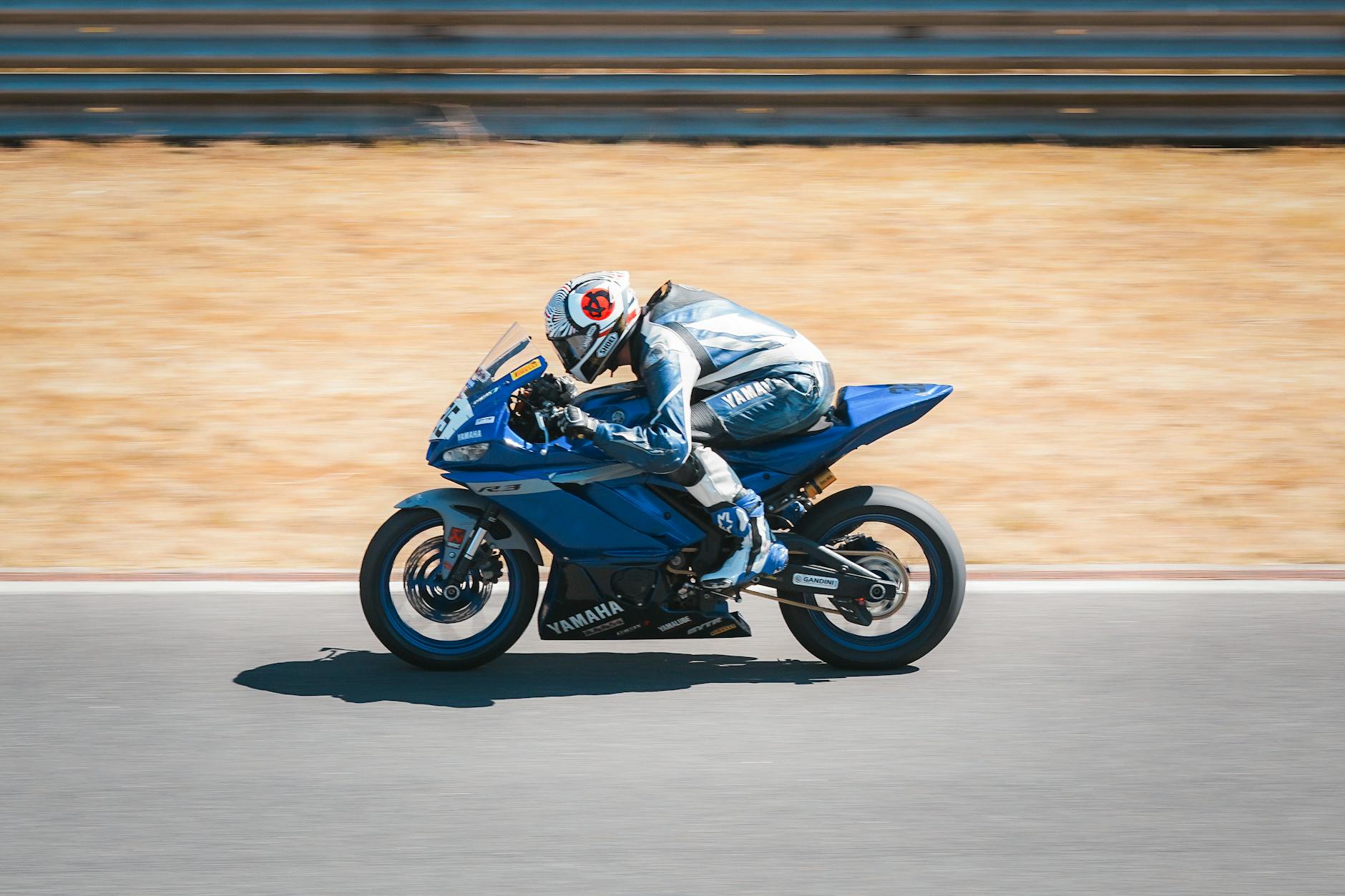
Yamaha Bolt R-spec
7.8/10
"A genuinely rewarding urban cruiser that rewards patient, style-conscious riders."
Pros
+Bulletproof reliability record
+Strong resale value retention
+Gorgeous factory finish quality
Cons
−Seat punishes longer rides
−Suspension undersprung for heavier riders
−No wind protection whatsoever
Top 10 Accessories
Picks that work on either bike.