Peugeot Django 150 vs Piaggio Fly 150
Side-by-side comparison for used motorcycle buyers
Peugeot Django 150 vs Piaggio Fly 150. Peugeot Django 150: ~11 hp @ 8,000 rpm (estimated) hp, ~138 kg (wet/curb weight) weight, top speed ~110 km/h (estimated), Motoryk rating 6.5/10. Piaggio Fly 150: 10.7 hp @ 8,250 rpm hp, 115 kg (wet/curb weight) weight, top speed 105 km/h, Motoryk rating 7.0/10.
Performance at a Glance
Green = winner per metric · Bars are relative to the higher value
Peugeot Django 150
Piaggio Fly 150
Horsepower (hp)
11 hp
10.7 hp
Torque (Nm)
12 Nm
10.3 Nm
Top Speed (km/h)
110 km/h
105 km/h
Weight (kg) — lower is better
138 kg
115 kg
Type
Scooter
Scooter
Horsepower
~11 hp @ 8,000 rpm (estimated)
10.7 hp @ 8,250 rpm
Torque
~12 Nm @ 6,500 rpm (estimated)
10.3 Nm @ 6,500 rpm
Top Speed
~110 km/h (estimated)
105 km/h
Weight
~138 kg (wet/curb weight)
115 kg (wet/curb weight)
Fuel
2.5 L/100km or approx. 40 km/L (estimated real-world average)
2.5 L/100km or approximately 40 km/L (typical real-world average)
Fairing
Yes
Yes
Individual Reviews
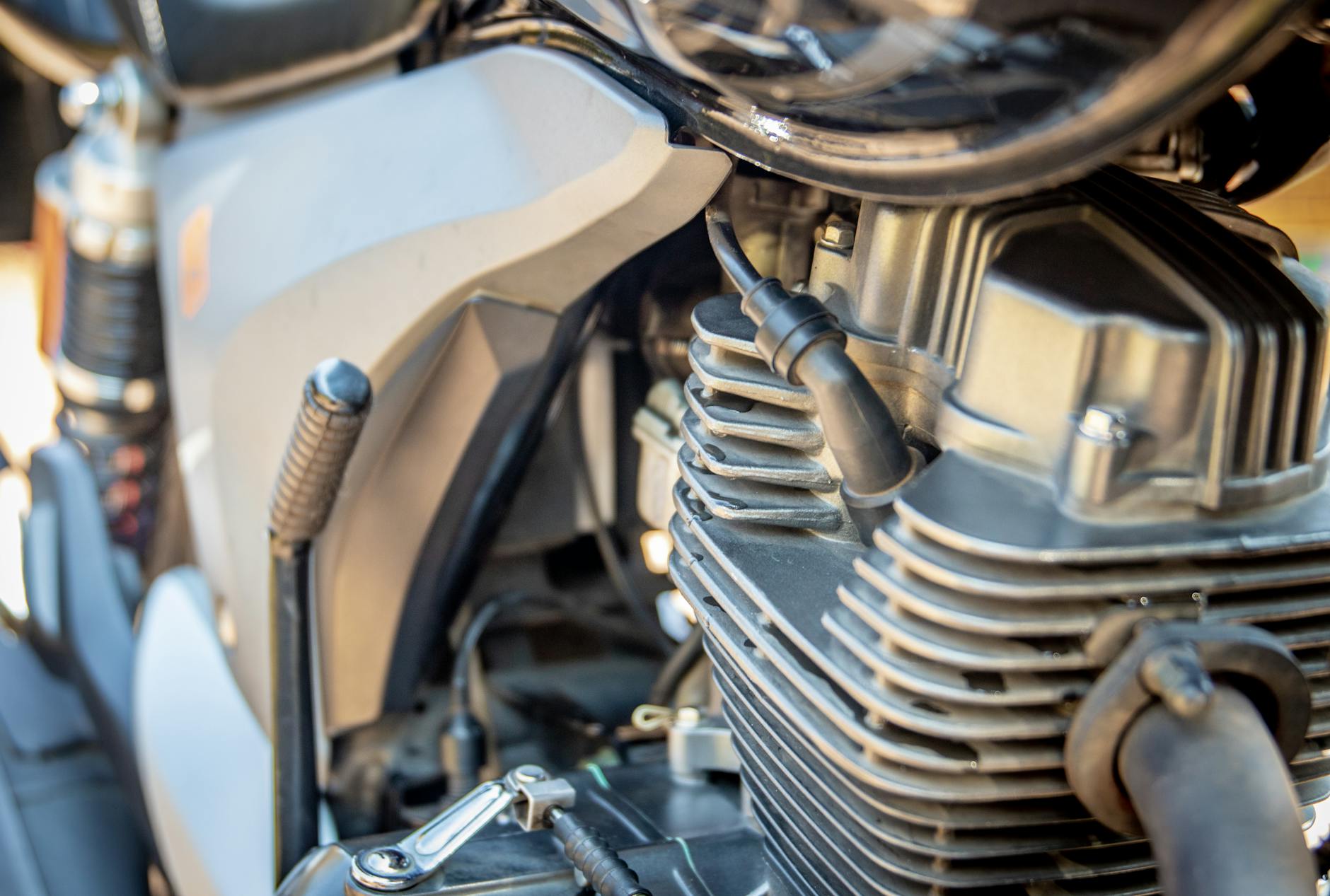
Peugeot Django 150
6.5/10
"A pretty city scooter hamstrung by near-invisible dealer support."
Pros
+Genuinely attractive retro styling
+Solid urban commuter capability
+Comfortable upright riding position
Cons
−Parts sourcing is nightmarish
−Weak dealer support network
−Highway performance genuinely lacking
Piaggio Fly 150
7.0/10
"A solid city scooter that rewards buyers who inspect carefully."
Pros
+Reliable Piaggio engine longevity
+Superior ride vs competitors
+Comfortable upright ergonomics
Cons
−Parts availability increasingly difficult
−Variator neglect very common
−Limited top-end speed
Top 10 Accessories
Picks that work on either bike.