Kawasaki Z E-1 vs Kawasaki Z125 Pro
Side-by-side comparison for used motorcycle buyers
Kawasaki Z E-1 vs Kawasaki Z125 Pro. Kawasaki Z E-1: 9 hp continuous / ~12 hp peak (Note: Kawasaki rates it at 6 kW continuous output) hp, 140 kg (curb weight, with dual battery pack) weight, top speed 100 km/h (estimated; restricted by design for A1 category), Motoryk rating 6.5/10. Kawasaki Z125 Pro: 9.7 hp @ 8,000 rpm hp, 102 kg (wet/curb weight) weight, top speed approx. 95–100 km/h, Motoryk rating 7.5/10.
Performance at a Glance
Green = winner per metric · Bars are relative to the higher value
Kawasaki Z E-1
Kawasaki Z125 Pro
Horsepower (hp)
9 hp
9.7 hp
Torque (Nm)
40 Nm
9.6 Nm
Top Speed (km/h)
100 km/h
— km/h
Weight (kg) — lower is better
140 kg
102 kg
Type
Naked
Naked
Horsepower
9 hp continuous / ~12 hp peak (Note: Kawasaki rates it at 6 kW continuous output)
9.7 hp @ 8,000 rpm
Torque
40 Nm (peak, from 0 rpm)
9.6 Nm @ 6,000 rpm
Top Speed
100 km/h (estimated; restricted by design for A1 category)
approx. 95–100 km/h
Weight
140 kg (curb weight, with dual battery pack)
102 kg (wet/curb weight)
Fuel
N/A – Electric (estimated ~40–50 Wh/km real-world consumption)
approx. 2.0–2.5 L/100km (40–50 km/L typical real-world average)
Fairing
No
No
Individual Reviews
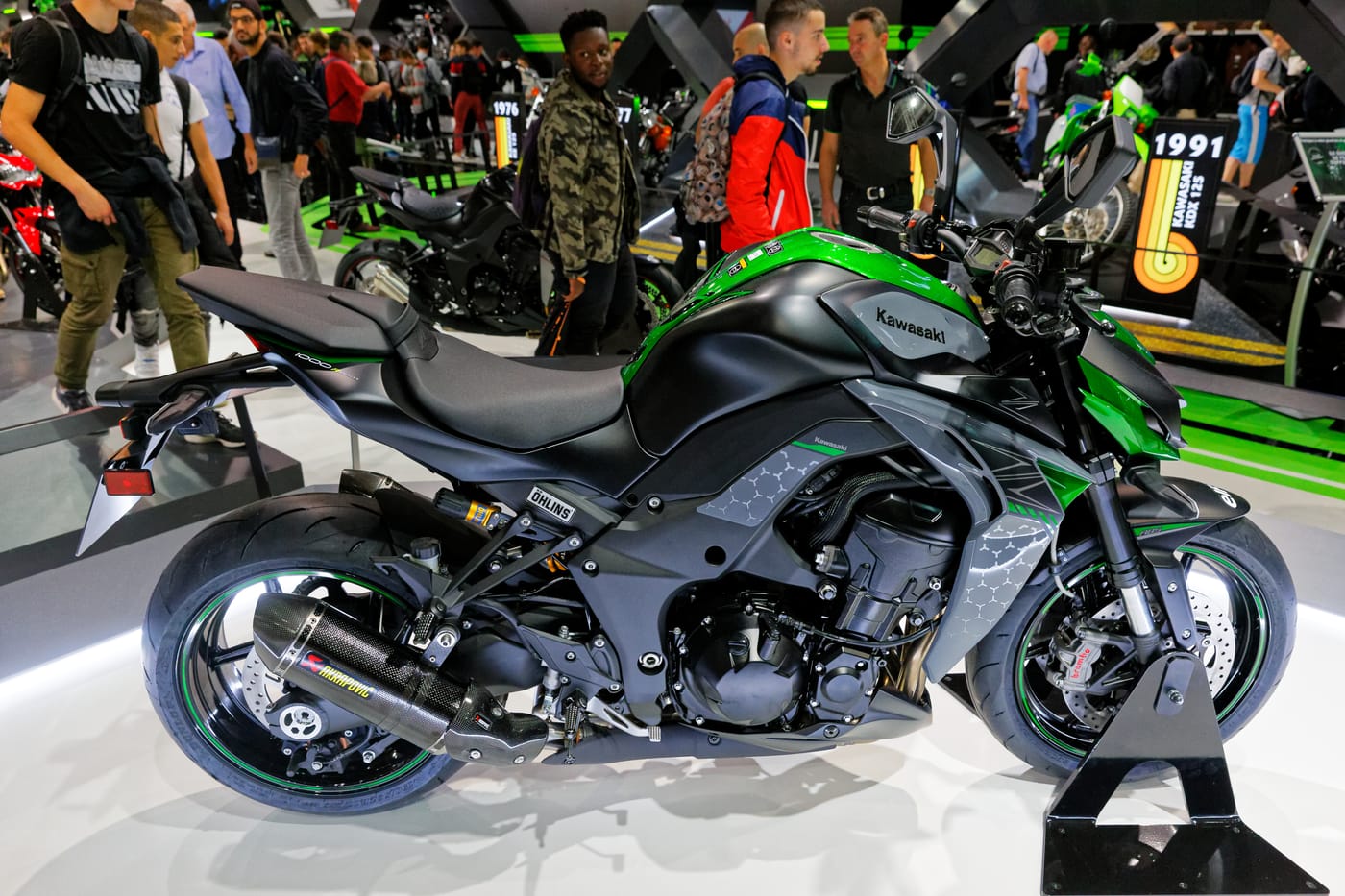
Kawasaki Z E-1
6.5/10
"A smart urban commuter buy if range anxiety won't break you."
Pros
+Removable battery is practical
+Smooth predictable power delivery
+Sharp Z-series styling
Cons
−Real-world range disappoints
−Slow charging times frustrating
−Battery health unknown used
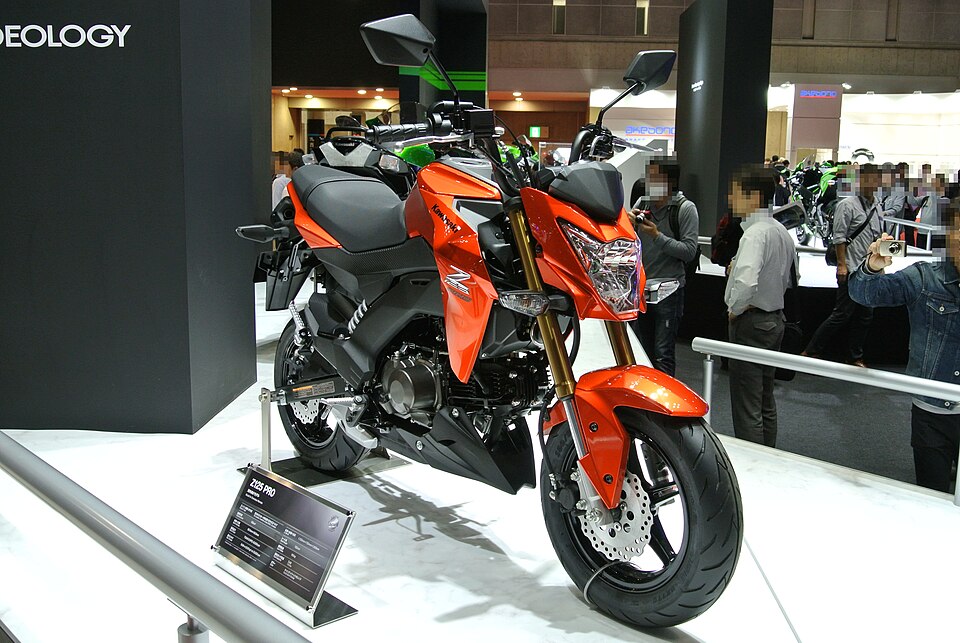
Kawasaki Z125 Pro
7.5/10
"The best $2,000 you'll spend learning to love motorcycles."
Pros
+Bulletproof fuel-injected engine
+Cheap parts and maintenance
+Genuinely fun at low speeds
Cons
−Useless above 60mph
−Tip-over damage on used examples
−Outgrown quickly by most riders
Top 10 Accessories
Picks that work on either bike.