Kawasaki Vulcan 2000 vs Honda Valkyrie 1800
Side-by-side comparison for used motorcycle buyers
Kawasaki Vulcan 2000 vs Honda Valkyrie 1800. Kawasaki Vulcan 2000: 103 hp @ 4,800 rpm hp, 359 kg (wet/curb weight) weight, top speed 185 km/h (estimated; limited by aerodynamics and gearing), Motoryk rating 7.5/10. Honda Valkyrie 1800: 118 hp @ 6,000 rpm (estimated, based on GL1800 platform; Honda quoted no official figure) hp, 380 kg (wet/curb weight) weight, top speed 185 km/h (estimated; Honda did not publish an official figure), Motoryk rating 8.5/10.
Performance at a Glance
Green = winner per metric · Bars are relative to the higher value
Kawasaki Vulcan 2000
Honda Valkyrie 1800
Horsepower (hp)
103 hp
118 hp
Torque (Nm)
175 Nm
167 Nm
Top Speed (km/h)
185 km/h
185 km/h
Weight (kg) — lower is better
359 kg
380 kg
Type
Cruiser
Cruiser
Horsepower
103 hp @ 4,800 rpm
118 hp @ 6,000 rpm (estimated, based on GL1800 platform; Honda quoted no official figure)
Torque
175 Nm @ 3,000 rpm
167 Nm @ 4,000 rpm
Top Speed
185 km/h (estimated; limited by aerodynamics and gearing)
185 km/h (estimated; Honda did not publish an official figure)
Weight
359 kg (wet/curb weight)
380 kg (wet/curb weight)
Fuel
7.5 L/100km (approximately 13.3 km/L) — estimated real-world average
7.5 L/100km (approx. 13.3 km/L) — estimated real-world average
Fairing
No
No
Individual Reviews
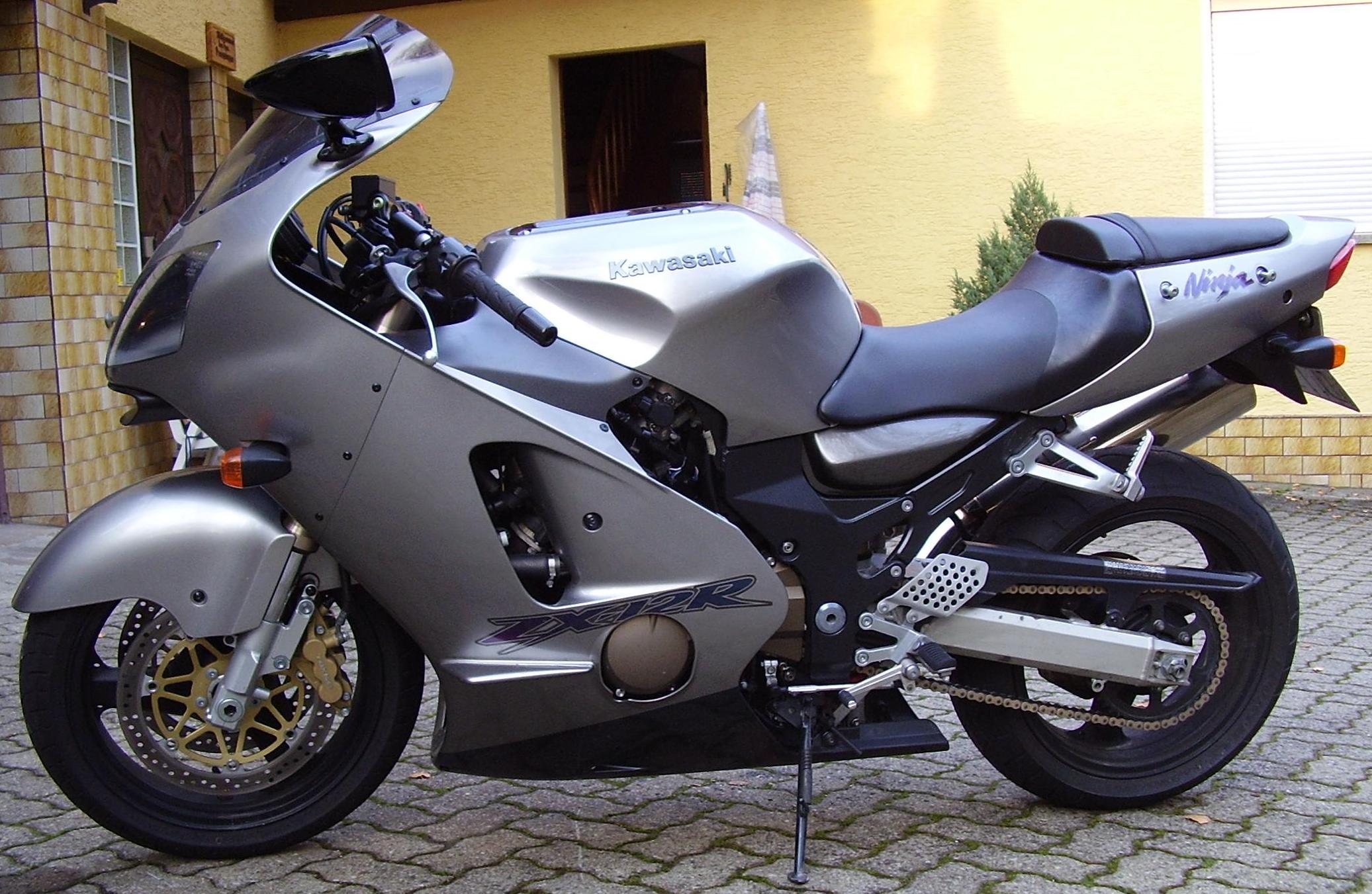
Kawasaki Vulcan 2000
7.5/10
"Serious muscle cruiser that rewards big, experienced riders willing to commit."
Pros
+Monstrous torque, effortless cruising
+Japanese reliability, solid engineering
+Strong used value proposition
Cons
−Brutally heavy, unwieldy low-speed
−Thirsty, expect 35mpg
−Limited aftermarket support
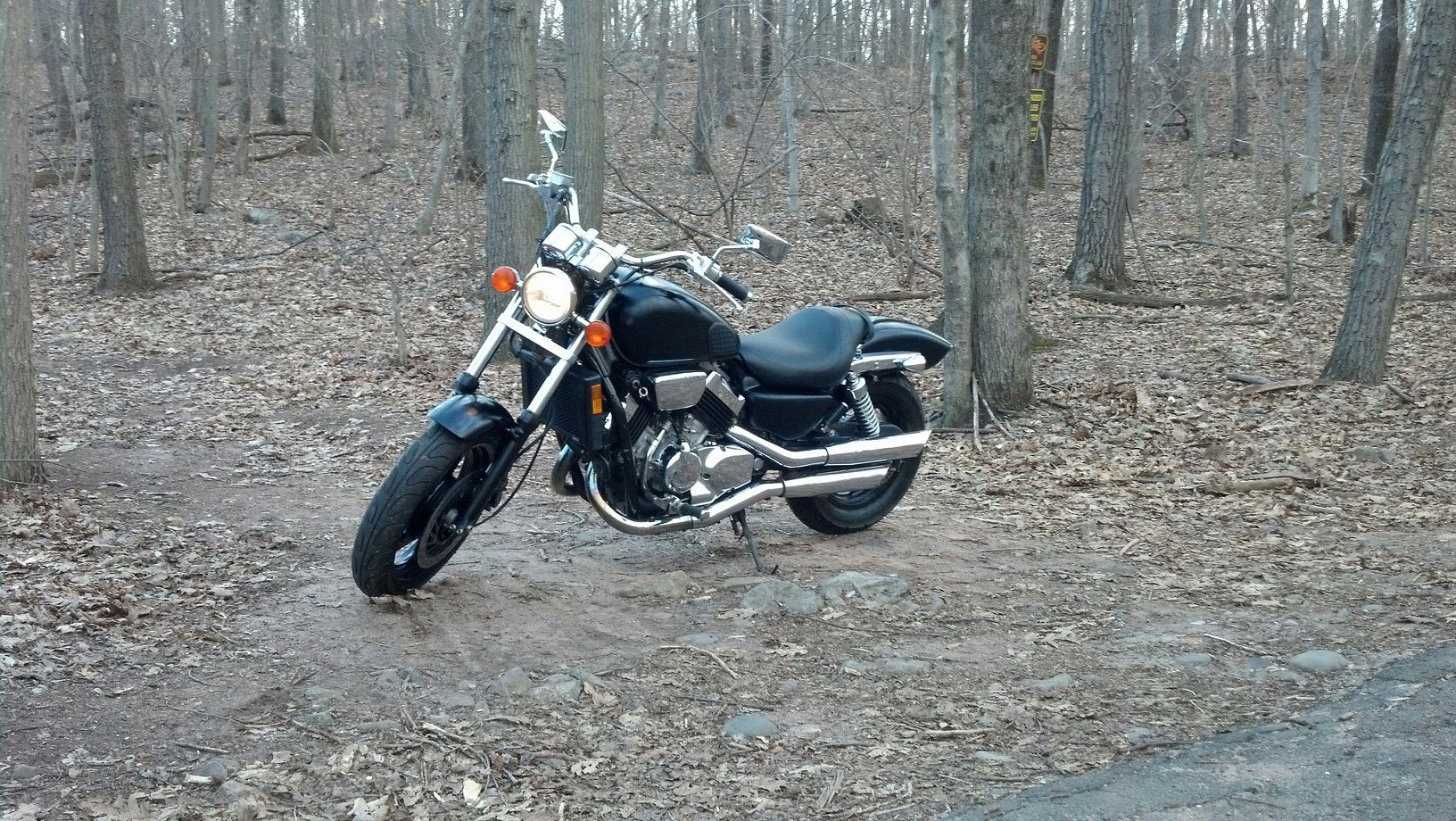
Honda Valkyrie 1800
8.5/10
"The most characterful cruiser Honda ever built, full stop."
Pros
+Indestructible flat-six engine
+Exceptional highway stability
+Incredible torque delivery
Cons
−Seriously heavy low-speed handling
−Carburetor issues after storage
−Parts availability can frustrate
Top 10 Accessories
Picks that work on either bike.