Kawasaki Klx 300 vs Yamaha Xt 660
Side-by-side comparison for used motorcycle buyers
Kawasaki Klx 300 vs Yamaha Xt 660. Kawasaki Klx 300: 21 hp @ 8,000 rpm (estimated; Kawasaki does not officially publish power figures for this model) hp, 134 kg (wet/curb weight) weight, top speed 135 km/h (estimated; note: varies by rider weight and conditions), Motoryk rating 8.0/10. Yamaha Xt 660: 48 hp @ 6,000 rpm hp, 179 kg (wet/curb weight) weight, top speed 165 km/h, Motoryk rating 7.5/10.
Performance at a Glance
Green = winner per metric · Bars are relative to the higher value
Kawasaki Klx 300
Yamaha Xt 660
Horsepower (hp)
21 hp
48 hp
Torque (Nm)
23 Nm
60 Nm
Top Speed (km/h)
135 km/h
165 km/h
Weight (kg) — lower is better
134 kg
179 kg
Type
Dual-sport
Dual-sport
Horsepower
21 hp @ 8,000 rpm (estimated; Kawasaki does not officially publish power figures for this model)
48 hp @ 6,000 rpm
Torque
23 Nm @ 6,500 rpm (estimated; Kawasaki does not officially publish torque figures for this model)
60 Nm @ 5,250 rpm
Top Speed
135 km/h (estimated; note: varies by rider weight and conditions)
165 km/h
Weight
134 kg (wet/curb weight)
179 kg (wet/curb weight)
Fuel
3.5 L/100km or approximately 28.5 km/L (typical real-world average)
4.5 L/100km (approx. 22 km/L typical real-world average)
Fairing
No
No
Individual Reviews
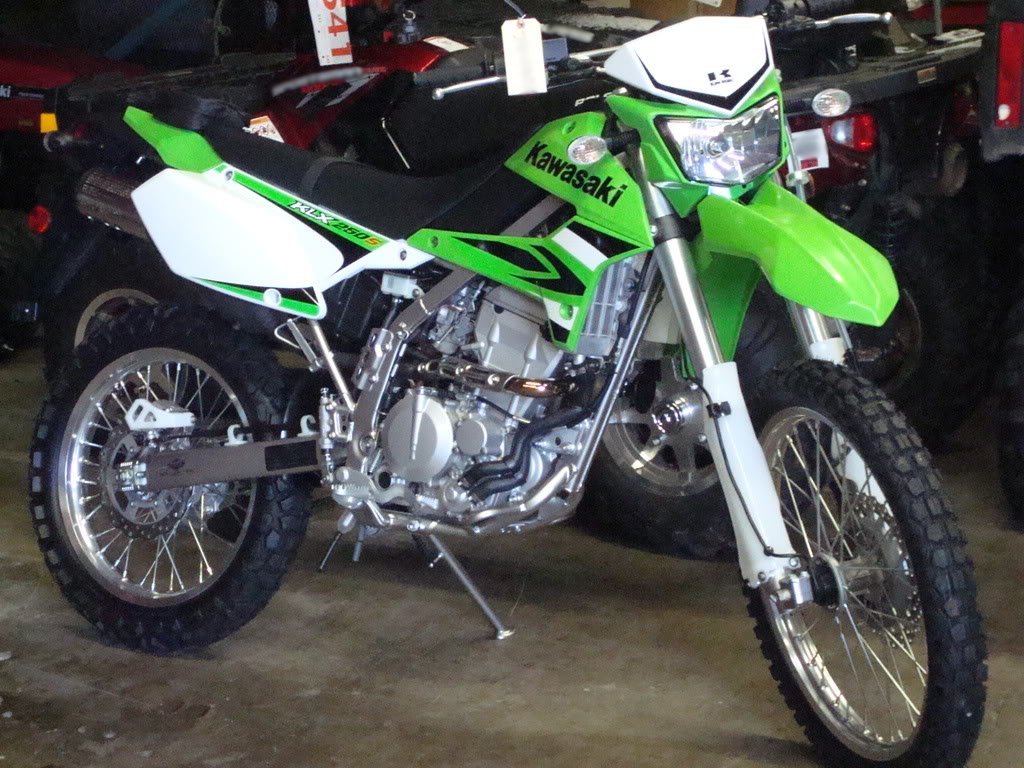
Kawasaki Klx 300
8.0/10
"A genuinely capable dual-sport that rarely disappoints experienced or newer riders."
Pros
+Bulletproof fuel-injected engine
+Confidence-inspiring suspension tuning
+Low maintenance requirements overall
Cons
−Stubbornly holds resale value
−Limited wind protection touring
−Fork seals wear predictably

Yamaha Xt 660
7.5/10
"A dependable workhorse that rewards sensible buyers willing to inspect carefully."
Pros
+Bulletproof engine longevity
+Excellent upright riding position
+Spoked wheels tubeless-convertible
Cons
−Valve clearances often neglected
−Fuel tap O-rings fail
−Uninspiring highway performance
Top 10 Accessories
Picks that work on either bike.

