Kawasaki Brute Force 750 vs Kawasaki Z800
Side-by-side comparison for used motorcycle buyers
Kawasaki Brute Force 750 vs Kawasaki Z800. Kawasaki Brute Force 750: ~46 hp @ 6,500 rpm (estimated; Kawasaki does not officially publish power figures for this model) hp, ~297 kg (wet/curb weight) weight, top speed ~105 km/h (estimated; note: this is an ATV, not a motorcycle), Motoryk rating 8.0/10. Kawasaki Z800: 113 hp @ 10,200 rpm hp, 231 kg (wet/curb weight) weight, top speed 225 km/h, Motoryk rating 8.0/10.
Performance at a Glance
Green = winner per metric · Bars are relative to the higher value
Kawasaki Brute Force 750
Kawasaki Z800
Horsepower (hp)
46 hp
113 hp
Torque (Nm)
62 Nm
83 Nm
Top Speed (km/h)
105 km/h
225 km/h
Weight (kg) — lower is better
297 kg
231 kg
Type
Naked
Naked
Horsepower
~46 hp @ 6,500 rpm (estimated; Kawasaki does not officially publish power figures for this model)
113 hp @ 10,200 rpm
Torque
~62 Nm @ 5,500 rpm (estimated; official figures not published by Kawasaki)
83 Nm @ 8,000 rpm
Top Speed
~105 km/h (estimated; note: this is an ATV, not a motorcycle)
225 km/h
Weight
~297 kg (wet/curb weight)
231 kg (wet/curb weight)
Fuel
~11–14 L/100km (estimated real-world average under mixed riding conditions)
6.0–7.5 L/100km (typical real-world average)
Fairing
No
No
Individual Reviews
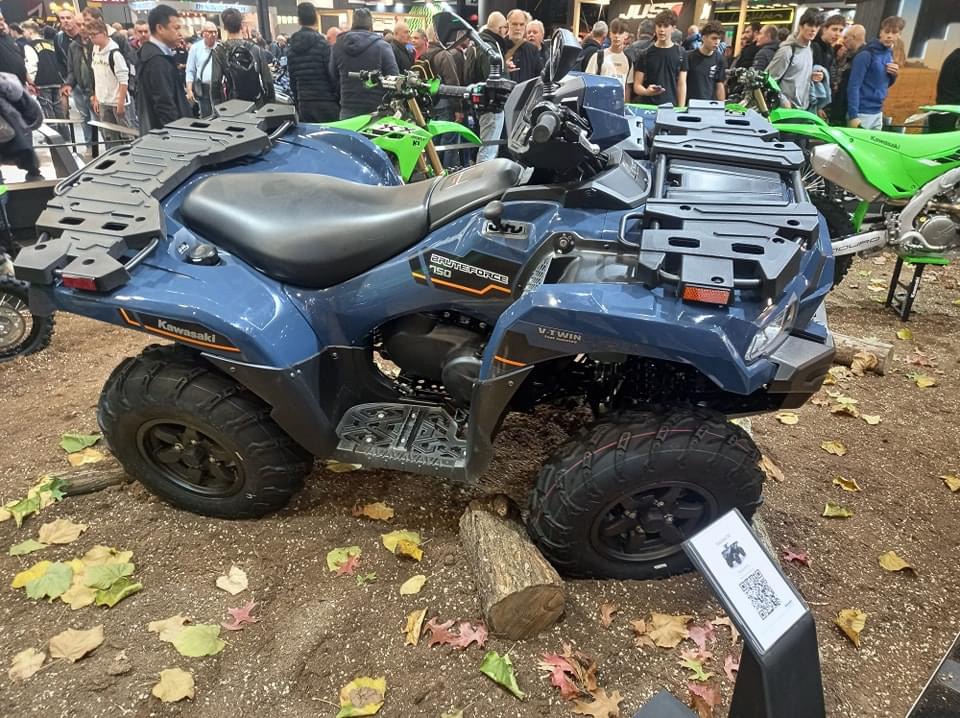
Kawasaki Brute Force 750
8.0/10
"Tough, capable, and forgiving — if the previous owner cared."
Pros
+Bulletproof V-twin engine
+Strong low-end torque
+Excellent parts availability
Cons
−Front diff neglect is common
−CVT belt wears fast
−Heavy for tight trails
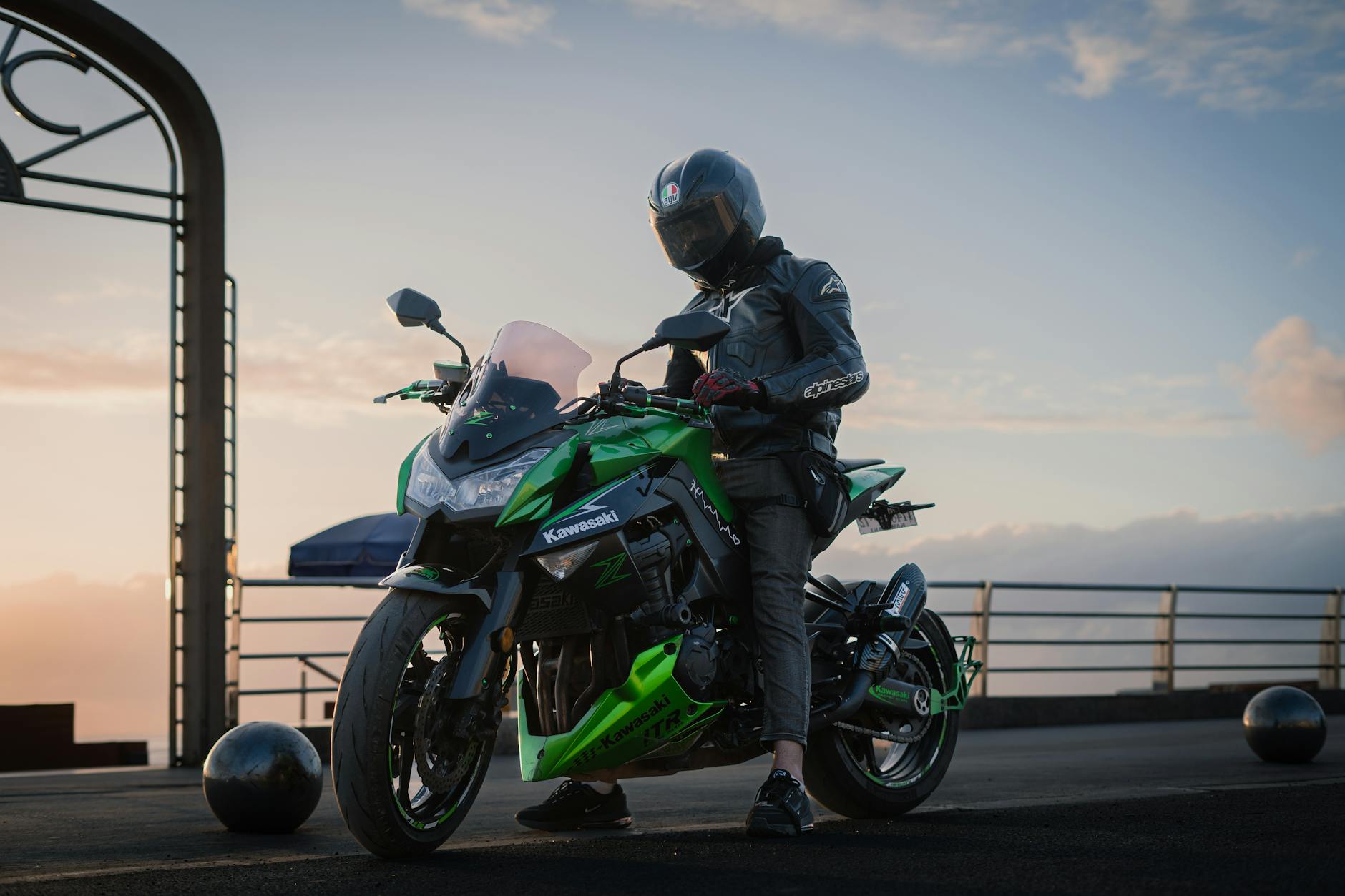
Kawasaki Z800
8.0/10
"A brilliantly balanced naked that rewards experienced riders without punishing beginners."
Pros
+Addictive inline-four character
+Flickable, confidence-inspiring chassis
+Parts widely available cheap
Cons
−Vibes above 9k rpm
−Fuel economy underwhelming
−No traction control fitted
Top 10 Accessories
Picks that work on either bike.


