Honda Rebel 1100 Dct vs Kawasaki Vulcan S
Side-by-side comparison for used motorcycle buyers
Honda Rebel 1100 Dct vs Kawasaki Vulcan S. Honda Rebel 1100 Dct: 87 hp @ 7,000 rpm hp, 233 kg (curb weight with DCT) weight, top speed 190 km/h (estimated), Motoryk rating 8.0/10. Kawasaki Vulcan S: 61 hp @ 7,500 rpm hp, 228 kg (wet/curb weight) weight, top speed 185 km/h (estimated), Motoryk rating 7.5/10.
Performance at a Glance
Green = winner per metric · Bars are relative to the higher value
Honda Rebel 1100 Dct
Kawasaki Vulcan S
Horsepower (hp)
87 hp
61 hp
Torque (Nm)
98 Nm
63 Nm
Top Speed (km/h)
190 km/h
185 km/h
Weight (kg) — lower is better
233 kg
228 kg
Type
Cruiser
Cruiser
Horsepower
87 hp @ 7,000 rpm
61 hp @ 7,500 rpm
Torque
98 Nm @ 4,750 rpm
63 Nm @ 6,600 rpm
Top Speed
190 km/h (estimated)
185 km/h (estimated)
Weight
233 kg (curb weight with DCT)
228 kg (wet/curb weight)
Fuel
5.5 L/100km (approx. 18.2 km/L typical real-world average)
4.5 L/100km (approx. 22 km/L typical real-world average)
Fairing
No
No
Individual Reviews
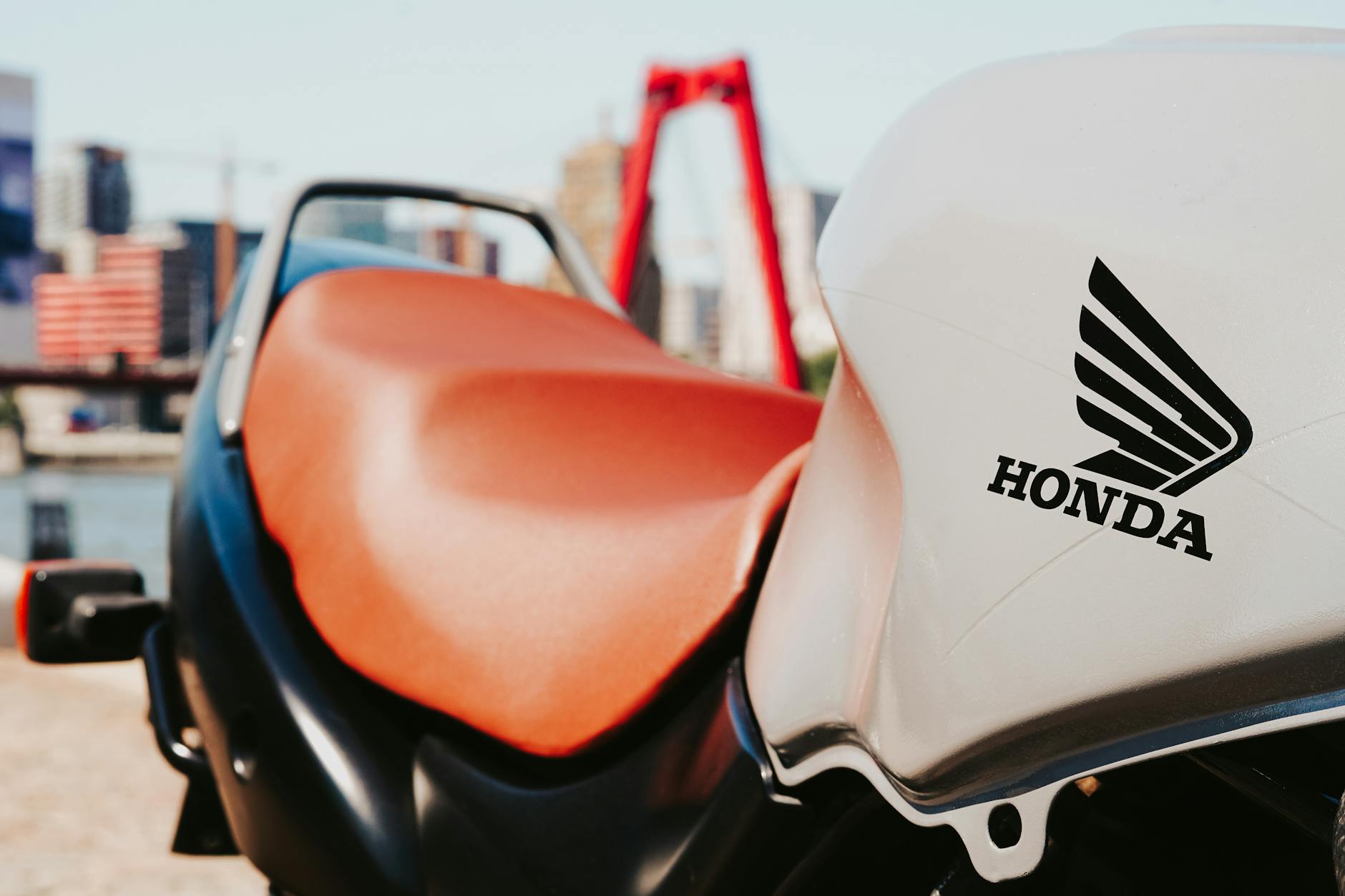
Honda Rebel 1100 Dct
8.0/10
"The most accessible big-twin cruiser that won't embarrass you anywhere."
Pros
+Torquey twin from idle
+DCT genuinely transforms commuting
+Honda reliability track record
Cons
−Soft suspension limits sporty riding
−DCT adds complexity and cost
−Exhaust scrapes easily when lowered
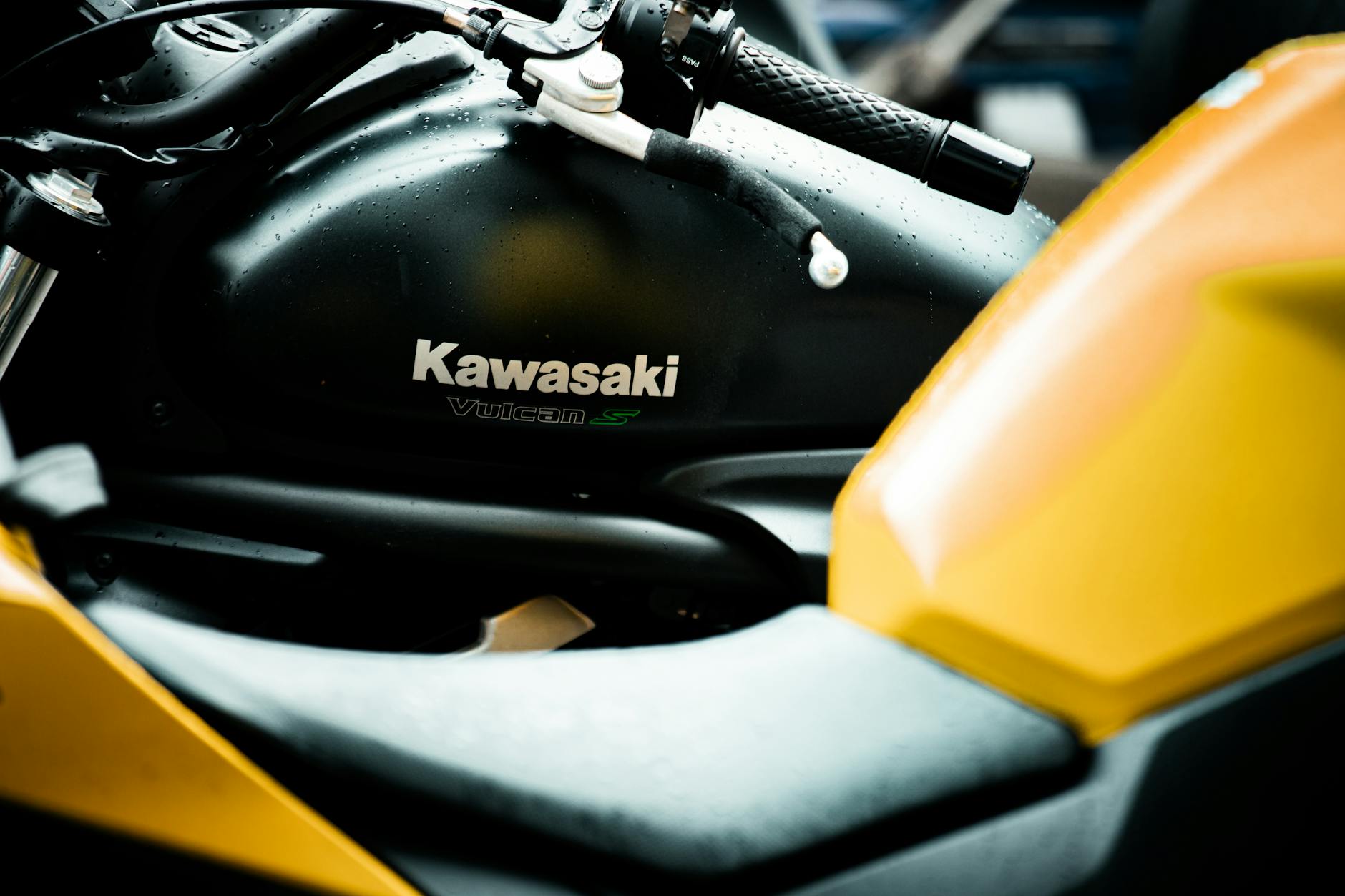
Kawasaki Vulcan S
7.5/10
"The sensible cruiser that actually makes mechanical sense used."
Pros
+Adjustable ergonomics suit everyone
+Parallel-twin engine lives forever
+Low maintenance belt drive
Cons
−Stock seat punishes longer rides
−Styling divides opinion sharply
−Low resale value retention
Top 10 Accessories
Picks that work on either bike.