Honda Rebel 1100 Dct vs Kawasaki Vulcan 900
Side-by-side comparison for used motorcycle buyers
Honda Rebel 1100 Dct vs Kawasaki Vulcan 900. Honda Rebel 1100 Dct: 87 hp @ 7,000 rpm hp, 233 kg (curb weight with DCT) weight, top speed 190 km/h (estimated), Motoryk rating 8.0/10. Kawasaki Vulcan 900: 50 hp @ 6,000 rpm (estimated; Kawasaki does not officially publish output figures for this model) hp, 272 kg (wet/curb weight) weight, top speed 175 km/h (estimated; note: governed more by wind resistance than engine limits), Motoryk rating 7.5/10.
Performance at a Glance
Green = winner per metric · Bars are relative to the higher value
Honda Rebel 1100 Dct
Kawasaki Vulcan 900
Horsepower (hp)
87 hp
50 hp
Torque (Nm)
98 Nm
76 Nm
Top Speed (km/h)
190 km/h
175 km/h
Weight (kg) — lower is better
233 kg
272 kg
Type
Cruiser
Cruiser
Horsepower
87 hp @ 7,000 rpm
50 hp @ 6,000 rpm (estimated; Kawasaki does not officially publish output figures for this model)
Torque
98 Nm @ 4,750 rpm
76 Nm @ 3,500 rpm
Top Speed
190 km/h (estimated)
175 km/h (estimated; note: governed more by wind resistance than engine limits)
Weight
233 kg (curb weight with DCT)
272 kg (wet/curb weight)
Fuel
5.5 L/100km (approx. 18.2 km/L typical real-world average)
5.2 L/100km (approx. 19.2 km/L typical real-world average)
Fairing
No
No
Individual Reviews
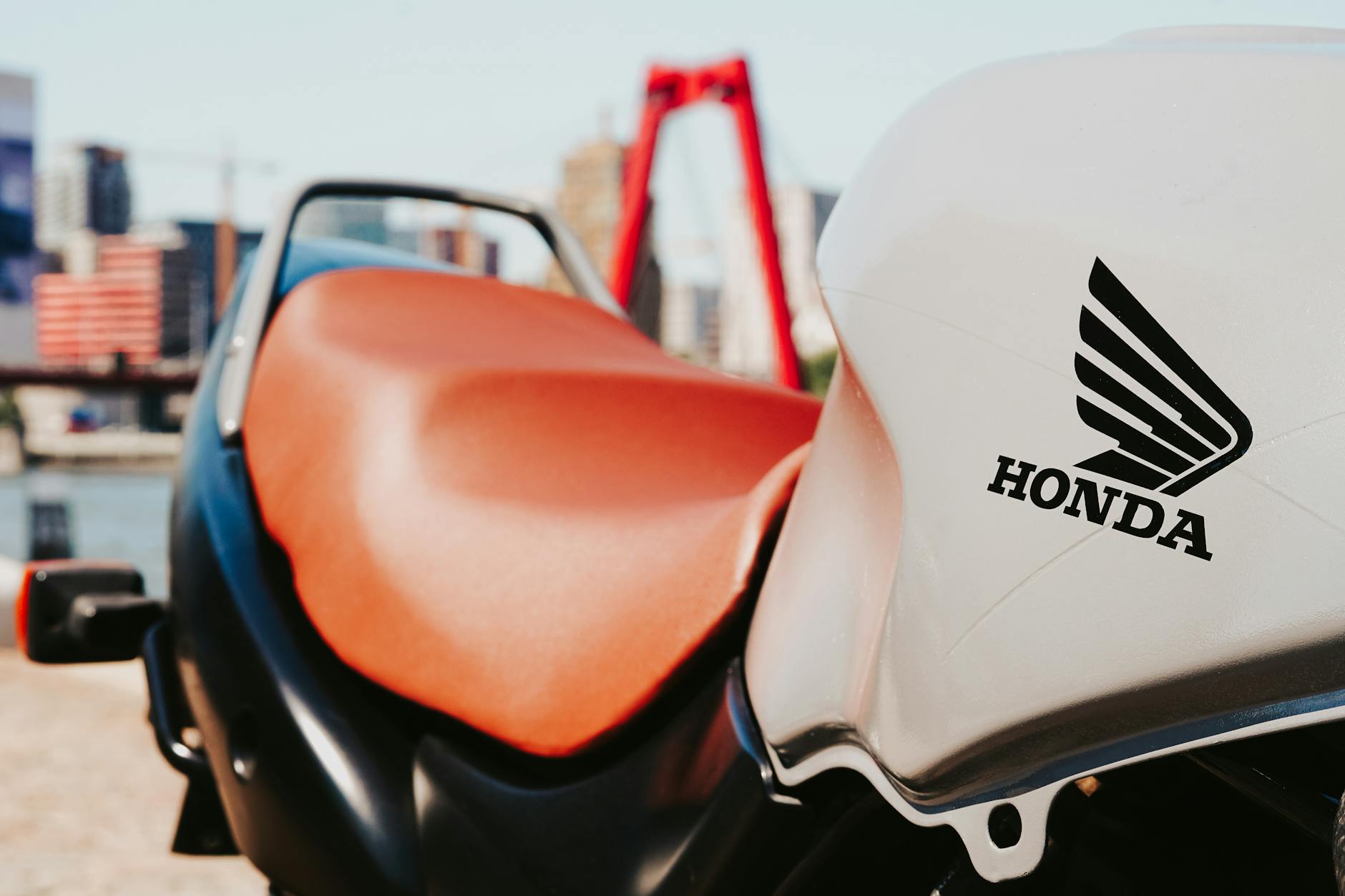
Honda Rebel 1100 Dct
8.0/10
"The most accessible big-twin cruiser that won't embarrass you anywhere."
Pros
+Torquey twin from idle
+DCT genuinely transforms commuting
+Honda reliability track record
Cons
−Soft suspension limits sporty riding
−DCT adds complexity and cost
−Exhaust scrapes easily when lowered
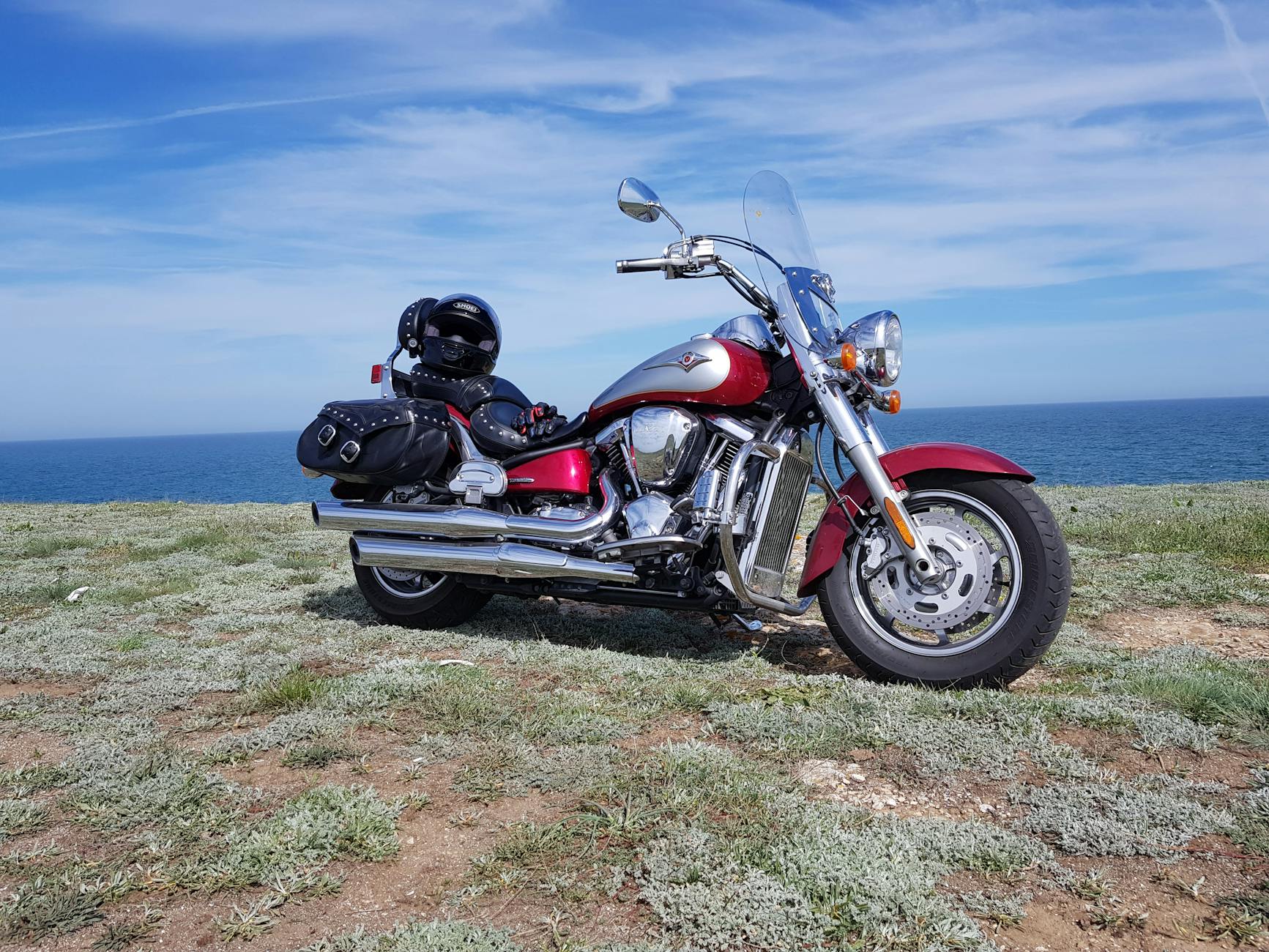
Kawasaki Vulcan 900
7.5/10
"Dependable, honest cruiser that punches above its used asking price."
Pros
+Near-indestructible engine reliability
+Comfortable upright riding position
+Affordable used market pricing
Cons
−Wallowy at highway speeds
−Stock seat punishes long rides
−Chrome quality disappoints over time
Top 10 Accessories
Picks that work on either bike.