Honda Crossrunner 800 vs Honda Africa Twin
Side-by-side comparison for used motorcycle buyers
Honda Crossrunner 800 vs Honda Africa Twin. Honda Crossrunner 800: 102 hp @ 10,250 rpm hp, 228 kg (wet/curb weight) weight, top speed 220 km/h (estimated), Motoryk rating 7.5/10. Honda Africa Twin: 102 hp @ 7,500 rpm (CRF1100L, 2020–present) hp, 226 kg (curb weight, standard CRF1100L; DCT version is approximately 232 kg) weight, top speed 200 km/h (estimated; note: manufacturer does not officially publish top speed), Motoryk rating 8.5/10.
Performance at a Glance
Green = winner per metric · Bars are relative to the higher value
Honda Crossrunner 800
Honda Africa Twin
Horsepower (hp)
102 hp
102 hp
Torque (Nm)
80 Nm
105 Nm
Top Speed (km/h)
220 km/h
200 km/h
Weight (kg) — lower is better
228 kg
226 kg
Type
Adventure
Adventure
Horsepower
102 hp @ 10,250 rpm
102 hp @ 7,500 rpm (CRF1100L, 2020–present)
Torque
80 Nm @ 8,500 rpm
105 Nm @ 6,250 rpm (CRF1100L, 2020–present)
Top Speed
220 km/h (estimated)
200 km/h (estimated; note: manufacturer does not officially publish top speed)
Weight
228 kg (wet/curb weight)
226 kg (curb weight, standard CRF1100L; DCT version is approximately 232 kg)
Fuel
5.5 L/100km (approximately 18 km/L, typical real-world average)
5.5–6.5 L/100km (approximately 15–18 km/L, real-world average for CRF1100L)
Fairing
Yes
Yes
Individual Reviews

Honda Crossrunner 800
7.5/10
"The sensible rider's V4 — unglamorous, unbreakable, surprisingly satisfying."
Pros
+Bulletproof VFR-derived V4
+Genuinely practical daily rider
+Excellent long-distance comfort
Cons
−Pre-2015 fuelling can stumble
−Lacks real adventure bike excitement
−Valve checks often skipped
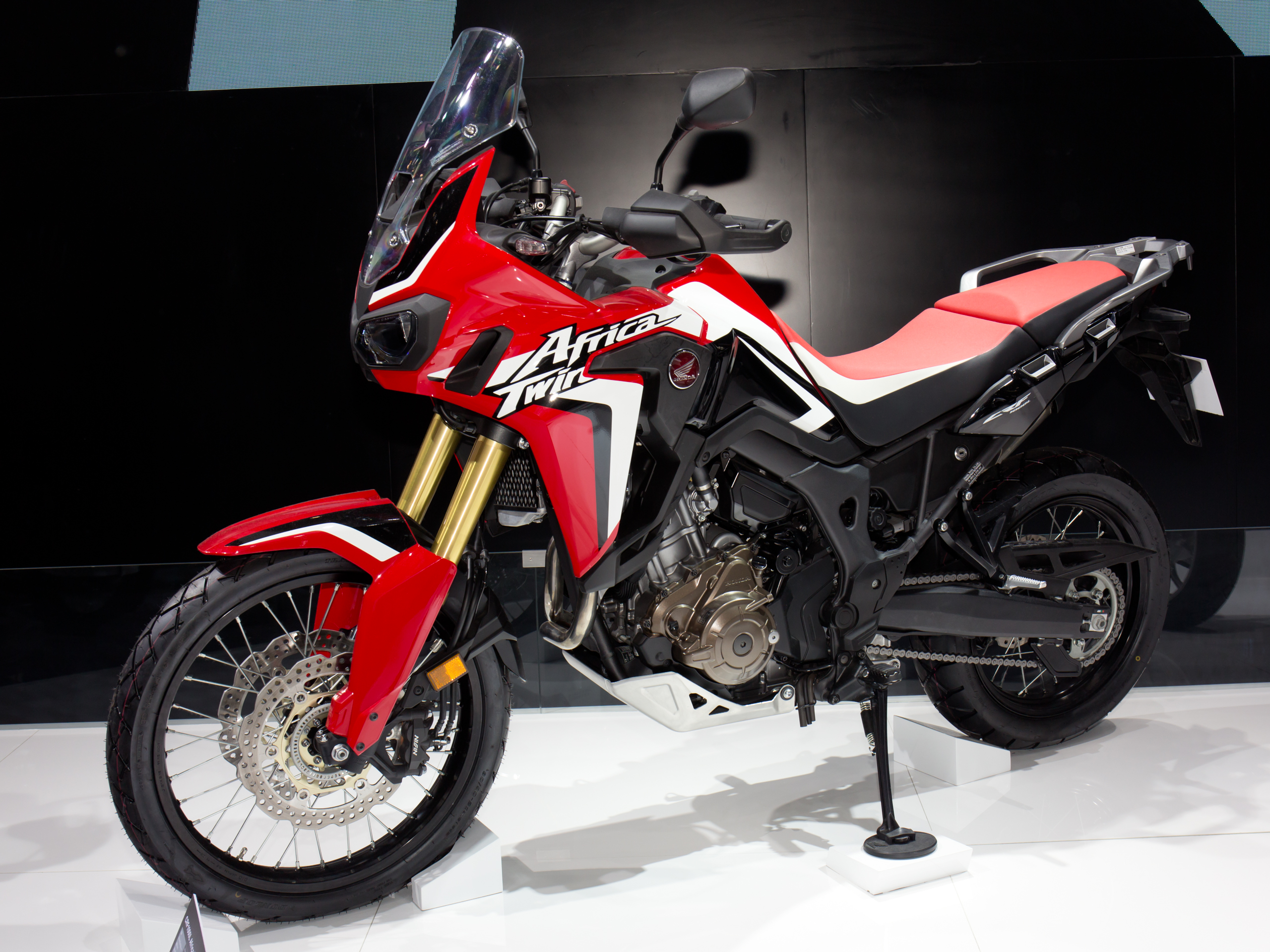
Honda Africa Twin
8.5/10
"The benchmark adventure bike that actually earns its mud-splattered reputation."
Pros
+Bulletproof engine reliability
+Genuinely capable off-road
+Comfortable long-distance ergonomics
Cons
−DCT servicing gets expensive
−Heavy for tight singletrack
−Spoke wheels need attention
Top 10 Accessories
Picks that work on either bike.