Bajaj Chetak Electric vs Yamaha E01
Side-by-side comparison for used motorcycle buyers
Bajaj Chetak Electric vs Yamaha E01. Bajaj Chetak Electric: 4 hp (3 kW) continuous; approximately 5.5 hp (4.08 kW) peak hp, 118 kg (curb weight) weight, top speed 73 km/h, Motoryk rating 6.8/10. Yamaha E01: ~9.6 hp (7.2 kW continuous, estimated) hp, ~180 kg (estimated wet/curb weight) weight, top speed ~100 km/h (estimated, prototype spec), Motoryk rating 6.0/10.
Performance at a Glance
Green = winner per metric · Bars are relative to the higher value
Bajaj Chetak Electric
Yamaha E01
Horsepower (hp)
4 hp
9.6 hp
Torque (Nm)
16 Nm
30 Nm
Top Speed (km/h)
73 km/h
100 km/h
Weight (kg) — lower is better
118 kg
180 kg
Type
Electric
Electric
Horsepower
4 hp (3 kW) continuous; approximately 5.5 hp (4.08 kW) peak
~9.6 hp (7.2 kW continuous, estimated)
Torque
16 Nm @ 0 rpm (instant torque, electric motor)
~30 Nm (estimated peak motor output)
Top Speed
73 km/h
~100 km/h (estimated, prototype spec)
Weight
118 kg (curb weight)
~180 kg (estimated wet/curb weight)
Fuel
N/A — Electric vehicle; energy consumption approximately 25–30 Wh/km (real-world estimate)
N/A – electric; estimated ~5-6 kWh/100km (estimated)
Fairing
Yes
Yes
Individual Reviews
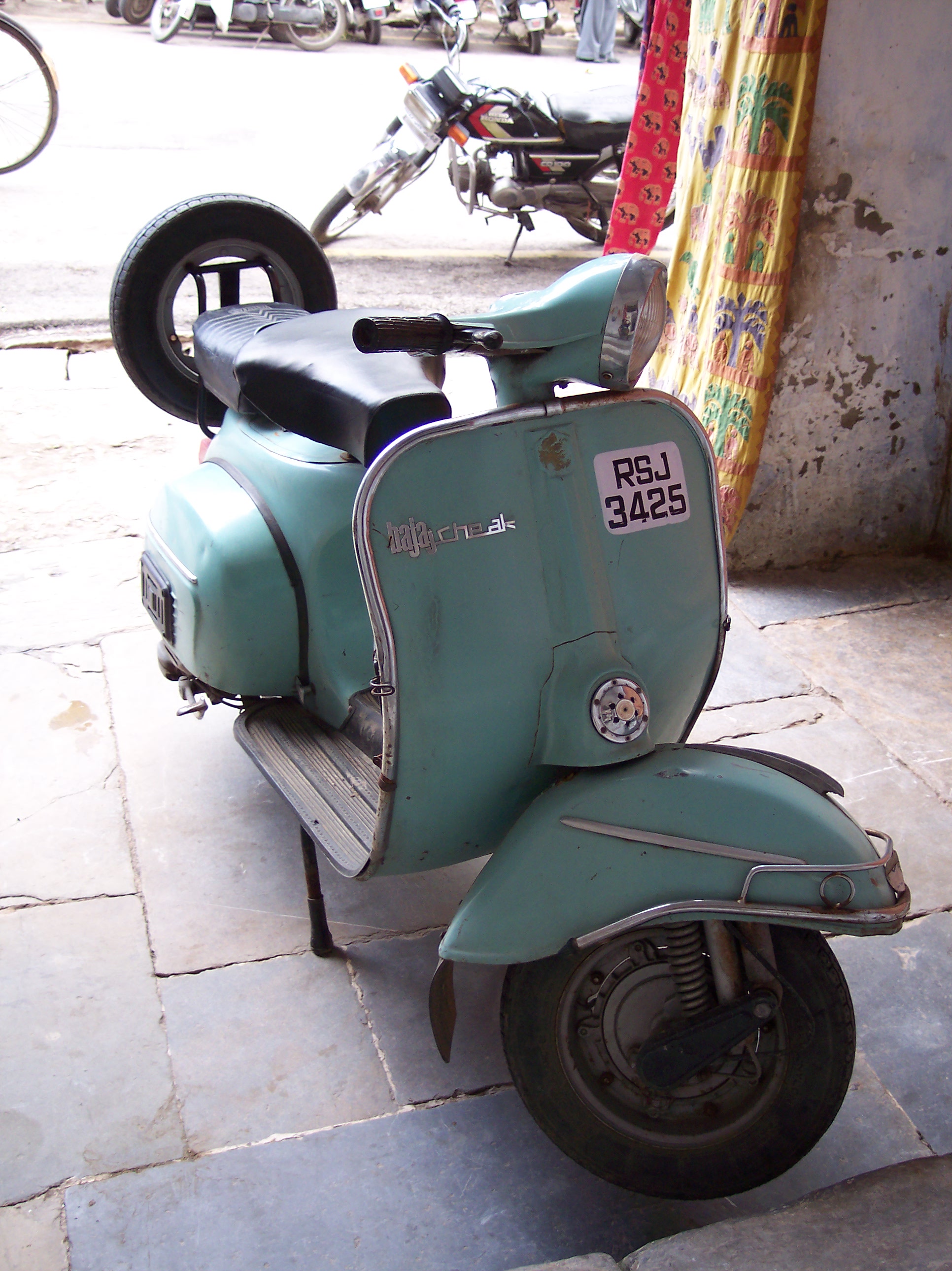
Bajaj Chetak Electric
6.8/10
"Charming urban scooter that demands careful pre-purchase battery inspection."
Pros
+Excellent build quality overall
+IP67 water resistance rating
+Low, confidence-inspiring center of gravity
Cons
−Thin dealer and parts network
−Real range disappoints vs claims
−Avoid pre-2022 software gremlins

Yamaha E01
6.0/10
"Fascinating urban commuter, but the support vacuum makes ownership genuinely risky."
Pros
+Buttery smooth power delivery
+Excellent build quality throughout
+Near-silent urban commuting
Cons
−Virtually no dealer support
−Limited real-world range
−Orphan platform, parts nightmare
Top 10 Accessories
Picks that work on either bike.


