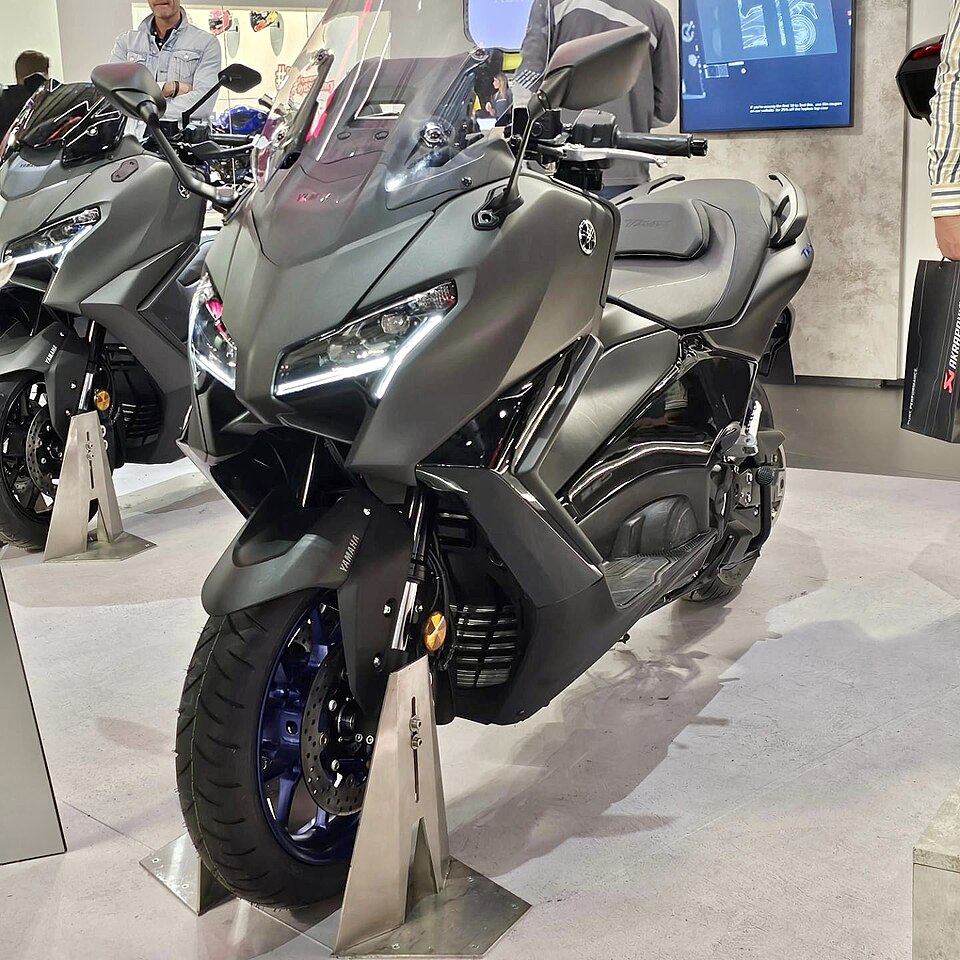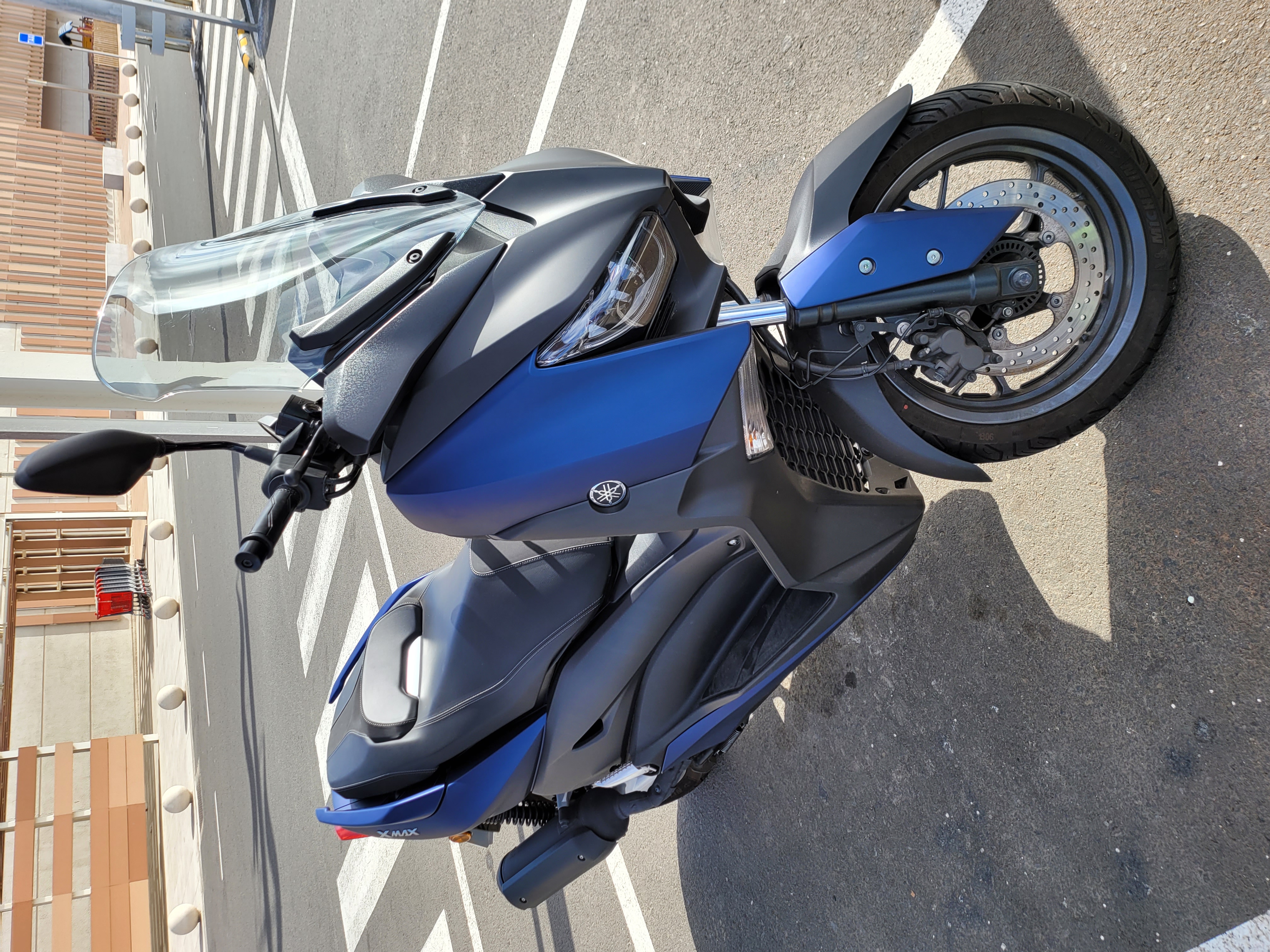
Yamaha Xmax 250
The Yamaha Xmax 250 has a top speed of 135 km/h, produces 20 hp and weighs 179 kg. Motoryk rates it 7.5/10.
The Yamaha X-MAX 250 was introduced in 2005 as a premium maxi-scooter targeting urban commuters and touring riders seeking comfort and practicality. It underwent significant generational updates in 2010, 2014, and 2017, each bringing improved styling, fuel injection, and enhanced features such as ABS and traction control. It became one of the best-selling 250cc scooters globally, praised for its blend of sporty aesthetics, under-seat storage, and highway-capable performance.
20 hp
Power
23.4 Nm
Torque
179 kg
Weight
135 km/h
Top Speed
3.5 L/100km or approx. 28 km/L (typical real-world average)
Fuel
Faired
Body
🔧 Service Schedule & Parts
Affiliate · we may earn| Service item | Every | Typical cost | Parts |
|---|---|---|---|
| 🛢️ Engine oil + oil filter | 3,000 km / 2,000 mi or 6 mo | $30-60 | 🛢️ Buy → ⚙️ Buy → |
| 🌬️ Air filter | 12,000 km / 7,500 mi | — | 🌬️ Buy → |
| ⚡ Spark plugs | 12,000 km / 7,500 mi | — | ⚡ Buy → |
| 🔧 Valve clearance check | 24,000 km / 15,000 mi | $150-300 | |
| 🛑 Brake pads | 15000-25000 km | $30-60 | 🛑 Buy → |
| 💧 Brake fluid | 24,000 km / 15,000 mi or 2 yr | — | |
| 🧊 Coolant | 24,000 km / 15,000 mi | — | |
| 🛞 Tires | 15000-25000 km | $150-300 | 🛞 Buy → |
| 🔩 Major service | 24,000 km / 15,000 mi | $250-500 |
Video Review
What Buyers Should Know
Proven Engine Reliability
The XMAX 250 uses a fuel-injected, liquid-cooled single-cylinder engine known for durability with minimal issues when serviced regularly. Many owners report 50,000+ km with only routine maintenance.
Watch the CVT Belt
The most common issue reported is CVT belt wear, especially if the scooter is frequently ridden in stop-and-go traffic or by heavier riders. Budget for belt inspection every 20,000 km to avoid unexpected breakdowns.
Strong Resale Value
The Yamaha XMAX 250 holds its value exceptionally well in the used market due to strong brand reputation and high demand. A well-maintained 3-year-old model typically retains 65–75% of its original price.
Generations & Specs by Year
Original XMAX 250 launched; 250cc single-cylinder engine, underseat storage, sporty maxi-scooter styling introduced.
"The scooter that made commuters feel almost cool."
I put nearly 18,000 km on a 2007 XMAX and it genuinely changed how I thought about urban riding — the underseat helmet storage alone solved half my daily problems. The liquid-cooled 250 pulls smoothly from 40 km/h to about 110, where it starts running out of breath, and that CVT is tuned well enough that you forget it's there on most roads. Wind protection is surprisingly decent for a naked-ish scooter, though at 110+ km/h the screen just redirects turbulence into your chest rather than blocking it. The weight — 172 kg — catches you off-guard in slow parking manoeuvres, and the front brake feels wooden until you've rebuilt your muscle memory around it.
Pros
Cons
Revised bodywork, updated front fascia, improved fuel injection system, enhanced ergonomics and storage capacity.
Significantly redesigned bodywork, new frame, improved suspension, updated instrument cluster, refined engine performance.
All-new platform, more aggressive styling, traction control, keyless ignition, improved LED lighting and connectivity features.
Updated styling aligned with XMAX 300, revised front end, improved aerodynamics, enhanced rider assistance features.
Used Buyer Review
"A dependable daily commuter that rewards buyers who check service history."
$2,500-$4,500 usedThe XMAX 250 is one of those scooters that actually makes sense in the real world. It's not pretending to be a sportsbike — it's a properly sorted urban tool with enough freeway manners to get you through without white-knuckling it. The 250 single punches reasonably well below 80mph, the underseat storage swallows two helmets, and Yamaha's build quality means a well-kept example at 20,000 miles shouldn't scare you. Used, you're looking for service history and worn rear tyres — riders hammer these things commuting and skip maintenance. Check the belt, inspect the forks for leakage, and sit on it: the riding position is roomy for a scooter but taller riders still feel slightly folded. The previous owner's attitude to oil changes matters enormously on these CVT units. Buy a neglected one and you'll spend your savings fixing it. Buy a pampered one and you'll genuinely enjoy the daily commute. Simple as that.
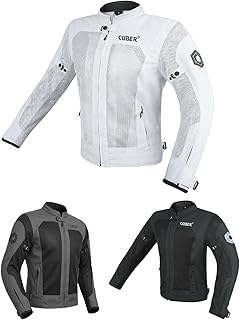
Top 10 Accessories
Curated picks for the Yamaha Xmax 250 — owned, ridden, recommended.




Common Problems
🔥 2 CRITICALRough idle, hard starting, hesitation at low RPM
Oil residue on fork legs below seals
Sluggish acceleration, slipping, unusual CVT noise
Battery draining fast, voltage below 13.5V running
✅Pre-Purchase Checklist
Reliable scooter if regularly maintained by owner
Full Specifications
Rivals & Alternatives
Bikes that buyers cross-shop with the Yamaha Xmax 250
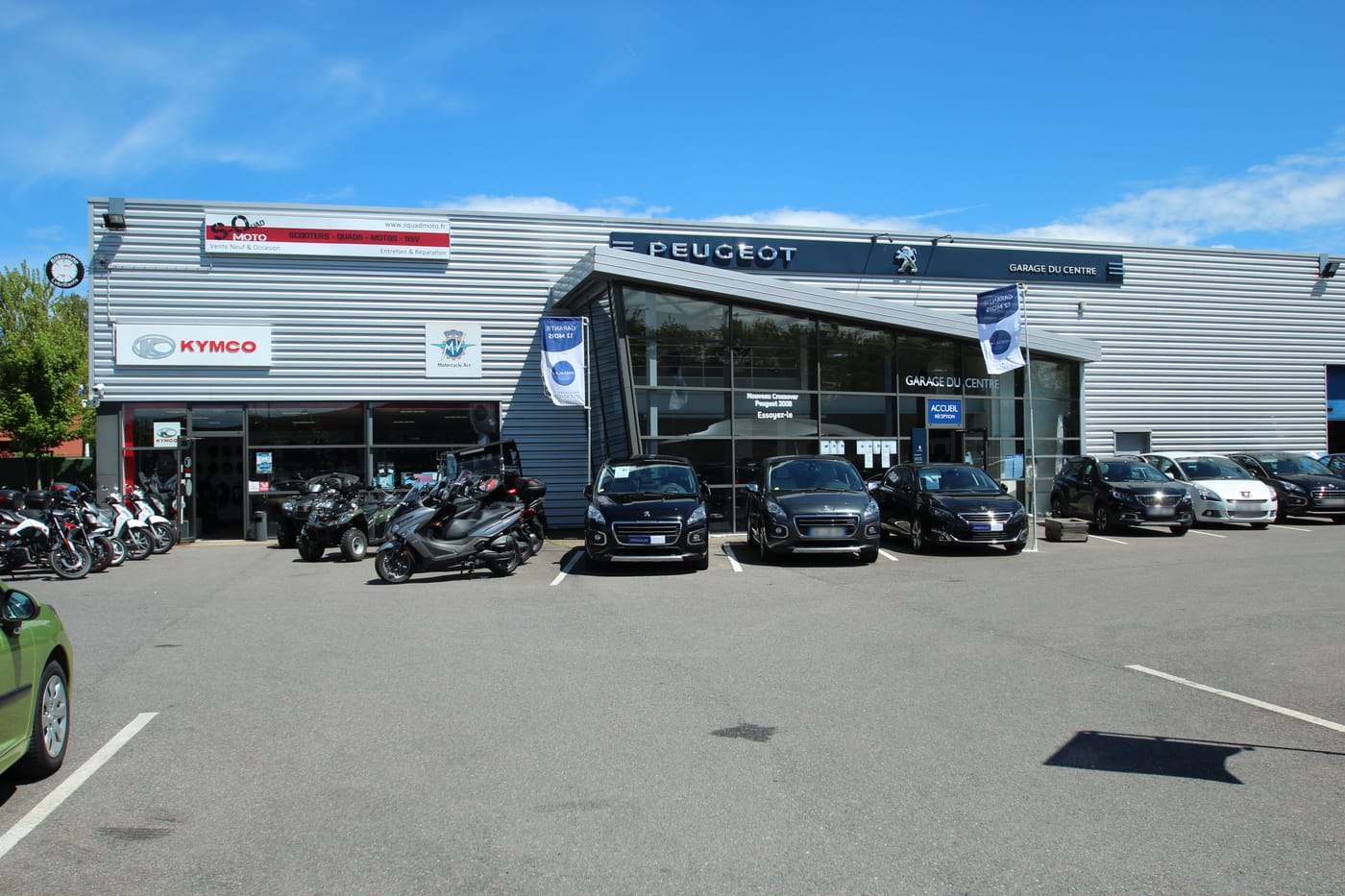
Kymco People S 200
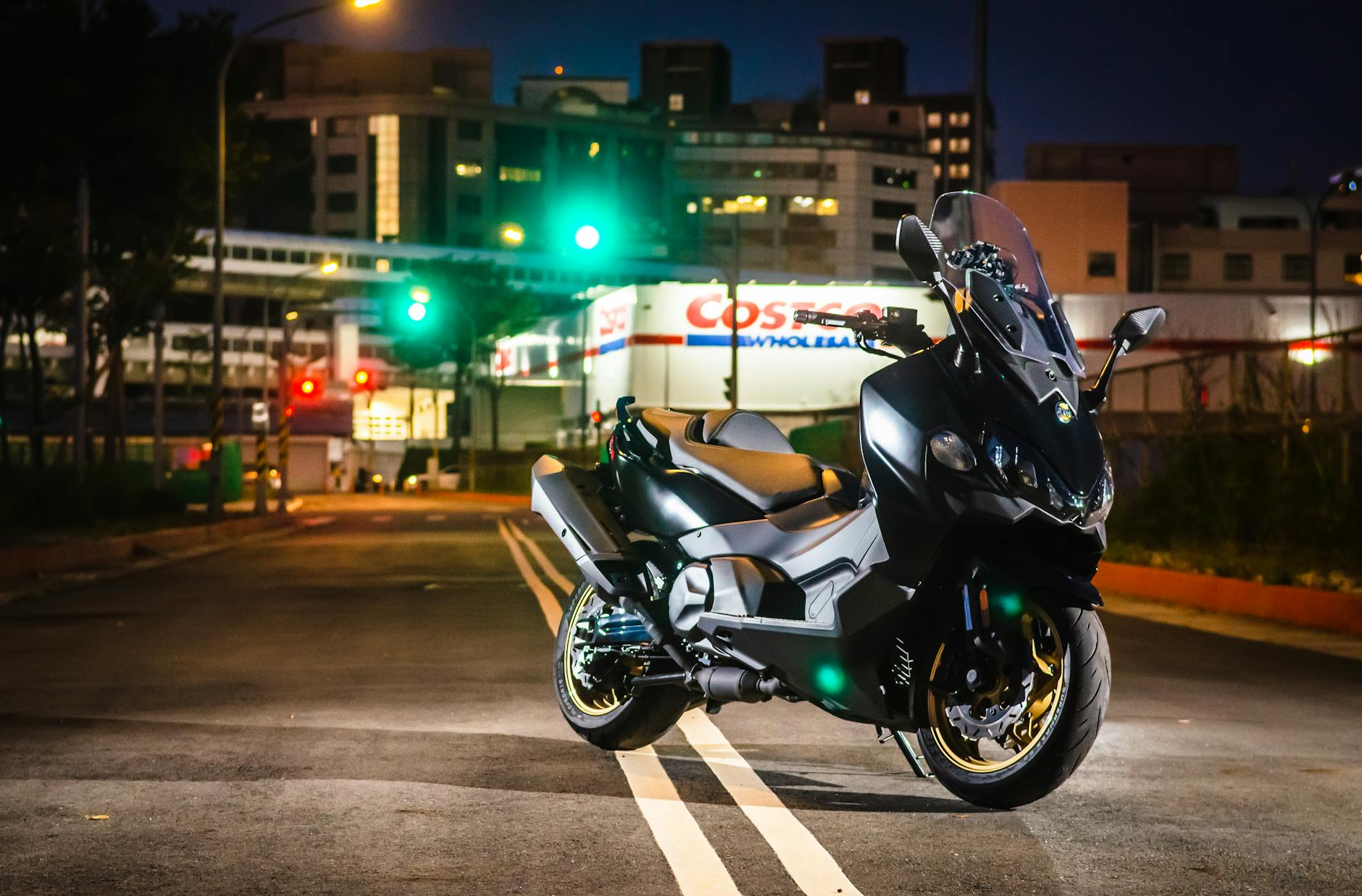
Kymco Downtown 350
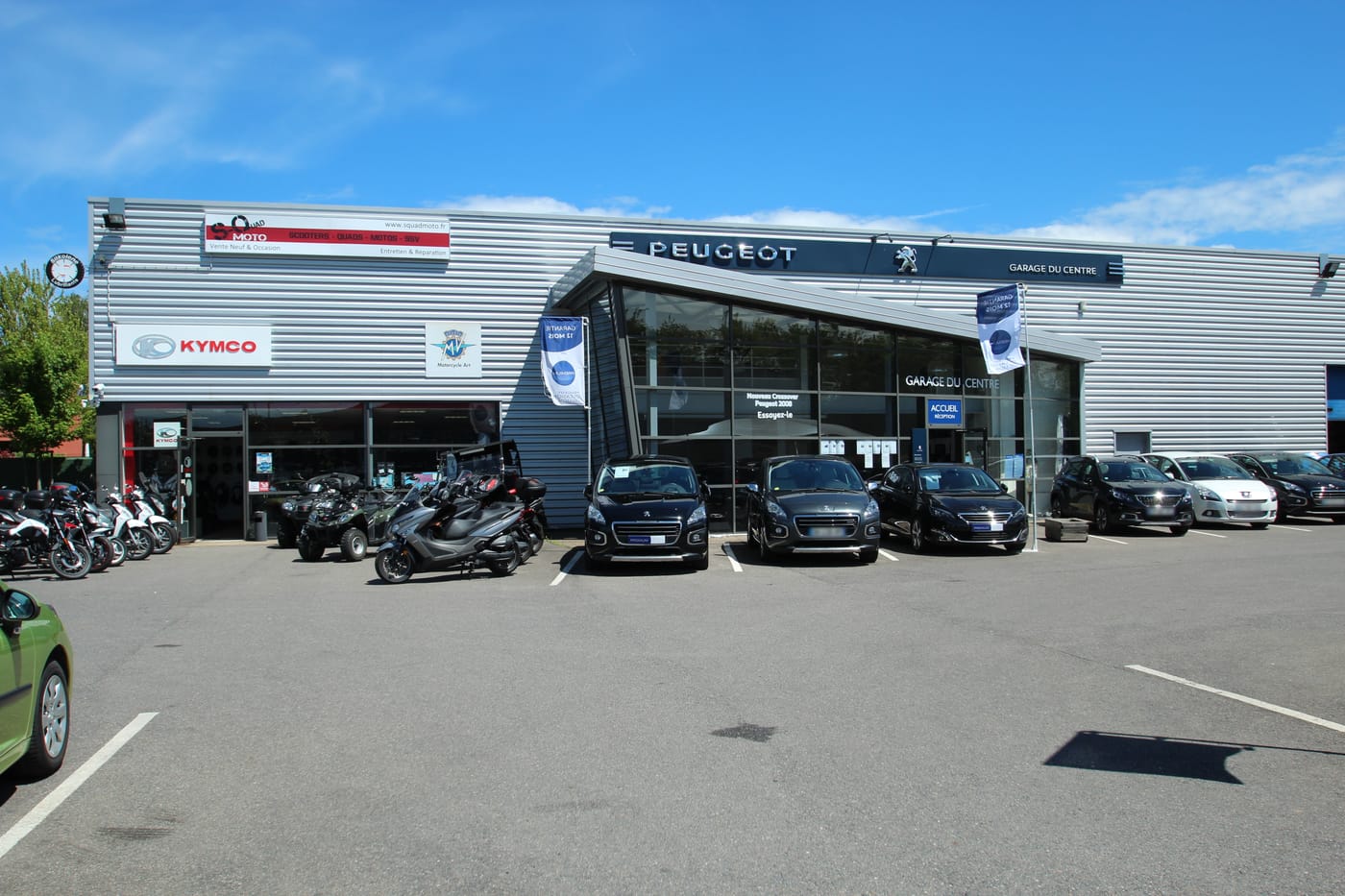
Kymco Bet & Win 250

Kymco Racing 250
Kymco Xciting 300
Compare Yamaha Xmax 250 Side-by-Side
compare_arrowsSpecs, power, weight & buyer verdict — head-to-head with the bikes most often cross-shopped.
Yamaha Xmax 250 vs Kymco People S 200
Specs · Power · Buyer verdict
Yamaha Xmax 250 vs Kymco Downtown 350
Specs · Power · Buyer verdict
Yamaha Xmax 250 vs Kymco Bet & Win 250
Specs · Power · Buyer verdict
Yamaha Xmax 250 vs Kymco Racing 250
Specs · Power · Buyer verdict
Yamaha Xmax 250 vs Kymco Xciting 300
Specs · Power · Buyer verdict
More Yamaha Xmax 250 Guides
More from Yamaha
View all Yamaha models →Community Reviews
Discussion
Frequently Asked Questions
What are common problems with the Yamaha Xmax 250? +
Fuel injector clogging from ethanol fuel: Rough idle, hard starting, hesitation at low RPM (moderate) | Front fork seal leaks over time: Oil residue on fork legs below seals (moderate) | Variator rollers and belt wear: Sluggish acceleration, slipping, unusual CVT noise (serious)
Is the Yamaha Xmax 250 a good motorcycle? +
A dependable daily commuter that rewards buyers who check service history. Rating: 7.5/10. Best for: Urban commuters wanting reliable, practical daily transport. Avoid if: You want weekend canyon-carving thrills or highways.
What is the horsepower of the Yamaha Xmax 250? +
The Yamaha Xmax 250 produces 20 hp @ 7,500 rpm, with 23.4 Nm @ 6,000 rpm of torque. Top speed: 135 km/h.
Is the Yamaha Xmax 250 good for beginners? +
Yes — the Yamaha Xmax 250 is a reasonable choice for new riders (20 hp is manageable), weighing 179 kg. Urban commuters wanting reliable, practical daily transport
Is the Yamaha Xmax 250 reliable? +
Owners report 2 critical issues to watch for on the Yamaha Xmax 250, notably: Variator rollers and belt wear (Sluggish acceleration, slipping, unusual CVT noise). Buy with a pre-purchase inspection.
Is the Yamaha Xmax 250 good for daily use? +
Urban commuters wanting reliable, practical daily transport Fuel: 3.5 L/100km or approx. 28 km/L (typical real-world average).
How fast is the Yamaha Xmax 250? +
The Yamaha Xmax 250 reaches a top speed of 135 km/h, producing 20 hp at 179 kg curb weight. Real-world performance depends on rider weight, gearing, and road conditions.
What gear should I buy for a Yamaha Xmax 250? +
Motoryk has curated a Top 10 gear list specifically for the Yamaha Xmax 250, covering engine oil, tires, chain, battery, and brake pads — see motoryk.com/bikes/yamaha/xmax-250/top10. Each pick is matched to this bike's spec.