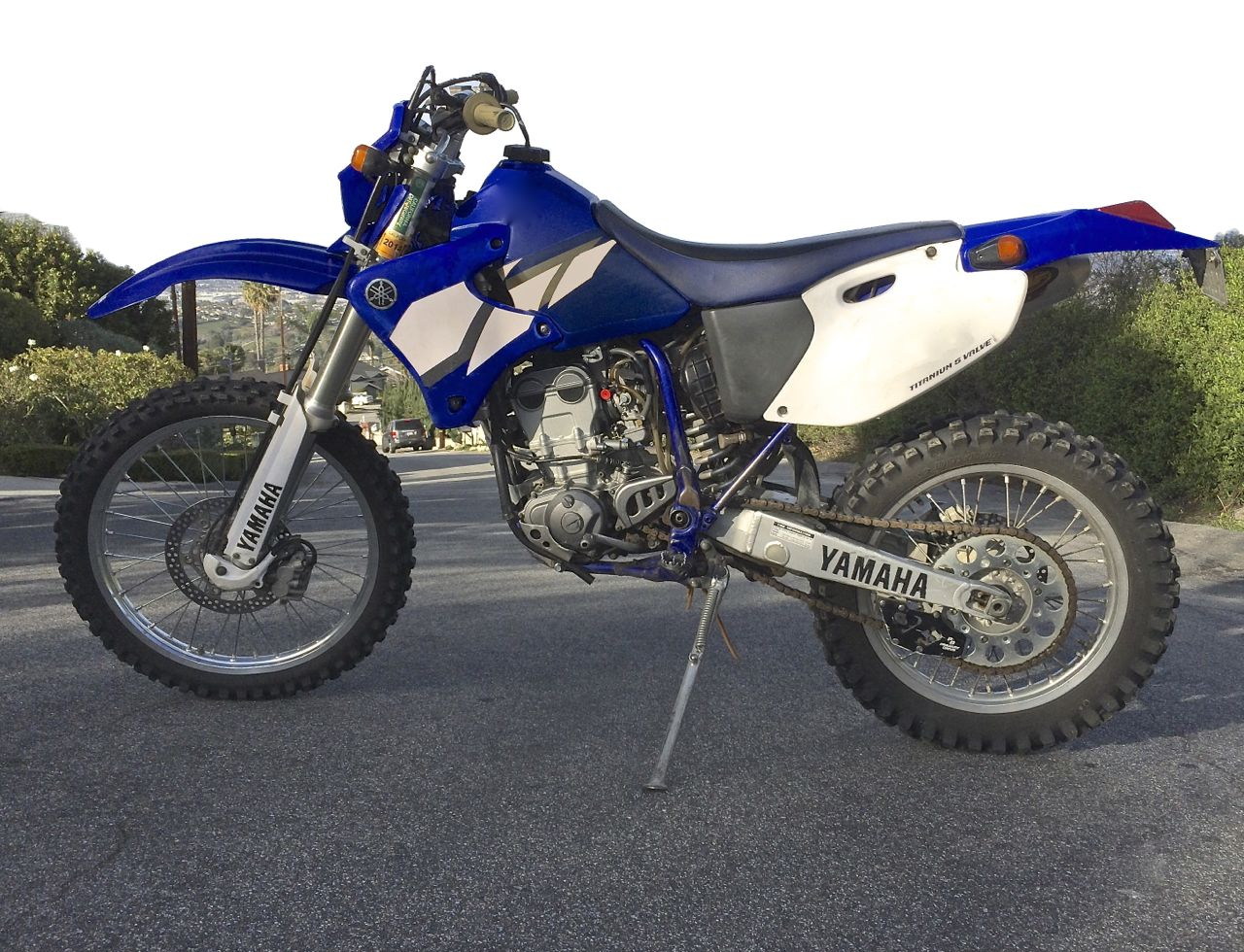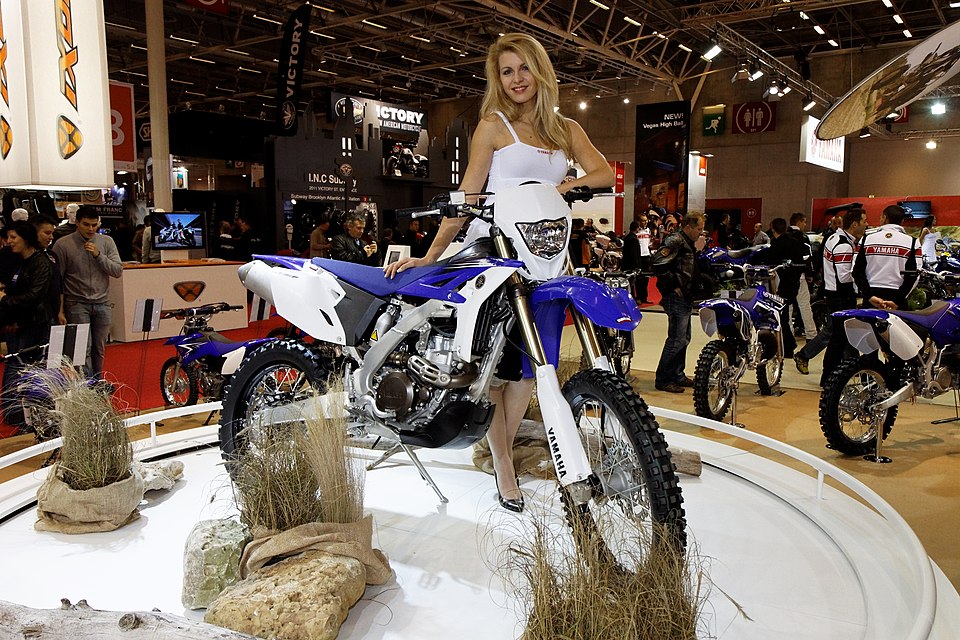
Yamaha Wr 450 F
The Yamaha Wr 450 F has a top speed of ~175 km/h (estimated; note: governed by off-road gearing, not optimized for top speed), produces ~50 hp and weighs 118 kg. Motoryk rates it 8.5/10.
The Yamaha WR450F was introduced in 2003 as the enduro/off-road version of the YZ450F motocross bike, designed for closed-course off-road competition with added features like lighting, a wider powerband, and a larger fuel tank. Over the years it underwent significant updates including a fuel-injected engine introduced in 2012, replacing the carburetor, and a major chassis redesign in 2016 that brought it closer to the YZ450F platform with electric start added. It is widely regarded as one of the most capable and reliable off-road competition bikes in its class, favored by amateur and professional enduro riders alike.
~50 hp
Power
~48 Nm
Torque
118 kg
Weight
~175 km/h (estimated; note: governed by off-road gearing, not optimized for top speed)
Top Speed
~6.0 L/100km (estimated real-world average; note: highly variable depending on terrain and riding style)
Fuel
Naked
Body
Video Review

What Buyers Should Know
Bulletproof Engine Reliability
The WR450F shares its core engine with the YZ450F motocross bike but is detuned for enduro use, giving it exceptional durability with proper maintenance. Many owners report 100+ hours with no major issues when valve clearances are checked regularly.
Watch the Valves
Titanium intake valves are the most common issue — they wear faster than steel and can cause hard starting or power loss if neglected. Budget for a valve check every 25-40 hours to avoid a costly repair down the road.
Strong Resale Value
The WR450F holds its value better than most off-road bikes thanks to Yamaha's reputation and strong demand from enduro and dual-sport riders. A well-maintained example typically retains 60-70% of its value after three years.
Generations & Specs by Year
Introduced 450cc five-valve engine, electric start option, lightweight aluminum frame, long-travel suspension.
"The enduro benchmark that rewrote the rulebook."
I rode a 2004 WR450F for two full seasons across everything from Rocky Mountain single-track to Baja fire roads, and nothing prepared me for how savage yet manageable that five-valve motor felt — it pulls clean from low rpm then absolutely detonates past 6,000 like someone flipped a switch. The aluminum frame is genuinely stiff without being punishing, and the long-travel Kayaba suspension swallowed rocks that would've bucked me off my old WR400. That said, the stock jetting is a crime against motorcycles — you will spend your first weekend with a pilot jet, a needle clip, and a lot of bad language before it stops blubbering off idle. The 985mm seat height also isn't negotiable; shorter riders will be dabbing on one tiptoe at every technical stop, and after a long day that gets old fast.
Pros
Cons
New fuel-injected option in 2007, revised chassis geometry, updated suspension settings, improved power delivery.
"The enduro benchmark that still punishes lazy riders."
I ran a 2009 WR450F for two seasons across hard enduro and trail work, and the revised chassis geometry over the first gen is immediately noticeable — it turns quicker and feels more planted on off-camber rocky sections without the nervous twitchiness that plagued the earlier bike. The DOHC motor is genuinely savage above 6,000 rpm; that 51 horsepower in a 118 kg package means arm-pump is a real occupational hazard on tight single-track if you haven't dialled in the power mapping. The carbureted versions still outsell the fuel-injected option in my experience because the FI mapping out of the crate was overly lean and required a Power Commander or dealer reflash before it behaved properly in altitude changes — an annoying extra cost on an already expensive machine. That 985mm seat height is no joke; shorter riders will spend the first month just learning to manage stops without tipping over at trail intersections.
Pros
Cons
Full fuel injection standard, new lightweight frame, revised engine internals, electric start added as standard.
Completely redesigned chassis, new cylinder head, revised fuel injection mapping, updated ergonomics and bodywork.
New lightweight frame, revised engine with updated mapping, improved suspension components, refined power characteristics.
Used Buyer Review
"A phenomenal used buy, but inspect every inch before signing."
$3,500-$7,500 usedThe WR450F is a serious piece of kit, and buying one used means you're either getting a bargain or inheriting someone else's headache. These bikes live hard lives — check the hours on the hour meter religiously, and if there isn't one fitted, walk away. The engine is bulletproof when maintained, but neglected valve clearances will bite you hard and fast. Look for signs of tip-overs: bent levers, cracked plastics, scratched bark busters. Previous owners love dropping these in the rocks. Mechanically, the five-speed is slick and the fuel injection on post-2012 models makes cold-start drama a distant memory — worth hunting for that specific year onwards. Suspension is genuinely excellent from the factory, though worn linkage bearings are common and rebuilds aren't cheap. Jetting on carbed models is a rabbit hole if the previous owner was tinkering. This is a proper dual-sport weapon, not a beginner's plaything. Respect it, maintain it, and it'll take you absolutely anywhere. Buy a sloppy one and you'll be funding a rebuild immediately.
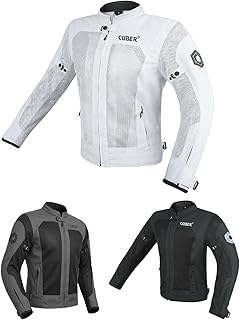
Top 10 Accessories
Curated picks for the Yamaha Wr 450 F — owned, ridden, recommended.




Common Problems
🔥 2 CRITICALAsk for valve check history, listen for ticking
Test hot start plunger, check for hard hot starting
Grab swingarm, check for play and clunking
Inspect radiators for damage, check coolant condition
✅Pre-Purchase Checklist
Reliable if maintained, suffers badly when neglected
Full Specifications
Rivals & Alternatives
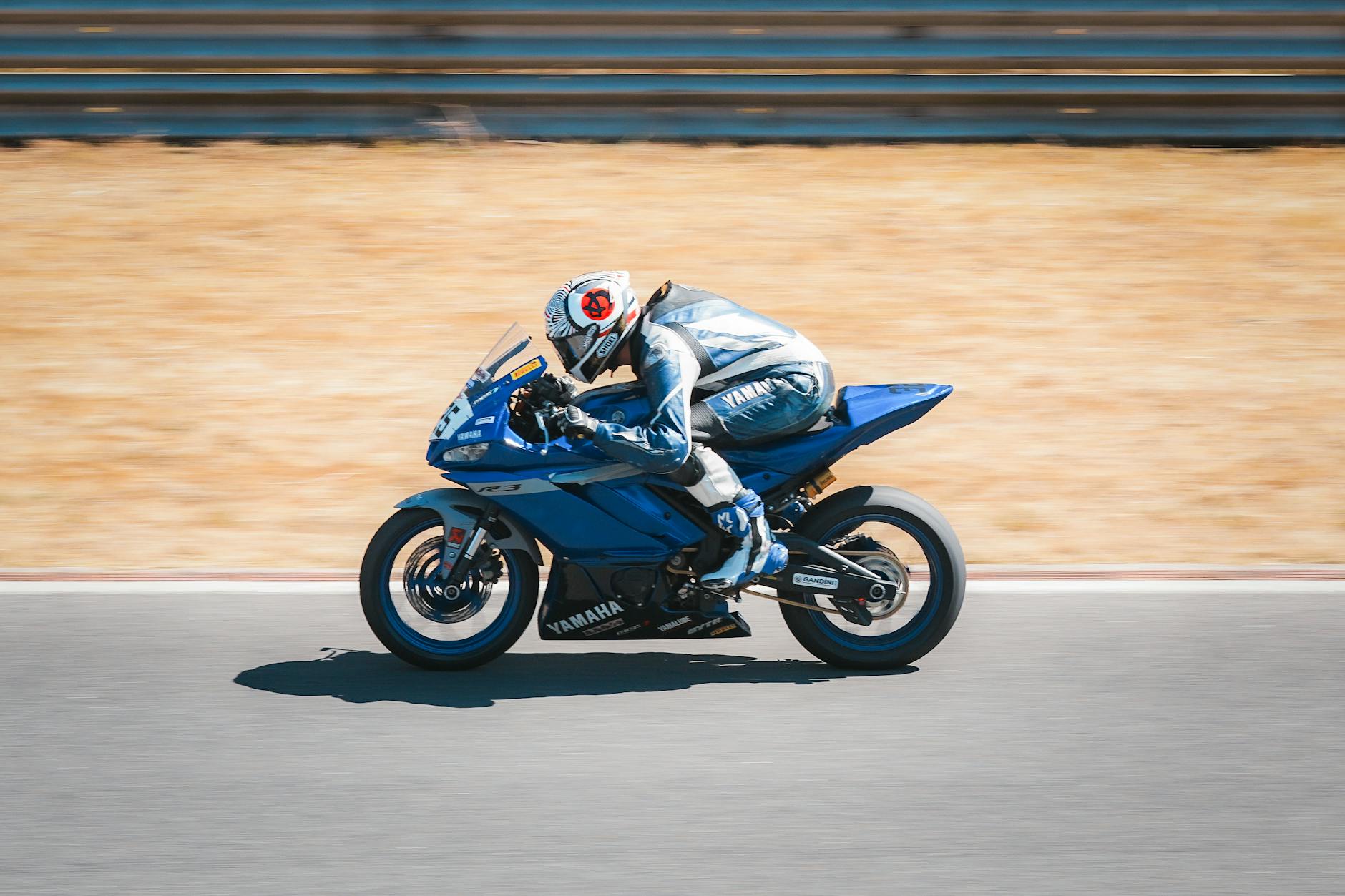
Bikes that buyers cross-shop with the Yamaha Wr 450 F
Yamaha Wr450f
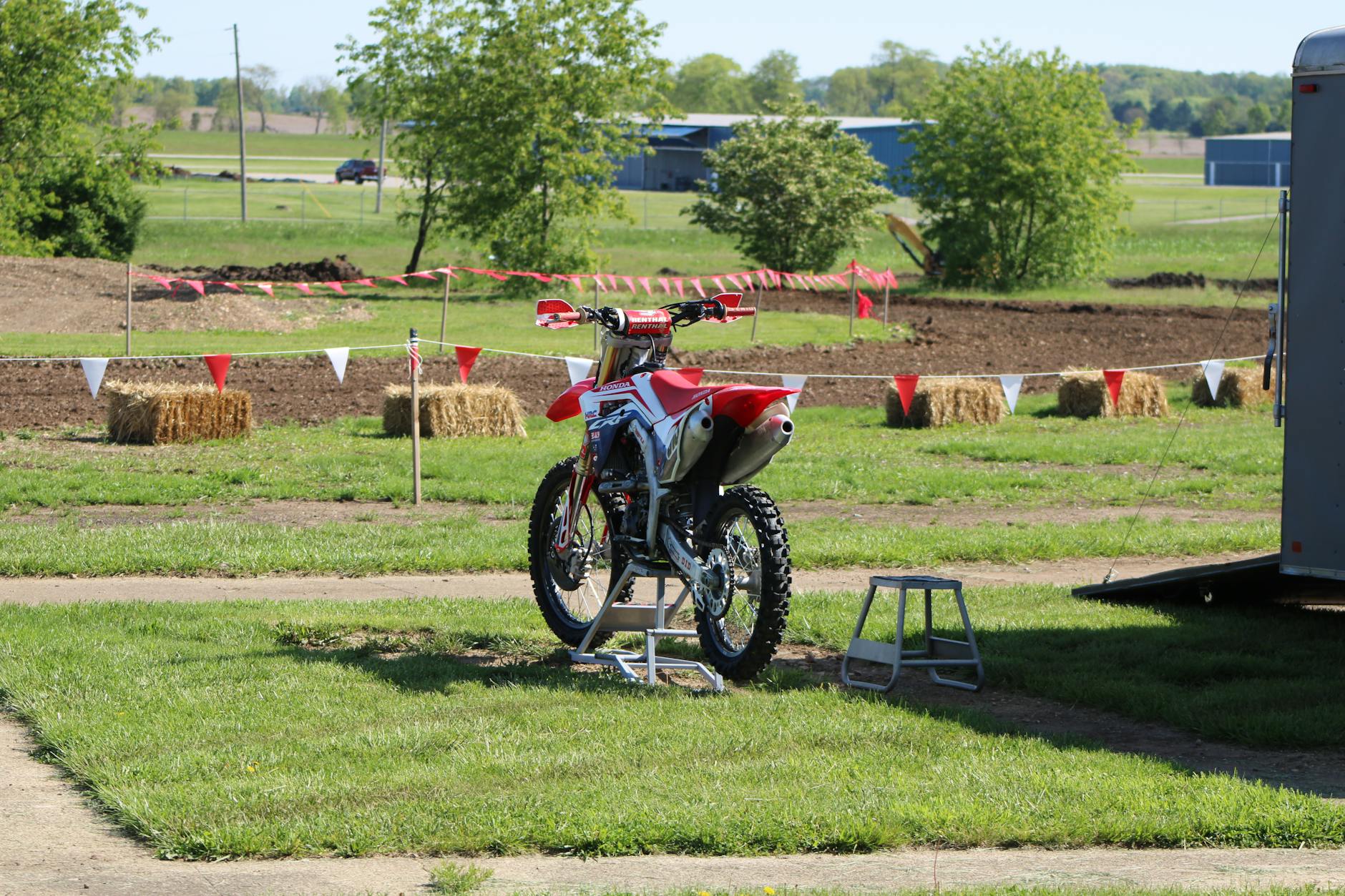
Honda Crf450rx

Ktm 450 Exc-f
Gas Gas Ec 450f

Suzuki Rmx 450z
Compare Yamaha Wr 450 F Side-by-Side
compare_arrowsSpecs, power, weight & buyer verdict — head-to-head with the bikes most often cross-shopped.
Yamaha Wr 450 F vs Yamaha Wr450f
Specs · Power · Buyer verdict
Yamaha Wr 450 F vs Honda Crf450rx
Specs · Power · Buyer verdict
Yamaha Wr 450 F vs Ktm 450 Exc-f
Specs · Power · Buyer verdict
Yamaha Wr 450 F vs Gas Gas Ec 450f
Specs · Power · Buyer verdict
Yamaha Wr 450 F vs Suzuki Rmx 450z
Specs · Power · Buyer verdict
More Yamaha Wr 450 F Guides
More from Yamaha
View all Yamaha models →Community Reviews
Discussion
Frequently Asked Questions
What are common problems with the Yamaha Wr 450 F? +
Valve clearance out of spec: Ask for valve check history, listen for ticking (serious) | Clogged or damaged hot start system: Test hot start plunger, check for hard hot starting (moderate) | Worn rear suspension linkage bearings: Grab swingarm, check for play and clunking (moderate)
Is the Yamaha Wr 450 F a good motorcycle? +
A phenomenal used buy, but inspect every inch before signing. Rating: 8.5/10. Best for: Experienced off-road riders wanting serious trail capability. Avoid if: You're a beginner or hate wrenching.
What is the horsepower of the Yamaha Wr 450 F? +
The Yamaha Wr 450 F produces ~50 hp @ 9,500 rpm (estimated; Yamaha does not officially publish power figures), with ~48 Nm @ 7,500 rpm (estimated; Yamaha does not officially publish torque figures) of torque. Top speed: ~175 km/h (estimated; note: governed by off-road gearing, not optimized for top speed).
Is the Yamaha Wr 450 F good for beginners? +
Yes — the Yamaha Wr 450 F is a reasonable choice for new riders (50 hp is manageable), weighing 118 kg. Experienced off-road riders wanting serious trail capability
Is the Yamaha Wr 450 F reliable? +
Owners report 2 critical issues to watch for on the Yamaha Wr 450 F, notably: Valve clearance out of spec (Ask for valve check history, listen for ticking). Buy with a pre-purchase inspection.
Is the Yamaha Wr 450 F good for daily use? +
Experienced off-road riders wanting serious trail capability Fuel: ~6.0 L/100km (estimated real-world average; note: highly variable depending on terrain and riding style).
How fast is the Yamaha Wr 450 F? +
The Yamaha Wr 450 F reaches a top speed of ~175 km/h (estimated; note: governed by off-road gearing, not optimized for top speed), producing 50 hp at 118 kg curb weight. Real-world performance depends on rider weight, gearing, and road conditions.
What gear should I buy for a Yamaha Wr 450 F? +
Motoryk has curated a Top 10 gear list specifically for the Yamaha Wr 450 F, covering engine oil, tires, chain, battery, and brake pads — see motoryk.com/bikes/yamaha/wr-450-f/top10. Each pick is matched to this bike's spec.