Yamaha Virago 250
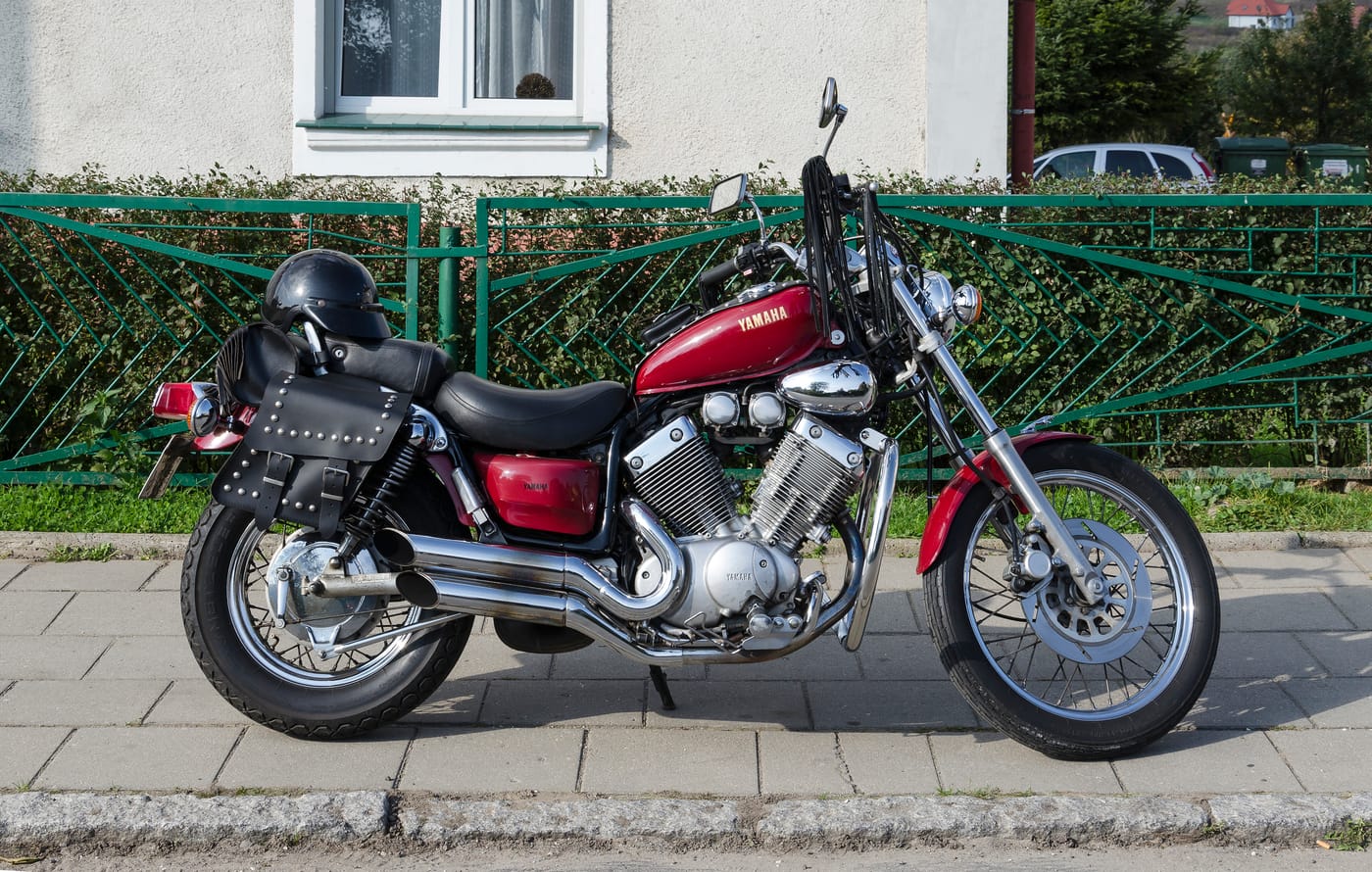
The Yamaha Virago 250 has a top speed of 130 km/h, produces 21 hp and weighs 148 kg. Motoryk rates it 7.5/10.
O Yamaha Virago 250 (XV250) foi lançado em 1988 como um cruzador V-twin de nível básico projetado para atrair novos pilotos e motociclistas de baixa estatura. Foi notavelmente um dos cruzadores V-twin mais acessíveis e acessíveis do mercado, inspirando-se no estilo da maior linha Virago da Yamaha e mantendo a cilindrada ideal para iniciantes. O modelo teve uma vida extremamente longa, permanecendo em produção em vários mercados até os anos 2000 sob nomes como Yamaha V-Star 250 e Route 66.
21 hp
Poder
20 Nm
Torque
148 kg
Peso
130 km/h
Velocidade máxima
3.5 L/100km (approx. 28.5 km/L) — typical real-world average
Combustível
Nua
Corpo
🔧 Service Schedule & Parts
Affiliate · we may earn| Service item | Every | Typical cost | Parts |
|---|---|---|---|
| 🛢️ Engine oil + oil filter | 6,000 km / 3,500 mi or 12 mo | $30-60 | 🛢️ Buy → ⚙️ Buy → |
| 🌬️ Air filter | 12,000 km / 7,500 mi | — | 🌬️ Buy → |
| ⚡ Spark plugs | 12,000 km / 7,500 mi | — | ⚡ Buy → |
| 🔧 Valve clearance check | 24,000 km / 15,000 mi | $150-300 | |
| 🔗 Chain & sprockets | 20000-35000 km (replace) | $100-200 | 🔗 Buy → |
| 🛑 Brake pads | 15000-25000 km | $20-50 | 🛑 Buy → |
| 💧 Brake fluid | 24,000 km / 15,000 mi or 2 yr | — | |
| 🛞 Tires | 15000-25000 km | $150-300 | 🛞 Buy → |
| 🔩 Major service | 24,000 km / 15,000 mi | $200-400 |
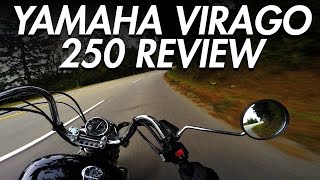
Video Review
O que os compradores devem saber
Rock-Solid Reliability
The Virago 250's air-cooled V-twin engine is famously simple and durable, with many examples running strong well past 30,000 miles when properly maintained. It's one of the most trouble-free beginner bikes ever built.
Watch the Carburetors
The twin carburetors are the most common headache — ethanol-blended fuel causes gumming and jets clog easily if the bike sits unused. Always inspect carb condition and ask about the fuel history before buying.
Strong Resale Value
As a classic beginner-friendly cruiser with a loyal following, the Virago 250 holds its value unusually well for a small-displacement bike. Clean examples in running condition rarely sell cheaply, making it a smart used buy but not a bargain.
Gerações e especificações por ano
Lançado o XV250 original; duplo em V de 249 cc, tração por eixo, estilo clássico de cruzeiro, amortecedores traseiros duplos.
"O cruzador honesto para iniciantes que raramente mente para você."
Percorri cerca de 8.000 quilômetros em uma Virago 250 de 91 viajando pelo trânsito de Brisbane, e só a tração do eixo conquistou minha lealdade — sem corrente com que mexer, sem graxa nas calças, apenas pedale e esqueça. O V-twin puxa de forma limpa a cerca de 3.000 rpm com um pequeno ruído satisfatório, embora depois de 100 km/h esteja zumbindo forte o suficiente para anestesiar suas mãos em uma rodovia, e essa velocidade máxima de 130 km/h é basicamente uma figura de “descida com vento de cauda”. A altura do assento de 690 mm significa que passageiros pequenos podem realmente achatá-lo e, com 148 kg, ele é leve o suficiente para que deixá-lo cair em um estacionamento — o que os iniciantes farão — não seja uma catástrofe. O que frustra é a potência: pedalar duas vezes ou inclinações íngremes expõem o quão escassos são os 21 cavalos de potência, e o combustível do carburador pode ficar irritado nas manhãs frias até aquecer adequadamente.
Prós
Contras
Pequenas atualizações em carburação e cosméticos; praticamente inalteradas mecanicamente em relação ao design original.
"O cruzador inicial perfeito que supera você rapidamente."
Eu percorri cerca de 8.000 km em uma Virago 250 de 2001 e ela nunca me decepcionou mecanicamente — aquela V-twin refrigerada a ar funciona como uma máquina de costura, o que é charmoso ou chato, dependendo do seu humor. A altura do assento de 690 mm é genuinamente acessível para passageiros mais baixos, o peso parece controlável em estacionamentos e o perfil estreito em V significa que a filtragem de faixas é surpreendentemente fácil no trânsito da cidade. Dito isso, 21 cavalos de potência acabam rapidamente — qualquer coisa acima de 110 km/h na rodovia parece que você está pedindo desculpas ao motor, e a carburação herdada do design original tropeça em partida a frio até ser devidamente aquecida. É uma máquina para iniciantes honesta e descomplicada, mas pilotos experientes sentirão o teto em um fim de semana.
Prós
Contras
Avaliação do comprador usado
"The perfect starter bike you'll sadly outgrow fast."
$1,500-$3,500 usedThe Virago 250 is about as honest a beginner bike as you'll find. Yamaha built these things from 1988 through 2012 with almost no changes, which tells you everything — either it was perfect or nobody cared enough to update it. Honestly, a bit of both. The V-twin sounds proper, the low seat height lets most riders flat-foot confidently, and the shaft drive means zero chain maintenance headaches. For someone just figuring out clutch control and countersteering, that's genuinely valuable. Buy one with paperwork and look hard at the carbs — these sit for years and the float bowls turn into varnish museums. Budget $150 for a carb clean regardless. Check fork seals too, because previous owners treated these as disposable learner tools and maintenance often got skipped. The good news is parts are cheap and mechanics know them cold. Just don't expect to grow with it — you'll want more power within 18 months, guaranteed.
Variants of the Yamaha Virago 250
Same bike, different trim or year-range — pick the one matching the listing.
Top 10 Accessories
Curated picks for the Yamaha Virago 250 — owned, ridden, recommended.




Problemas comuns
🔥 1 CRITICALCold start behavior, idle quality, throttle response hesitation
Fuel flow on reserve, vacuum line condition
Battery voltage at idle, lights dimming at low RPM
Oil residue on fork tubes, front brake effectiveness
✅Lista de verificação de pré-compra
Solid learner bike, easy cheap maintenance overall
Full Specifications
Rivals & Alternatives
Bikes that buyers cross-shop with the Yamaha Virago 250
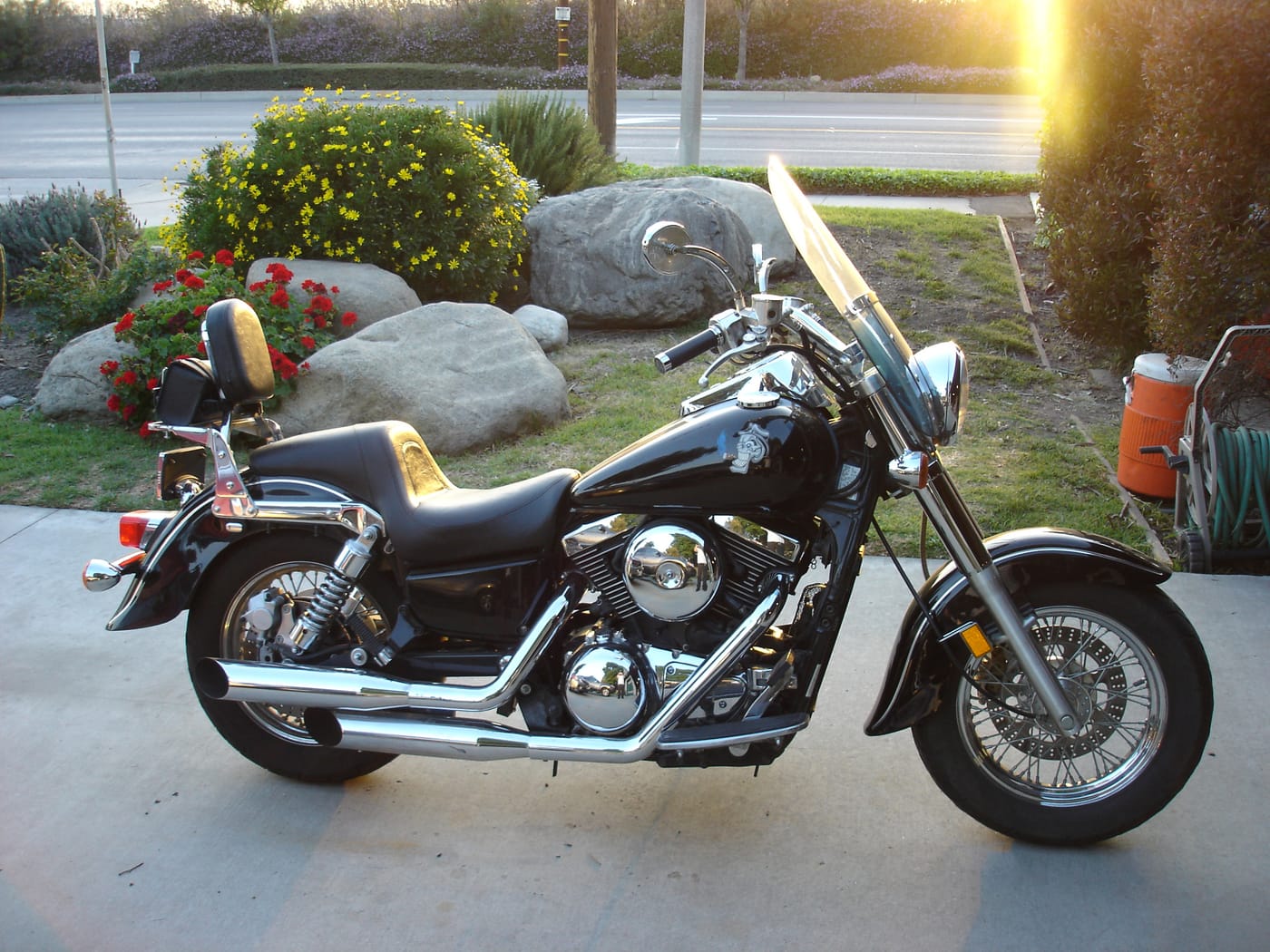
Kawasaki Eliminator 125
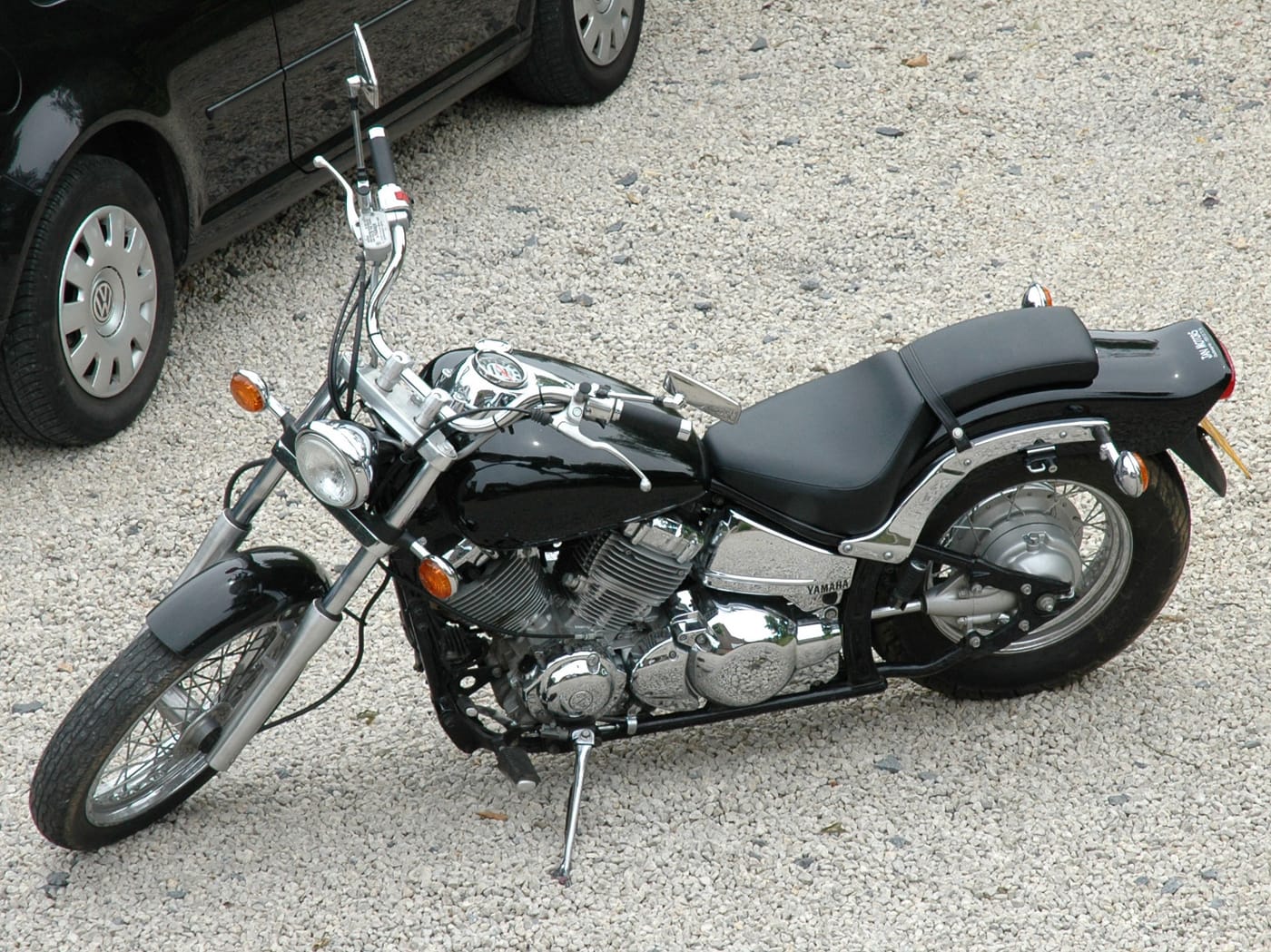
Yamaha V-star 250
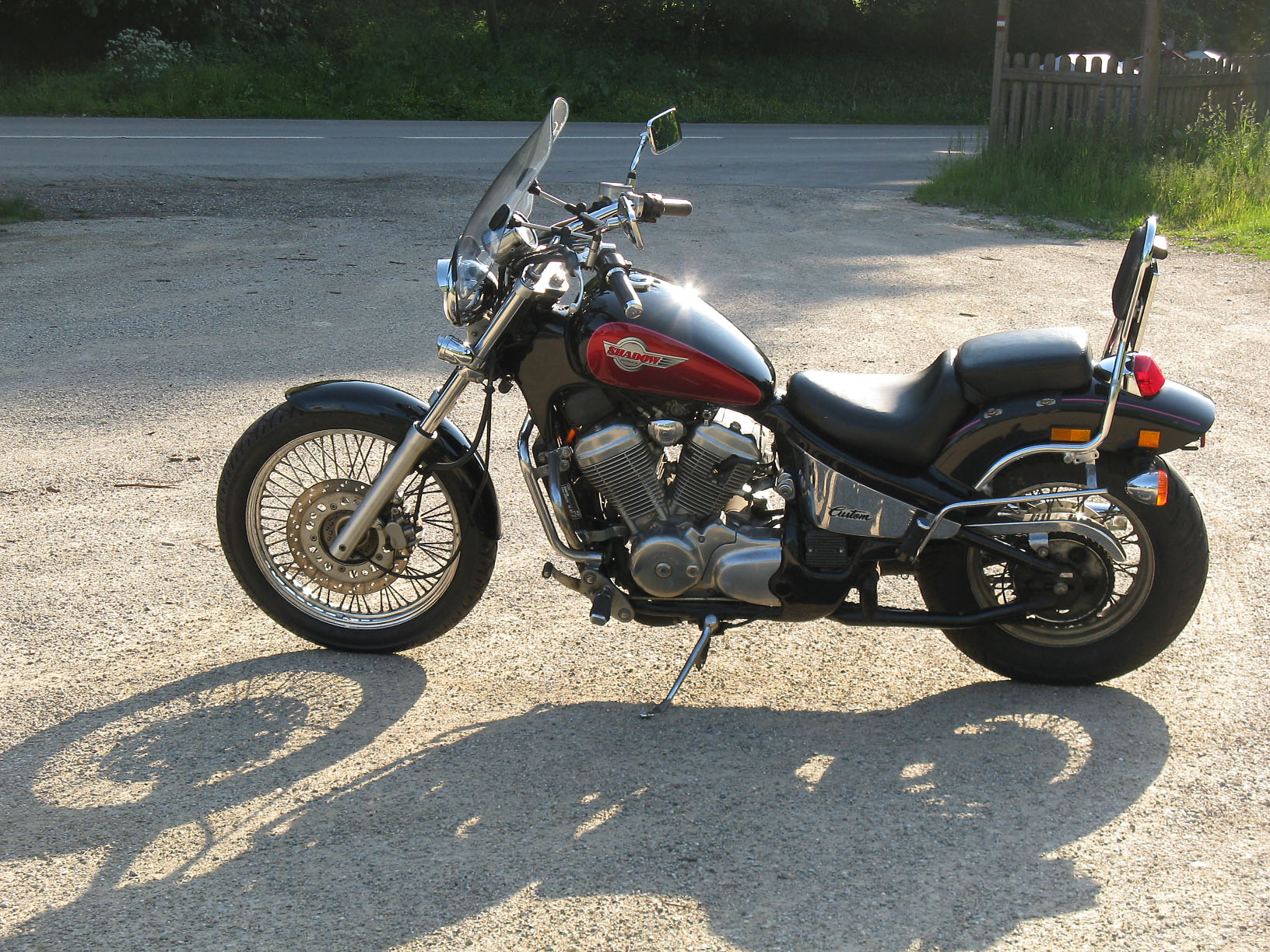
Honda Vt600 Shadow Vlx

Hyosung Aquila 250
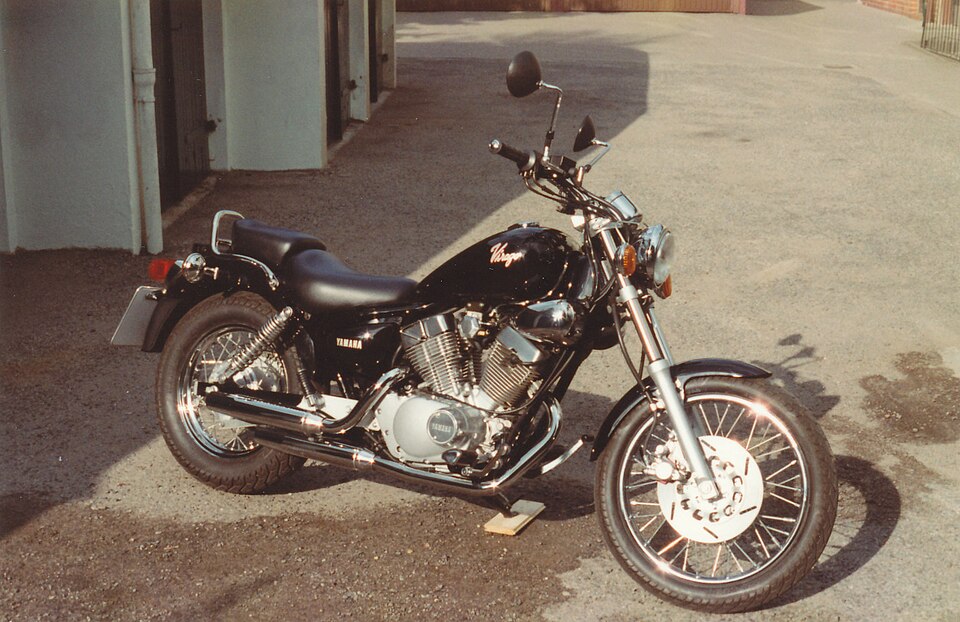
Yamaha Xv250 Virago
Compare Yamaha Virago 250 Side-by-Side
compare_arrowsSpecs, power, weight & buyer verdict — head-to-head with the bikes most often cross-shopped.
Yamaha Virago 250 vs Kawasaki Eliminator 125
Specs · Power · Buyer verdict
Yamaha Virago 250 vs Yamaha V-star 250
Specs · Power · Buyer verdict
Yamaha Virago 250 vs Honda Vt600 Shadow Vlx
Specs · Power · Buyer verdict
Yamaha Virago 250 vs Hyosung Aquila 250
Specs · Power · Buyer verdict
Yamaha Virago 250 vs Yamaha Xv250 Virago
Specs · Power · Buyer verdict
More Yamaha Virago 250 Guides
More from Yamaha
View all Yamaha models →Community Reviews
Discussion
Frequently Asked Questions
What are common problems with the Yamaha Virago 250? +
Carburetors gummed up from ethanol fuel sitting: Cold start behavior, idle quality, throttle response hesitation (moderate) | Petcock diaphragm cracked causing fuel flow issues: Fuel flow on reserve, vacuum line condition (moderate) | Rectifier regulator failure killing battery: Battery voltage at idle, lights dimming at low RPM (serious)
Is the Yamaha Virago 250 a good motorcycle? +
The perfect starter bike you'll sadly outgrow fast. Rating: 7.5/10. Best for: New riders wanting confidence before upgrading soon. Avoid if: You want one bike for life.
What is the horsepower of the Yamaha Virago 250? +
The Yamaha Virago 250 produces 21 hp @ 8,000 rpm, with 20 Nm @ 6,000 rpm of torque. Top speed: 130 km/h.
Is the Yamaha Virago 250 good for beginners? +
Yes — the Yamaha Virago 250 is a reasonable choice for new riders (21 hp is manageable), weighing 148 kg. New riders wanting confidence before upgrading soon
Is the Yamaha Virago 250 reliable? +
Owners report 1 critical issue to watch for on the Yamaha Virago 250, notably: Rectifier regulator failure killing battery (Battery voltage at idle, lights dimming at low RPM). Buy with a pre-purchase inspection.
Is the Yamaha Virago 250 good for daily use? +
New riders wanting confidence before upgrading soon Fuel: 3.5 L/100km (approx. 28.5 km/L) — typical real-world average.
How fast is the Yamaha Virago 250? +
The Yamaha Virago 250 reaches a top speed of 130 km/h, producing 21 hp at 148 kg curb weight. Real-world performance depends on rider weight, gearing, and road conditions.
What gear should I buy for a Yamaha Virago 250? +
Motoryk has curated a Top 10 gear list specifically for the Yamaha Virago 250, covering engine oil, tires, chain, battery, and brake pads — see motoryk.com/bikes/yamaha/virago-250/top10. Each pick is matched to this bike's spec.