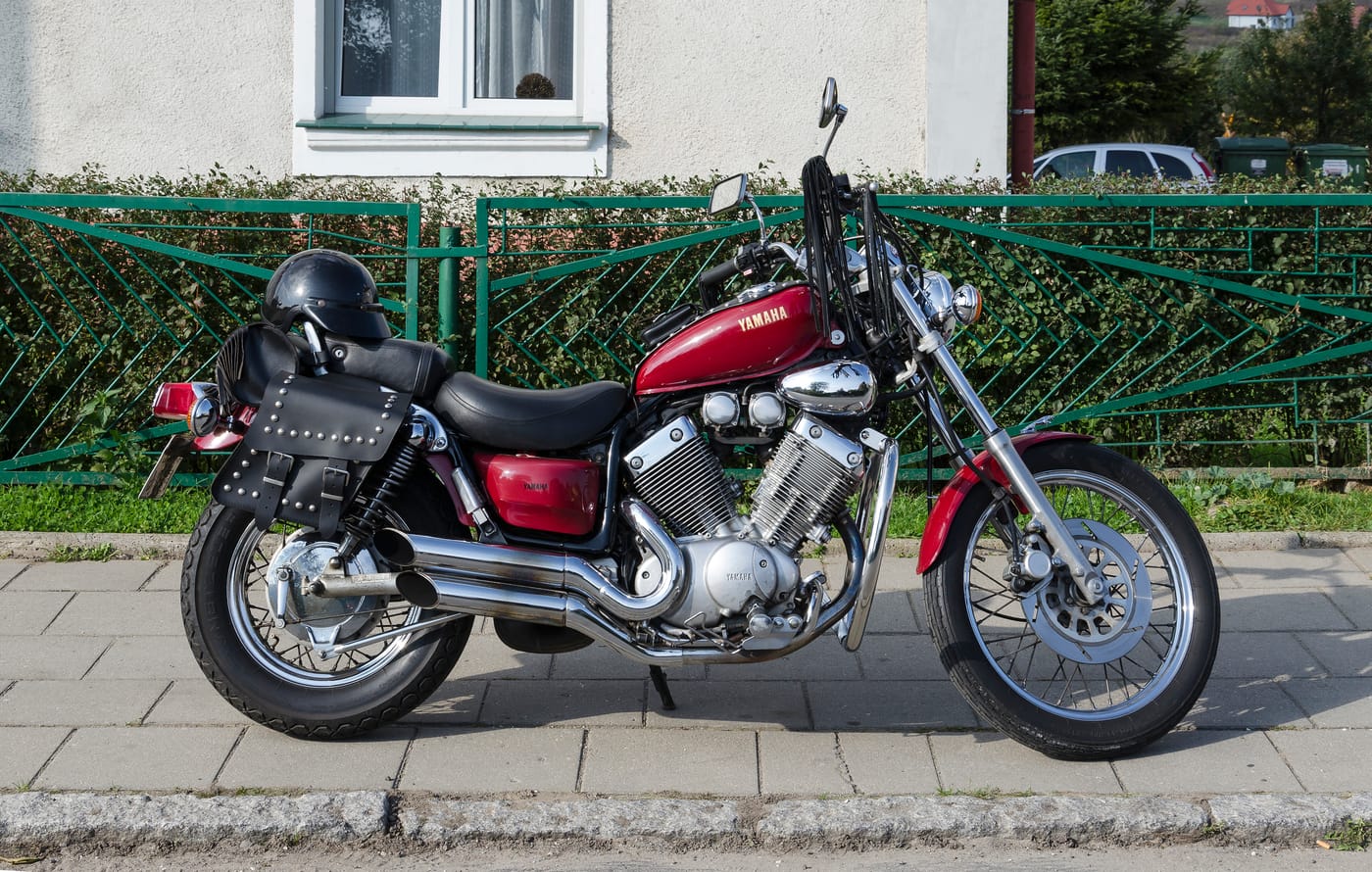
Yamaha Virago 250
The Yamaha Virago 250 has a top speed of 130 km/h, produces 21 hp and weighs 148 kg. Motoryk rates it 7.5/10.
Le Yamaha Virago 250 (XV250) a été introduit en 1988 en tant que croiseur bicylindre en V d'entrée de gamme conçu pour attirer les nouveaux pilotes et les motocyclistes de petite taille. Il s'agissait notamment de l'un des croiseurs bicylindre en V les plus abordables et les plus accessibles du marché, s'inspirant du style de la gamme Virago de Yamaha tout en conservant une cylindrée adaptée aux débutants. Le modèle a connu une durée de vie remarquablement longue, restant en production sur divers marchés jusque dans les années 2000 sous des noms tels que Yamaha V-Star 250 et Route 66.
21 hp
Pouvoir
20 Nm
Torque
148 kg
Poids
130 km/h
Vitesse maximale
3.5 L/100km (approx. 28.5 km/L) — typical real-world average
Carburant
Nue
Corps
🔧 Service Schedule & Parts
Affiliate · we may earn| Service item | Every | Typical cost | Parts |
|---|---|---|---|
| 🛢️ Engine oil + oil filter | 6,000 km / 3,500 mi or 12 mo | $30-60 | 🛢️ Buy → ⚙️ Buy → |
| 🌬️ Air filter | 12,000 km / 7,500 mi | — | 🌬️ Buy → |
| ⚡ Spark plugs | 12,000 km / 7,500 mi | — | ⚡ Buy → |
| 🔧 Valve clearance check | 24,000 km / 15,000 mi | $150-300 | |
| 🔗 Chain & sprockets | 20000-35000 km (replace) | $100-200 | 🔗 Buy → |
| 🛑 Brake pads | 15000-25000 km | $20-50 | 🛑 Buy → |
| 💧 Brake fluid | 24,000 km / 15,000 mi or 2 yr | — | |
| 🛞 Tires | 15000-25000 km | $150-300 | 🛞 Buy → |
| 🔩 Major service | 24,000 km / 15,000 mi | $200-400 |
Video Review
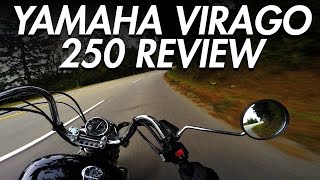
Ce que les acheteurs doivent savoir
Rock-Solid Reliability
The Virago 250's air-cooled V-twin engine is famously simple and durable, with many examples running strong well past 30,000 miles when properly maintained. It's one of the most trouble-free beginner bikes ever built.
Watch the Carburetors
The twin carburetors are the most common headache — ethanol-blended fuel causes gumming and jets clog easily if the bike sits unused. Always inspect carb condition and ask about the fuel history before buying.
Strong Resale Value
As a classic beginner-friendly cruiser with a loyal following, the Virago 250 holds its value unusually well for a small-displacement bike. Clean examples in running condition rarely sell cheaply, making it a smart used buy but not a bargain.
Générations et spécifications par année
Présentation de la XV250 d'origine ; bicylindre en V de 249 cm3, entraînement par arbre, style Cruiser classique, deux amortisseurs arrière.
"L'honnête croiseur débutant qui vous ment rarement."
J'ai parcouru environ 8 000 kilomètres sur un Virago 250 de 1991 pour me déplacer dans les embouteillages de Brisbane, et la transmission par arbre à elle seule a mérité ma loyauté : pas de chaîne à manipuler, pas de graisse sur mon pantalon, il suffit de rouler et d'oublier. Le bicylindre en V tourne proprement à environ 3 000 tr/min avec un petit bourdonnement satisfaisant, mais au-delà de 100 km/h, il bourdonne assez fort pour vous engourdir les mains sur l'autoroute, et cette vitesse maximale de 130 km/h est en quelque sorte une « descente avec vent arrière ». La hauteur de selle de 690 mm permet aux cyclistes de petite taille de marcher à plat, et avec ses 148 kilogrammes, il est suffisamment léger pour que le laisser tomber dans un parking, ce que les débutants feront parfaitement, ne soit pas une catastrophe. Ce qui est frustrant, c'est la puissance : rouler en deux fois ou sur des pentes abruptes révèlent à quel point 21 chevaux sont vraiment faibles, et le carburant à carburateur peut être grincheux les matins froids jusqu'à ce que le tout se réchauffe correctement.
Pros
Les inconvénients
Mises à jour mineures apportées à la carburation et aux cosmétiques ; mécanique en grande partie inchangée par rapport à la conception originale.
"Le croiseur de démarrage parfait qui vous surpasse rapidement."
J'ai parcouru environ 8 000 km sur un Virago 250 2001 et je n'ai jamais été déçue mécaniquement. Ce bicylindre en V refroidi par air fonctionne comme une machine à coudre, ce qui est charmant ou ennuyeux selon votre humeur. La hauteur de selle de 690 mm est véritablement accessible aux conducteurs de petite taille, le poids semble maîtrisable dans les parkings et le profil étroit du bicylindre en V permet de filtrer les voies de circulation avec une facilité surprenante dans la circulation urbaine. Cela dit, une puissance de 21 chevaux tombe rapidement en panne : à une vitesse supérieure à 110 km/h sur l'autoroute, on a l'impression de demander des excuses au moteur, et la carburation héritée de la conception originale trébuche lors des démarrages à froid jusqu'à ce qu'elle soit correctement réchauffée. C'est une machine honnête et simple pour débutants, mais les pilotes expérimentés sentiront le plafond en un week-end.
Pros
Les inconvénients
Évaluation d'un acheteur d'occasion
"The perfect starter bike you'll sadly outgrow fast."
$1,500-$3,500 usedThe Virago 250 is about as honest a beginner bike as you'll find. Yamaha built these things from 1988 through 2012 with almost no changes, which tells you everything — either it was perfect or nobody cared enough to update it. Honestly, a bit of both. The V-twin sounds proper, the low seat height lets most riders flat-foot confidently, and the shaft drive means zero chain maintenance headaches. For someone just figuring out clutch control and countersteering, that's genuinely valuable. Buy one with paperwork and look hard at the carbs — these sit for years and the float bowls turn into varnish museums. Budget $150 for a carb clean regardless. Check fork seals too, because previous owners treated these as disposable learner tools and maintenance often got skipped. The good news is parts are cheap and mechanics know them cold. Just don't expect to grow with it — you'll want more power within 18 months, guaranteed.
Variants of the Yamaha Virago 250
Same bike, different trim or year-range — pick the one matching the listing.
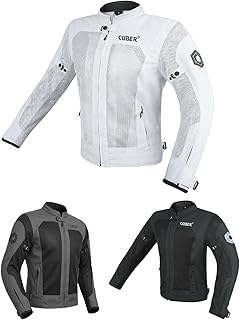
Top 10 Accessories
Curated picks for the Yamaha Virago 250 — owned, ridden, recommended.




Problèmes courants
🔥 1 CRITICALCold start behavior, idle quality, throttle response hesitation
Fuel flow on reserve, vacuum line condition
Battery voltage at idle, lights dimming at low RPM
Oil residue on fork tubes, front brake effectiveness
✅Liste de contrôle préalable à l'achat
Solid learner bike, easy cheap maintenance overall
Full Specifications
Rivals & Alternatives
Bikes that buyers cross-shop with the Yamaha Virago 250
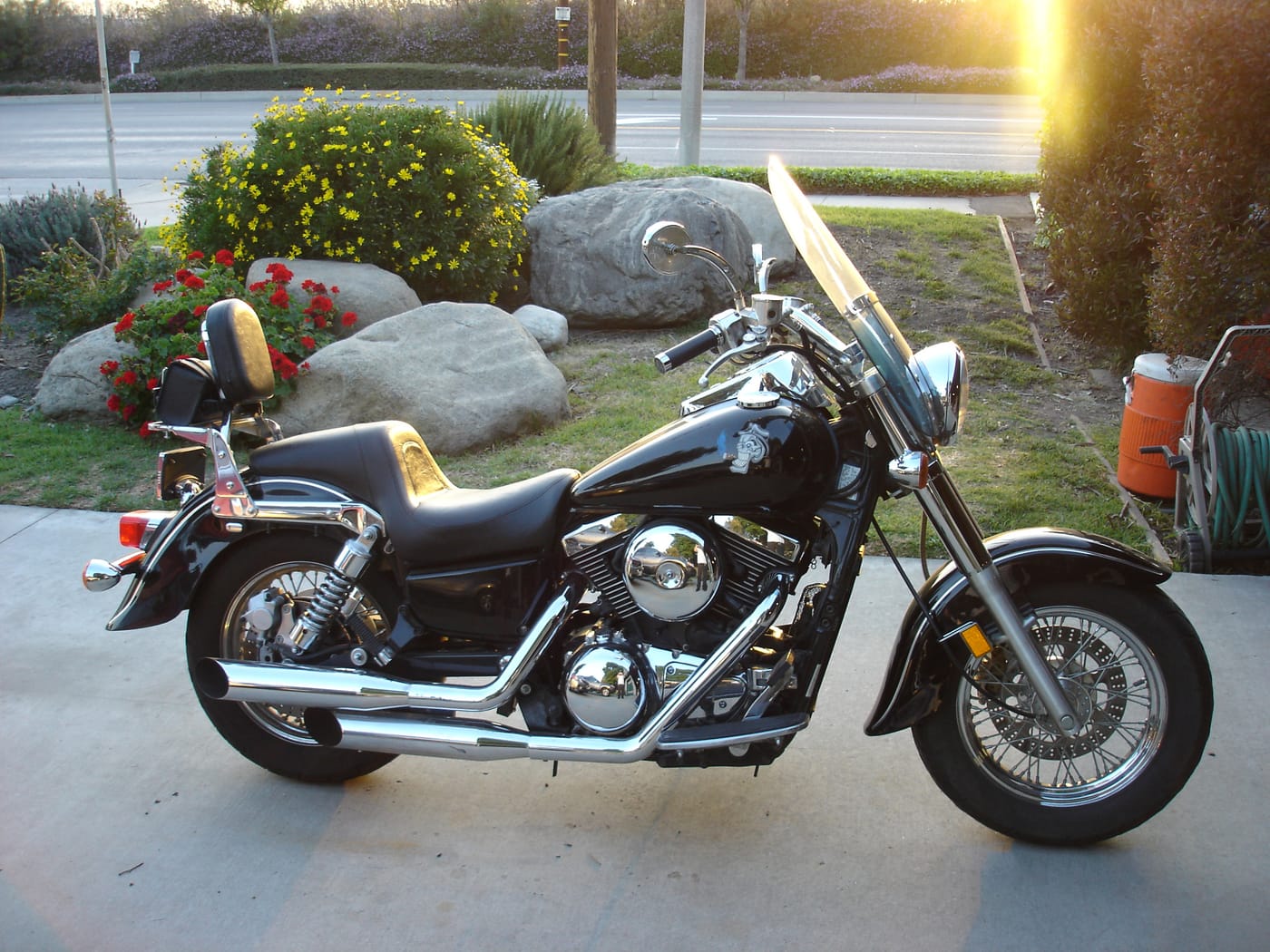
Kawasaki Eliminator 125
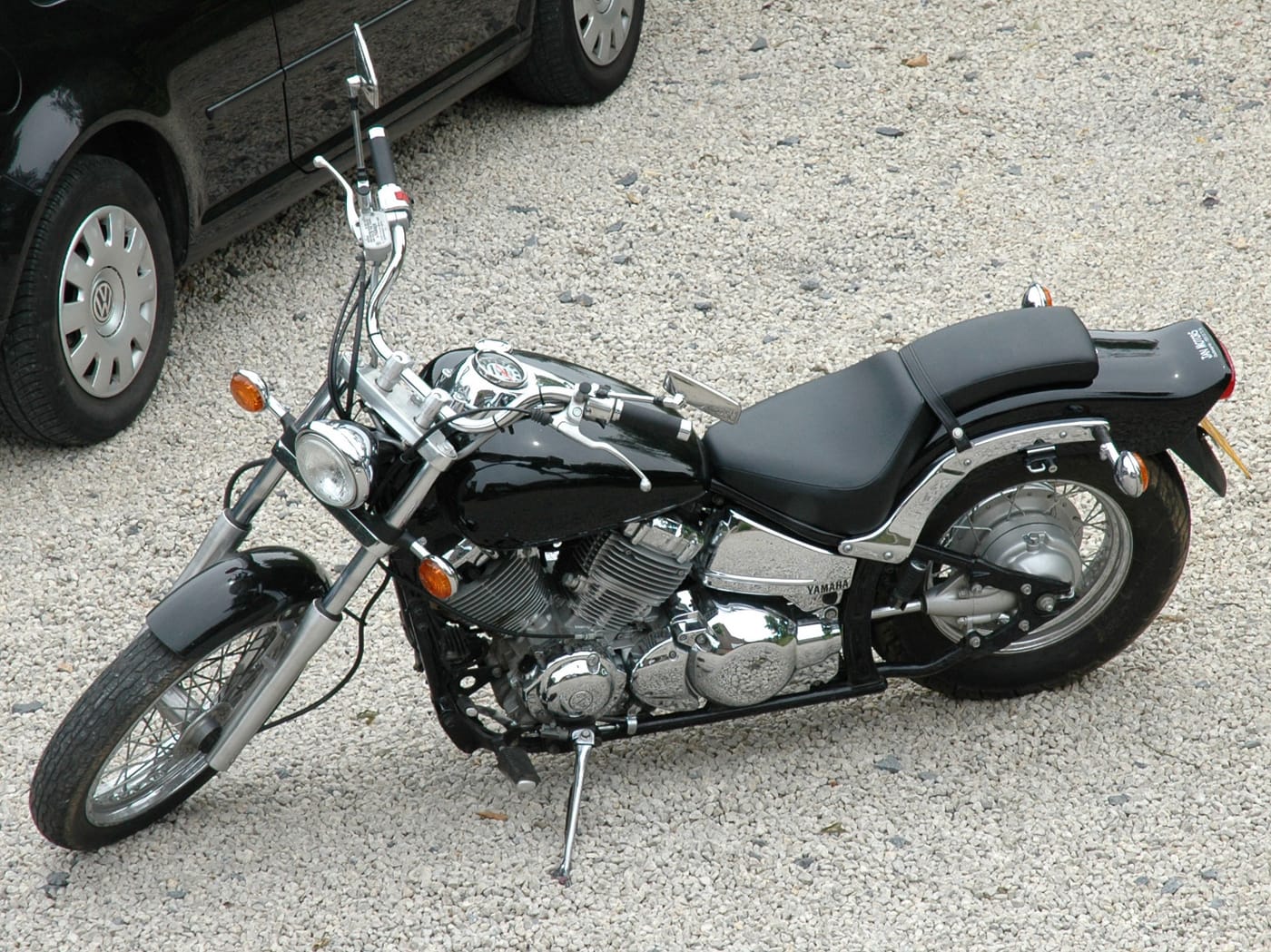
Yamaha V-star 250
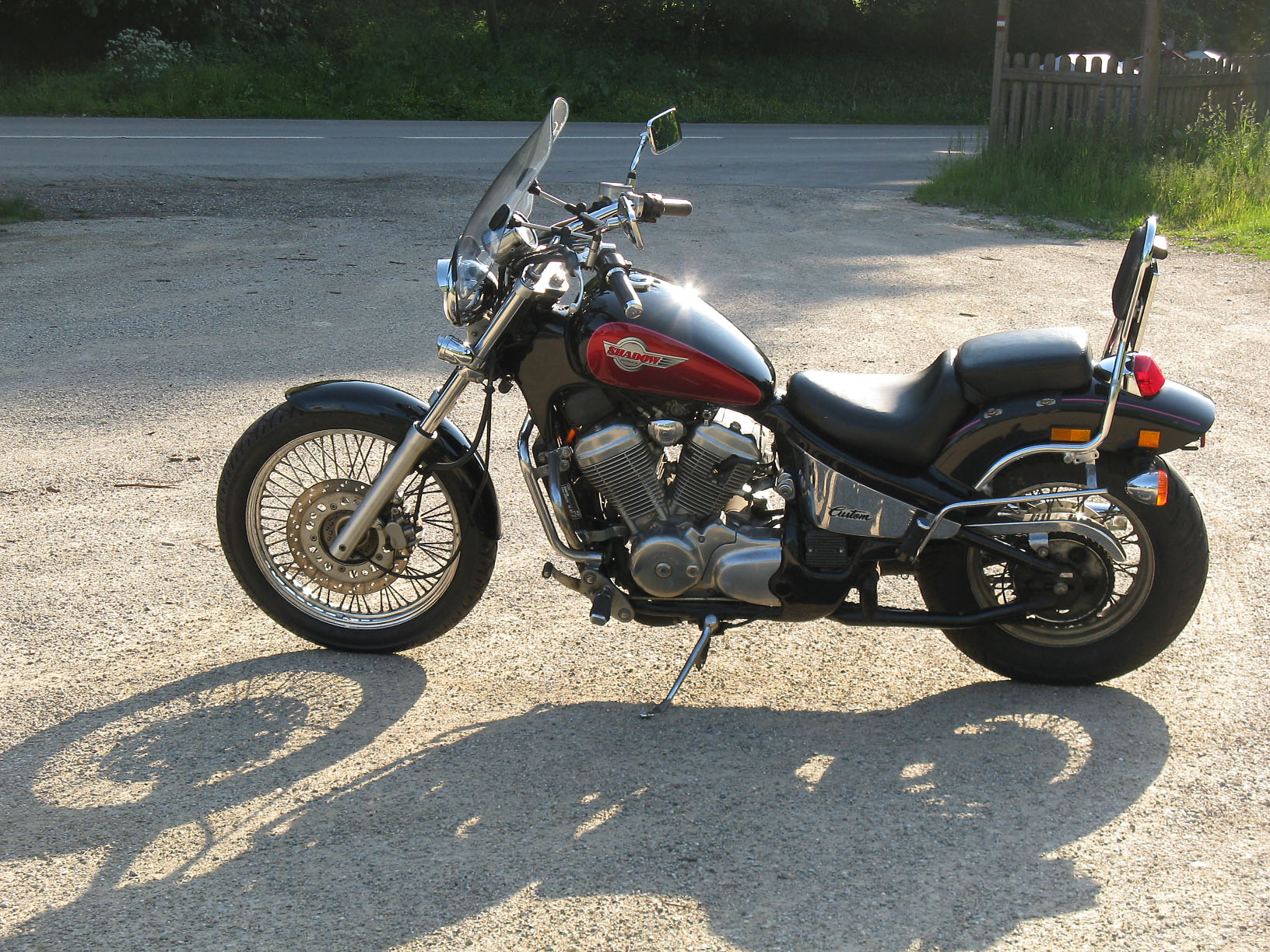
Honda Vt600 Shadow Vlx

Hyosung Aquila 250
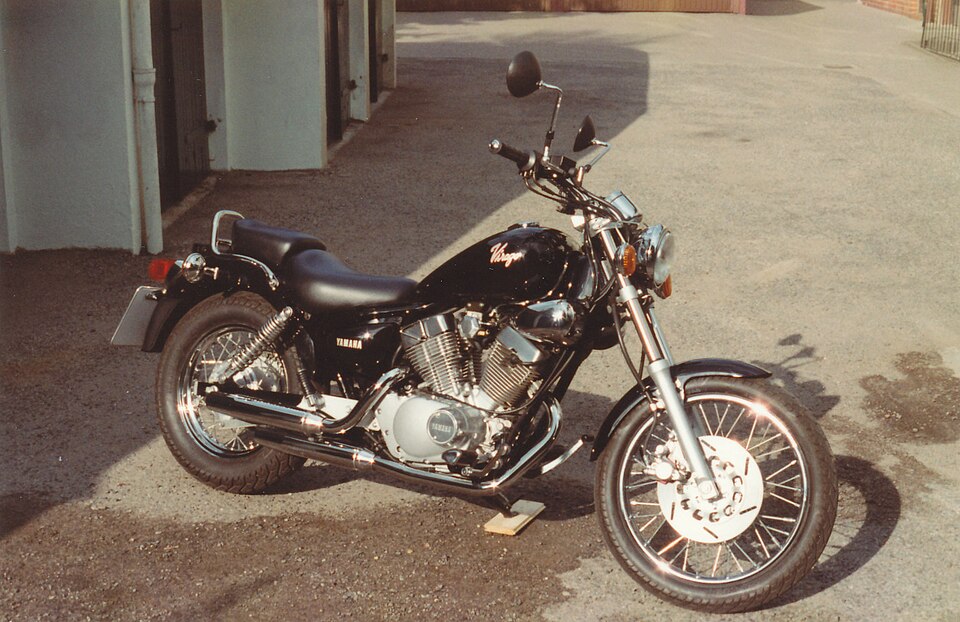
Yamaha Xv250 Virago
Compare Yamaha Virago 250 Side-by-Side
compare_arrowsSpecs, power, weight & buyer verdict — head-to-head with the bikes most often cross-shopped.
Yamaha Virago 250 vs Kawasaki Eliminator 125
Specs · Power · Buyer verdict
Yamaha Virago 250 vs Yamaha V-star 250
Specs · Power · Buyer verdict
Yamaha Virago 250 vs Honda Vt600 Shadow Vlx
Specs · Power · Buyer verdict
Yamaha Virago 250 vs Hyosung Aquila 250
Specs · Power · Buyer verdict
Yamaha Virago 250 vs Yamaha Xv250 Virago
Specs · Power · Buyer verdict
More Yamaha Virago 250 Guides
More from Yamaha
View all Yamaha models →Community Reviews
Discussion
Frequently Asked Questions
What are common problems with the Yamaha Virago 250? +
Carburetors gummed up from ethanol fuel sitting: Cold start behavior, idle quality, throttle response hesitation (moderate) | Petcock diaphragm cracked causing fuel flow issues: Fuel flow on reserve, vacuum line condition (moderate) | Rectifier regulator failure killing battery: Battery voltage at idle, lights dimming at low RPM (serious)
Is the Yamaha Virago 250 a good motorcycle? +
The perfect starter bike you'll sadly outgrow fast. Rating: 7.5/10. Best for: New riders wanting confidence before upgrading soon. Avoid if: You want one bike for life.
What is the horsepower of the Yamaha Virago 250? +
The Yamaha Virago 250 produces 21 hp @ 8,000 rpm, with 20 Nm @ 6,000 rpm of torque. Top speed: 130 km/h.
Is the Yamaha Virago 250 good for beginners? +
Yes — the Yamaha Virago 250 is a reasonable choice for new riders (21 hp is manageable), weighing 148 kg. New riders wanting confidence before upgrading soon
Is the Yamaha Virago 250 reliable? +
Owners report 1 critical issue to watch for on the Yamaha Virago 250, notably: Rectifier regulator failure killing battery (Battery voltage at idle, lights dimming at low RPM). Buy with a pre-purchase inspection.
Is the Yamaha Virago 250 good for daily use? +
New riders wanting confidence before upgrading soon Fuel: 3.5 L/100km (approx. 28.5 km/L) — typical real-world average.
How fast is the Yamaha Virago 250? +
The Yamaha Virago 250 reaches a top speed of 130 km/h, producing 21 hp at 148 kg curb weight. Real-world performance depends on rider weight, gearing, and road conditions.
What gear should I buy for a Yamaha Virago 250? +
Motoryk has curated a Top 10 gear list specifically for the Yamaha Virago 250, covering engine oil, tires, chain, battery, and brake pads — see motoryk.com/bikes/yamaha/virago-250/top10. Each pick is matched to this bike's spec.