Yamaha Tricity 300
The Yamaha Tricity 300 has a top speed of 145 km/h (estimated, note: Yamaha does not officially publish top speed), produces 28 hp and weighs 271 kg. Motoryk rates it 7.5/10.
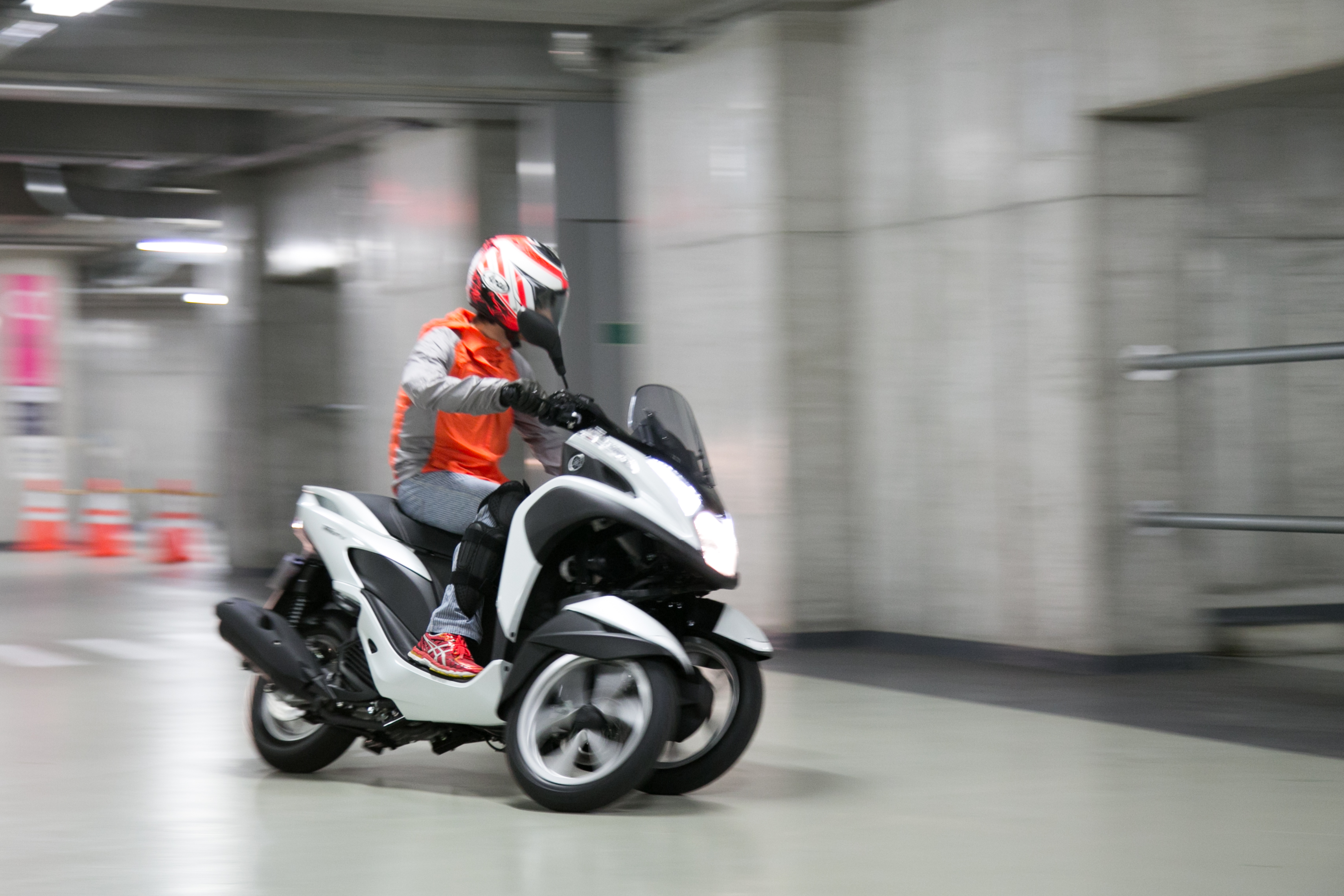
Yamaha Tricity 300 została wprowadzona w 2020 roku jako flagowy model linii skuterów wielokołowych (LMW) Yamaha Tricity, zastępując mniejszy Tricity 155. Wyposażony jest w autorską technologię Leaning Multi-Wheel firmy Yamaha z dwoma przednimi kołami, które przechylają się przez zakręty, zapewniając większą stabilność i pewność siebie. Tricity 300 wyróżnia się tym, że jest jednym z najbardziej wydajnych i praktycznych dostępnych trójkołowych skuterów podmiejskich, wypełniając lukę między tradycyjnymi skuterami a większym modelem sportowym NIKEN Yamaha.
28 hp
Moc
29 Nm
Moment obrotowy
271 kg
Waga
145 km/h (estimated, note: Yamaha does not officially publish top speed)
Prędkość maksymalna
3.7 L/100km (approx. 27 km/L, typical real-world average)
Paliwo
Fair
Ciało
🔧 Service Schedule & Parts
Affiliate · we may earn| Service item | Every | Typical cost | Parts |
|---|---|---|---|
| 🛢️ Engine oil + oil filter | 6,000 km / 3,500 mi or 12 mo | $50-90 | 🛢️ Buy → ⚙️ Buy → |
| 🌬️ Air filter | 12,000 km / 7,500 mi | — | 🌬️ Buy → |
| ⚡ Spark plugs | 12,000 km / 7,500 mi | — | ⚡ Buy → |
| 🔧 Valve clearance check | 42,000 km / 26,000 mi | $250-450 | |
| 🔗 Chain & sprockets | N/A - belt/shaft drive km (replace) | $N/A | 🔗 Buy → |
| 🛑 Brake pads | 15000-25000 km | $40-80 | 🛑 Buy → |
| 💧 Brake fluid | 24,000 km / 15,000 mi or 2 yr | — | |
| 🧊 Coolant | 24,000 km / 15,000 mi | — | |
| 🛞 Tires | 12000-20000 km | $250-450 | 🛞 Buy → |
| 🔩 Major service | 24,000 km / 15,000 mi | $350-650 |
Video Review
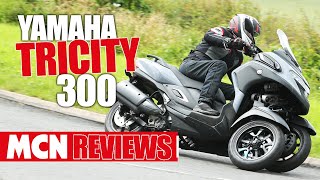
Co kupujący powinni wiedzieć
Unique Leaning Front Wheels
The Tricity 300 features Yamaha's LMW (Leaning Multi-Wheel) technology with two front wheels, providing significantly more grip and stability in corners and on slippery surfaces compared to traditional scooters.
Watch the LMW Linkage
The front leaning mechanism linkage and bearings should be inspected regularly, as dirt and wear can cause stiffness or uneven leaning — a known maintenance point that can be costly if neglected.
Strong Resale Value
Due to its niche three-wheel design and limited competition in the segment, the Tricity 300 holds its value well, often retaining 70–80% of its price after two years when properly maintained.
Pokolenia i specyfikacje według roku
Początkowe wydanie; jednocylindrowy chłodzony cieczą 292 cm3, przechylne podwozie trzykołowe LMW, kontrola trakcji, standard ABS.
Recenzja używanego kupującego
"A genuinely clever commuter that rewards patient, urban-focused riders enormously."
$6,500-$9,500 usedThe Tricity 300 is genuinely unlike anything else on the used market, and that's both its strength and its complication. That leaning three-wheel front end isn't a gimmick — it genuinely transforms wet-road confidence and gives you grip levels that'll embarrass plenty of two-wheelers. The 292cc engine is smooth rather than exciting, but it pulls cleanly from low revs and makes urban commuting almost boringly effortless. LMW technology works exactly as advertised. Buying used, check the front suspension linkages obsessively — any clunking or stiffness in the leaning mechanism is expensive to fix and often neglected by previous owners. The underseat storage is laughably small for a maxi-scooter, and long-distance riders will hate the wind protection. Expect 55-65mpg in real-world use, which softens the higher purchase price somewhat. Parts availability is improving but still patchy outside major cities.
Top 10 Accessories
Curated picks for the Yamaha Tricity 300 — owned, ridden, recommended.




Typowe problemy
Rock handlebars, feel for grinding or resistance when leaning
Inspect both front tires for uneven or cupped wear patterns
Open and close seat multiple times, check latch engagement
Listen for belt slipping, ask for CVT service history
✅Lista kontrolna przed zakupem
Generally solid, but leaning system needs attention
Full Specifications
Rivals & Alternatives
Bikes that buyers cross-shop with the Yamaha Tricity 300
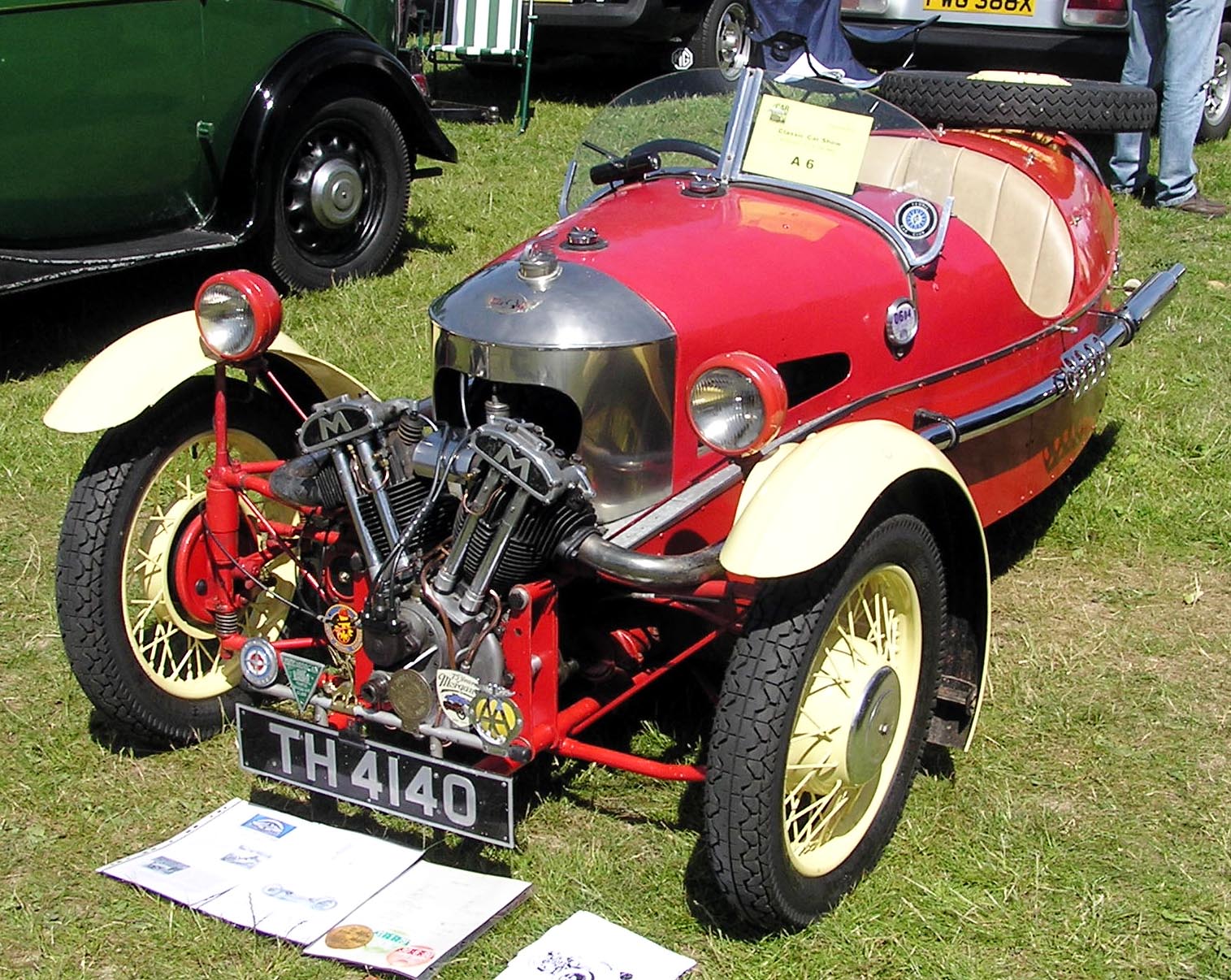
Kymco Cv3
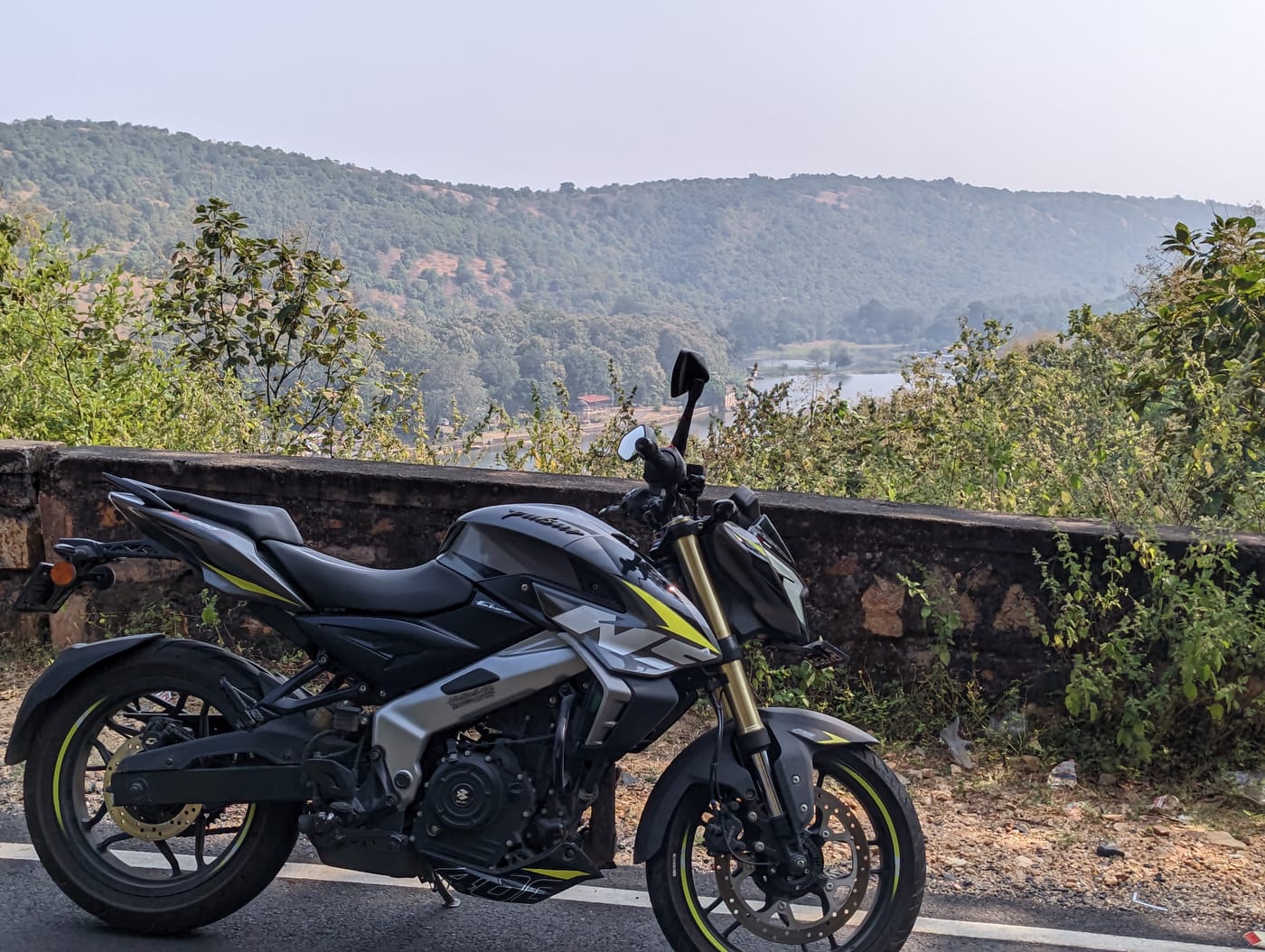
Piaggio Mp3 400
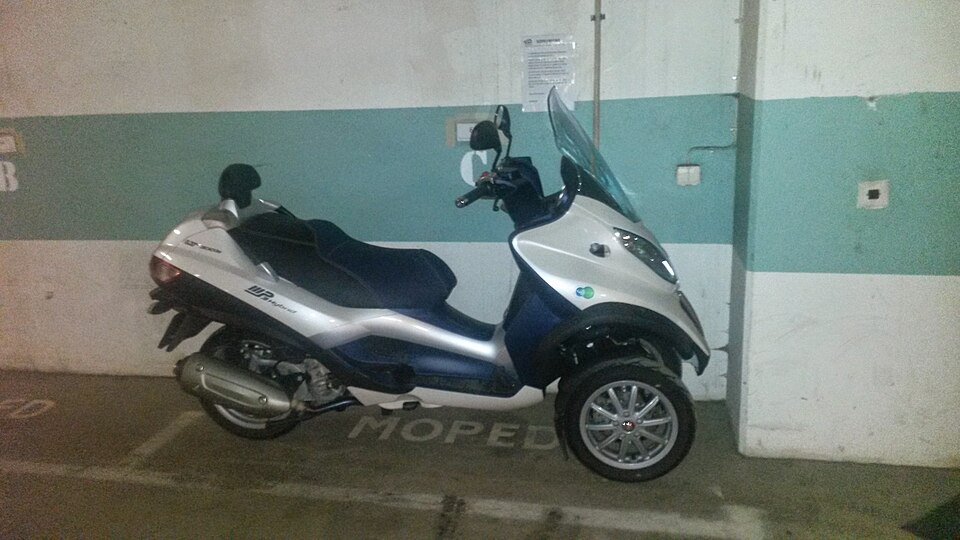
Piaggio Mp3 300
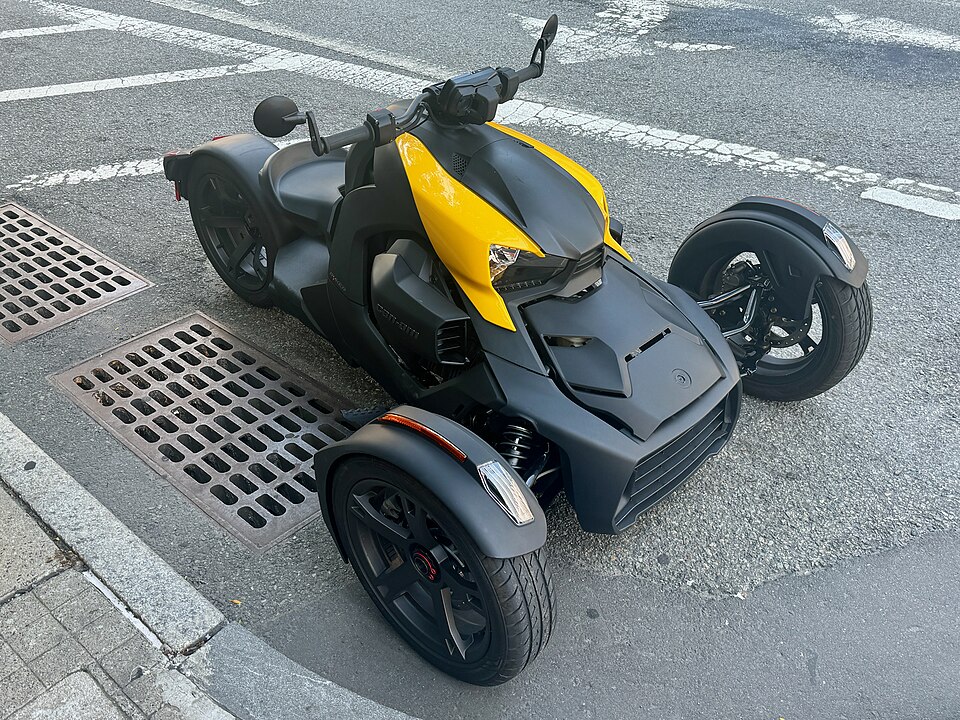
Can-am Ryker 900
Peugeot Metropolis 400
Compare Yamaha Tricity 300 Side-by-Side
compare_arrowsSpecs, power, weight & buyer verdict — head-to-head with the bikes most often cross-shopped.
Yamaha Tricity 300 vs Kymco Cv3
Specs · Power · Buyer verdict
Yamaha Tricity 300 vs Piaggio Mp3 400
Specs · Power · Buyer verdict
Yamaha Tricity 300 vs Piaggio Mp3 300
Specs · Power · Buyer verdict
Yamaha Tricity 300 vs Can-am Ryker 900
Specs · Power · Buyer verdict
Yamaha Tricity 300 vs Peugeot Metropolis 400
Specs · Power · Buyer verdict
More Yamaha Tricity 300 Guides
More from Yamaha
View all Yamaha models →Community Reviews
Discussion
Frequently Asked Questions
What are common problems with the Yamaha Tricity 300? +
Front LMW leaning mechanism wear/stiffness: Rock handlebars, feel for grinding or resistance when leaning (moderate) | Front tire uneven wear from misaligned wheels: Inspect both front tires for uneven or cupped wear patterns (moderate) | Underseat storage latch failure: Open and close seat multiple times, check latch engagement (minor)
Is the Yamaha Tricity 300 a good motorcycle? +
A genuinely clever commuter that rewards patient, urban-focused riders enormously. Rating: 7.5/10. Best for: Urban commuters prioritising wet-weather safety above all. Avoid if: You want weekend touring or sporty riding.
What is the horsepower of the Yamaha Tricity 300? +
The Yamaha Tricity 300 produces 28 hp @ 7,750 rpm, with 29 Nm @ 5,500 rpm of torque. Top speed: 145 km/h (estimated, note: Yamaha does not officially publish top speed).
Is the Yamaha Tricity 300 good for beginners? +
Yes — the Yamaha Tricity 300 is a reasonable choice for new riders (28 hp is manageable), weighing 271 kg. Urban commuters prioritising wet-weather safety above all
Is the Yamaha Tricity 300 reliable? +
The Yamaha Tricity 300 has no widely-reported critical reliability issues. 4 minor issues are documented — see the Common Problems section above.
Is the Yamaha Tricity 300 good for daily use? +
Urban commuters prioritising wet-weather safety above all Fuel: 3.7 L/100km (approx. 27 km/L, typical real-world average).
How fast is the Yamaha Tricity 300? +
The Yamaha Tricity 300 reaches a top speed of 145 km/h (estimated, note: Yamaha does not officially publish top speed), producing 28 hp at 271 kg curb weight. Real-world performance depends on rider weight, gearing, and road conditions.
What gear should I buy for a Yamaha Tricity 300? +
Motoryk has curated a Top 10 gear list specifically for the Yamaha Tricity 300, covering engine oil, tires, chain, battery, and brake pads — see motoryk.com/bikes/yamaha/tricity-300/top10. Each pick is matched to this bike's spec.