Yamaha Mio 125
The Yamaha Mio 125 has a top speed of ~95 km/h (estimated; may vary by variant and market), produces ~9.0 hp and weighs ~93-96 kg. Motoryk rates it 7/10.
Le Yamaha Mio a été introduit en 2003 en Indonésie et en Thaïlande en tant que l'un des premiers scooters automatiques de Yamaha ciblant les marchés de l'Asie du Sud-Est, contribuant ainsi à lancer le segment des scooters CVT dans la région. La version 125 cm3 est devenue très populaire dans les pays de l'ASEAN, notamment en Thaïlande, en Indonésie et aux Philippines, donnant naissance à de nombreuses variantes telles que le Mio Soul, le Mio GT et le Mio M3 au fil des ans. Il reste l'un des modèles les plus vendus de Yamaha en Asie du Sud-Est, connu pour sa légèreté, son efficacité énergétique et son ergonomie adaptée aux femmes.
~9.0 hp
Pouvoir
~9.6 Nm
Torque
~93-96 kg
Poids
~95 km/h (estimated; may vary by variant and market)
Vitesse maximale
~45-55 km/L (approximately 1.8-2.2 L/100km, real-world average)
Carburant
Caréné
Corps
🔧 Service Schedule & Parts
Affiliate · we may earn| Service item | Every | Typical cost | Parts |
|---|---|---|---|
| 🛢️ Engine oil + oil filter | 3,000 km / 2,000 mi or 6 mo | $30-60 | 🛢️ Buy → ⚙️ Buy → |
| 🌬️ Air filter | 6,000 km / 3,500 mi | — | 🌬️ Buy → |
| ⚡ Spark plugs | 12,000 km / 7,500 mi | — | ⚡ Buy → |
| 🔧 Valve clearance check | 24,000 km / 15,000 mi | $150-300 | |
| 🔗 Chain & sprockets | 20000-30000 km (replace) | $100-200 | 🔗 Buy → |
| 🛑 Brake pads | 15000-25000 km | $20-50 | 🛑 Buy → |
| 💧 Brake fluid | 24,000 km / 15,000 mi or 2 yr | — | |
| 🧊 Coolant | 24,000 km / 15,000 mi | — | |
| 🛞 Tires | 15000-25000 km | $150-300 | 🛞 Buy → |
| 🔩 Major service | 24,000 km / 15,000 mi | $200-500 |
Video Review
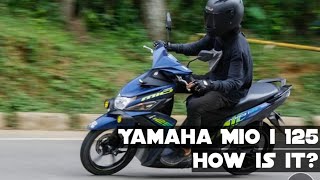
Ce que les acheteurs doivent savoir
Proven Engine Reliability
The Mio 125's Blue Core engine is known for exceptional longevity, often surpassing 50,000 km with minimal issues when given regular oil changes every 2,000-3,000 km.
Watch the CVT Belt
The CVT (Continuously Variable Transmission) belt and rollers are a common wear item — inspect them around 20,000 km to avoid sudden belt snapping and costly roadside breakdowns.
Strong Resale Value
The Yamaha Mio 125 holds its value well in Southeast Asian markets due to high demand and brand trust, typically retaining 60–70% of its value after 3 years of normal use.
Générations et spécifications par année
Le Mio 125 original a été lancé en Indonésie ; moteur de 113 cm3 refroidi par air, transmission CVT automatique, plate-forme de scooter légère.
"La révolution des scooters en Asie du Sud-Est a commencé ici."
Le Mio original a véritablement changé la façon dont les gens conduisaient en Indonésie : à 93 kg, il semblait presque incroyablement léger en sortie de ligne, et la CVT fonctionnait parfaitement au ralenti, sans l'anxiété liée au glissement de l'embrayage des vélos manuels dans les embouteillages. Le moteur de 113 cm3 n'a jamais prétendu être sportif ; les vitesses sur les autoroutes supérieures à 80 km/h devenaient bruyantes et nerveuses, et le dépassement des camions exigeait une planification sérieuse. Mais en ville, il s'agissait d'un appareil chirurgical : suffisamment étroit pour faciliter la circulation, suffisamment bas pour que les passagers de petite taille puissent planter les deux pieds à plat et suffisamment économique pour fournir des chiffres de carburant qui faisaient pleurer de joie les navetteurs. Les premiers modèles à carburateur devaient être nettoyés tous les 5 000 km, sinon le ralenti tournait mal, et le frein à tambour avant était vraiment médiocre sur sol mouillé, mais rien dans les problèmes de cette moto n'était surprenant ou catastrophique.
Pros
Les inconvénients
Style de carrosserie révisé, graphismes et options de couleur mis à jour, améliorations mineures apportées au carburateur et au système d'alimentation.
"Honnête bourreau de travail urbain qui surprend rarement, ne déçoit jamais."
J'ai parcouru environ 14 000 km sur un Mio 2009 à travers la circulation de Jakarta et des tronçons d'autoroute occasionnels, mais cela a tout simplement refusé de me dramatiser, ce qui constitue à la fois sa plus grande force et sa frustration discrète. La cartographie des glucides révisée par rapport à la première génération a atténué l'agaçant trébuchement à mi-régime que j'avais ressenti sur les appareils précédents, et les démarrages à froid sont devenus vraiment fiables, même les matins humides. La vitesse maximale est de 88 à 90 km/h en conditions réelles, et non les 95 prétendues. Ne prévoyez donc pas de suivre le rythme de plus gros automatismes sur les routes à péage. L'espace de rangement situé sous le siège peut contenir un demi-casque, mais vous devez essayer de l'adapter à un casque intégral. Au bout de 18 mois, le pivot de la béquille centrale a commencé à grincer mal, ce n'est pas grand-chose, mais ça s'additionne.
Pros
Les inconvénients
Nouvelle variante du Mio J ; châssis plus léger, injection de carburant introduite sur certains marchés, réglage du moteur 113 cc mis à jour.
Introduction de la technologie Blue Core ; efficacité énergétique améliorée, piston forgé, cylindre DiaSil, injection de carburant de série sur toute la gamme.
Carrosserie rafraîchie, éclairage LED mis à jour, système sans clé intelligent sur les variantes haut de gamme, améliorations de la conformité en matière d'émissions.
Nouvelles améliorations en matière d'émissions pour la conformité à la norme Euro 5, carénage avant redessiné, fonctionnalités de connectivité améliorées sur certaines variantes.
Évaluation d'un acheteur d'occasion
"The sensible urban runabout that rarely disappoints if bought carefully."
$800-$1,800 usedThe Mio 125 is about as bulletproof as small automatics get, and used examples are everywhere — which is both a blessing and a curse. The CVT belt and rollers are the first things to check; owners who never serviced them will hand you a bike that slips or surges under load. Pull the seat and look for DIY wiring bodges around the ignition area, a favourite trick of theft-attempted bikes. Air filter condition tells you everything about how the previous owner treated it. Riding it honestly? It's competent, not exciting. The 125cc single pulls smoothly through town and the underseat storage swallows a full-face helmet without drama. But highway stints above 90kph get tiresome fast, and the suspension is tuned for lighter Southeast Asian riders — larger riders will bottom it out on poor roads. Brakes are adequate at urban speeds, nothing more. For commuting duties under 40km daily, a well-maintained Mio 125 at the right price is genuinely hard to argue against. Just don't let enthusiasm override a proper inspection.
Top 10 Accessories
Curated picks for the Yamaha Mio 125 — owned, ridden, recommended.





Problèmes courants
🔥 1 CRITICALJerky acceleration, belt slipping, unusual rattling noise
Hard cold starts, rough idle, poor fuel economy
Slow crank, dim lights, frequent jump starts needed
Oil stains on fork legs, soft bouncy handling
✅Liste de contrôle préalable à l'achat
Reliable commuter, maintain CVT and fuel system
Full Specifications
Rivals & Alternatives
Bikes that buyers cross-shop with the Yamaha Mio 125
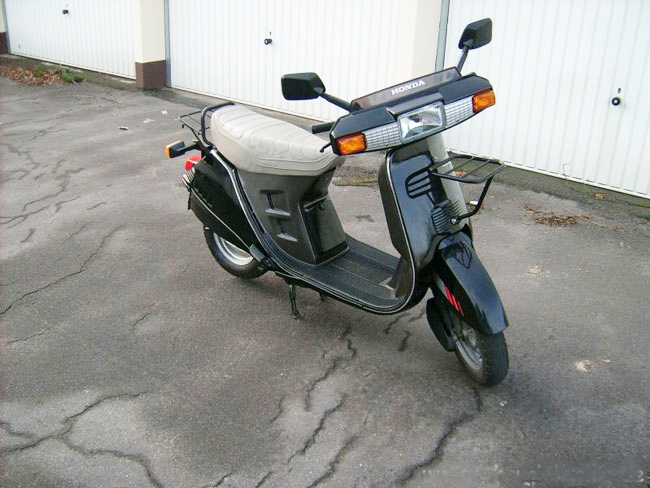
Tvs Jupiter 125
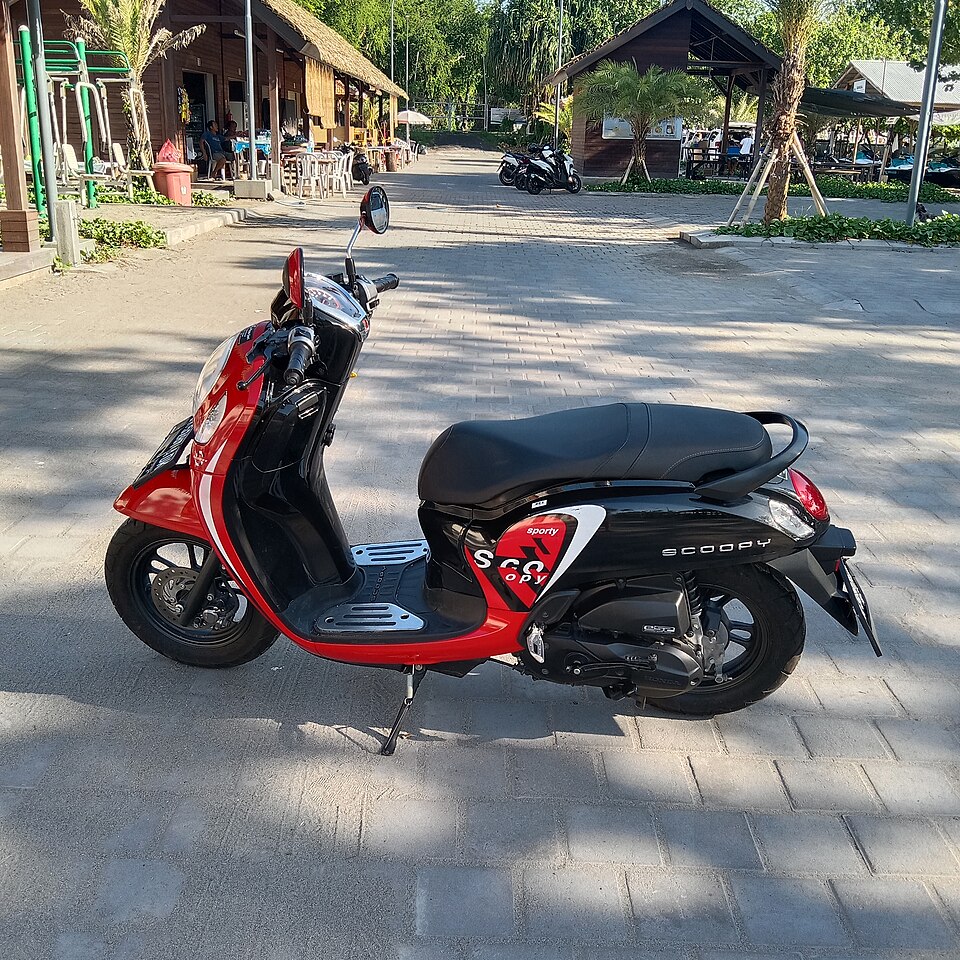
Honda Scoopy 125

Hero Maestro Edge 125
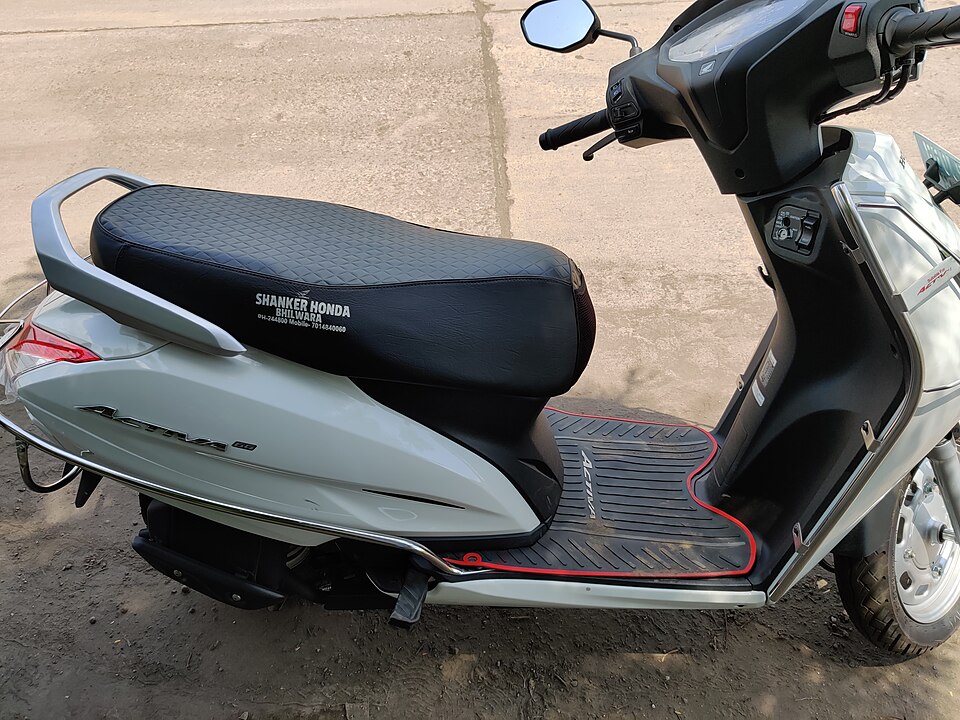
Honda Activa 6g
Honda Activa 125
Compare Yamaha Mio 125 Side-by-Side
compare_arrowsSpecs, power, weight & buyer verdict — head-to-head with the bikes most often cross-shopped.
Yamaha Mio 125 vs Tvs Jupiter 125
Specs · Power · Buyer verdict
Yamaha Mio 125 vs Honda Scoopy 125
Specs · Power · Buyer verdict
Yamaha Mio 125 vs Hero Maestro Edge 125
Specs · Power · Buyer verdict
Yamaha Mio 125 vs Honda Activa 6g
Specs · Power · Buyer verdict
Yamaha Mio 125 vs Honda Activa 125
Specs · Power · Buyer verdict
More Yamaha Mio 125 Guides
More from Yamaha
View all Yamaha models →Community Reviews
Discussion
Frequently Asked Questions
What are common problems with the Yamaha Mio 125? +
CVT belt and roller wear: Jerky acceleration, belt slipping, unusual rattling noise (moderate) | Fuel injector clogging: Hard cold starts, rough idle, poor fuel economy (moderate) | Battery drain and weak charging: Slow crank, dim lights, frequent jump starts needed (minor)
Is the Yamaha Mio 125 a good motorcycle? +
The sensible urban runabout that rarely disappoints if bought carefully. Rating: 7.0/10. Best for: Urban commuters wanting cheap, reliable daily transport. Avoid if: You ride highways or carry heavy passenger loads.
What is the horsepower of the Yamaha Mio 125? +
The Yamaha Mio 125 produces ~9.0 hp @ 8,000 rpm (note: varies slightly by market variant and year), with ~9.6 Nm @ 5,500 rpm (note: varies slightly by market variant and year) of torque. Top speed: ~95 km/h (estimated; may vary by variant and market).
Is the Yamaha Mio 125 good for beginners? +
Yes — the Yamaha Mio 125 is a reasonable choice for new riders (9 hp is manageable), weighing 93 kg. Urban commuters wanting cheap, reliable daily transport
Is the Yamaha Mio 125 reliable? +
Owners report 1 critical issue to watch for on the Yamaha Mio 125, notably: Front fork oil leak (Oil stains on fork legs, soft bouncy handling). Buy with a pre-purchase inspection.
Is the Yamaha Mio 125 good for daily use? +
Urban commuters wanting cheap, reliable daily transport Fuel: ~45-55 km/L (approximately 1.8-2.2 L/100km, real-world average).
How fast is the Yamaha Mio 125? +
The Yamaha Mio 125 reaches a top speed of ~95 km/h (estimated; may vary by variant and market), producing 9 hp at 93 kg curb weight. Real-world performance depends on rider weight, gearing, and road conditions.
What gear should I buy for a Yamaha Mio 125? +
Motoryk has curated a Top 10 gear list specifically for the Yamaha Mio 125, covering engine oil, tires, chain, battery, and brake pads — see motoryk.com/bikes/yamaha/mio-125/top10. Each pick is matched to this bike's spec.