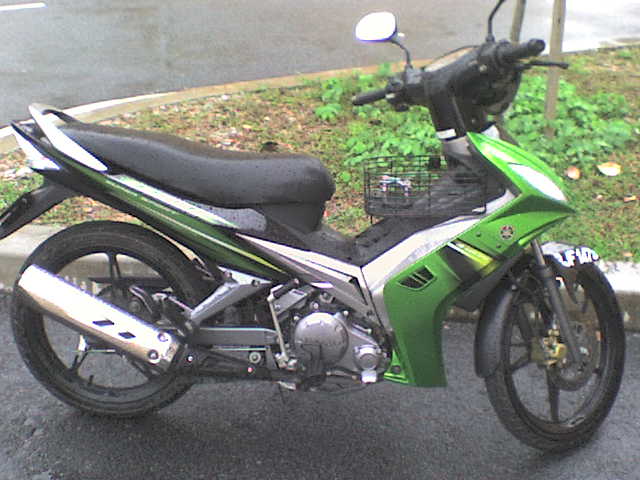
Yamaha Lc135
The Yamaha Lc135 has a top speed of 120 km/h, produces 11.4 hp and weighs 101 kg. Motoryk rates it 7.8/10.
La Yamaha LC135 (également connue sous le nom de Yamaha 135LC ou V-Ixion sur certains marchés) a été introduite en 2006, ciblant principalement les marchés de l'Asie du Sud-Est tels que la Malaisie, l'Indonésie et la Thaïlande en tant que moto Underbone abordable mais axée sur les performances. Il a remplacé l'emblématique Yamaha RXZ et est rapidement devenu un best-seller, réputé pour son moteur 4 temps à injection de carburant, son design sportif et sa solide communauté de réglages sur le marché des pièces de rechange. Le LC135 a fait l'objet de plusieurs mises à jour générationnelles (jusqu'aux 5e et 6e générations), y a ajouté l'injection de carburant (FI) en 2012 et a continuellement amélioré ses performances et ses fonctionnalités, consolidant ainsi son statut d'icône culturelle dans la région.
11.4 hp
Pouvoir
10.6 Nm
Torque
101 kg
Poids
120 km/h
Vitesse maximale
2.2 L/100km or approximately 45 km/L (typical real-world average)
Carburant
Nue
Corps
🔧 Service Schedule & Parts
Affiliate · we may earn| Service item | Every | Typical cost | Parts |
|---|---|---|---|
| 🛢️ Engine oil + oil filter | 3,000 km / 2,000 mi or 6 mo | $20-40 | 🛢️ Buy → ⚙️ Buy → |
| 🌬️ Air filter | 12,000 km / 7,500 mi | — | 🌬️ Buy → |
| ⚡ Spark plugs | 12,000 km / 7,500 mi | — | ⚡ Buy → |
| 🔧 Valve clearance check | 24,000 km / 15,000 mi | $150-300 | |
| 🔗 Chain & sprockets | 20000-35000 km (replace) | $80-150 | 🔗 Buy → |
| 🛑 Brake pads | 15000-25000 km | $20-50 | 🛑 Buy → |
| 💧 Brake fluid | 24,000 km / 15,000 mi or 2 yr | — | |
| 🛞 Tires | 15000-25000 km | $150-300 | 🛞 Buy → |
| 🔩 Major service | 24,000 km / 15,000 mi | $200-400 |
Video Review

Ce que les acheteurs doivent savoir
Bulletproof Engine Reliability
The LC135's 135cc engine is renowned for exceptional longevity, often exceeding 100,000km with basic maintenance. Regular oil changes every 2,000-3,000km are the key to keeping it running strong.
Watch the Carburetor
Older carbureted models (pre-fuel injection) are prone to carburetor clogging if left unused for extended periods. Always check for smooth throttle response and clean idle before buying used.
Strong Resale Value
The LC135 holds its value exceptionally well in Southeast Asian markets due to high demand and parts availability. Well-maintained units typically retain 60-70% of their value after 3 years.
Générations et spécifications par année
Lancement d'origine. Moteur à injection de carburant de 135 cm3, boîte de vitesses à 5 rapports, cadre Deltabox, pas d'option de disque avant.
"L'épine dorsale qui a réécrit pour toujours les déplacements domicile-travail en Asie du Sud-Est."
J'ai parcouru environ 18 000 km sur un LC135 de première génération sur les routes malaisiennes et cela a vraiment changé ma façon de voir les petits vélos : l'injection de carburant était quasiment inédite à ce prix en 2006, et les démarrages à froid au petit matin fonctionnaient à chaque fois. Grâce au cadre Deltabox, il est parfaitement adapté à un vélo de 101 kg ; vous pouvez vous déplacer dans la circulation en toute confiance, et le moteur de 135 cm³ refroidi par liquide fonctionne parfaitement à bas régime sans subir l'affaissement léthargique à quatre temps auquel vous vous attendez. Cela dit, la configuration de freinage à tambour seul est un véritable handicap lorsque vous roulez à 100 km/h sur l'autoroute et qu'un Proton décide de fusionner au-dessus de vous : le fondu arrive tôt et la course du levier est vague à la limite. La boîte de vitesses à 5 rapports propose également des changements de vitesse serrés lorsque l'huile n'est pas fraîche, et la mousse des sièges d'usine se transforme en une impression de contreplaqué au bout de 40 km.
Pros
Les inconvénients
Graphismes révisés, nouvelles options de couleurs, mises à jour cosmétiques mineures, mécaniquement largement inchangés par rapport à la génération 1.
Option de frein à disque avant introduite, style de carrosserie mis à jour, design du combiné d'instruments révisé.
Nouveau design des phares, panneaux de carrosserie mis à jour, forme de siège révisée, ergonomie et graphismes améliorés.
Présentation des phares à LED, refonte plus précise de la carrosserie, tableau de bord LCD mis à jour, rafraîchissement des couleurs.
Éclairage entièrement à LED, nouvelles options de livrée, réglage raffiné du châssis, graphismes et combinaisons de couleurs mis à jour.
Évaluation d'un acheteur d'occasion
"Arguably the most sensible used bike purchase under two grand."
$800-$2,000 usedThe LC135 is one of Southeast Asia's most bulletproof commuters, and buying used is genuinely sensible here. The 135cc engine is famously indestructible if it's been serviced — check the oil change history religiously because neglected units develop top-end noise that'll haunt you. The 5-speed Ymjet-FI fuel injection post-2012 models are noticeably smoother than the carb versions, so aim for those if you can stretch the budget. Handling is surprisingly engaging for something this small. It flicks through traffic with real confidence, and the clipon-style bars give it a sportier feel than you'd expect. Weak spots to watch: the rear drum brake fades badly in wet conditions, chain tensioners wear faster than they should, and the plastic fairings crack if a previous owner dropped it — and they almost certainly did. Check every panel corner carefully. Spares are dirt cheap and mechanics everywhere know this bike intimately. It's not exciting, but it's reliable, economical, and genuinely fun in the right context.
Top 10 Accessories
Curated picks for the Yamaha Lc135 — owned, ridden, recommended.





Problèmes courants
🔥 1 CRITICALStart cold, listen for rough idle or stalling
Inspect chain slack, sprocket teeth for shark-fin shape
Look for oil residue around engine top and fins
Accelerate hard in 3rd gear, feel for RPM spike
✅Liste de contrôle préalable à l'achat
Very reliable if serviced regularly and not abused
Full Specifications
Rivals & Alternatives
Bikes that buyers cross-shop with the Yamaha Lc135
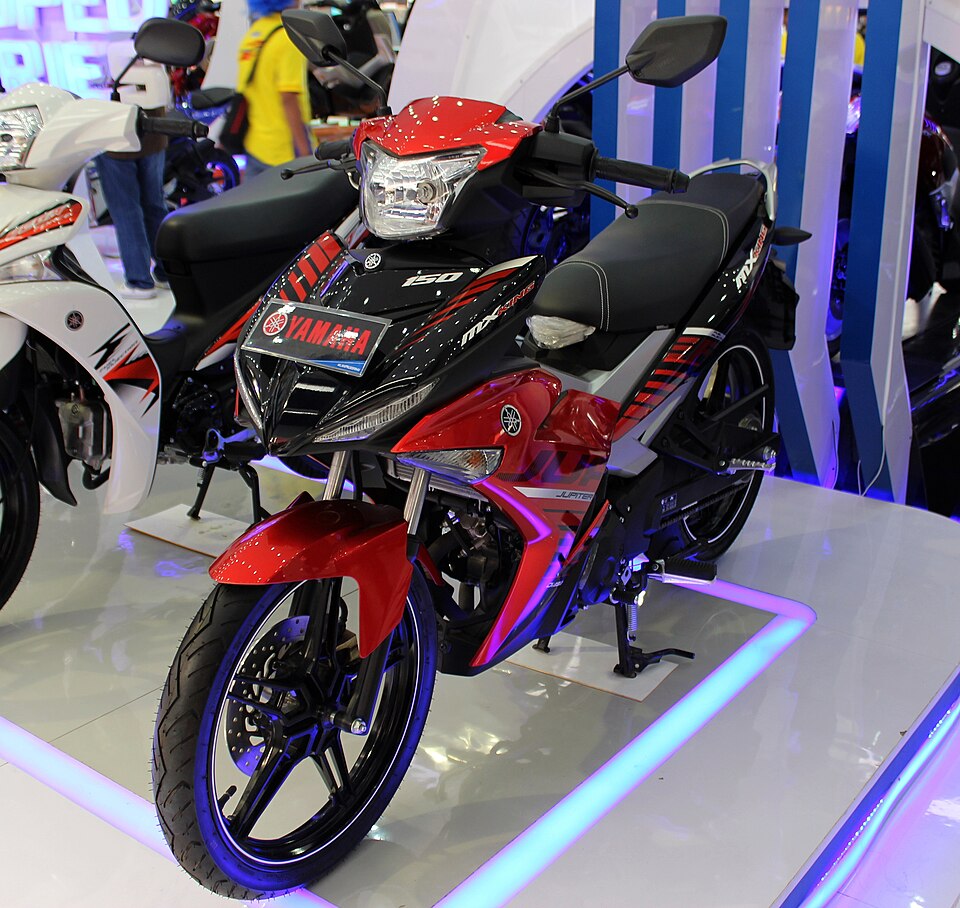
Yamaha Jupiter Mx 150
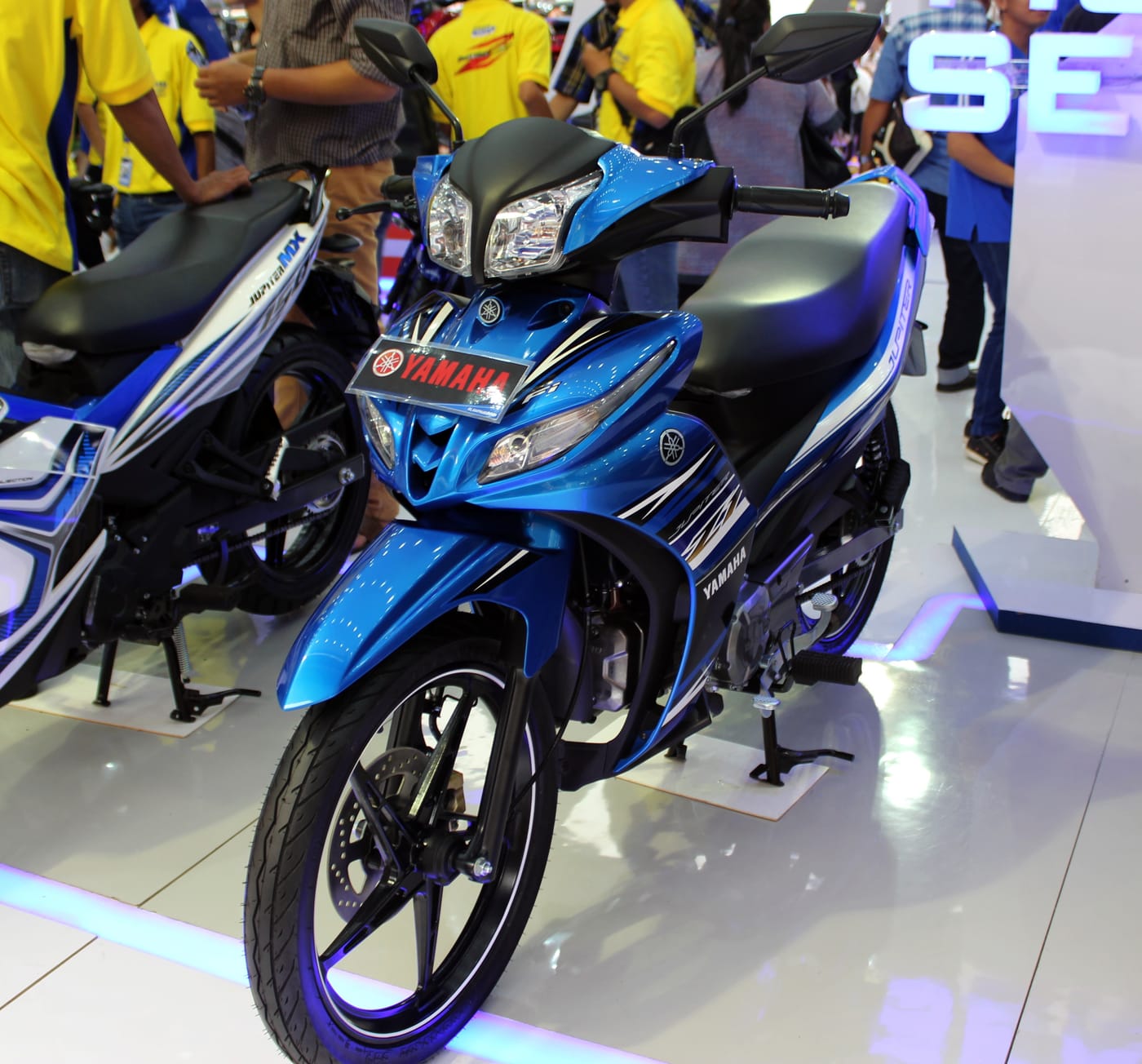
Yamaha Jupiter Z1
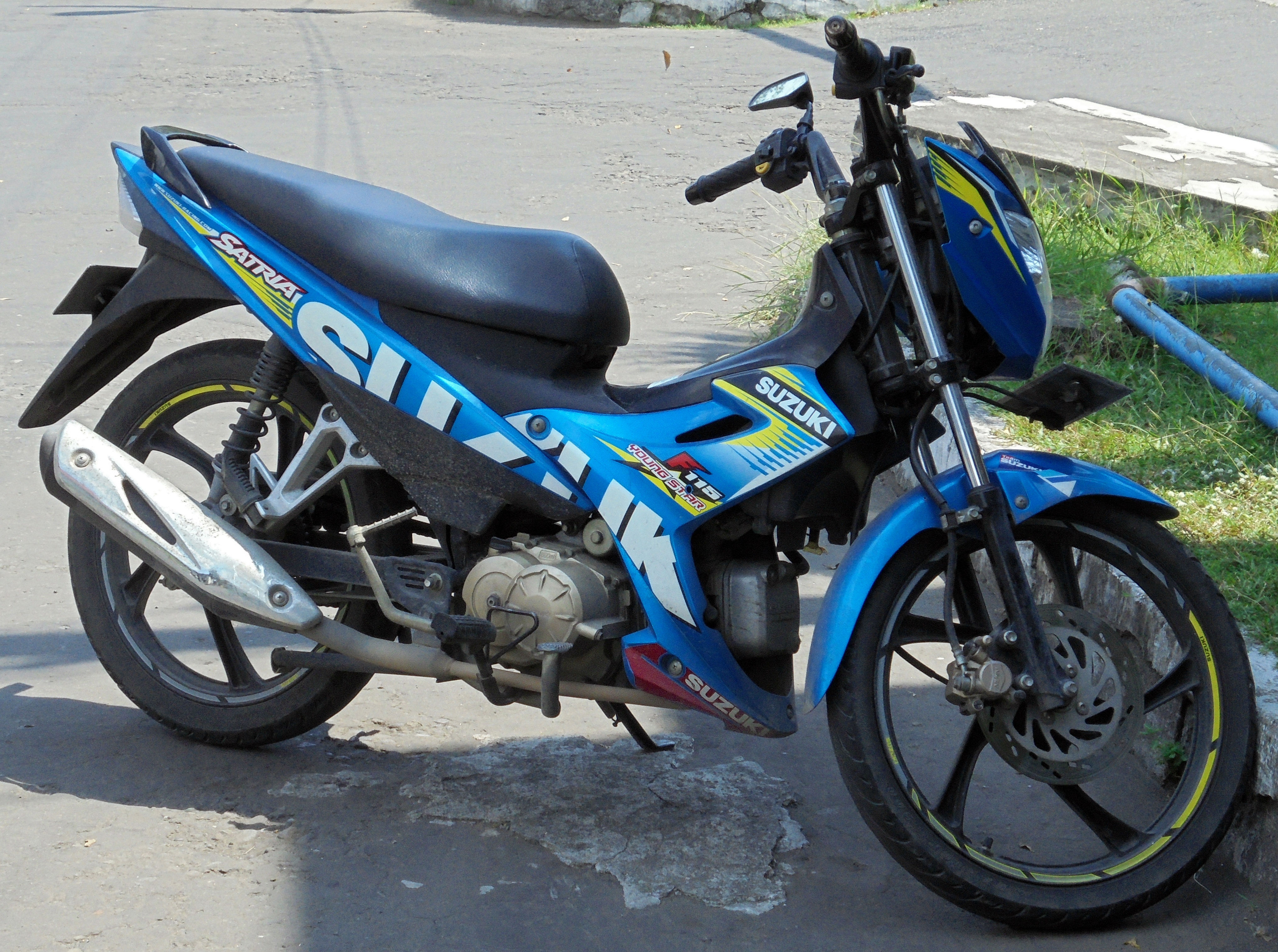
Suzuki Raider R150
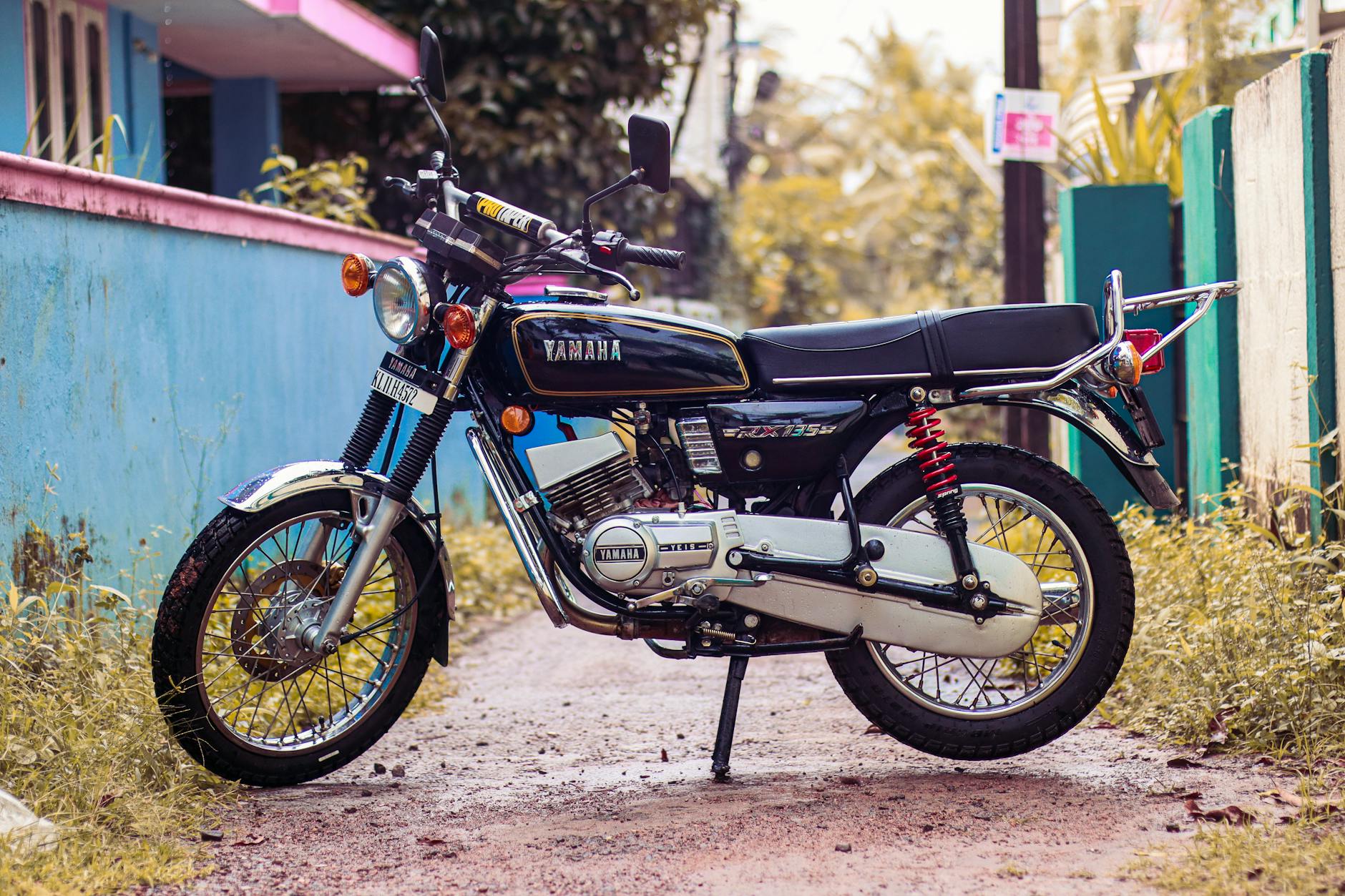
Yamaha Rdx 135

Yamaha Sz-rr 150
Compare Yamaha Lc135 Side-by-Side
compare_arrowsSpecs, power, weight & buyer verdict — head-to-head with the bikes most often cross-shopped.
Yamaha Lc135 vs Yamaha Jupiter Mx 150
Specs · Power · Buyer verdict
Yamaha Lc135 vs Yamaha Jupiter Z1
Specs · Power · Buyer verdict
Yamaha Lc135 vs Suzuki Raider R150
Specs · Power · Buyer verdict
Yamaha Lc135 vs Yamaha Rdx 135
Specs · Power · Buyer verdict
Yamaha Lc135 vs Yamaha Sz-rr 150
Specs · Power · Buyer verdict
More Yamaha Lc135 Guides
More from Yamaha
View all Yamaha models →Community Reviews
Discussion
Frequently Asked Questions
What are common problems with the Yamaha Lc135? +
Carburetor clogging and rough idling: Start cold, listen for rough idle or stalling (moderate) | Worn rear sprocket and chain stretch: Inspect chain slack, sprocket teeth for shark-fin shape (moderate) | Oil leaks from cylinder head gasket: Look for oil residue around engine top and fins (serious)
Is the Yamaha Lc135 a good motorcycle? +
Arguably the most sensible used bike purchase under two grand. Rating: 7.8/10. Best for: Budget-conscious urban commuters wanting reliable daily transport. Avoid if: You need highway speeds or touring capability.
What is the horsepower of the Yamaha Lc135? +
The Yamaha Lc135 produces 11.4 hp @ 8,000 rpm, with 10.6 Nm @ 5,500 rpm of torque. Top speed: 120 km/h.
Is the Yamaha Lc135 good for beginners? +
Yes — the Yamaha Lc135 is a reasonable choice for new riders (11.4 hp is manageable), weighing 101 kg. Budget-conscious urban commuters wanting reliable daily transport
Is the Yamaha Lc135 reliable? +
Owners report 1 critical issue to watch for on the Yamaha Lc135, notably: Oil leaks from cylinder head gasket (Look for oil residue around engine top and fins). Buy with a pre-purchase inspection.
Is the Yamaha Lc135 good for daily use? +
Budget-conscious urban commuters wanting reliable daily transport Fuel: 2.2 L/100km or approximately 45 km/L (typical real-world average).
How fast is the Yamaha Lc135? +
The Yamaha Lc135 reaches a top speed of 120 km/h, producing 11.4 hp at 101 kg curb weight. Real-world performance depends on rider weight, gearing, and road conditions.
What gear should I buy for a Yamaha Lc135? +
Motoryk has curated a Top 10 gear list specifically for the Yamaha Lc135, covering engine oil, tires, chain, battery, and brake pads — see motoryk.com/bikes/yamaha/lc135/top10. Each pick is matched to this bike's spec.