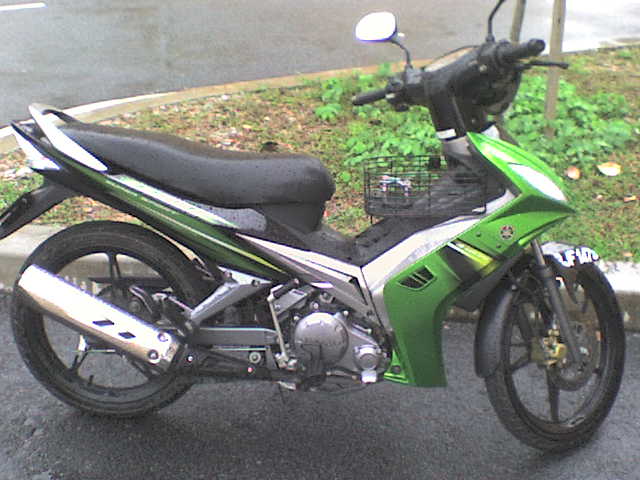
Yamaha Lc135
The Yamaha Lc135 has a top speed of 120 km/h, produces 11.4 hp and weighs 101 kg. Motoryk rates it 7.8/10.
La Yamaha LC135 (también conocida como Yamaha 135LC o V-Ixion en algunos mercados) se introdujo en 2006 y se dirigió principalmente a los mercados del sudeste asiático, como Malasia, Indonesia y Tailandia, como una motocicleta underbone asequible pero orientada al rendimiento. Sustituyó a la icónica Yamaha RXZ y rápidamente se convirtió en un superventas, famosa por su motor de 4 tiempos con inyección de combustible, su diseño deportivo y su sólida comunidad de tuneadores del mercado de accesorios. La LC135 ha sido objeto de varias actualizaciones generacionales (hasta llegar a la quinta y sexta generación), añadiendo la inyección de combustible (FI) en 2012 y perfeccionando continuamente el rendimiento y las prestaciones, consolidando su posición como icono cultural de la región.
11.4 hp
Potencia
10.6 Nm
Torsión
101 kg
Peso
120 km/h
Velocidad máxima
2.2 L/100km or approximately 45 km/L (typical real-world average)
Combustible
Desnudo
Cuerpo
🔧 Service Schedule & Parts
Affiliate · we may earn| Service item | Every | Typical cost | Parts |
|---|---|---|---|
| 🛢️ Engine oil + oil filter | 3,000 km / 2,000 mi or 6 mo | $20-40 | 🛢️ Buy → ⚙️ Buy → |
| 🌬️ Air filter | 12,000 km / 7,500 mi | — | 🌬️ Buy → |
| ⚡ Spark plugs | 12,000 km / 7,500 mi | — | ⚡ Buy → |
| 🔧 Valve clearance check | 24,000 km / 15,000 mi | $150-300 | |
| 🔗 Chain & sprockets | 20000-35000 km (replace) | $80-150 | 🔗 Buy → |
| 🛑 Brake pads | 15000-25000 km | $20-50 | 🛑 Buy → |
| 💧 Brake fluid | 24,000 km / 15,000 mi or 2 yr | — | |
| 🛞 Tires | 15000-25000 km | $150-300 | 🛞 Buy → |
| 🔩 Major service | 24,000 km / 15,000 mi | $200-400 |
Video Review

Lo que los compradores deben saber
Bulletproof Engine Reliability
The LC135's 135cc engine is renowned for exceptional longevity, often exceeding 100,000km with basic maintenance. Regular oil changes every 2,000-3,000km are the key to keeping it running strong.
Watch the Carburetor
Older carbureted models (pre-fuel injection) are prone to carburetor clogging if left unused for extended periods. Always check for smooth throttle response and clean idle before buying used.
Strong Resale Value
The LC135 holds its value exceptionally well in Southeast Asian markets due to high demand and parts availability. Well-maintained units typically retain 60-70% of their value after 3 years.
Generaciones y especificaciones por año
Lanzamiento original. Motor con inyección de combustible de 135 cc, caja de cambios de 5 velocidades, cuadro deltabox, sin opción de disco delantero.
"La base que reescribió los viajes al trabajo en el sudeste asiático para siempre."
Recorrí unos 18.000 km con una LC135 de primera generación en las carreteras de Malasia y eso cambió realmente mi forma de pensar sobre las bicicletas pequeñas: la inyección de combustible era casi inaudita a este precio en 2006, y arrancar en frío a primera hora de la mañana siempre funcionaba. El cuadro Deltabox hace que parezca que está plantado de forma desconcertante para una bicicleta de 101 kg; puedes moverlo entre el tráfico con mucha confianza, y el motor refrigerado por líquido de 135 cc arranca limpiamente a bajas revoluciones sin la caída letárgica de cuatro tiempos que cabría esperar. Dicho esto, la configuración de frenado solo con el tambor es una verdadera desventaja cuando vas a 100 km/h en la carretera y un protón decide unirse encima de ti: el desvanecimiento llega pronto y el recorrido de la palanca es vago al límite. La caja de cambios de 5 velocidades también presenta cambios bruscos cuando el aceite no está fresco, y la espuma de los asientos de fábrica adquiere una impresión de madera contrachapada alrededor de los 40 km.
Pros
Contras
Gráficos revisados, nuevas opciones de color, pequeñas actualizaciones estéticas, que prácticamente no han cambiado mecánicamente con respecto a la primera generación.
Se introdujo la opción de freno de disco delantero, se actualizó el estilo de la carrocería y se revisó el diseño del grupo de instrumentos.
Nuevo diseño de faros, paneles de carrocería actualizados, forma de asiento revisada, ergonomía y gráficos mejorados.
Se presentan los faros LED, un rediseño más nítido de la carrocería, un panel de instrumentos LCD actualizado y una actualización de color.
Iluminación LED completa, nuevas opciones de colores, ajustes refinados del chasis, gráficos y esquemas de color actualizados.
Reseña de un comprador usado
"Arguably the most sensible used bike purchase under two grand."
$800-$2,000 usedThe LC135 is one of Southeast Asia's most bulletproof commuters, and buying used is genuinely sensible here. The 135cc engine is famously indestructible if it's been serviced — check the oil change history religiously because neglected units develop top-end noise that'll haunt you. The 5-speed Ymjet-FI fuel injection post-2012 models are noticeably smoother than the carb versions, so aim for those if you can stretch the budget. Handling is surprisingly engaging for something this small. It flicks through traffic with real confidence, and the clipon-style bars give it a sportier feel than you'd expect. Weak spots to watch: the rear drum brake fades badly in wet conditions, chain tensioners wear faster than they should, and the plastic fairings crack if a previous owner dropped it — and they almost certainly did. Check every panel corner carefully. Spares are dirt cheap and mechanics everywhere know this bike intimately. It's not exciting, but it's reliable, economical, and genuinely fun in the right context.
Top 10 Accessories
Curated picks for the Yamaha Lc135 — owned, ridden, recommended.





Problemas comunes
🔥 1 CRITICALStart cold, listen for rough idle or stalling
Inspect chain slack, sprocket teeth for shark-fin shape
Look for oil residue around engine top and fins
Accelerate hard in 3rd gear, feel for RPM spike
✅Lista de verificación previa a la compra
Very reliable if serviced regularly and not abused
Full Specifications
Rivals & Alternatives
Bikes that buyers cross-shop with the Yamaha Lc135
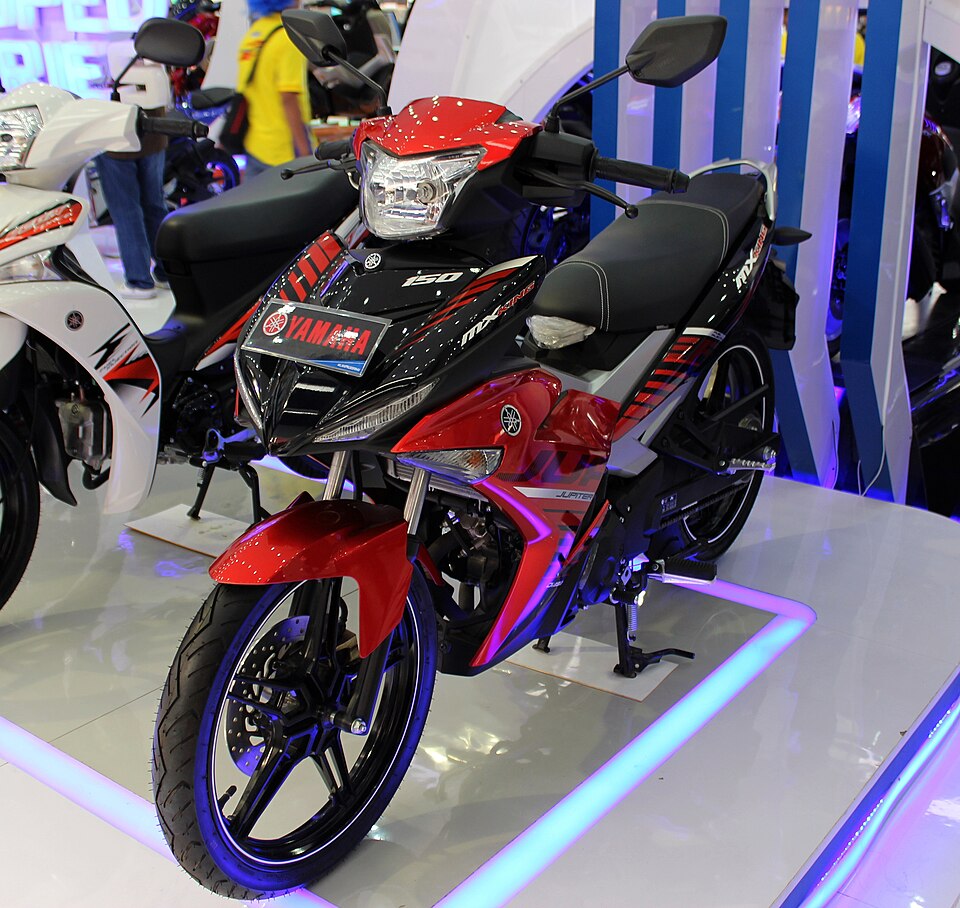
Yamaha Jupiter Mx 150
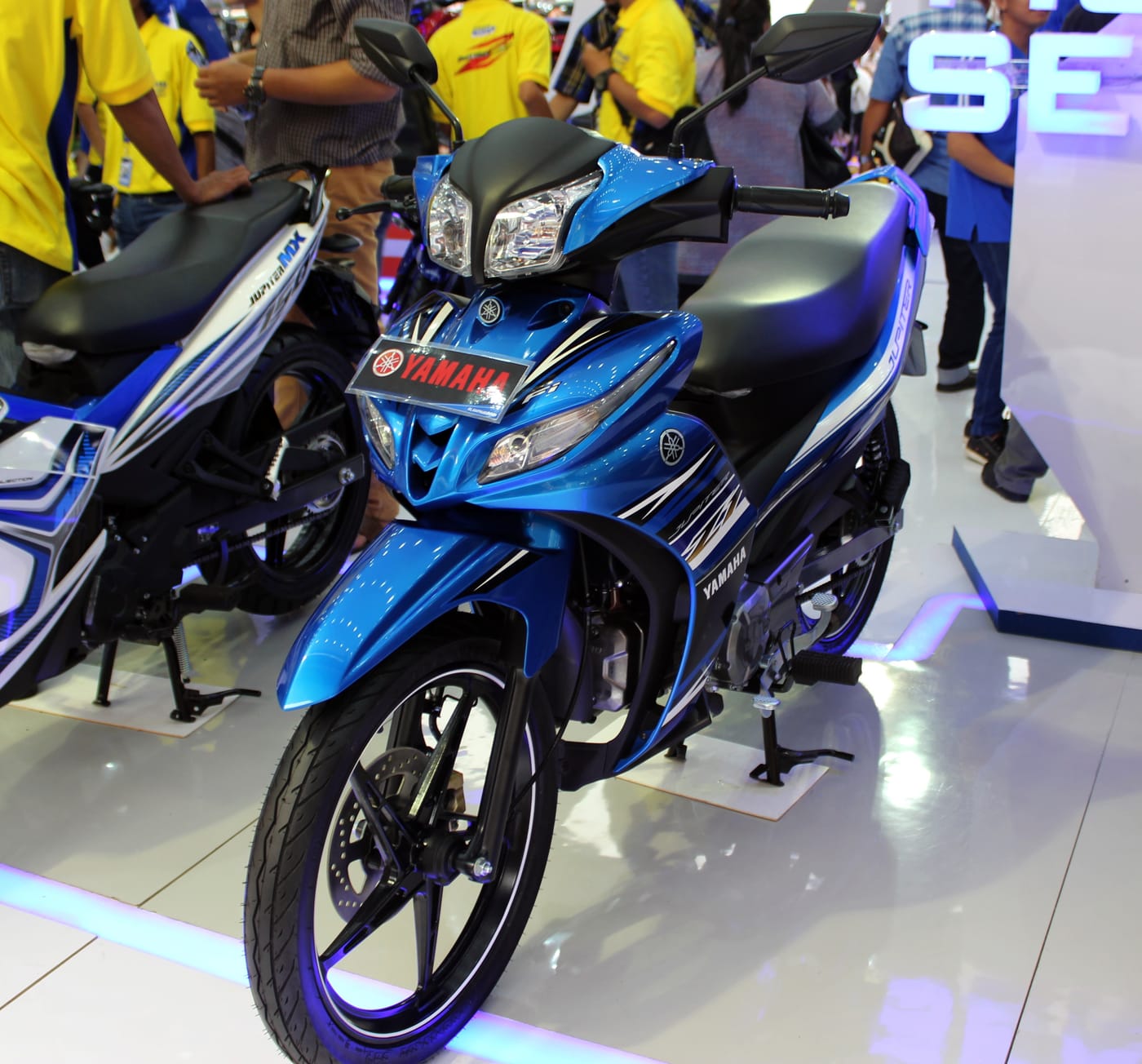
Yamaha Jupiter Z1
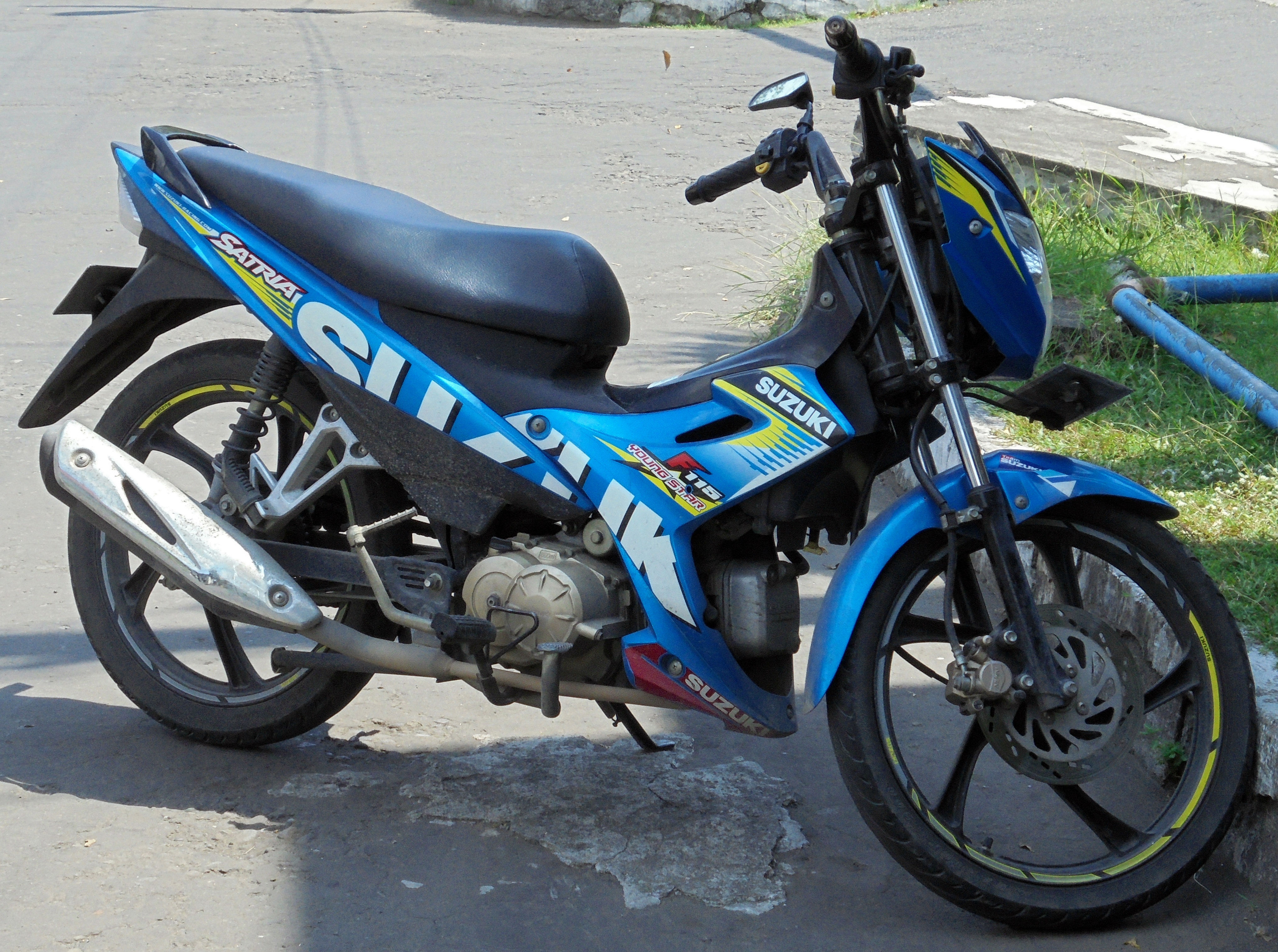
Suzuki Raider R150
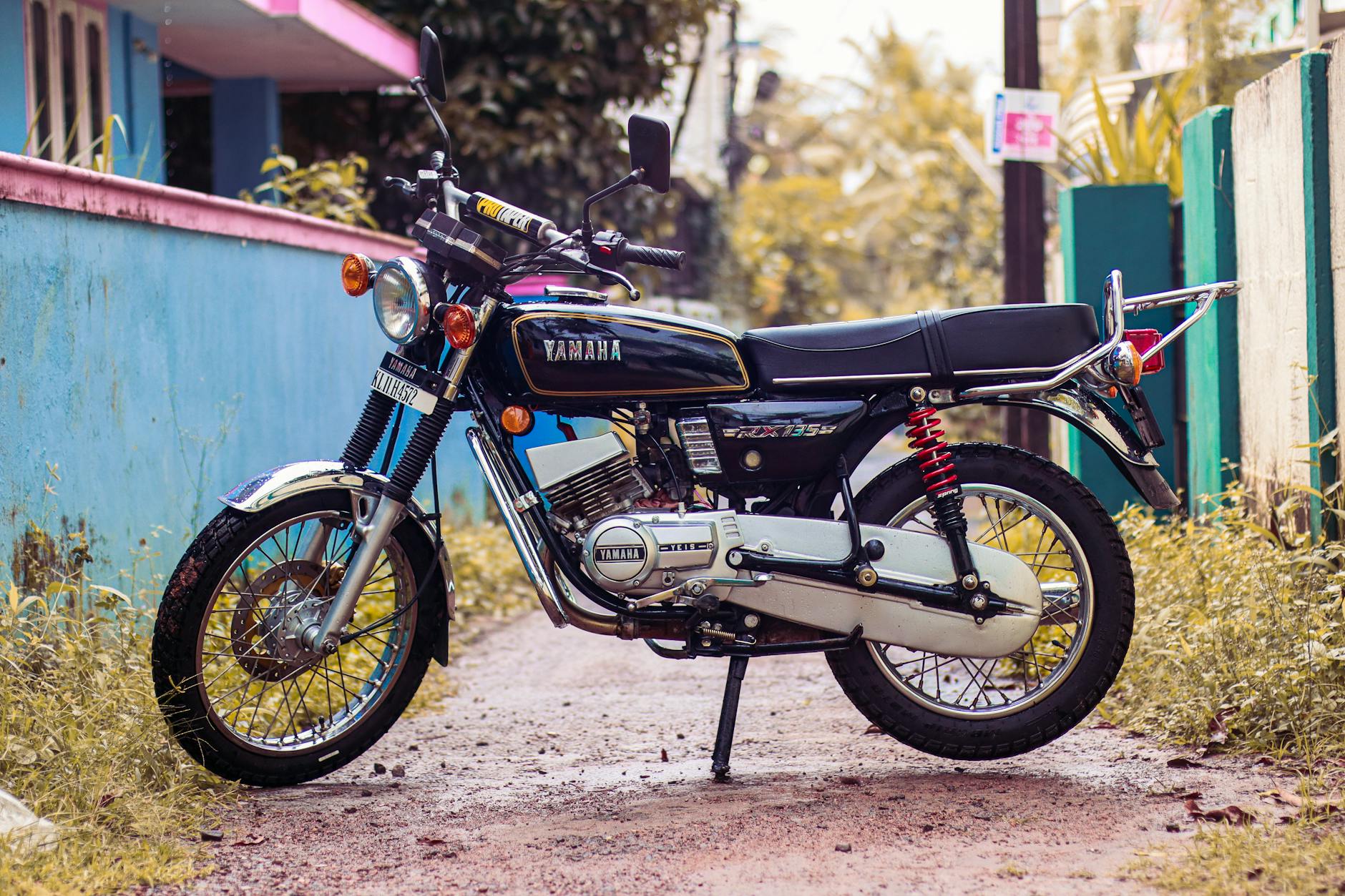
Yamaha Rdx 135
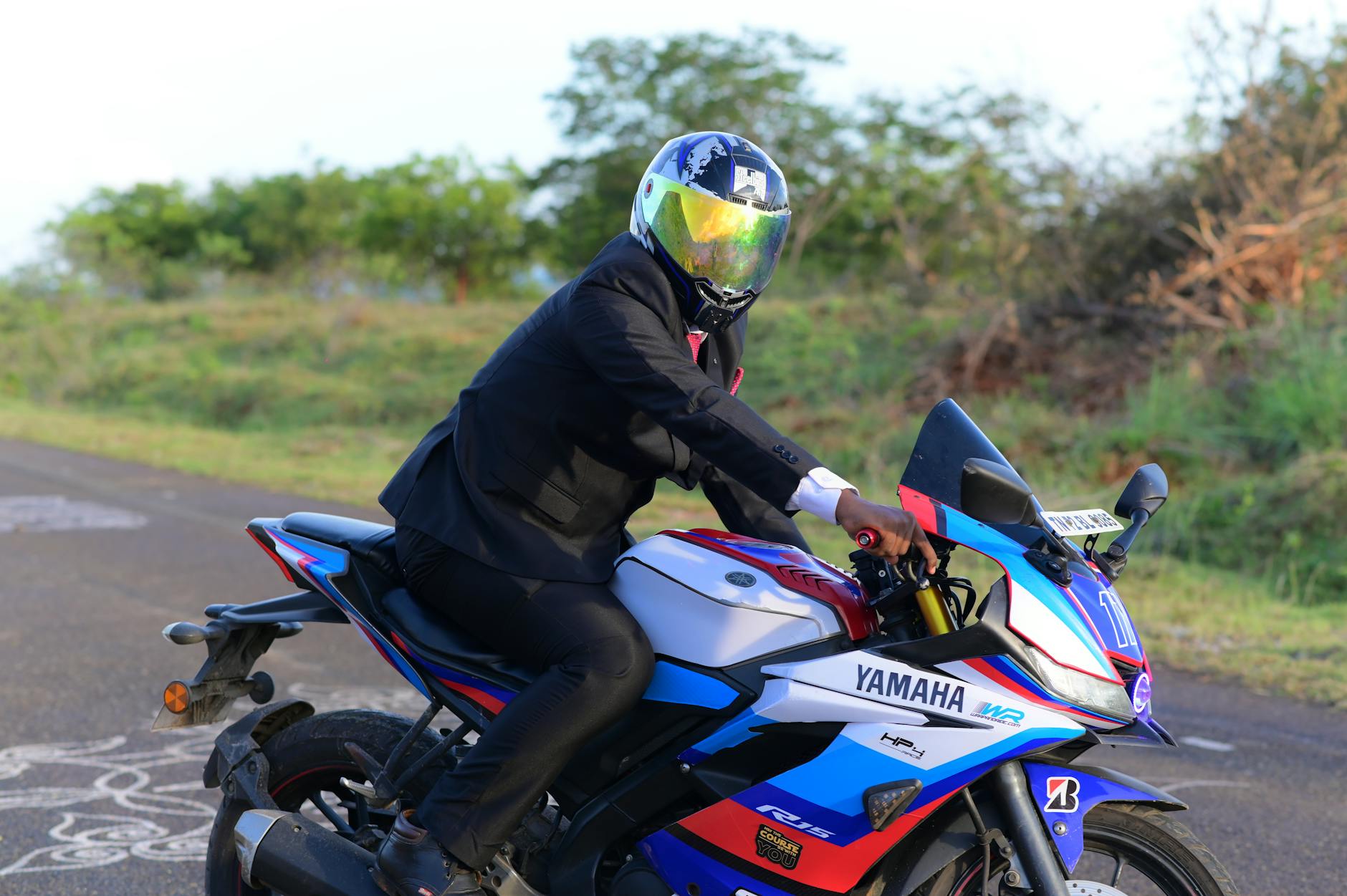
Yamaha Sz-rr 150
Compare Yamaha Lc135 Side-by-Side
compare_arrowsSpecs, power, weight & buyer verdict — head-to-head with the bikes most often cross-shopped.
Yamaha Lc135 vs Yamaha Jupiter Mx 150
Specs · Power · Buyer verdict
Yamaha Lc135 vs Yamaha Jupiter Z1
Specs · Power · Buyer verdict
Yamaha Lc135 vs Suzuki Raider R150
Specs · Power · Buyer verdict
Yamaha Lc135 vs Yamaha Rdx 135
Specs · Power · Buyer verdict
Yamaha Lc135 vs Yamaha Sz-rr 150
Specs · Power · Buyer verdict
More Yamaha Lc135 Guides
More from Yamaha
View all Yamaha models →Community Reviews
Discussion
Frequently Asked Questions
What are common problems with the Yamaha Lc135? +
Carburetor clogging and rough idling: Start cold, listen for rough idle or stalling (moderate) | Worn rear sprocket and chain stretch: Inspect chain slack, sprocket teeth for shark-fin shape (moderate) | Oil leaks from cylinder head gasket: Look for oil residue around engine top and fins (serious)
Is the Yamaha Lc135 a good motorcycle? +
Arguably the most sensible used bike purchase under two grand. Rating: 7.8/10. Best for: Budget-conscious urban commuters wanting reliable daily transport. Avoid if: You need highway speeds or touring capability.
What is the horsepower of the Yamaha Lc135? +
The Yamaha Lc135 produces 11.4 hp @ 8,000 rpm, with 10.6 Nm @ 5,500 rpm of torque. Top speed: 120 km/h.
Is the Yamaha Lc135 good for beginners? +
Yes — the Yamaha Lc135 is a reasonable choice for new riders (11.4 hp is manageable), weighing 101 kg. Budget-conscious urban commuters wanting reliable daily transport
Is the Yamaha Lc135 reliable? +
Owners report 1 critical issue to watch for on the Yamaha Lc135, notably: Oil leaks from cylinder head gasket (Look for oil residue around engine top and fins). Buy with a pre-purchase inspection.
Is the Yamaha Lc135 good for daily use? +
Budget-conscious urban commuters wanting reliable daily transport Fuel: 2.2 L/100km or approximately 45 km/L (typical real-world average).
How fast is the Yamaha Lc135? +
The Yamaha Lc135 reaches a top speed of 120 km/h, producing 11.4 hp at 101 kg curb weight. Real-world performance depends on rider weight, gearing, and road conditions.
What gear should I buy for a Yamaha Lc135? +
Motoryk has curated a Top 10 gear list specifically for the Yamaha Lc135, covering engine oil, tires, chain, battery, and brake pads — see motoryk.com/bikes/yamaha/lc135/top10. Each pick is matched to this bike's spec.