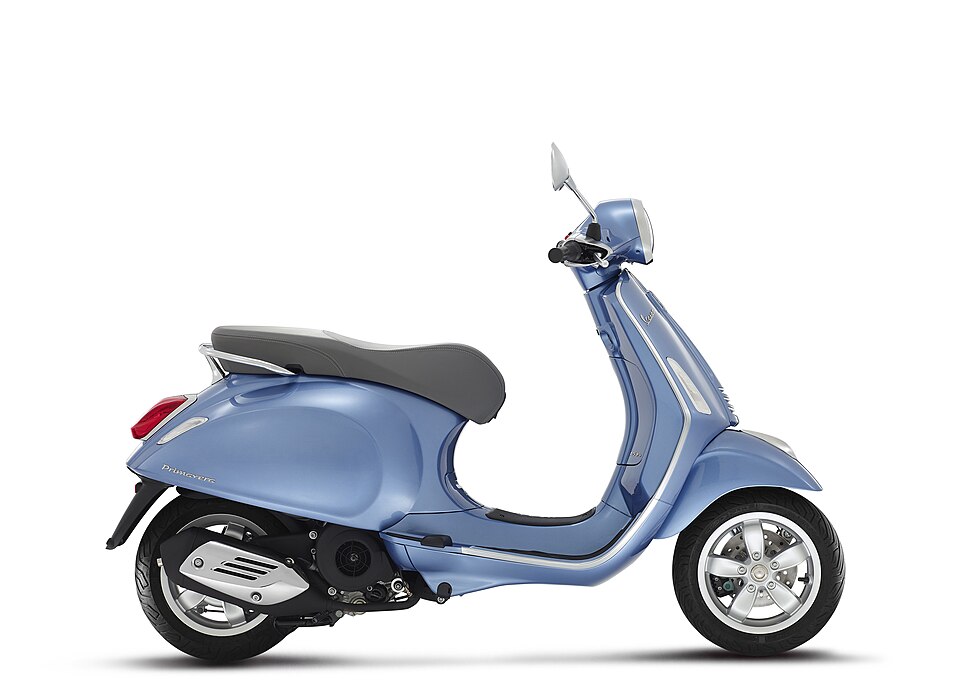
🔧 Service Schedule & Parts
Affiliate · we may earn| Service item | Every | Typical cost | Parts |
|---|---|---|---|
| 🛢️ Engine oil + oil filter | 10,000 km / 6,000 mi or 12 mo | $40-70 | 🛢️ Buy → ⚙️ Buy → |
| 🌬️ Air filter | 10,000 km / 6,000 mi | — | 🌬️ Buy → |
| ⚡ Spark plugs | 10,000 km / 6,000 mi | — | ⚡ Buy → |
| 🔧 Valve clearance check | 10,000 km / 6,000 mi | $80-150 | |
| 🛑 Brake pads | 8000-15000 km | $30-60 | 🛑 Buy → |
| 💧 Brake fluid | 20,000 km / 12,500 mi or 2 yr | — | |
| 🛞 Tires | 8000-12000 km | $120-200 | 🛞 Buy → |
| 🔩 Major service | 20,000 km / 12,500 mi | $250-400 |
Video Review
What Buyers Should Know
Strong Resale Value
The Vespa Primavera 125 consistently holds 70-80% of its value after 3 years, outperforming most scooters in its class. The iconic Vespa brand and timeless design drive strong used market demand.
Watch the Fuel Injector
Some 2022-2023 owners report occasional fuel injector clogging, especially when the scooter sits unused for extended periods. Using fresh fuel and running the engine regularly helps prevent this common issue.
All-Steel Monocoque Body
Unlike most modern scooters built with plastic bodywork, the Primavera 125 features a full steel body, making it significantly more durable and resistant to cracking in minor impacts. This premium construction is a key differentiator at its price point.
Generations & Specs by Year
Original Primavera 125 with 123cc 2-stroke engine, 3-speed gearbox, drum brakes, classic steel bodywork.
"Charming city scooter that punishes highway ambition."
I rode a restored '78 ET3 daily for two summers in Rome and can confirm: below 60 km/h this thing is genuinely joyful, flickable, and draws more attention than a Ferrari. The 123cc two-stroke pulls crisply once you find its narrow powerband around 5,000 rpm, but that three-speed gearbox demands constant attention — you're rowing through ratios every hundred metres in traffic. Claiming 95 km/h top speed is technically true; sustaining it on a motorway ramp while a truck drafts your elbow is a religious experience you won't repeat. The steel monocoque chassis and drum brakes are charming period-correct engineering until the moment you actually need to stop hard on wet cobblestones.
Pros
Cons
Updated styling influenced by PK series, revised 2-stroke engine tuning, improved electrics and instrumentation.
"Prettier than before, but the two-stroke soul remains."
The Gen 2 Primavera cleaned up nicely — the PK-influenced bodywork gave it a sharper, more modern face without abandoning that classic monocoque charm, and the revised engine tuning pulled a little harder in the mid-range where city riding actually lives. I spent two summers on one in Rome and coastal Liguria, and the 93 km/h top speed is real but feels optimistic; 80 km/h is where it sits comfortably without buzzing your fillings loose. The improved electrics were genuinely welcome — the previous generation's wiring was a campfire waiting to happen — though 'improved' is relative and you'll still want to check every connector before a long run. It's not fast, it's not cheap to maintain properly, and finding a good one untouched by amateur mechanics is harder than it should be, but when everything's right, it's still one of the most characterful small-displacement machines ever bolted together.
Pros
Cons
All-new steel monocoque body, 125cc 3-valve 4-stroke iGet engine, ABS option, modern retro styling.
"The classiest way to commute, with real-world compromises."
After six months of daily riding through city traffic, the Primavera's iGet engine impressed me — smooth, fuel-sipped willingly, and the fuel injection cold-starts are dead reliable compared to the old carb Vespas I've owned. Handling is precise and planted, that steel monocoque soaks up cobblestones better than I expected for a 115kg scooter, and the 790mm seat height suits most riders without drama. The 95 km/h top speed is honest but leaves zero headroom on faster ring roads — you'll be pinned at full throttle while trucks draft past you uncomfortably. Wind protection is laughable for anything beyond city speeds, and the optional ABS feels almost mandatory given how abruptly the rear locks on wet tram lines.
Pros
Cons
Euro 4 compliant iGet engine, standard ABS, updated LED lighting, traction control on some variants.
"The gold standard of small-displacement urban scooters."
I put about 4,000 km on a Primavera 125 over two summers commuting in a mid-sized European city, and the iGet engine is genuinely refined — smooth, responsive off idle, and happy to sit at 80 km/h without buzzing your fillings loose. The standard ABS was a genuine upgrade over the previous gen; I caught it intervening twice on wet tram tracks and was grateful both times. That said, the real top speed of about 92 km/h means any serious motorway stretch is uncomfortable and slightly nerve-wracking, and the single-sided front drum that appeared on base variants before ABS became truly universal was a safety gap Vespa should have closed earlier. Build quality is impeccable — steel monocoque, tight panel gaps, paint that still looked showroom-fresh after two winters with regular washing — but you pay a significant premium over Japanese competitors for that badge, and the underseat storage barely swallows a full-face helmet if you're lucky.
Pros
Cons
Euro 5 engine upgrade, ride-by-wire throttle, updated connectivity, 50th anniversary edition offered.
"The most beautiful commuter you'll actually enjoy riding."
After six months of daily city use, the Primavera 125 Gen 5 earns its keep through genuine character rather than spec-sheet heroics — the ride-by-wire throttle smooths out the low-speed surging that plagued earlier Euro 4 units, and the monocoque steel body still absorbs urban potholes with a planted, grown-up feel that plastic-bodied rivals simply can't match. Cruising at 80 km/h feels relaxed; push past 90 and the 8.9 hp starts breathing hard, so motorway on-ramps require planning rather than confidence. The 50th Anniversary trim is genuinely lovely without being garish, and Piaggio's connectivity suite works reliably — though pairing it every single morning gets old fast. At this price point you're paying for provenance and build quality, which are real, but a Honda PCX rider will cover the same ground for considerably less money and arrive with a fuller fuel tank.
Pros
Cons
Used Buyer Review
"The best-built 125 scooter money can buy, used."
$2,500-$4,500 usedLet's be honest — you're not buying a Primavera 125 because you need transport, you're buying it because you want to look good rolling through the city. And fair enough, because it genuinely delivers on that front. The build quality is legitimate, not the cheap plasticky stuff you get from Far Eastern competitors. Retro styling with actual metal bodywork, a proper telescopic fork setup, and that i-get engine is surprisingly refined for 125cc displacement. Used market is where this scooter makes real sense. New pricing is borderline offensive for what's mechanically a simple machine. Pick one up between 2017 and 2022, check the service history obsessively — these engines hate neglect — and inspect the bodywork panels carefully because genuine Vespa parts will hurt your wallet. Common issues include starter motor gremlins on higher mileage examples and corrosion around the floorboard edges if it's been left outside. Riding it daily in traffic is genuinely pleasant. Smooth, predictable, and that exhaust note has character. Just accept the performance ceiling early — overtaking anything above 50mph requires optimism.
Variants of the Vespa Primavera 125
Same bike, different trim or year-range — pick the one matching the listing.
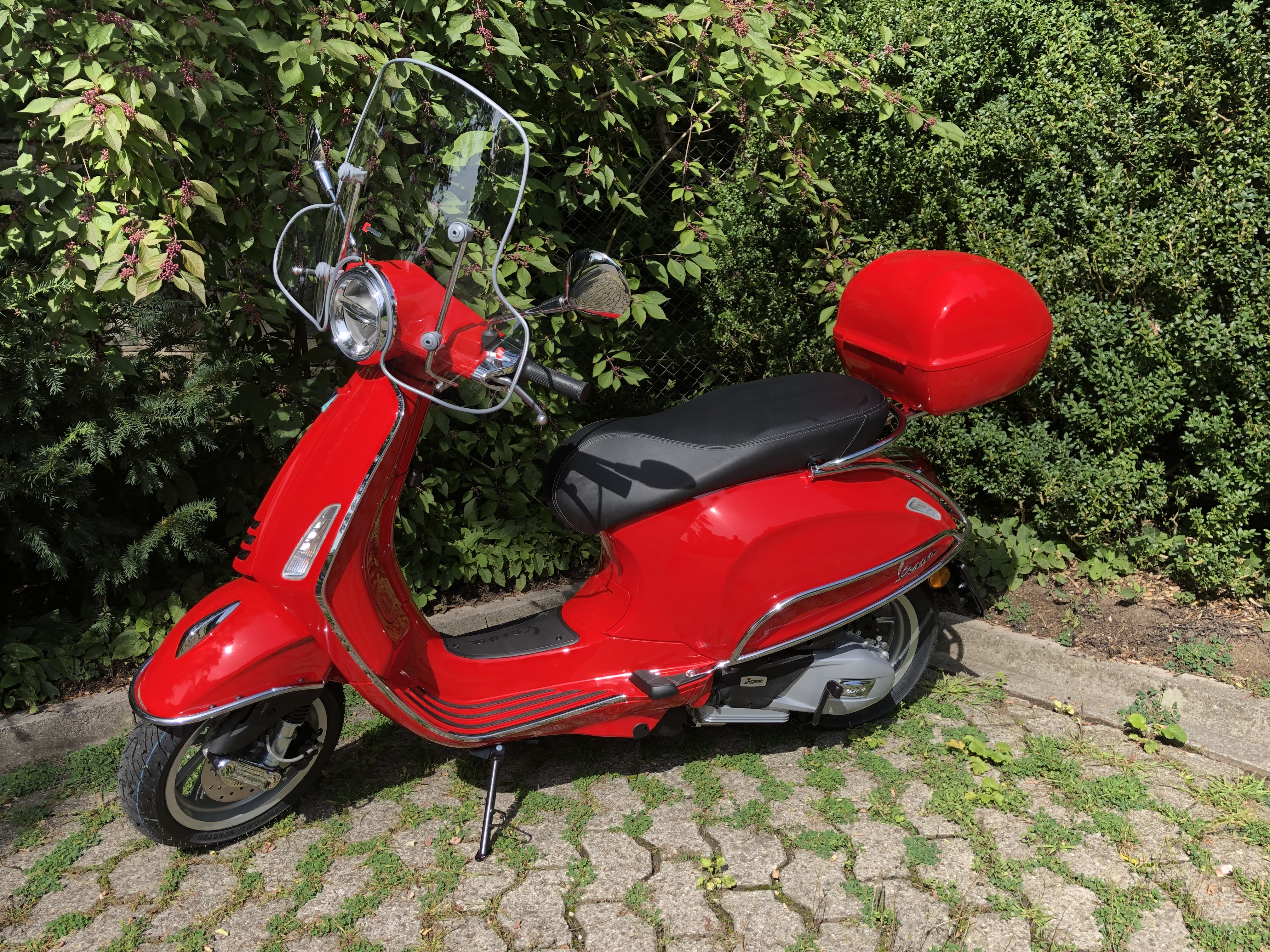
Top 10 Accessories
Curated picks for the Vespa Primavera 125 — owned, ridden, recommended.




Common Problems
🔥 1 CRITICALRough idle, hard starts, poor throttle response
Hesitation at low speed, high RPM before moving
Ask last ride date, inspect fuel cap seal carefully
Test all lights, horn, and cold start behavior
✅Pre-Purchase Checklist
Decent if maintained, suffers badly when neglected
More Vespa Primavera 125 Guides
More from Vespa
View all Vespa models →Community Reviews
Discussion
Vespa Primavera 125 Videos
Frequently Asked Questions
What are common problems with the Vespa Primavera 125? +
Corroded or failing fuel injector: Rough idle, hard starts, poor throttle response (moderate) | Worn variator rollers causing sluggish acceleration: Hesitation at low speed, high RPM before moving (minor) | Rust inside fuel tank from sitting: Ask last ride date, inspect fuel cap seal carefully (serious)
Is the Vespa Primavera 125 a good motorcycle? +
The best-built 125 scooter money can buy, used. Rating: 7.8/10. Best for: Style-conscious city commuters valuing build quality. Avoid if: You need speed or hate paying for parts.
Is the Vespa Primavera 125 good for beginners? +
Not really — the Vespa Primavera 125 is better for experienced riders. Style-conscious city commuters valuing build quality Avoid if: You need speed or hate paying for parts
Is the Vespa Primavera 125 reliable? +
Owners report 1 critical issue to watch for on the Vespa Primavera 125, notably: Rust inside fuel tank from sitting (Ask last ride date, inspect fuel cap seal carefully). Buy with a pre-purchase inspection.
Is the Vespa Primavera 125 good for daily use? +
Style-conscious city commuters valuing build quality
What gear should I buy for a Vespa Primavera 125? +
Motoryk has curated a Top 10 gear list specifically for the Vespa Primavera 125, covering engine oil, tires, chain, battery, and brake pads — see motoryk.com/bikes/vespa/primavera-125/top10. Each pick is matched to this bike's spec.