Suzuki Inazuma 250
The Suzuki Inazuma 250 has a top speed of 145 km/h, produces 24 hp and weighs 181 kg. Motoryk rates it 6.5/10.
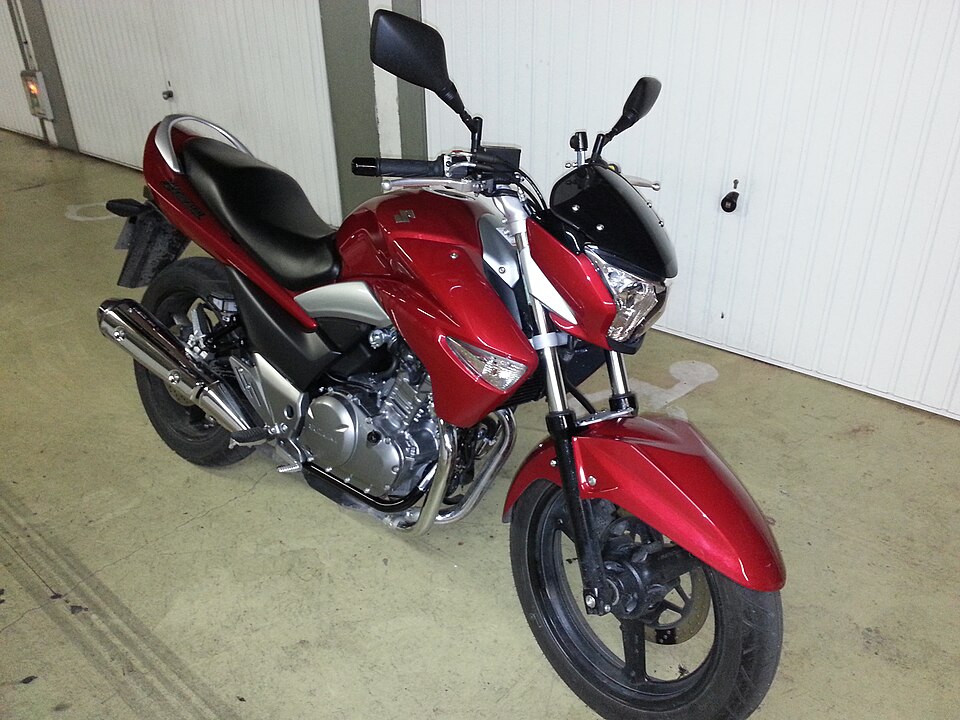
The Suzuki Inazuma 250 (GW250) was introduced in 2012 as a fuel-efficient, beginner-friendly parallel-twin commuter aimed primarily at Asian and European markets, reviving the Inazuma nameplate last used in the late 1990s. It was notably one of the first modern 250cc parallel-twin street bikes from Suzuki in that era, offering a smooth power delivery and classic styling that appealed to new riders. The model was eventually succeeded and evolved into the Suzuki Gixxer SF 250 and related lineup as Suzuki shifted its small-displacement strategy.
24 hp
Power
22 Nm
Torque
181 kg
Weight
145 km/h
Top Speed
3.2 L/100km or approximately 31 km/L (typical real-world average)
Fuel
Naked
Body
🔧 Service Schedule & Parts
Affiliate · we may earn| Service item | Every | Typical cost | Parts |
|---|---|---|---|
| 🛢️ Engine oil + oil filter | 6,000 km / 3,500 mi or 12 mo | $40-80 | 🛢️ Buy → ⚙️ Buy → |
| 🌬️ Air filter | 12,000 km / 7,500 mi | — | 🌬️ Buy → |
| ⚡ Spark plugs | 12,000 km / 7,500 mi | — | ⚡ Buy → |
| 🔧 Valve clearance check | 24,000 km / 15,000 mi | $150-300 | |
| 🔗 Chain & sprockets | 20000-30000 km (replace) | $100-200 | 🔗 Buy → |
| 🛑 Brake pads | 15000-25000 km | $30-60 | 🛑 Buy → |
| 💧 Brake fluid | 24,000 km / 15,000 mi or 2 yr | — | |
| 🧊 Coolant | 24,000 km / 15,000 mi | — | |
| 🛞 Tires | 15000-25000 km | $150-300 | 🛞 Buy → |
| 🔩 Major service | 24,000 km / 15,000 mi | $250-500 |
Video Review

What Buyers Should Know
Bulletproof Parallel Twin
The 248cc parallel-twin engine is known for exceptional reliability, often running well past 30,000 miles with basic maintenance. It shares DNA with Suzuki's proven GS series, giving it a strong mechanical track record.
Watch the Carburetor
Older GW250 models use carburetors prone to gumming up if the bike sits unused for extended periods. Always ask sellers about storage history and inspect for smooth idle and clean fuel delivery before buying.
Holds Value Steadily
The Inazuma 250 retains resale value better than many entry-level bikes due to its reputation for durability and low running costs. Its appeal to new riders keeps used demand consistently strong.
Generations & Specs by Year
Original 250cc parallel-twin, carbureted, retro styling, Japanese domestic market focused production run.
"Revvy little twin that rewards patient, committed riders."
I ran a GJ73A for two years as a daily commuter and occasional weekend scratcher, and the thing that stays with you is how hard you have to work it — below 8,000 rpm it's polite to the point of dullness, but crack it past 9,000 and the parallel twin wakes up with a genuinely addictive shriek. The DOHC setup is honest engineering for its era; nothing exotic, but tight and smooth in a way that feels built to last rather than built to impress a showroom. Carb sync needs attention every 8–10k kilometers or the idle gets ragged and fueling turns stumpy mid-range, which is the one maintenance chore that'll catch you out. At 169 kg wet it's no featherweight for a 250, but the low seat and neutral geometry make city traffic genuinely effortless once you stop fighting its peaky nature.
Pros
Cons
Completely redesigned, fuel-injected 248cc parallel-twin, modern café-racer styling, global market targeting.
Used Buyer Review
"A honest, unfussy commuter that punches exactly at its weight."
$2,500-$4,500 usedThe Inazuma 250 is one of those bikes that gets unfairly dismissed because it lacks the street cred of a Ninja or CBR. Here's the truth: it's a genuinely pleasant commuter with a smooth parallel-twin that pulls cleanly from low revs and doesn't punish you for lazy gear changes. The retro-ish styling has aged reasonably well, and build quality is typically Suzuki solid — these things don't fall apart. That said, manage your expectations hard. Top-end performance is genuinely underwhelming even by 250 standards, and the suspension is marshmallow-soft for anyone over 170 pounds. On used examples, check the rear shock carefully — it's the first thing to go vague. Also inspect the fuel injection system; some owners neglected basic maintenance and throttle response suffers for it. Parts availability isn't great outside major cities. For a new rider wanting an unfussy, comfortable city bike that won't embarrass itself on weekend runs, it makes real sense. Just don't buy one thinking you'll grow into it — you'll outgrow it fast.
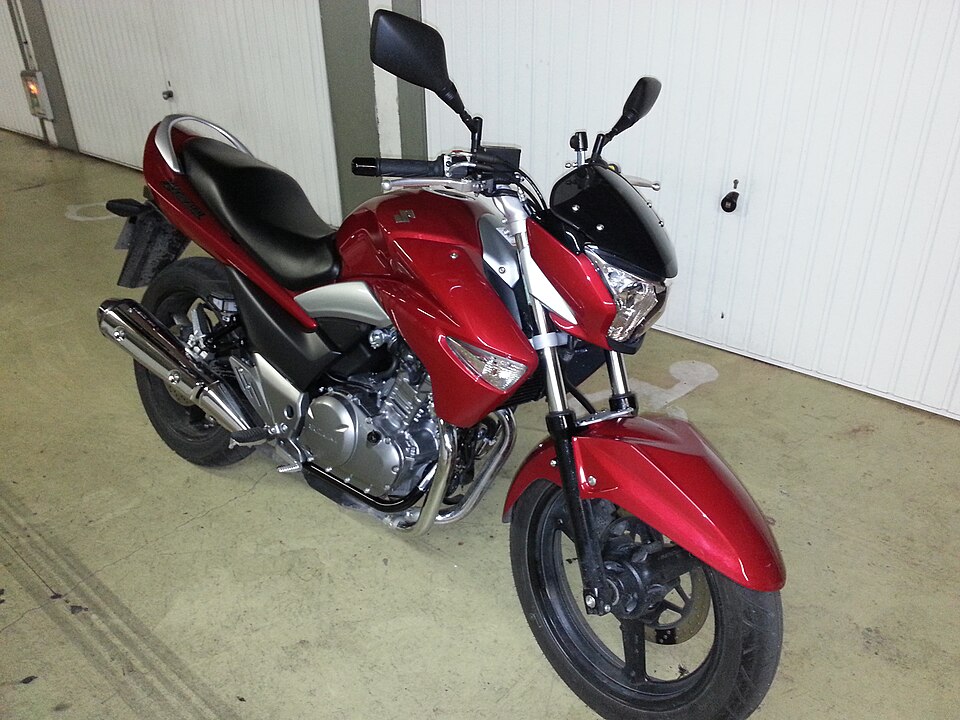
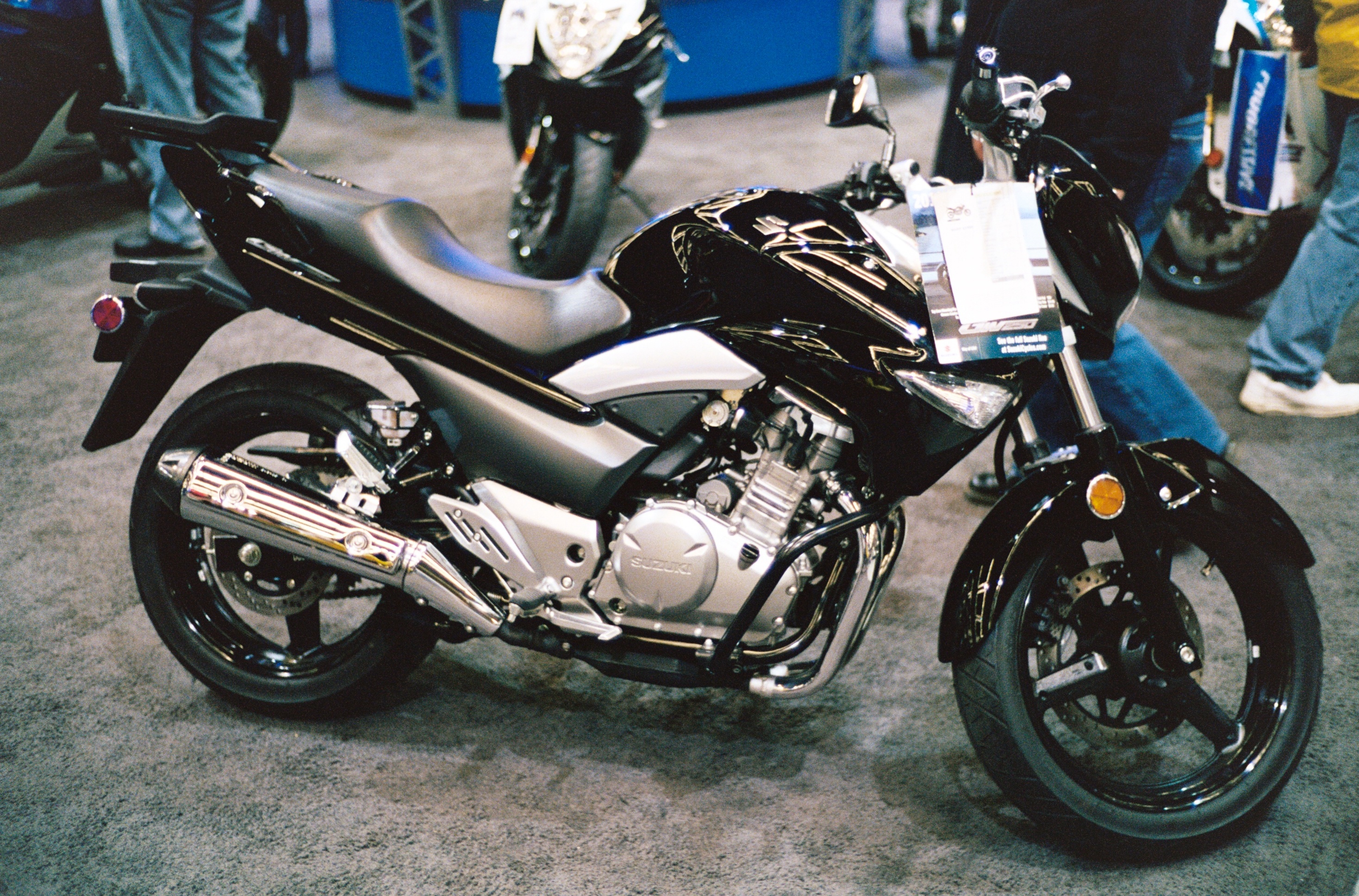
Variants of the Suzuki Inazuma 250
Same bike, different trim or year-range — pick the one matching the listing.
Top 10 Accessories
Curated picks for the Suzuki Inazuma 250 — owned, ridden, recommended.





Common Problems
🔥 1 CRITICALListen for ticking noise when cold starting the engine
Rough idle, hesitation on acceleration, poor fuel economy
Test charging voltage, inspect battery condition and terminals
✅Pre-Purchase Checklist
Generally reliable, minor issues manageable with maintenance
Full Specifications
Rivals & Alternatives
Bikes that buyers cross-shop with the Suzuki Inazuma 250

Cfmoto 300nk
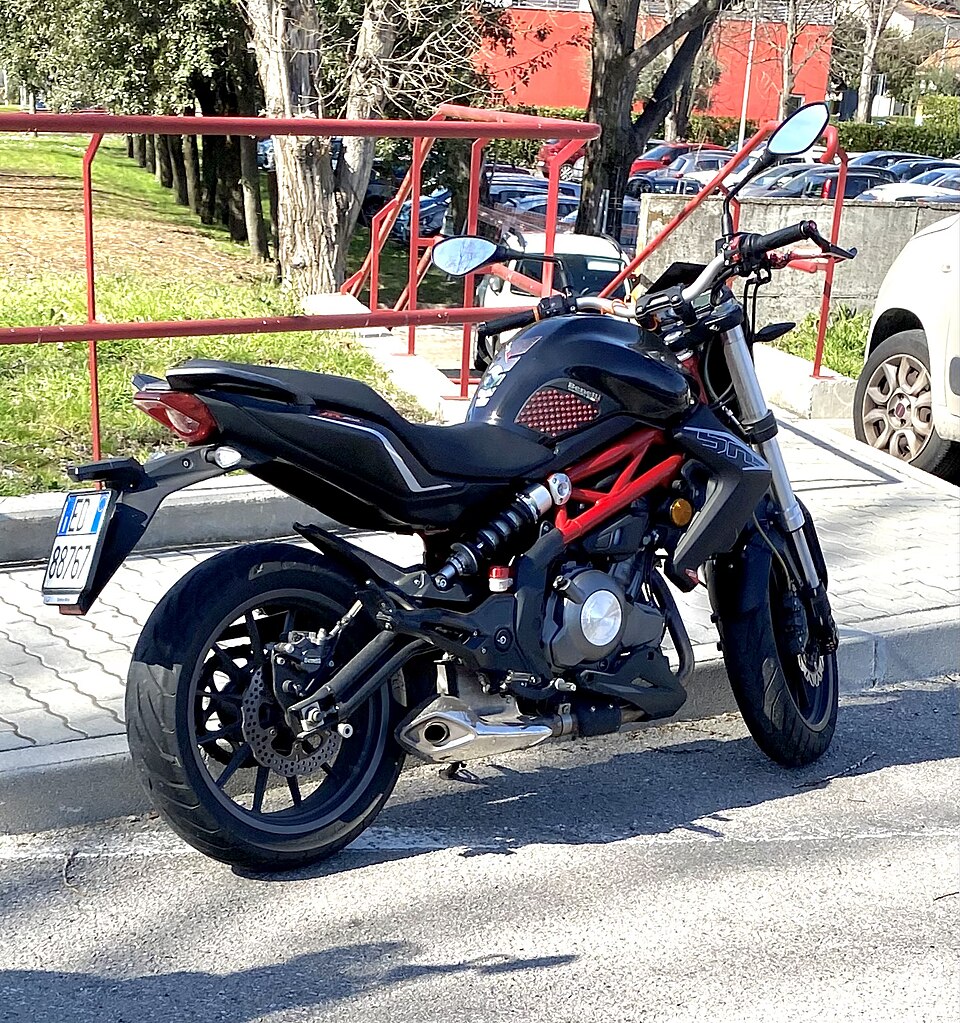
Benelli Bn 302

Suzuki Gixxer 250

Cfmoto 150nk

Cfmoto 400nk
Compare Suzuki Inazuma 250 Side-by-Side
compare_arrowsSpecs, power, weight & buyer verdict — head-to-head with the bikes most often cross-shopped.
Suzuki Inazuma 250 vs Cfmoto 300nk
Specs · Power · Buyer verdict
Suzuki Inazuma 250 vs Benelli Bn 302
Specs · Power · Buyer verdict
Suzuki Inazuma 250 vs Suzuki Gixxer 250
Specs · Power · Buyer verdict
Suzuki Inazuma 250 vs Cfmoto 150nk
Specs · Power · Buyer verdict
Suzuki Inazuma 250 vs Cfmoto 400nk
Specs · Power · Buyer verdict
More Suzuki Inazuma 250 Guides
More from Suzuki
View all Suzuki models →Community Reviews
Discussion
Frequently Asked Questions
What are common problems with the Suzuki Inazuma 250? +
Cam chain tensioner rattle on cold start: Listen for ticking noise when cold starting the engine (moderate) | Fuel injector clogging from ethanol fuel: Rough idle, hesitation on acceleration, poor fuel economy (moderate) | Rectifier regulator failure causing battery drain: Test charging voltage, inspect battery condition and terminals (serious)
Is the Suzuki Inazuma 250 a good motorcycle? +
A honest, unfussy commuter that punches exactly at its weight. Rating: 6.5/10. Best for: New riders wanting reliable, stress-free urban commuting. Avoid if: You plan riding beyond city limits regularly.
What is the horsepower of the Suzuki Inazuma 250? +
The Suzuki Inazuma 250 produces 24 hp @ 8,000 rpm, with 22 Nm @ 6,500 rpm of torque. Top speed: 145 km/h.
Is the Suzuki Inazuma 250 good for beginners? +
Yes — the Suzuki Inazuma 250 is a reasonable choice for new riders (24 hp is manageable), weighing 181 kg. New riders wanting reliable, stress-free urban commuting
Is the Suzuki Inazuma 250 reliable? +
Owners report 1 critical issue to watch for on the Suzuki Inazuma 250, notably: Rectifier regulator failure causing battery drain (Test charging voltage, inspect battery condition and terminals). Buy with a pre-purchase inspection.
Is the Suzuki Inazuma 250 good for daily use? +
New riders wanting reliable, stress-free urban commuting Fuel: 3.2 L/100km or approximately 31 km/L (typical real-world average).
How fast is the Suzuki Inazuma 250? +
The Suzuki Inazuma 250 reaches a top speed of 145 km/h, producing 24 hp at 181 kg curb weight. Real-world performance depends on rider weight, gearing, and road conditions.
What gear should I buy for a Suzuki Inazuma 250? +
Motoryk has curated a Top 10 gear list specifically for the Suzuki Inazuma 250, covering engine oil, tires, chain, battery, and brake pads — see motoryk.com/bikes/suzuki/inazuma-250/top10. Each pick is matched to this bike's spec.