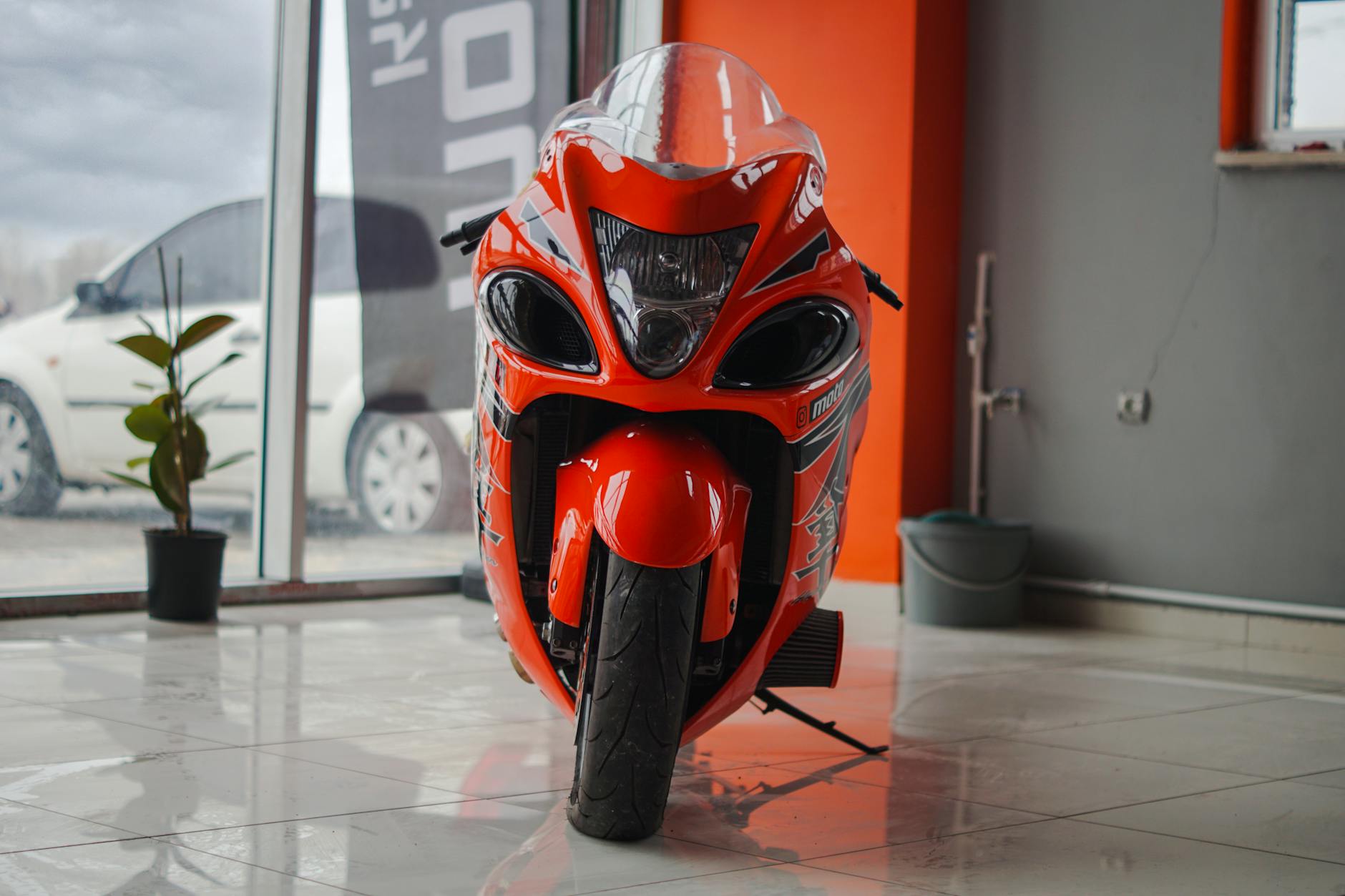
Suzuki Hayabusa
The Suzuki Hayabusa has a top speed of 299 km/h (electronically limited; unrestricted early models capable of ~312 km/h), produces 190 hp and weighs 266 kg. Motoryk rates it 8.5/10.
A Suzuki Hayabusa (GSX1300R) foi introduzida em 1999 e imediatamente se tornou a motocicleta de produção mais rápida do mundo, atingindo uma velocidade máxima de aproximadamente 312 km/h e substituindo a Honda CBR1100XX Super Blackbird desse título. Batizado em homenagem ao Peregrine Falcon (o pássaro mais rápido que caça melros), ele gerou um acordo de cavalheiros entre os principais fabricantes em 2000 para limitar voluntariamente as velocidades máximas a 299 km/h. Uma segunda geração chegou em 2008 com estilo atualizado e desempenho aprimorado, seguida por uma terceira geração em 2021 com eletrônicos modernos, modos de condução e conformidade com a Euro 5, mantendo sua silhueta icônica.
190 hp
Poder
150 Nm
Torque
266 kg
Peso
299 km/h (electronically limited; unrestricted early models capable of ~312 km/h)
Velocidade máxima
6.5–8.5 L/100km (approx. 12–15 km/L, real-world average depending on riding style)
Combustível
Fairado
Corpo
🔧 Service Schedule & Parts
Affiliate · we may earn| Service item | Every | Typical cost | Parts |
|---|---|---|---|
| 🛢️ Engine oil + oil filter | 6,000 km / 3,500 mi or 12 mo | $40-80 | 🛢️ Buy → ⚙️ Buy → |
| 🌬️ Air filter | 12,000 km / 7,500 mi | — | 🌬️ Buy → |
| ⚡ Spark plugs | 12,000 km / 7,500 mi | — | ⚡ Buy → |
| 🔧 Valve clearance check | 26,000 km / 16,000 mi | $300-500 | |
| 🔗 Chain & sprockets | 20000-30000 km (replace) | $150-300 | 🔗 Buy → |
| 🛑 Brake pads | 15000-25000 km | $40-80 | 🛑 Buy → |
| 💧 Brake fluid | 24,000 km / 15,000 mi or 2 yr | — | |
| 🧊 Coolant | 24,000 km / 15,000 mi | — | |
| 🛞 Tires | 8000-15000 km | $300-500 | 🛞 Buy → |
| 🔩 Major service | 24,000 km / 15,000 mi | $400-700 |
Video Review
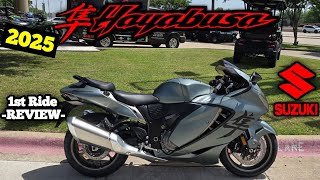
O que os compradores devem saber
Bulletproof Engine Reliability
The Hayabusa's 1340cc engine is legendary for lasting well over 100,000 miles with basic maintenance. Many owners report minimal issues even on high-mileage examples, making it one of the most reliable sportbikes ever built.
Strong Resale Value
Hayabusas hold their value exceptionally well compared to most sportbikes, with used examples often selling close to original MSRP. The 2021 third-generation relaunch renewed demand, keeping older models desirable too.
Watch for Modifications
Many Hayabusas have been modified for drag racing or tuned beyond stock power limits, which can stress the engine and drivetrain. Always check service history and inspect for aftermarket ECU tunes, exhaust swaps, or turbo kits before buying used.
Gerações e especificações por ano
Quatro em linha originais de 1299 cc, velocidade máxima de 173 mph, faróis duplos e carroceria aerodinâmica icônica introduzida.
"A bicicleta que reescreveu o livro de regras, permanentemente."
Eu percorri 18.000 milhas em uma Busa 2002 e isso mudou genuinamente a forma como eu entendia o que uma motocicleta poderia ser — nada parecia o mesmo depois. Aquele motor de 1299 cc não bate em você como um martelo; ele continua puxando com uma suavidade implacável, quase assustadora, que me fez olhar para baixo, a 170 mph, me perguntando por que o velocímetro parecia normal. A posição de pilotagem é surpreendentemente tolerável para uma máquina de 300 km/h, embora a carenagem larga pegue ventos cruzados como uma vela em rodovias e a caixa de câmbio tenha uma qualidade agrícola irregular que lembra que essa coisa foi projetada para ser rápida, não para parecer premium. Os primeiros modelos com carburador (injeção de combustível anterior a 2002 em alguns mercados) podem ser temperamentais em climas frios, e a sensação do freio dianteiro é de madeira para os padrões modernos, mas nada disso importa quando você o fixa em uma autoestrada alemã e observa o telescópio mundial até um ponto de fuga.
Prós
Contras
Motor de 1340 cc revisado, injeção de combustível atualizada, carroceria reestilizada, freios e suspensão aprimorados.
"A hiperbicicleta de referência que ainda envergonha as máquinas mais novas."
Eu coloquei 14.000 milhas em um Busa 2009 e o motor de 1340 cc é a história real — esse torque médio entre 4.000 e 7.000 rpm é tão espesso e implacável que faz com que os 600s pareçam brinquedos, mas nunca parece frenético. A injeção de combustível revisada eliminou a famosa caça e o tropeço em baixa velocidade da antiga Geração 1, embora as partidas a frio ainda precisem de um minuto para se acalmar. Com 266 kg, é inegavelmente uma bicicleta grande, e você sentirá cada quilo percorrendo os estreitos ziguezagues das montanhas, mas quando a estrada se abre, ela se encolhe ao seu redor de uma forma que desafia os números de peso. Os freios são uma melhoria genuína em relação à geração anterior, mas ainda não têm a força inicial que você esperaria de uma bicicleta tão rápida — frear em trilhas nas curvas exige paciência.
Prós
Contras
Motor compatível com Euro5, ride-by-wire, ABS nas curvas, controle de tração e controle de lançamento adicionados.
Avaliação do comprador usado
"Buy the right one and you'll never want anything else."
$5,500-$14,000 usedThe Hayabusa is one of those bikes that genuinely earns its legend status, but buying one used requires eyes wide open. The Gen 1 (1999-2007) and Gen 2 (2008-2012) bikes are getting old now, and many have been thrashed, modified, or worse — crashed and poorly repaired. Check the frame rails obsessively, look for rippled bodywork gaps, and if the speedo reads under 20k miles on a bike from that era, be suspicious. These things get ridden hard. Mechanically they're remarkably tough — the inline-four will often see 60,000+ miles with basic maintenance. But neglected cooling systems, tired suspension, and worn chain/sprocket combos are common on abused examples. Budget an extra $500-800 for a proper service if you're buying privately. The Gen 3 (2021+) is a different animal — smoother, more refined, genuinely docile with the electronics dialled back, but prices are still steep used. For the money, nothing matches the Hayabusa's combination of effortless high-speed cruising, surprising everyday manageability, and sheer mechanical longevity. Just do your homework.
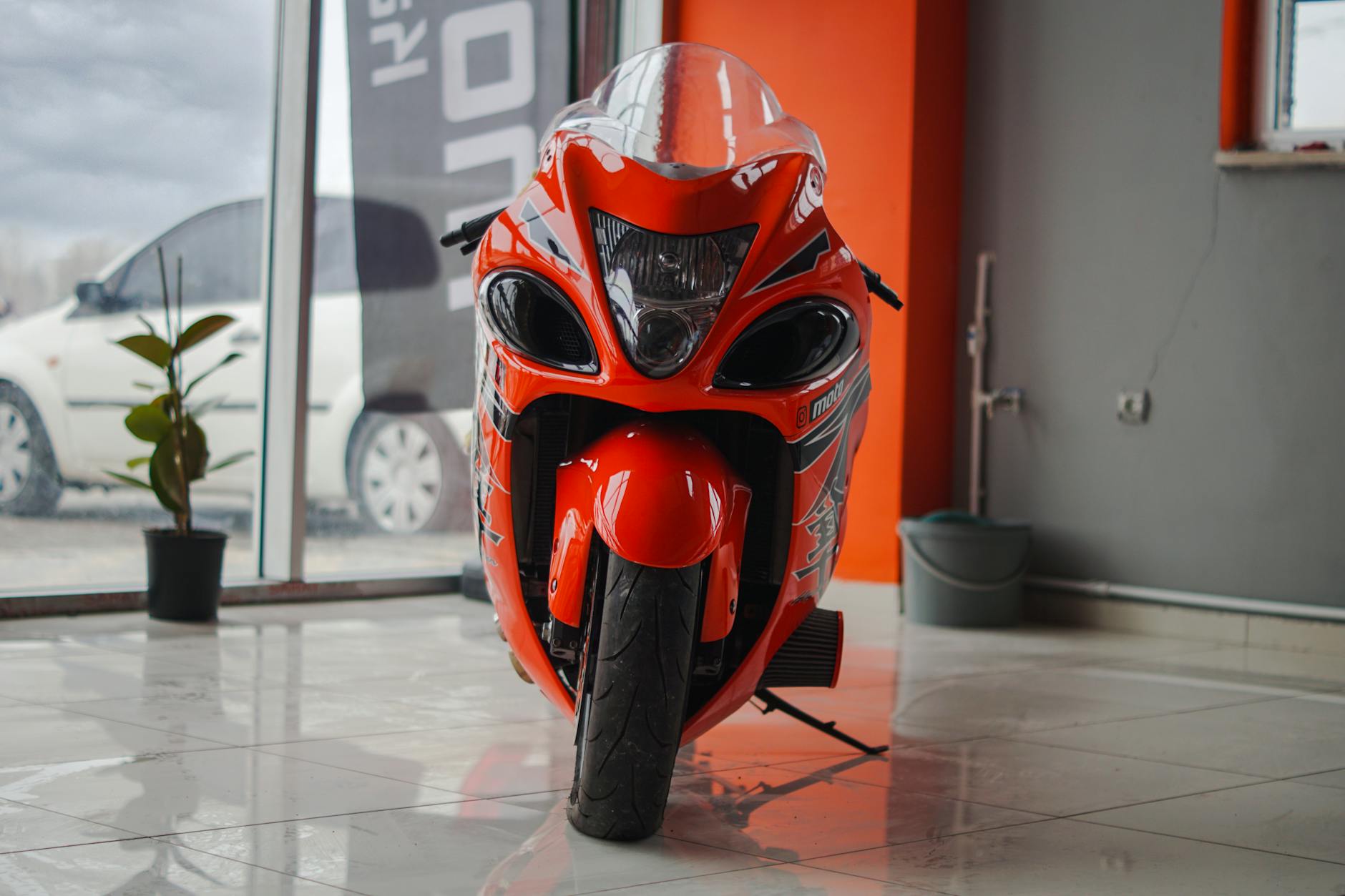
Variants of the Suzuki Hayabusa
Same bike, different trim or year-range — pick the one matching the listing.
Top 10 Accessories
Curated picks for the Suzuki Hayabusa — owned, ridden, recommended.




Problemas comuns
🔥 2 CRITICALCheck voltage at idle and revs, look for burn marks
Cold start hesitation, rough idle, poor throttle response
Rock forks side to side, feel for notchiness or play
Remove fairings, inspect frame, forks, subframe for bends
✅Lista de verificação de pré-compra
Very reliable if maintained, avoid crashed examples
Full Specifications
Rivals & Alternatives
Bikes that buyers cross-shop with the Suzuki Hayabusa
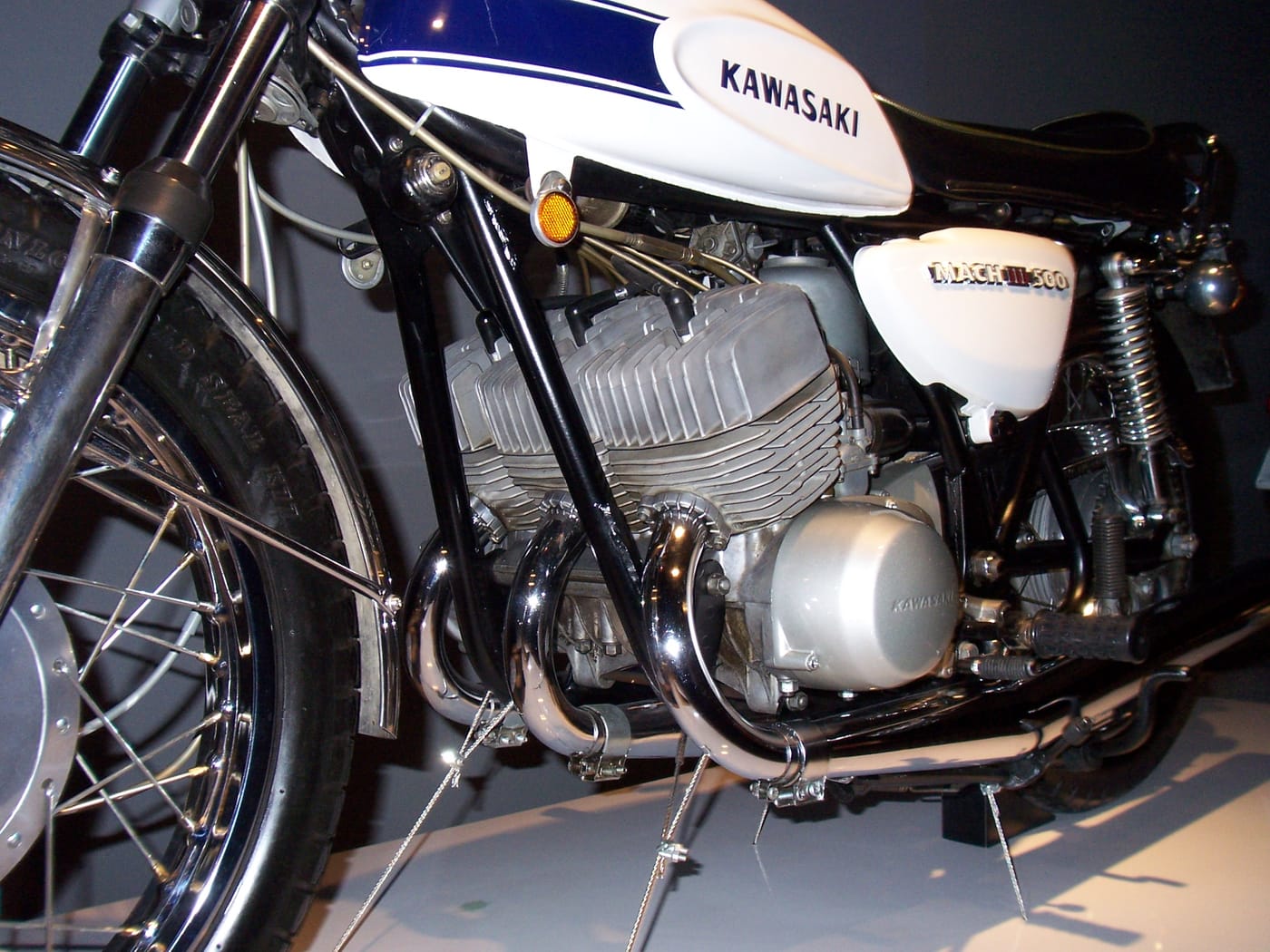
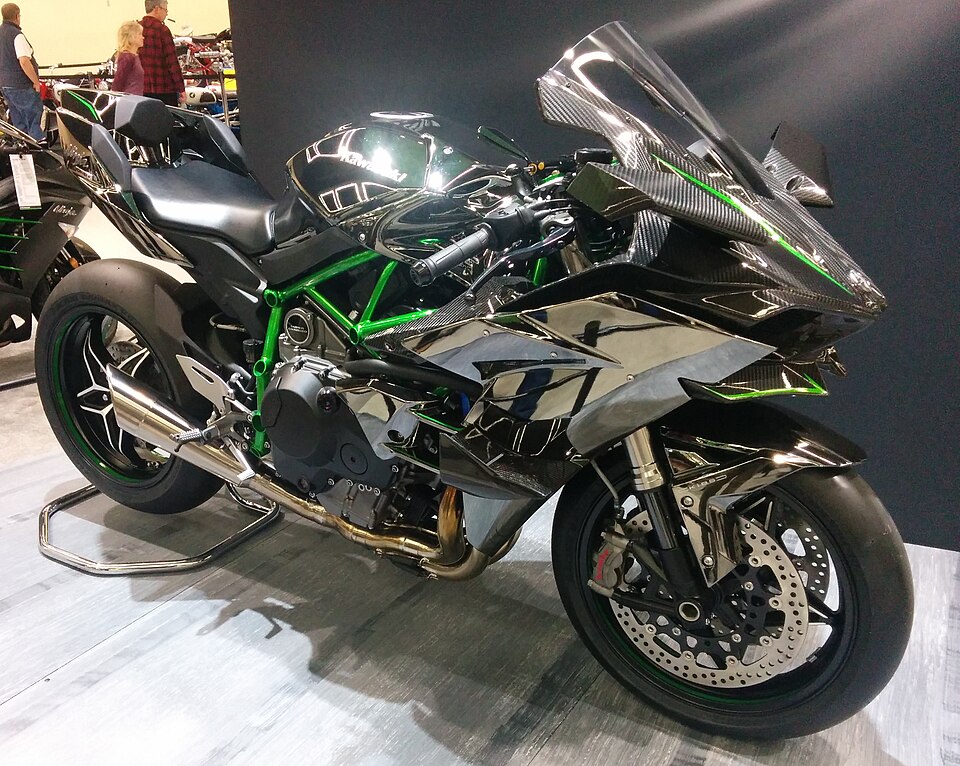
Kawasaki H2
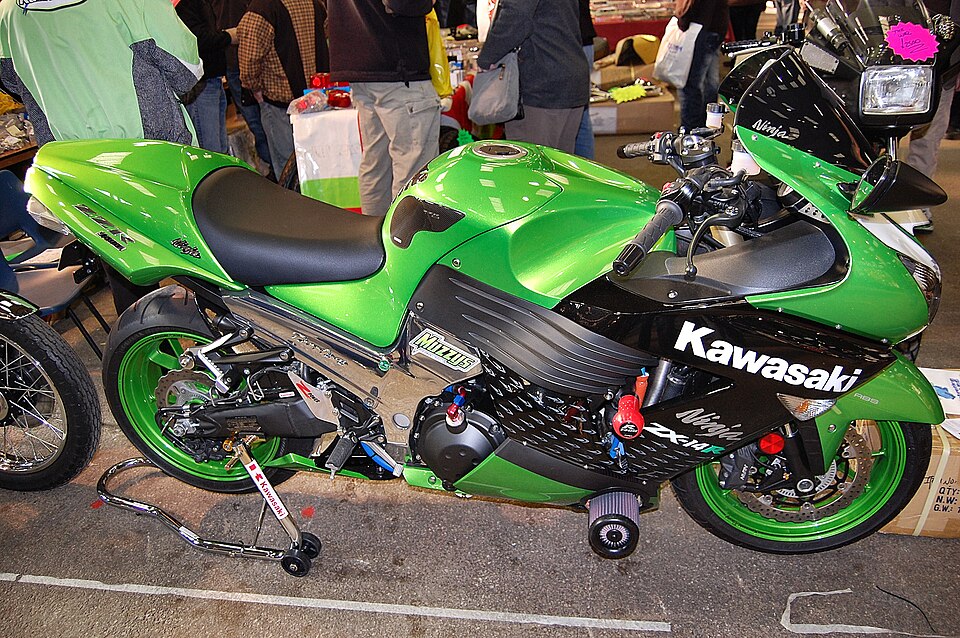
Kawasaki Zx-14r
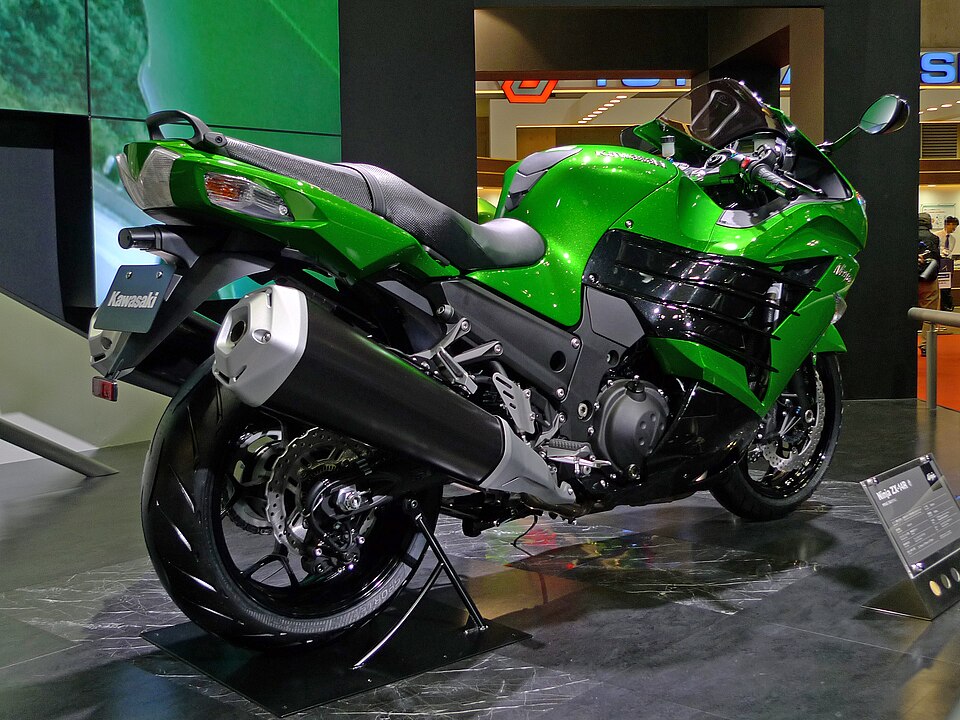
Kawasaki Ninja Zx-14r
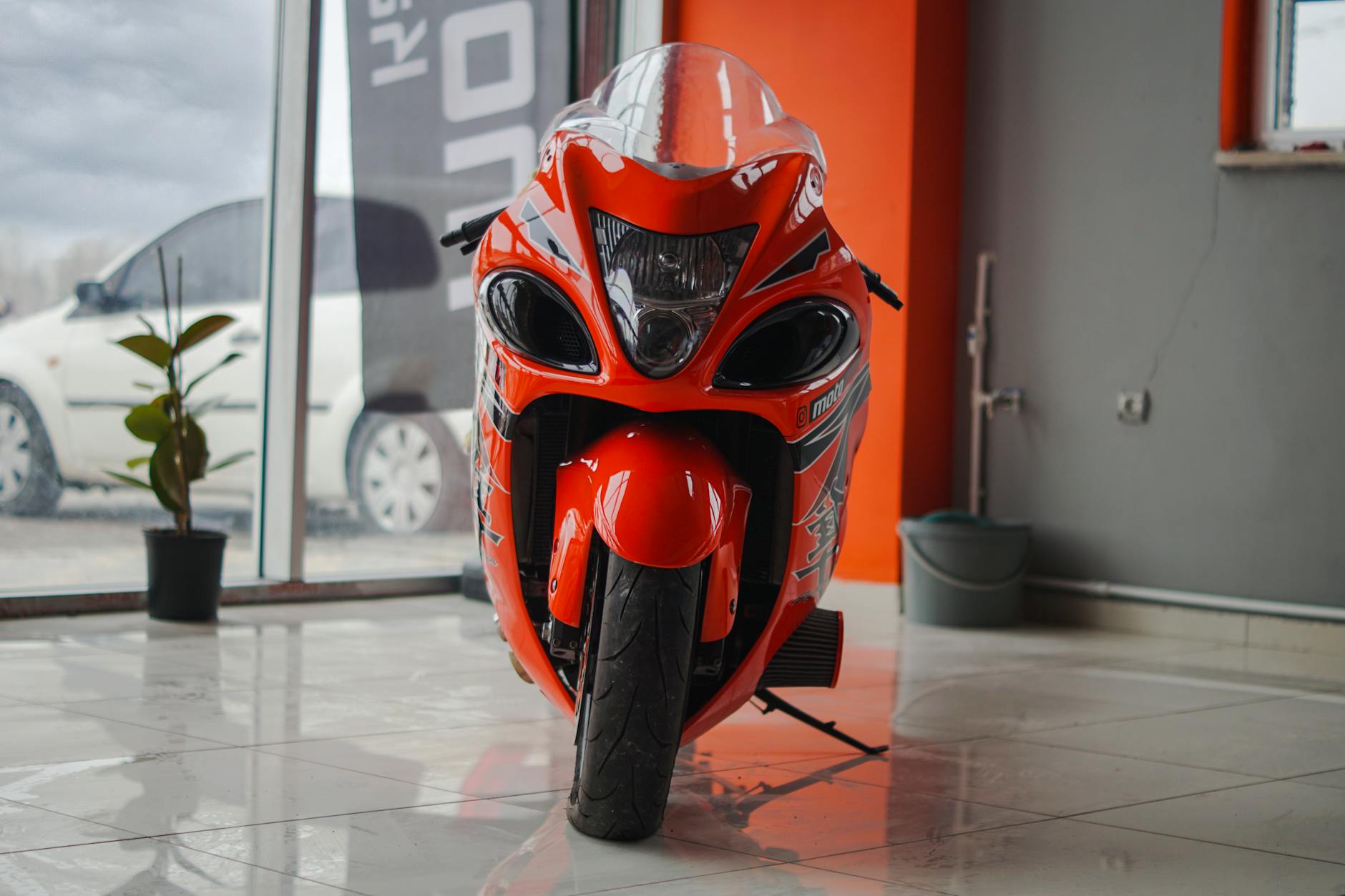
Suzuki Hayabusa 1300
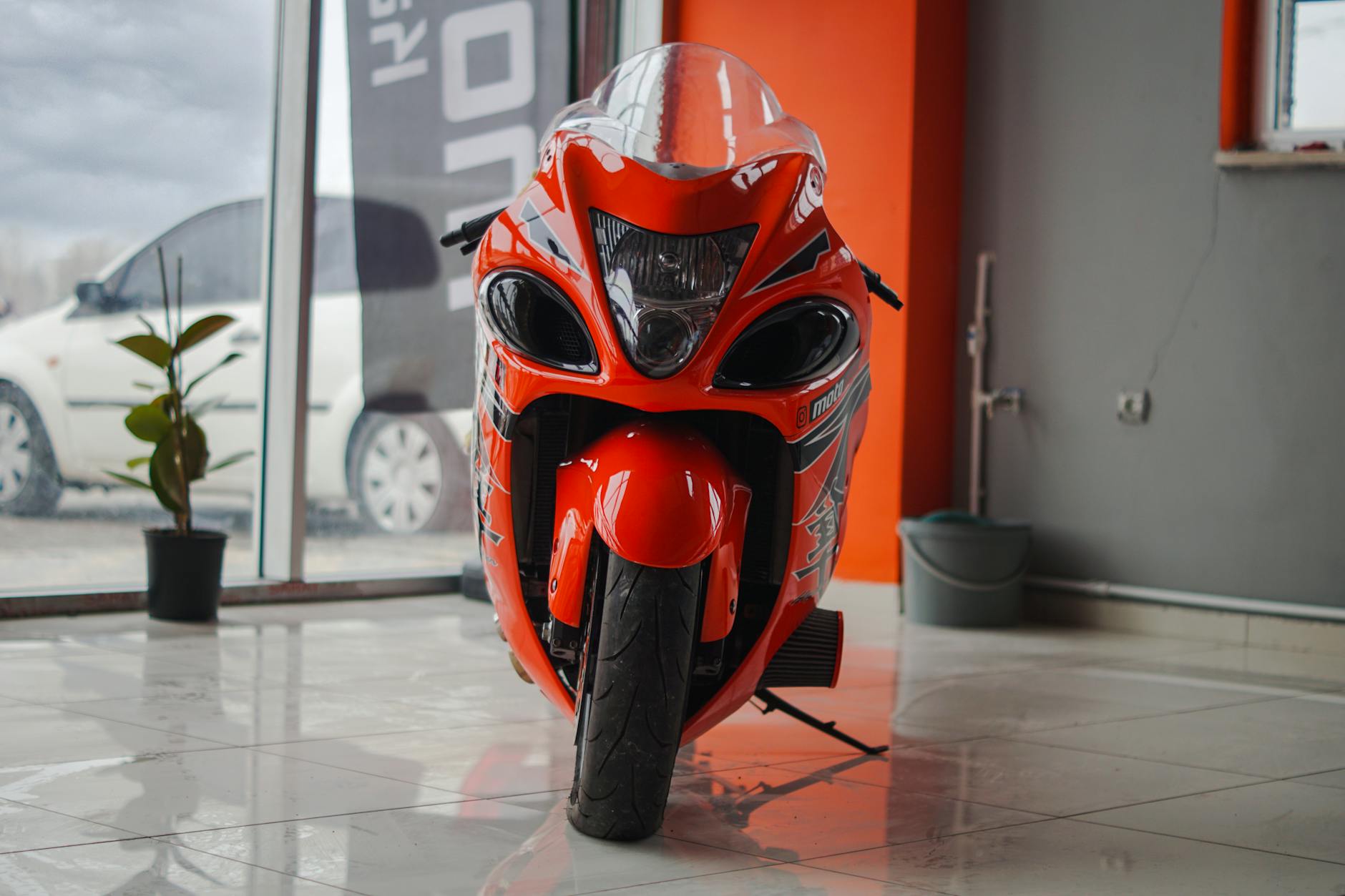
Suzuki Hayabusa 1340
Compare Suzuki Hayabusa Side-by-Side
compare_arrowsSpecs, power, weight & buyer verdict — head-to-head with the bikes most often cross-shopped.
Suzuki Hayabusa vs Kawasaki H2
Specs · Power · Buyer verdict
Suzuki Hayabusa vs Kawasaki Zx-14r
Specs · Power · Buyer verdict
Suzuki Hayabusa vs Kawasaki Ninja Zx-14r
Specs · Power · Buyer verdict
Suzuki Hayabusa vs Suzuki Hayabusa 1300
Specs · Power · Buyer verdict
Suzuki Hayabusa vs Suzuki Hayabusa 1340
Specs · Power · Buyer verdict
More Suzuki Hayabusa Guides
More from Suzuki
View all Suzuki models →Community Reviews
Discussion
Frequently Asked Questions
What are common problems with the Suzuki Hayabusa? +
Regulator/rectifier failure, kills battery and charging: Check voltage at idle and revs, look for burn marks (serious) | Fuel injector clogging on neglected bikes: Cold start hesitation, rough idle, poor throttle response (moderate) | Steering head bearing wear from aggressive riding: Rock forks side to side, feel for notchiness or play (moderate)
Is the Suzuki Hayabusa a good motorcycle? +
Buy the right one and you'll never want anything else. Rating: 8.5/10. Best for: Experienced riders wanting effortless long-distance speed. Avoid if: New riders underestimating 190hp real-world consequences.
What is the horsepower of the Suzuki Hayabusa? +
The Suzuki Hayabusa produces 190 hp @ 9,700 rpm (2021+ Gen3; earlier Gen1/2 rated ~173 hp), with 150 Nm @ 7,000 rpm (2021+ Gen3) of torque. Top speed: 299 km/h (electronically limited; unrestricted early models capable of ~312 km/h).
Is the Suzuki Hayabusa good for beginners? +
Not really — the Suzuki Hayabusa is better for experienced riders (190 hp can be intimidating). Experienced riders wanting effortless long-distance speed Avoid if: New riders underestimating 190hp real-world consequences
Is the Suzuki Hayabusa reliable? +
Owners report 2 critical issues to watch for on the Suzuki Hayabusa, notably: Regulator/rectifier failure, kills battery and charging (Check voltage at idle and revs, look for burn marks). Buy with a pre-purchase inspection.
Is the Suzuki Hayabusa good for daily use? +
Experienced riders wanting effortless long-distance speed Fuel: 6.5–8.5 L/100km (approx. 12–15 km/L, real-world average depending on riding style).
How fast is the Suzuki Hayabusa? +
The Suzuki Hayabusa reaches a top speed of 299 km/h (electronically limited; unrestricted early models capable of ~312 km/h), producing 190 hp at 266 kg curb weight. Real-world performance depends on rider weight, gearing, and road conditions.
What gear should I buy for a Suzuki Hayabusa? +
Motoryk has curated a Top 10 gear list specifically for the Suzuki Hayabusa, covering engine oil, tires, chain, battery, and brake pads — see motoryk.com/bikes/suzuki/hayabusa/top10. Each pick is matched to this bike's spec.