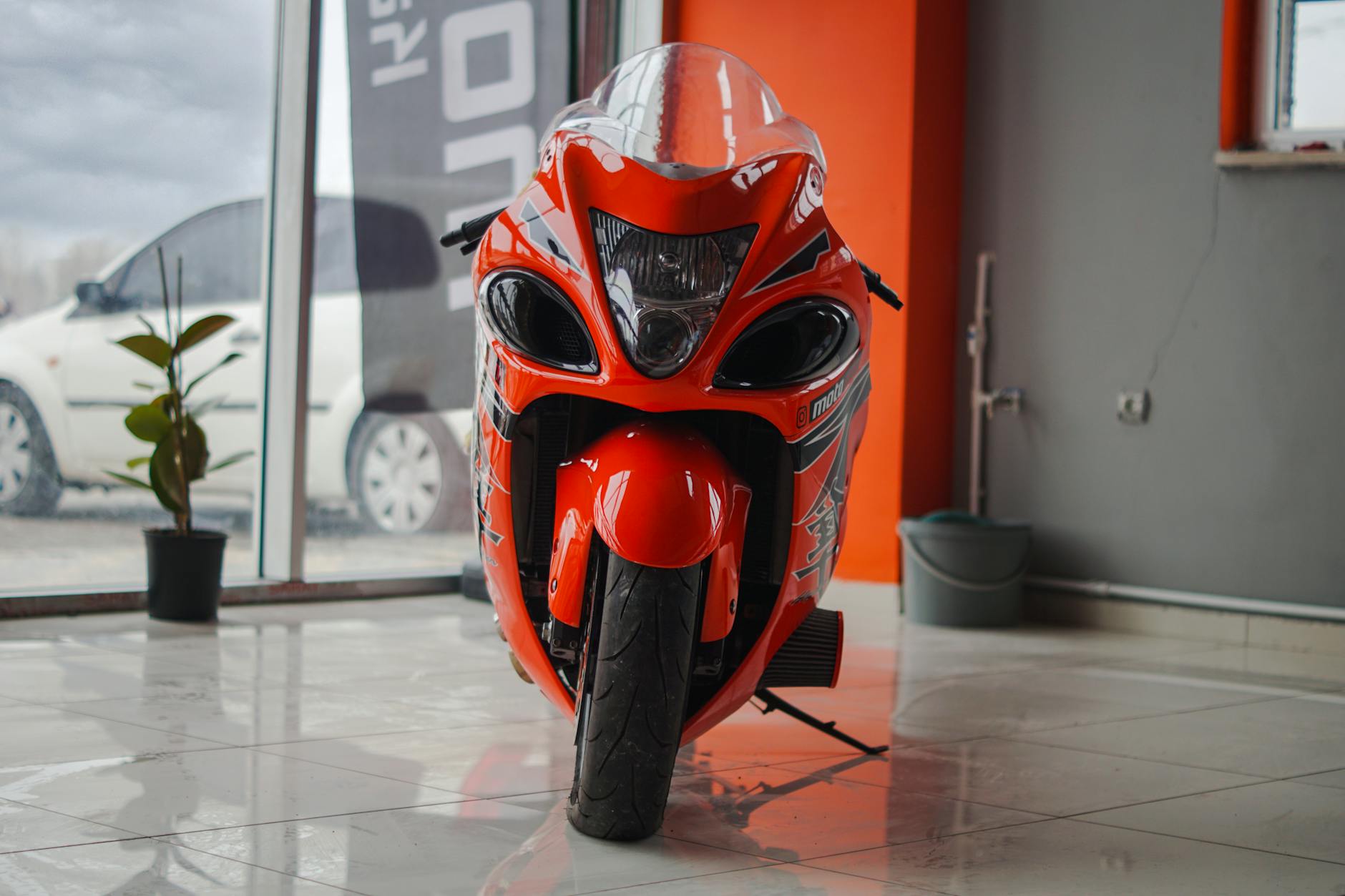
Suzuki Hayabusa
The Suzuki Hayabusa has a top speed of 299 km/h (electronically limited; unrestricted early models capable of ~312 km/h), produces 190 hp and weighs 266 kg. Motoryk rates it 8.5/10.
Suzuki Hayabusa (GSX1300R) został wprowadzony na rynek w 1999 roku i natychmiast stał się najszybszym motocyklem produkcyjnym na świecie, osiągając prędkość maksymalną około 312 km/h i wypierając Hondę CBR1100XX Super Blackbird z tego tytułu. Nazwany na cześć sokoła wędrownego (najszybszego ptaka, który poluje na kosy), wywołał dżentelmenską zgodę między głównymi producentami w 2000 r. o dobrowolnym ograniczeniu prędkości maksymalnej do 299 km/h. Druga generacja pojawiła się w 2008 roku ze zaktualizowaną stylistyką i ulepszoną wydajnością, a następnie trzecia generacja w 2021 roku wyposażona w nowoczesną elektronikę, tryby jazdy i zgodność z Euro 5, zachowując kultową sylwetkę.
190 hp
Moc
150 Nm
Moment obrotowy
266 kg
Waga
299 km/h (electronically limited; unrestricted early models capable of ~312 km/h)
Prędkość maksymalna
6.5–8.5 L/100km (approx. 12–15 km/L, real-world average depending on riding style)
Paliwo
Fair
Ciało
🔧 Service Schedule & Parts
Affiliate · we may earn| Service item | Every | Typical cost | Parts |
|---|---|---|---|
| 🛢️ Engine oil + oil filter | 6,000 km / 3,500 mi or 12 mo | $40-80 | 🛢️ Buy → ⚙️ Buy → |
| 🌬️ Air filter | 12,000 km / 7,500 mi | — | 🌬️ Buy → |
| ⚡ Spark plugs | 12,000 km / 7,500 mi | — | ⚡ Buy → |
| 🔧 Valve clearance check | 26,000 km / 16,000 mi | $300-500 | |
| 🔗 Chain & sprockets | 20000-30000 km (replace) | $150-300 | 🔗 Buy → |
| 🛑 Brake pads | 15000-25000 km | $40-80 | 🛑 Buy → |
| 💧 Brake fluid | 24,000 km / 15,000 mi or 2 yr | — | |
| 🧊 Coolant | 24,000 km / 15,000 mi | — | |
| 🛞 Tires | 8000-15000 km | $300-500 | 🛞 Buy → |
| 🔩 Major service | 24,000 km / 15,000 mi | $400-700 |
Video Review
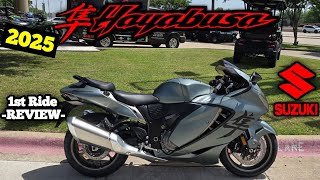
Co kupujący powinni wiedzieć
Bulletproof Engine Reliability
The Hayabusa's 1340cc engine is legendary for lasting well over 100,000 miles with basic maintenance. Many owners report minimal issues even on high-mileage examples, making it one of the most reliable sportbikes ever built.
Strong Resale Value
Hayabusas hold their value exceptionally well compared to most sportbikes, with used examples often selling close to original MSRP. The 2021 third-generation relaunch renewed demand, keeping older models desirable too.
Watch for Modifications
Many Hayabusas have been modified for drag racing or tuned beyond stock power limits, which can stress the engine and drivetrain. Always check service history and inspect for aftermarket ECU tunes, exhaust swaps, or turbo kits before buying used.
Pokolenia i specyfikacje według roku
Oryginalny inline-four o pojemności 1299 cm3, prędkość maksymalna 173 km/h, podwójne reflektory, wprowadzono kultowe aerodynamiczne nadwozie.
"Rower, który na stałe przepisał podręcznik zasad."
Przejechałem 18 000 mil na Busa z 2002 roku i naprawdę zmieniło to sposób, w jaki rozumiałem, czym może być motocykl - później nic nie czuło się tak samo. Ten silnik o pojemności 1299 cm3 nie uderza cię jak młot; po prostu ciągle ciągnie z nieustępliwą, niemal niesamowitą gładkością, która sprawiła, że patrzyłem w dół z prędkością 170 mil na godzinę, zastanawiając się, dlaczego prędkość wydawała się niewyróżniająca. Pozycja jazdy jest zaskakująco tolerowana dla maszyny o prędkości 300 km/h, chociaż szeroka owiewka łapie boczny wiatr jak żagiel na autostradach, a skrzynia biegów ma wyjątkową, rolniczą jakość, która przypomina, że ta rzecz została zaprojektowana tak, aby jeździć szybko, a nie czuć się premium. Wczesne modele z gaźnikiem (na niektórych rynkach przed wtryskiem paliwa przed 2002 r.) mogą być temperamentne w chłodne dni, a przedni hamulec jest drewniany zgodnie z nowoczesnymi standardami - ale nic z tego nie ma znaczenia, gdy przypinasz go do niemieckiej autostrady i obserwujesz światowy teleskop w punkcie znikającym.
Plusy
Wady
Poprawiony silnik o pojemności 1340 cm3, zaktualizowany wtrysk paliwa, odnowione nadwozie, ulepszone hamulce i zawieszenie.
"Benchmark hiperbike, który wciąż zawstydza nowsze maszyny."
Pojechałem 14 000 mil na Busę z 2009 roku, a silnik o pojemności 1340 cm3 to prawdziwa historia - ten średni moment obrotowy między 4000 a 7000 obr/min jest tak gruby i nieustanny, że sprawia, że 600 czują się jak zabawki, ale nigdy nie czuje się szalony. Zmieniony wtrysk paliwa oczyścił słynne polowanie i potknięcie się starej generacji 1, chociaż zimne starty wciąż potrzebują minuty na ustąpienie. Przy 266kg jest to niezaprzeczalnie duży rower i poczujesz, że każdy kilogram przechodzi przez ciasne górskie przełączniki, ale gdy droga się otworzy, kurczy się wokół ciebie w sposób, który przeciwstawia się liczbom wagi. Hamulce są prawdziwym ulepszeniem w stosunku do poprzedniej generacji, ale nadal brakuje im początkowego zgryzu, jakiego można oczekiwać od tak szybkiego roweru - hamowanie na zakrętach wymaga cierpliwości.
Plusy
Wady
Silnik zgodny z Euro5, jazda po drucie, ABS na zakrętach, kontrola trakcji, dodano sterowanie startem.
Recenzja używanego kupującego
"Buy the right one and you'll never want anything else."
$5,500-$14,000 usedThe Hayabusa is one of those bikes that genuinely earns its legend status, but buying one used requires eyes wide open. The Gen 1 (1999-2007) and Gen 2 (2008-2012) bikes are getting old now, and many have been thrashed, modified, or worse — crashed and poorly repaired. Check the frame rails obsessively, look for rippled bodywork gaps, and if the speedo reads under 20k miles on a bike from that era, be suspicious. These things get ridden hard. Mechanically they're remarkably tough — the inline-four will often see 60,000+ miles with basic maintenance. But neglected cooling systems, tired suspension, and worn chain/sprocket combos are common on abused examples. Budget an extra $500-800 for a proper service if you're buying privately. The Gen 3 (2021+) is a different animal — smoother, more refined, genuinely docile with the electronics dialled back, but prices are still steep used. For the money, nothing matches the Hayabusa's combination of effortless high-speed cruising, surprising everyday manageability, and sheer mechanical longevity. Just do your homework.
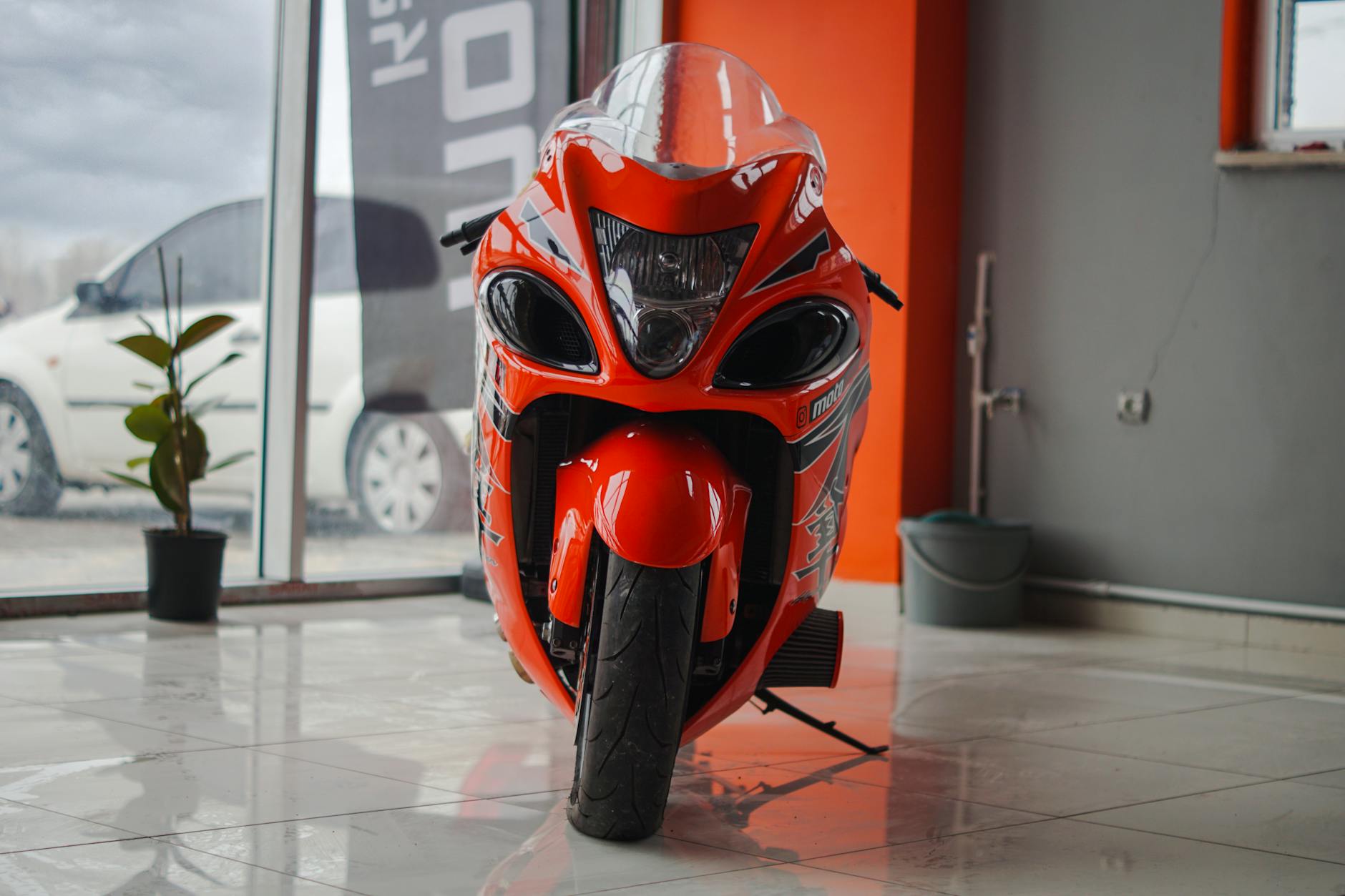
Variants of the Suzuki Hayabusa
Same bike, different trim or year-range — pick the one matching the listing.
Top 10 Accessories
Curated picks for the Suzuki Hayabusa — owned, ridden, recommended.




Typowe problemy
🔥 2 CRITICALCheck voltage at idle and revs, look for burn marks
Cold start hesitation, rough idle, poor throttle response
Rock forks side to side, feel for notchiness or play
Remove fairings, inspect frame, forks, subframe for bends
✅Lista kontrolna przed zakupem
Very reliable if maintained, avoid crashed examples
Full Specifications
Rivals & Alternatives
Bikes that buyers cross-shop with the Suzuki Hayabusa
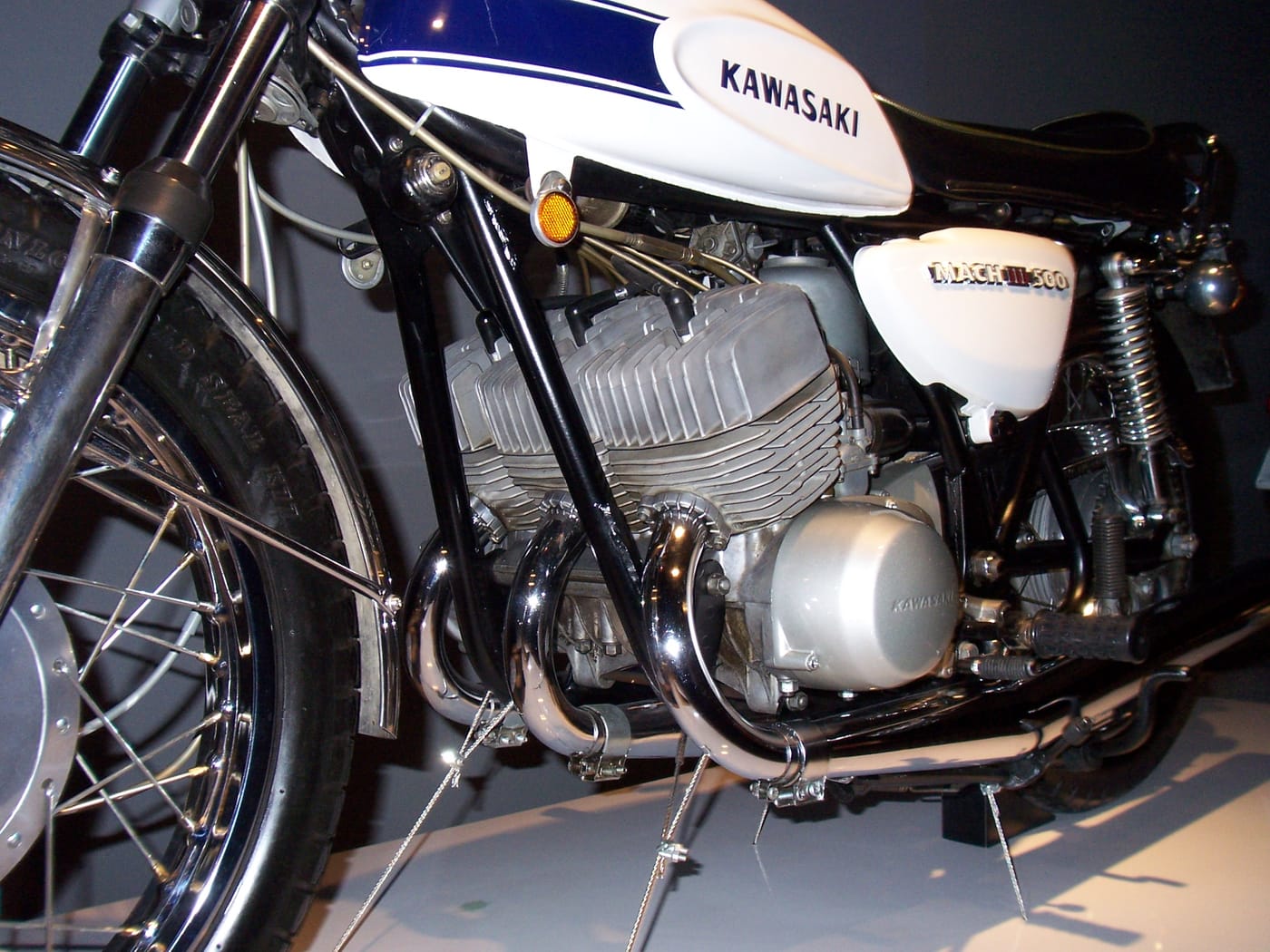
Kawasaki H2
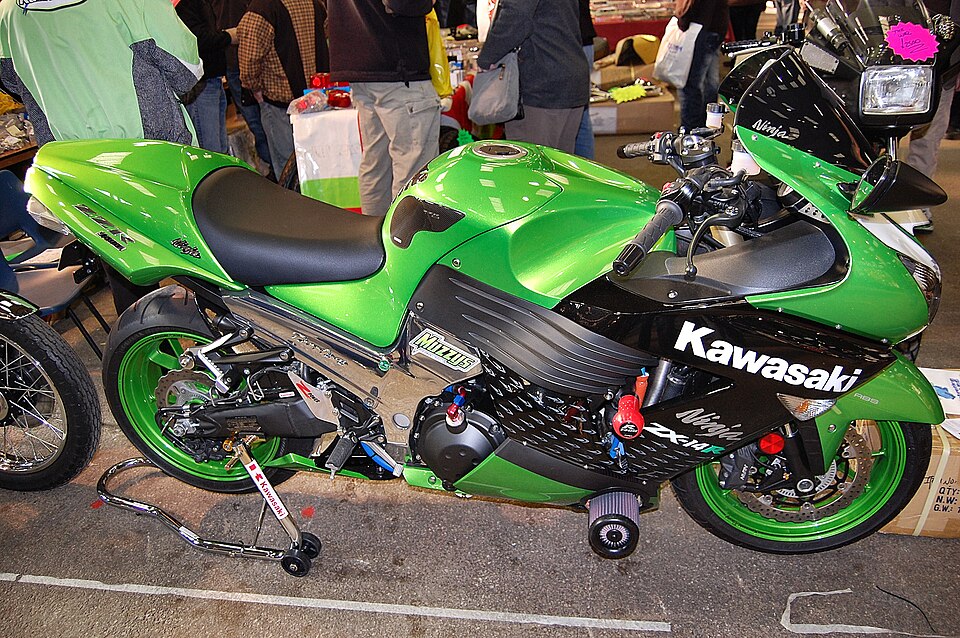
Kawasaki Zx-14r
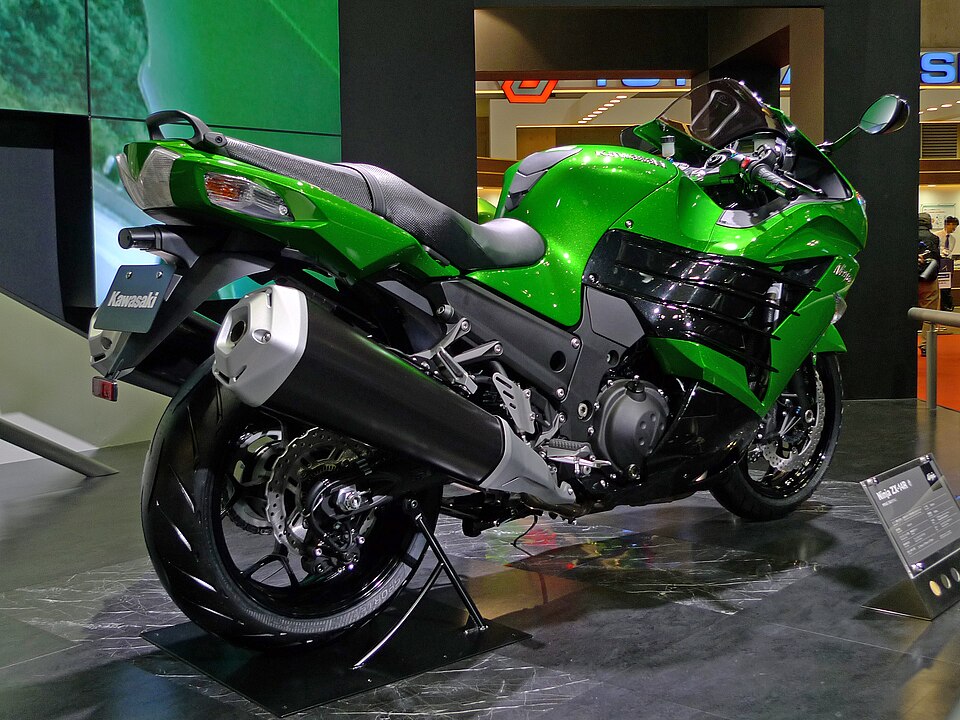
Kawasaki Ninja Zx-14r
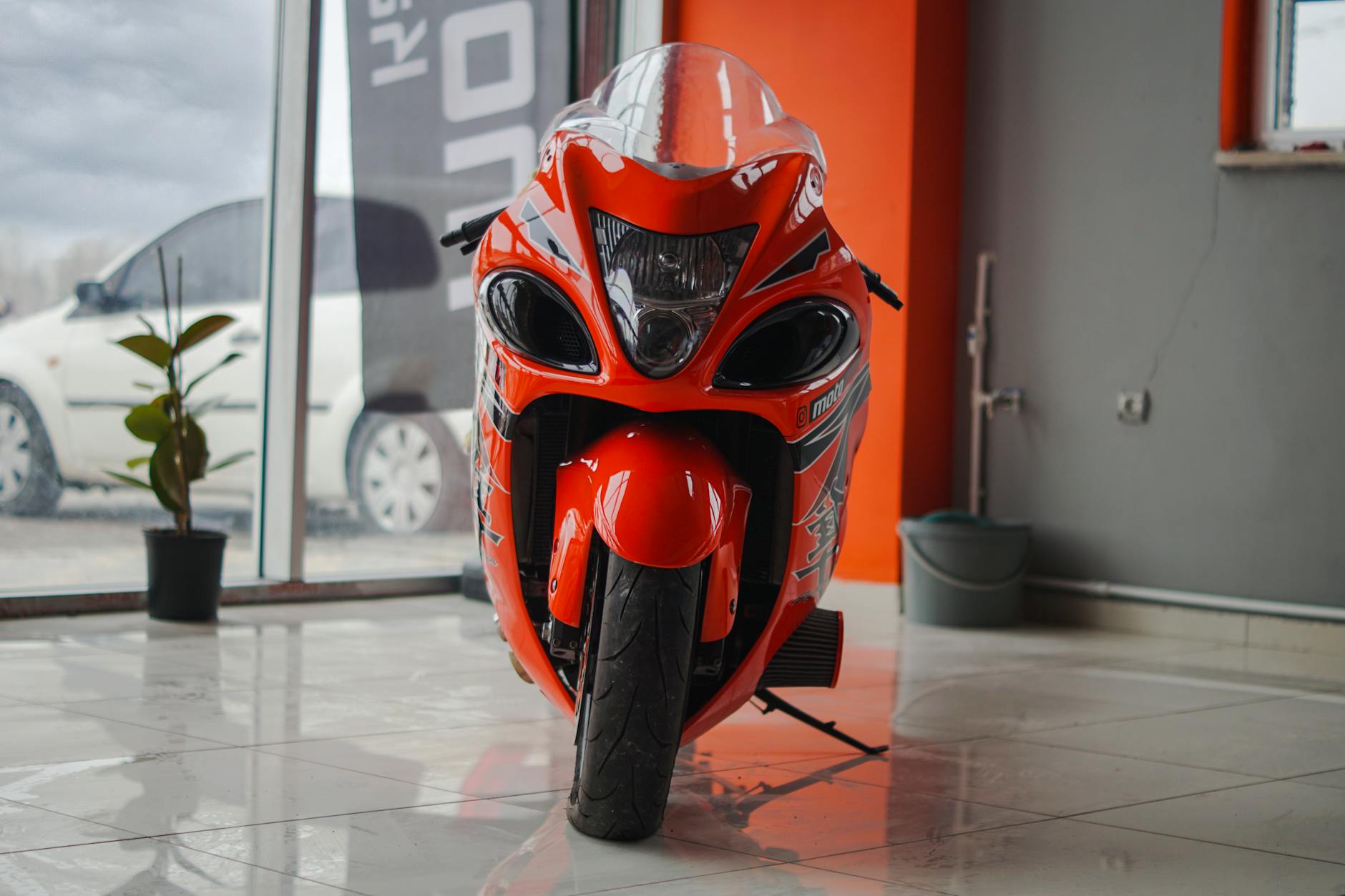
Suzuki Hayabusa 1300
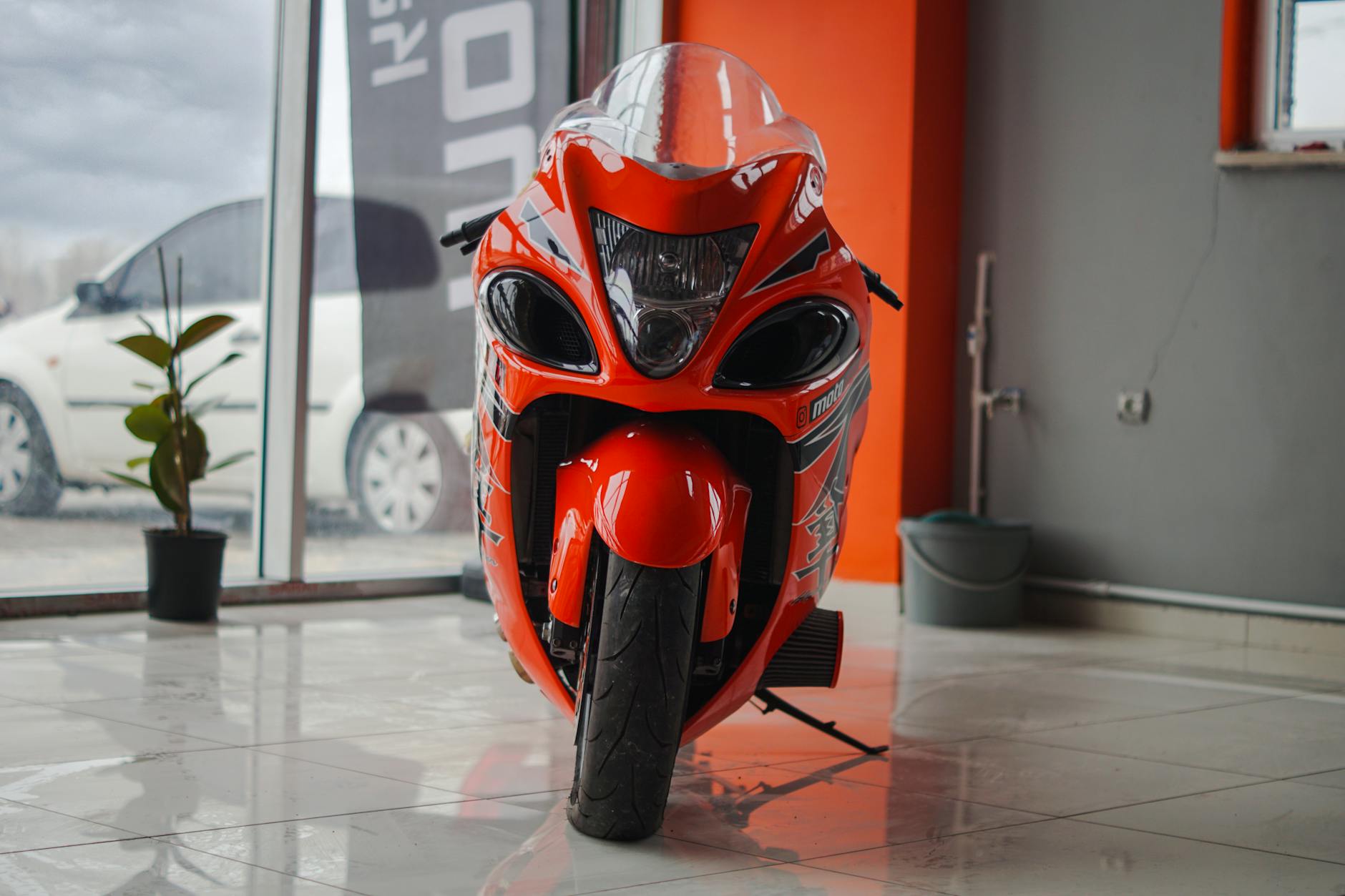
Suzuki Hayabusa 1340
Compare Suzuki Hayabusa Side-by-Side
compare_arrowsSpecs, power, weight & buyer verdict — head-to-head with the bikes most often cross-shopped.
Suzuki Hayabusa vs Kawasaki H2
Specs · Power · Buyer verdict
Suzuki Hayabusa vs Kawasaki Zx-14r
Specs · Power · Buyer verdict
Suzuki Hayabusa vs Kawasaki Ninja Zx-14r
Specs · Power · Buyer verdict
Suzuki Hayabusa vs Suzuki Hayabusa 1300
Specs · Power · Buyer verdict
Suzuki Hayabusa vs Suzuki Hayabusa 1340
Specs · Power · Buyer verdict
More Suzuki Hayabusa Guides
More from Suzuki
View all Suzuki models →Community Reviews
Discussion
Frequently Asked Questions
What are common problems with the Suzuki Hayabusa? +
Regulator/rectifier failure, kills battery and charging: Check voltage at idle and revs, look for burn marks (serious) | Fuel injector clogging on neglected bikes: Cold start hesitation, rough idle, poor throttle response (moderate) | Steering head bearing wear from aggressive riding: Rock forks side to side, feel for notchiness or play (moderate)
Is the Suzuki Hayabusa a good motorcycle? +
Buy the right one and you'll never want anything else. Rating: 8.5/10. Best for: Experienced riders wanting effortless long-distance speed. Avoid if: New riders underestimating 190hp real-world consequences.
What is the horsepower of the Suzuki Hayabusa? +
The Suzuki Hayabusa produces 190 hp @ 9,700 rpm (2021+ Gen3; earlier Gen1/2 rated ~173 hp), with 150 Nm @ 7,000 rpm (2021+ Gen3) of torque. Top speed: 299 km/h (electronically limited; unrestricted early models capable of ~312 km/h).
Is the Suzuki Hayabusa good for beginners? +
Not really — the Suzuki Hayabusa is better for experienced riders (190 hp can be intimidating). Experienced riders wanting effortless long-distance speed Avoid if: New riders underestimating 190hp real-world consequences
Is the Suzuki Hayabusa reliable? +
Owners report 2 critical issues to watch for on the Suzuki Hayabusa, notably: Regulator/rectifier failure, kills battery and charging (Check voltage at idle and revs, look for burn marks). Buy with a pre-purchase inspection.
Is the Suzuki Hayabusa good for daily use? +
Experienced riders wanting effortless long-distance speed Fuel: 6.5–8.5 L/100km (approx. 12–15 km/L, real-world average depending on riding style).
How fast is the Suzuki Hayabusa? +
The Suzuki Hayabusa reaches a top speed of 299 km/h (electronically limited; unrestricted early models capable of ~312 km/h), producing 190 hp at 266 kg curb weight. Real-world performance depends on rider weight, gearing, and road conditions.
What gear should I buy for a Suzuki Hayabusa? +
Motoryk has curated a Top 10 gear list specifically for the Suzuki Hayabusa, covering engine oil, tires, chain, battery, and brake pads — see motoryk.com/bikes/suzuki/hayabusa/top10. Each pick is matched to this bike's spec.