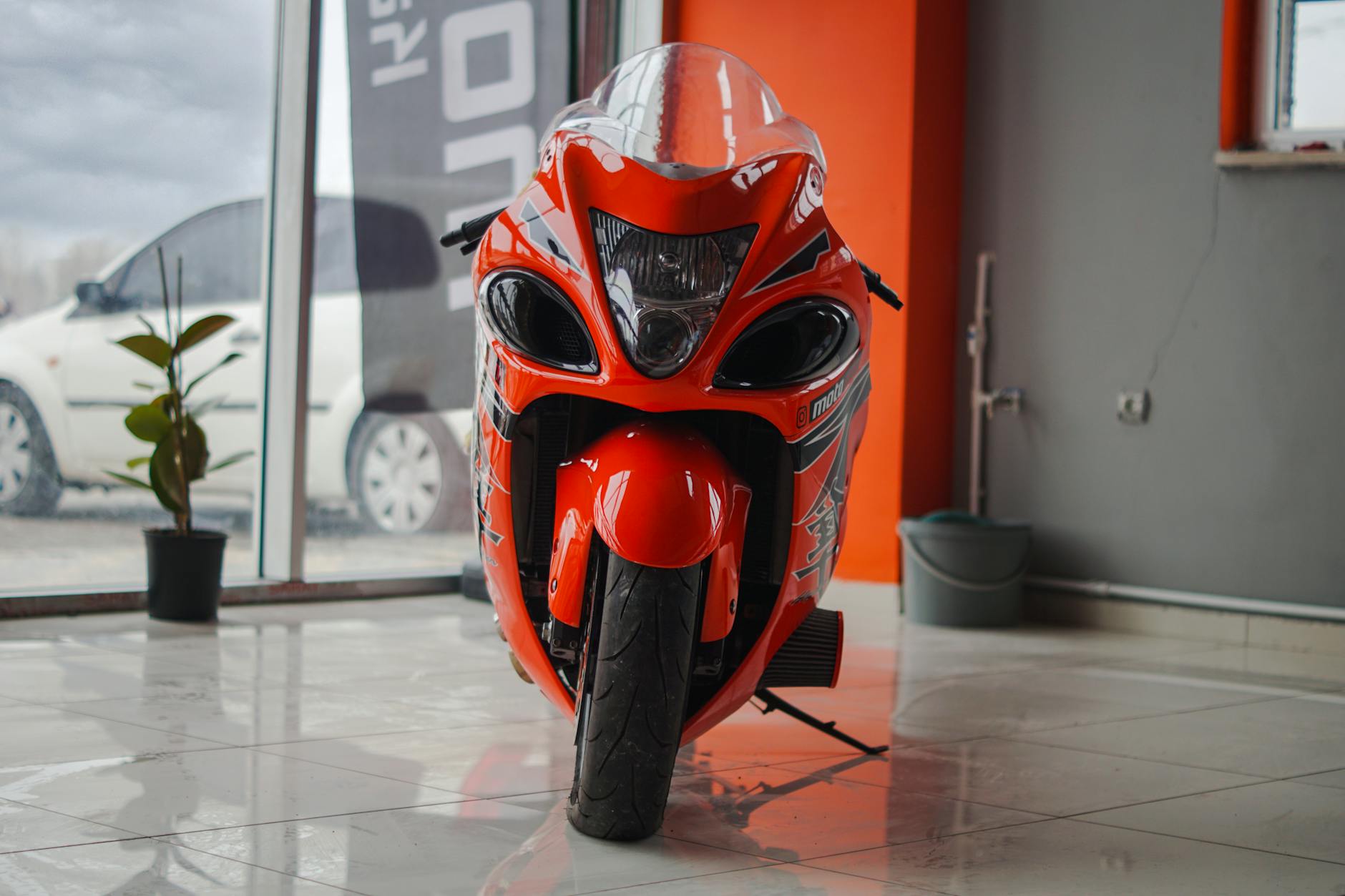
Suzuki Hayabusa
The Suzuki Hayabusa has a top speed of 299 km/h (electronically limited; unrestricted early models capable of ~312 km/h), produces 190 hp and weighs 266 kg. Motoryk rates it 8.5/10.
La Suzuki Hayabusa (GSX1300R) se presentó en 1999 e inmediatamente se convirtió en la motocicleta de producción más rápida del mundo, alcanzando una velocidad máxima de aproximadamente 312 km/h y desplazando de ese título a la Honda CBR1100XX Super Blackbird. Lleva el nombre del halcón peregrino (el ave más rápida, que se alimenta de mirlos), y provocó un acuerdo entre los principales fabricantes en 2000 para limitar voluntariamente la velocidad máxima a 299 km/h. En 2008 llegó una segunda generación con un estilo actualizado y un rendimiento mejorado, seguida de una tercera generación en 2021 con una electrónica moderna, modos de conducción y conformidad con la normativa Euro 5, conservando su icónica silueta.
190 hp
Potencia
150 Nm
Torsión
266 kg
Peso
299 km/h (electronically limited; unrestricted early models capable of ~312 km/h)
Velocidad máxima
6.5–8.5 L/100km (approx. 12–15 km/L, real-world average depending on riding style)
Combustible
Carenado
Cuerpo
🔧 Service Schedule & Parts
Affiliate · we may earn| Service item | Every | Typical cost | Parts |
|---|---|---|---|
| 🛢️ Engine oil + oil filter | 6,000 km / 3,500 mi or 12 mo | $40-80 | 🛢️ Buy → ⚙️ Buy → |
| 🌬️ Air filter | 12,000 km / 7,500 mi | — | 🌬️ Buy → |
| ⚡ Spark plugs | 12,000 km / 7,500 mi | — | ⚡ Buy → |
| 🔧 Valve clearance check | 26,000 km / 16,000 mi | $300-500 | |
| 🔗 Chain & sprockets | 20000-30000 km (replace) | $150-300 | 🔗 Buy → |
| 🛑 Brake pads | 15000-25000 km | $40-80 | 🛑 Buy → |
| 💧 Brake fluid | 24,000 km / 15,000 mi or 2 yr | — | |
| 🧊 Coolant | 24,000 km / 15,000 mi | — | |
| 🛞 Tires | 8000-15000 km | $300-500 | 🛞 Buy → |
| 🔩 Major service | 24,000 km / 15,000 mi | $400-700 |
Video Review
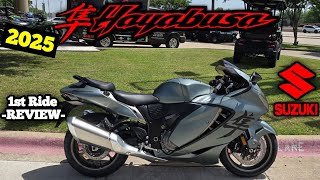
Lo que los compradores deben saber
Bulletproof Engine Reliability
The Hayabusa's 1340cc engine is legendary for lasting well over 100,000 miles with basic maintenance. Many owners report minimal issues even on high-mileage examples, making it one of the most reliable sportbikes ever built.
Strong Resale Value
Hayabusas hold their value exceptionally well compared to most sportbikes, with used examples often selling close to original MSRP. The 2021 third-generation relaunch renewed demand, keeping older models desirable too.
Watch for Modifications
Many Hayabusas have been modified for drag racing or tuned beyond stock power limits, which can stress the engine and drivetrain. Always check service history and inspect for aftermarket ECU tunes, exhaust swaps, or turbo kits before buying used.
Generaciones y especificaciones por año
Cuatro cilindros en línea originales de 1299 cc, velocidad máxima de 173 mph, faros dobles y presentación de la icónica carrocería aerodinámica.
"La moto que reescribió el reglamento, de forma permanente."
Recorrí 18.000 millas en una Busa del 2002 y realmente cambió mi forma de entender lo que podía ser una motocicleta: nada me pareció igual después. Ese motor de 1299 cc no te golpea como un martillo; simplemente sigue tirando con una suavidad implacable, casi espeluznante, que me hizo mirar hacia abajo, a 170 km/h, preguntándome por qué el velocímetro no parecía tener nada de especial. La posición de conducción es sorprendentemente tolerable para una máquina de 300 km/h, aunque el amplio carenado atrapa los vientos cruzados como una vela en las autopistas y la caja de cambios tiene una calidad agrícola con muescas que recuerda que se diseñó para ir rápido, no para dar una sensación de primera calidad. Los primeros modelos con carburador (con inyección de combustible anteriores a 2002 en algunos mercados) pueden ser temperamentales cuando hace frío, y la sensación del freno delantero es sólida según los estándares modernos, pero nada de eso importa cuando lo colocas en una autopista alemana y ves el telescopio mundial hasta un punto de fuga.
Pros
Contras
Motor de 1340 cc revisado, inyección de combustible actualizada, carrocería rediseñada, frenos y suspensión mejorados.
"La hipermoto de referencia que todavía avergüenza a las máquinas más nuevas."
Realicé 14 000 millas en un Busa del 2009 y el motor de 1340 cc es la verdadera historia: ese par de rango medio entre 4000 y 7000 rpm es tan intenso e implacable que hace que los 600 parezcan juguetes, pero nunca se siente frenético. La inyección de combustible revisada solucionó la tristemente célebre situación de cacería y tropiezo a baja velocidad de la vieja generación 1, aunque los arranques en frío aún necesitan un minuto para estabilizarse. Con 266 kg, es indudablemente una bicicleta grande, y sentirás cada kilo recorriendo curvas cerradas de montaña, pero una vez que la carretera se abre, se encoge a tu alrededor de una manera que desafía las cifras de peso. Los frenos suponen una auténtica mejora con respecto a la generación anterior, pero aún carecen de la potencia inicial que cabría esperar de una moto tan rápida: frenar en pista en las curvas requiere paciencia.
Pros
Contras
Motor compatible con Euro5, conducción por cable, ABS en curvas, control de tracción y control de lanzamiento añadidos.
Reseña de un comprador usado
"Buy the right one and you'll never want anything else."
$5,500-$14,000 usedThe Hayabusa is one of those bikes that genuinely earns its legend status, but buying one used requires eyes wide open. The Gen 1 (1999-2007) and Gen 2 (2008-2012) bikes are getting old now, and many have been thrashed, modified, or worse — crashed and poorly repaired. Check the frame rails obsessively, look for rippled bodywork gaps, and if the speedo reads under 20k miles on a bike from that era, be suspicious. These things get ridden hard. Mechanically they're remarkably tough — the inline-four will often see 60,000+ miles with basic maintenance. But neglected cooling systems, tired suspension, and worn chain/sprocket combos are common on abused examples. Budget an extra $500-800 for a proper service if you're buying privately. The Gen 3 (2021+) is a different animal — smoother, more refined, genuinely docile with the electronics dialled back, but prices are still steep used. For the money, nothing matches the Hayabusa's combination of effortless high-speed cruising, surprising everyday manageability, and sheer mechanical longevity. Just do your homework.
Variants of the Suzuki Hayabusa
Same bike, different trim or year-range — pick the one matching the listing.
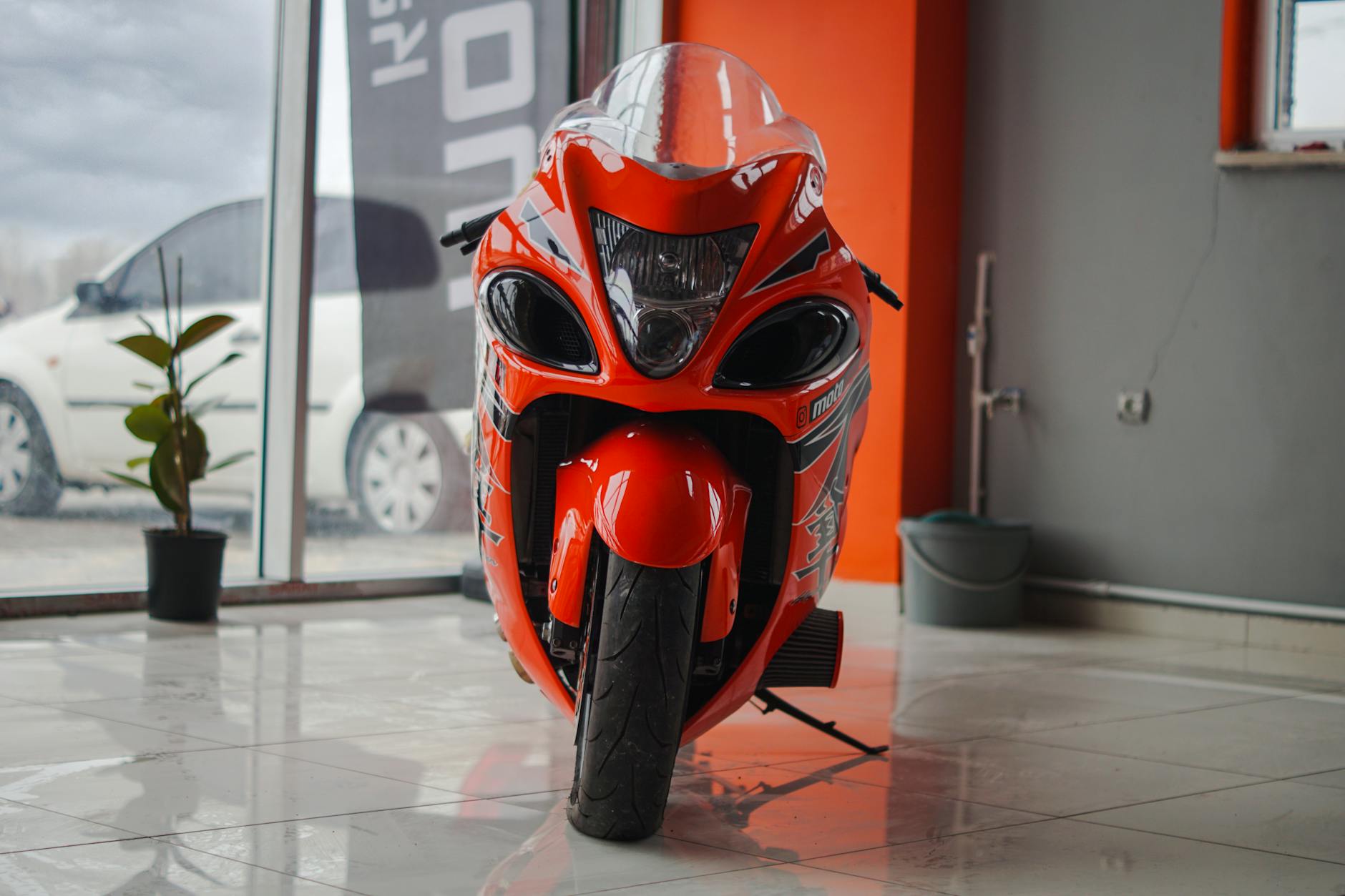
Top 10 Accessories
Curated picks for the Suzuki Hayabusa — owned, ridden, recommended.


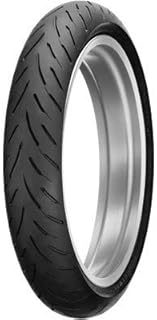


Problemas comunes
🔥 2 CRITICALCheck voltage at idle and revs, look for burn marks
Cold start hesitation, rough idle, poor throttle response
Rock forks side to side, feel for notchiness or play
Remove fairings, inspect frame, forks, subframe for bends
✅Lista de verificación previa a la compra
Very reliable if maintained, avoid crashed examples
Full Specifications
Rivals & Alternatives
Bikes that buyers cross-shop with the Suzuki Hayabusa
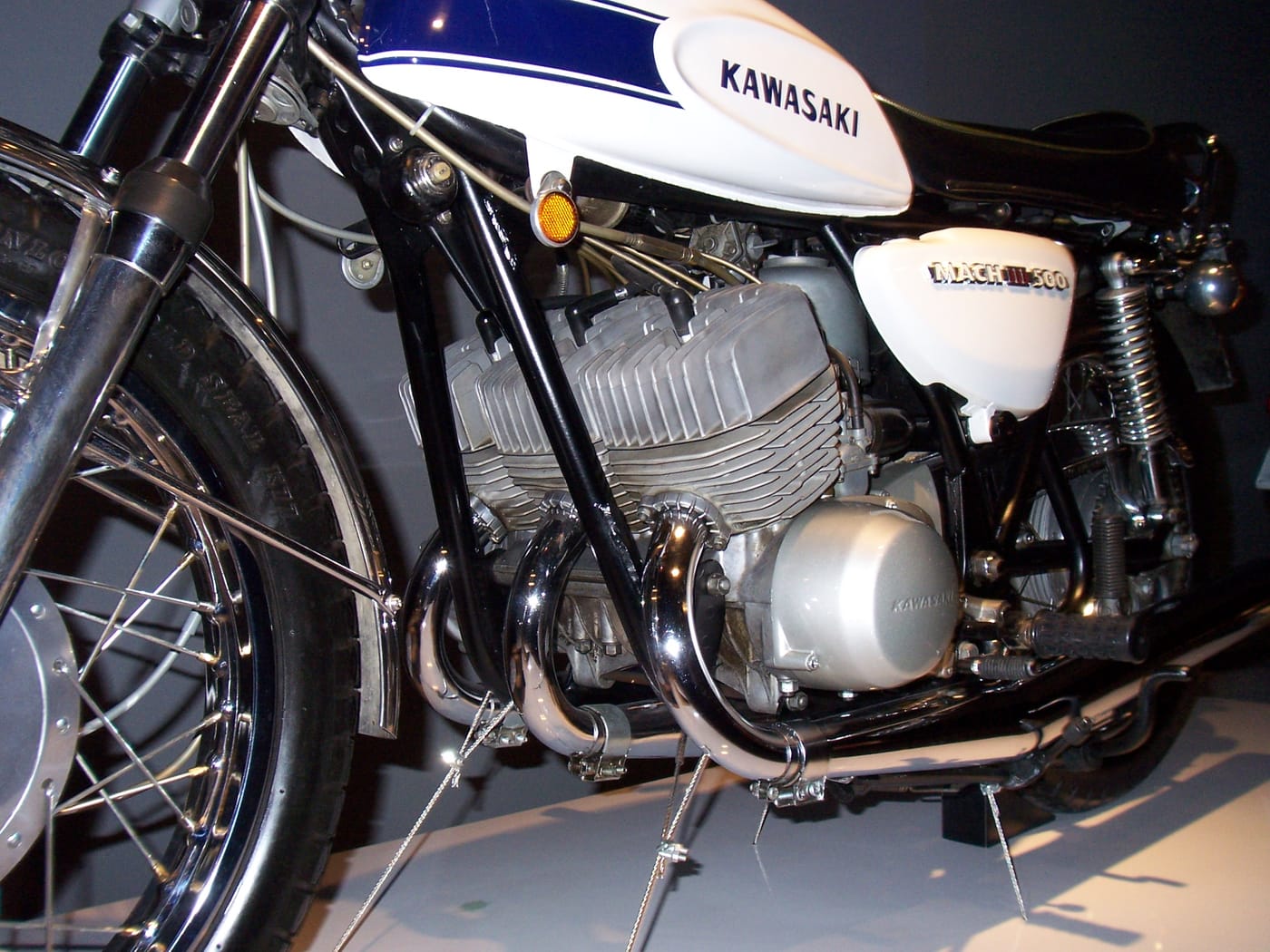
Kawasaki H2
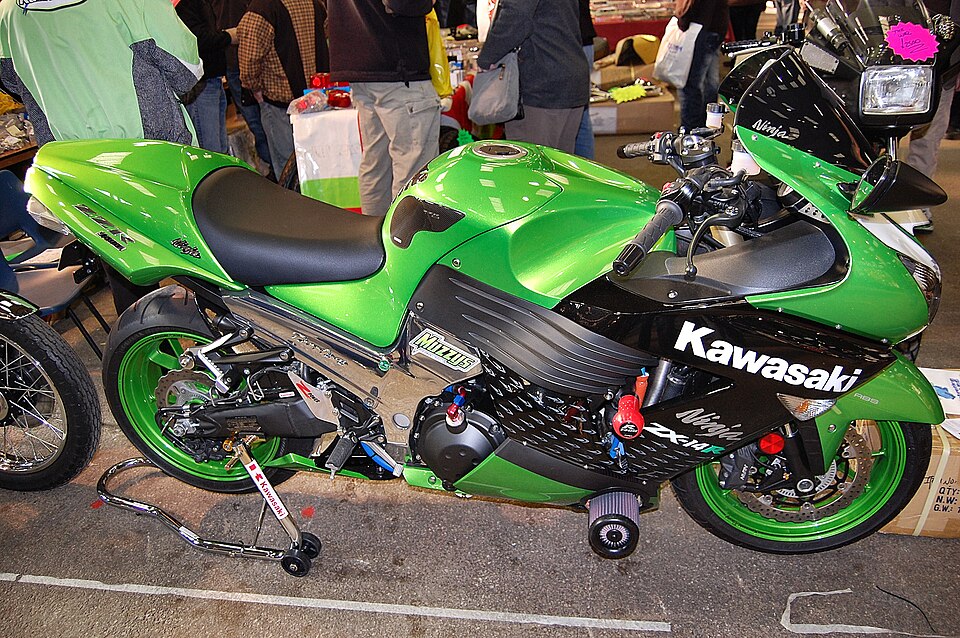
Kawasaki Zx-14r
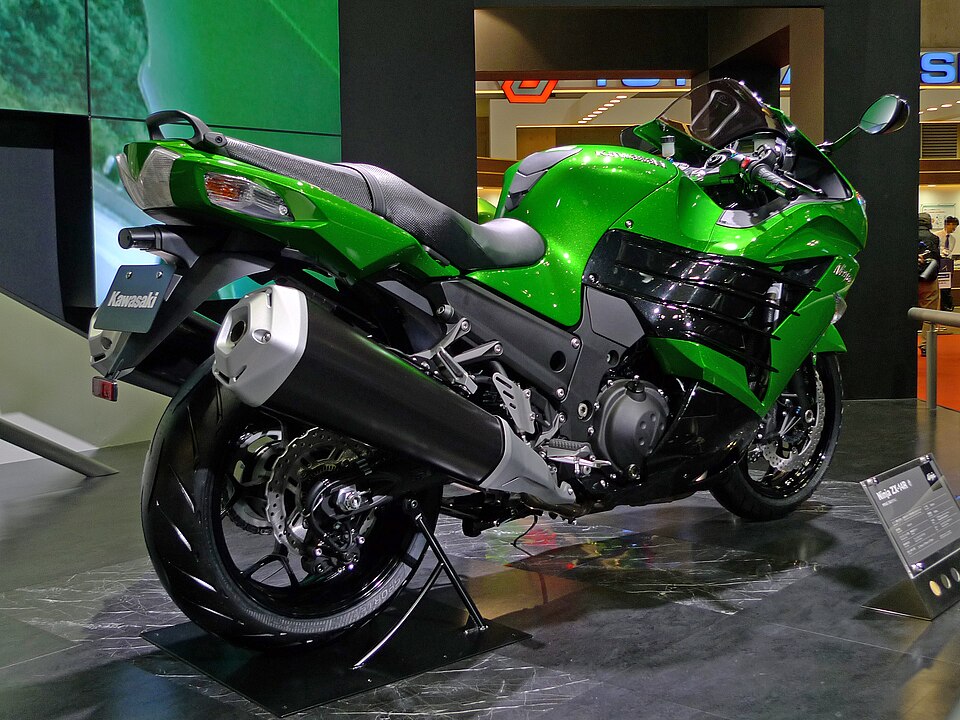
Kawasaki Ninja Zx-14r
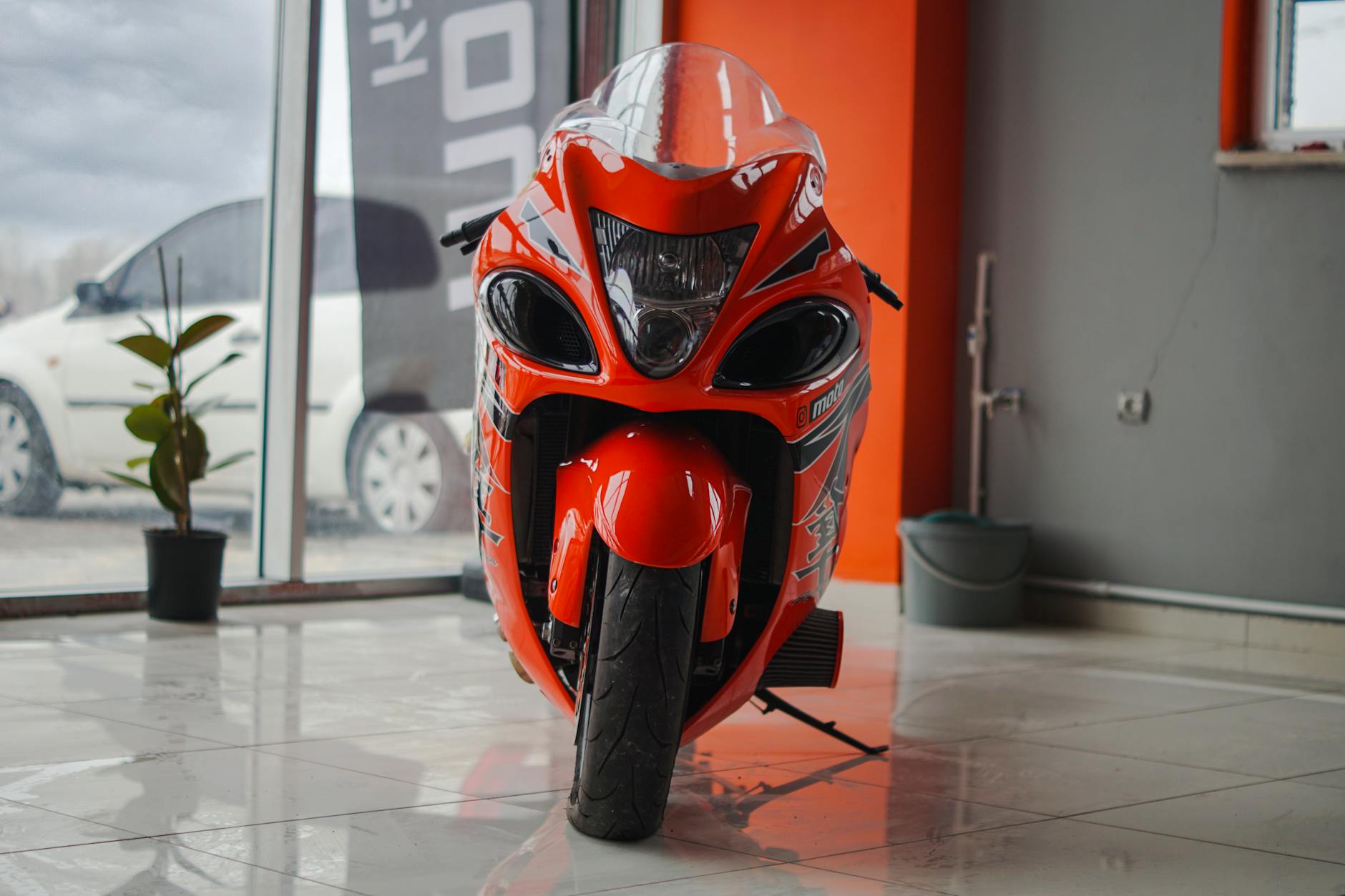
Suzuki Hayabusa 1300
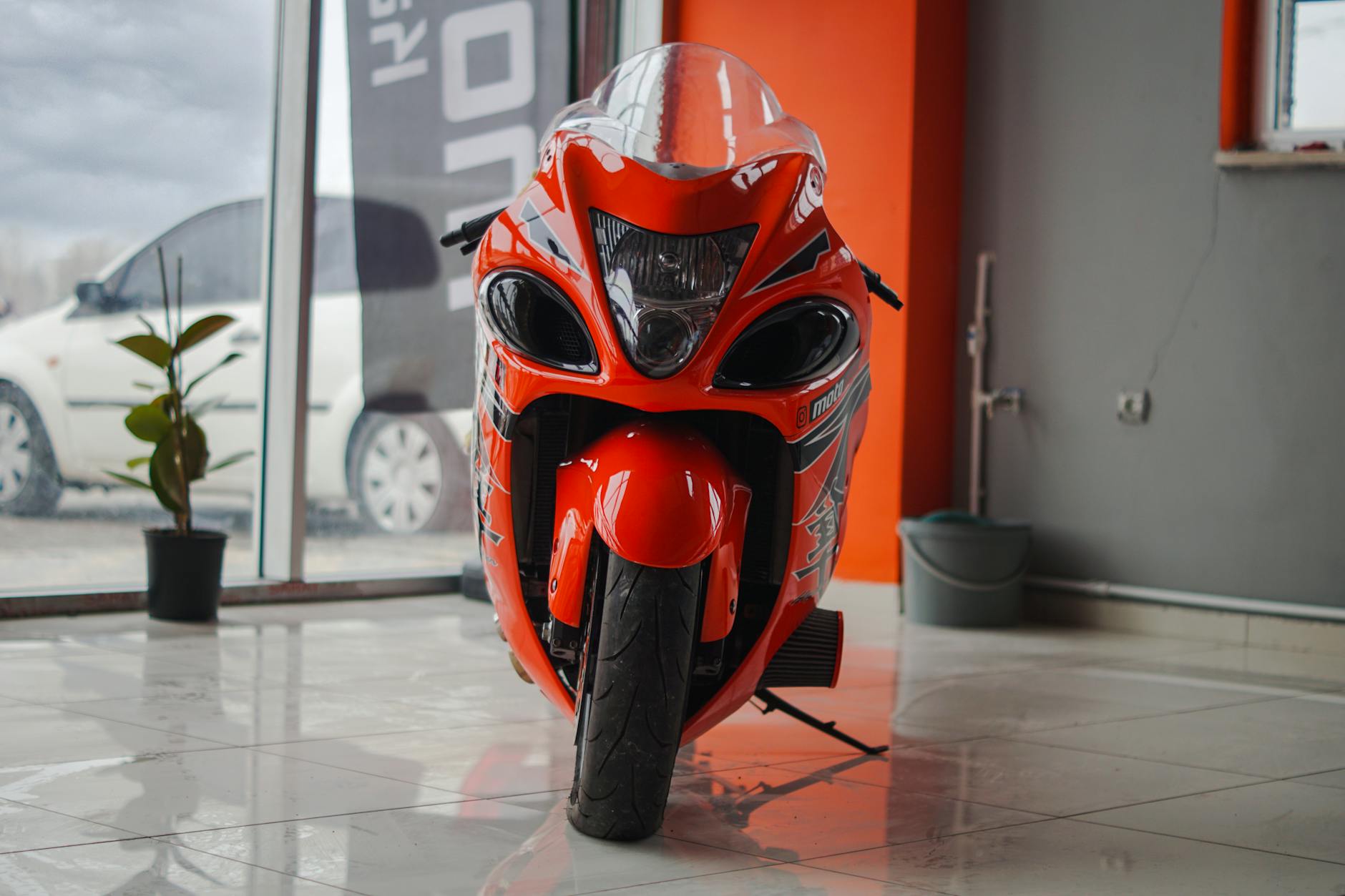
Suzuki Hayabusa 1340
Compare Suzuki Hayabusa Side-by-Side
compare_arrowsSpecs, power, weight & buyer verdict — head-to-head with the bikes most often cross-shopped.
Suzuki Hayabusa vs Kawasaki H2
Specs · Power · Buyer verdict
Suzuki Hayabusa vs Kawasaki Zx-14r
Specs · Power · Buyer verdict
Suzuki Hayabusa vs Kawasaki Ninja Zx-14r
Specs · Power · Buyer verdict
Suzuki Hayabusa vs Suzuki Hayabusa 1300
Specs · Power · Buyer verdict
Suzuki Hayabusa vs Suzuki Hayabusa 1340
Specs · Power · Buyer verdict
More Suzuki Hayabusa Guides
More from Suzuki
View all Suzuki models →Community Reviews
Discussion
Frequently Asked Questions
What are common problems with the Suzuki Hayabusa? +
Regulator/rectifier failure, kills battery and charging: Check voltage at idle and revs, look for burn marks (serious) | Fuel injector clogging on neglected bikes: Cold start hesitation, rough idle, poor throttle response (moderate) | Steering head bearing wear from aggressive riding: Rock forks side to side, feel for notchiness or play (moderate)
Is the Suzuki Hayabusa a good motorcycle? +
Buy the right one and you'll never want anything else. Rating: 8.5/10. Best for: Experienced riders wanting effortless long-distance speed. Avoid if: New riders underestimating 190hp real-world consequences.
What is the horsepower of the Suzuki Hayabusa? +
The Suzuki Hayabusa produces 190 hp @ 9,700 rpm (2021+ Gen3; earlier Gen1/2 rated ~173 hp), with 150 Nm @ 7,000 rpm (2021+ Gen3) of torque. Top speed: 299 km/h (electronically limited; unrestricted early models capable of ~312 km/h).
Is the Suzuki Hayabusa good for beginners? +
Not really — the Suzuki Hayabusa is better for experienced riders (190 hp can be intimidating). Experienced riders wanting effortless long-distance speed Avoid if: New riders underestimating 190hp real-world consequences
Is the Suzuki Hayabusa reliable? +
Owners report 2 critical issues to watch for on the Suzuki Hayabusa, notably: Regulator/rectifier failure, kills battery and charging (Check voltage at idle and revs, look for burn marks). Buy with a pre-purchase inspection.
Is the Suzuki Hayabusa good for daily use? +
Experienced riders wanting effortless long-distance speed Fuel: 6.5–8.5 L/100km (approx. 12–15 km/L, real-world average depending on riding style).
How fast is the Suzuki Hayabusa? +
The Suzuki Hayabusa reaches a top speed of 299 km/h (electronically limited; unrestricted early models capable of ~312 km/h), producing 190 hp at 266 kg curb weight. Real-world performance depends on rider weight, gearing, and road conditions.
What gear should I buy for a Suzuki Hayabusa? +
Motoryk has curated a Top 10 gear list specifically for the Suzuki Hayabusa, covering engine oil, tires, chain, battery, and brake pads — see motoryk.com/bikes/suzuki/hayabusa/top10. Each pick is matched to this bike's spec.