Suzuki Hayabusa
The Suzuki Hayabusa has a top speed of 299 km/h (electronically limited; unrestricted early models capable of ~312 km/h), produces 190 hp and weighs 266 kg. Motoryk rates it 8.5/10.
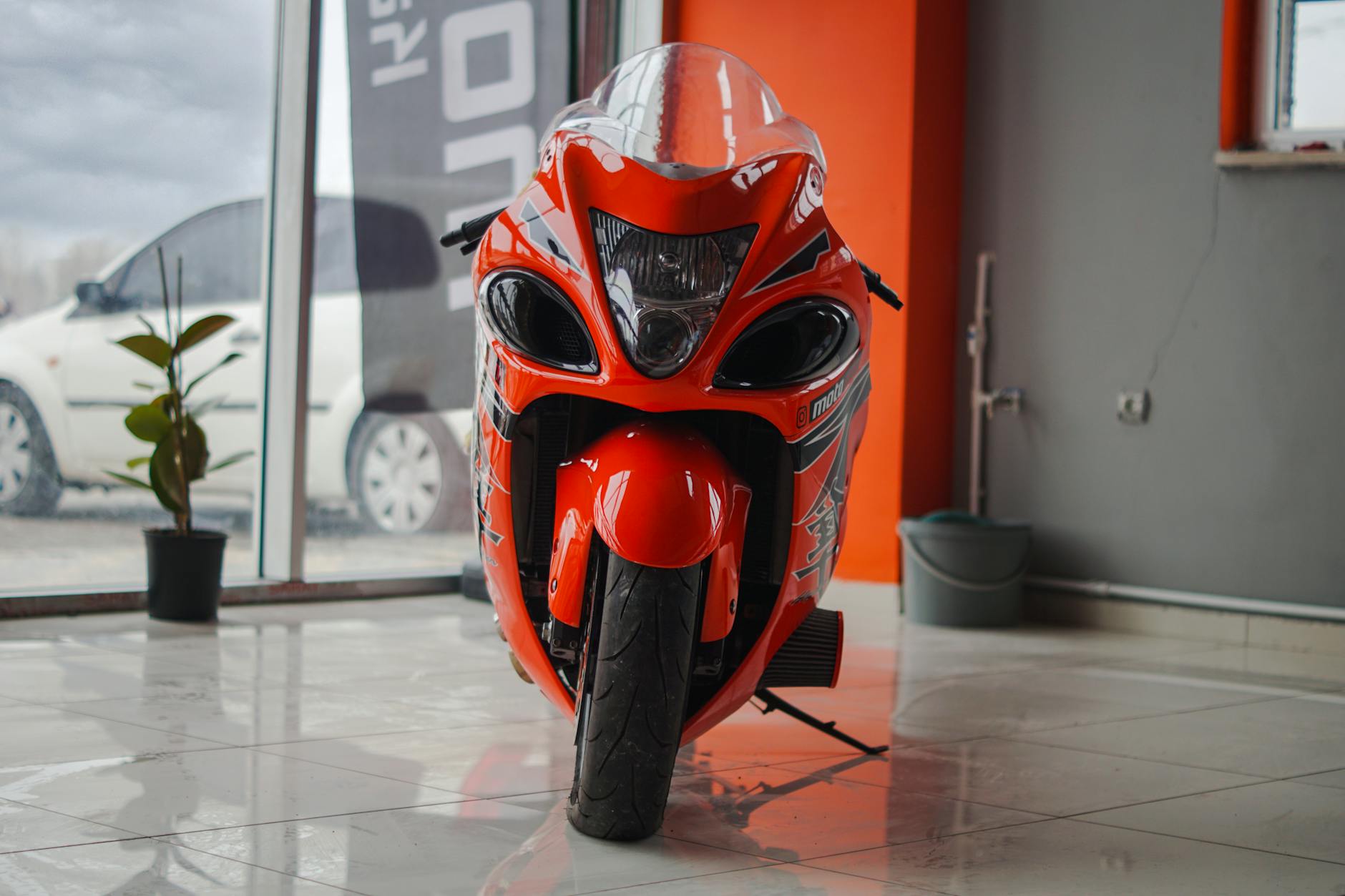
The Suzuki Hayabusa (GSX1300R) was introduced in 1999 and immediately became the world's fastest production motorcycle, reaching a top speed of approximately 312 km/h and displacing the Honda CBR1100XX Super Blackbird from that title. Named after the Peregrine Falcon (the fastest bird, which preys on blackbirds), it sparked a gentleman's agreement among major manufacturers in 2000 to voluntarily limit top speeds to 299 km/h. A second generation arrived in 2008 with updated styling and improved performance, followed by a third generation in 2021 featuring modern electronics, ride modes, and Euro 5 compliance while retaining its iconic silhouette.
190 hp
Power
150 Nm
Torque
266 kg
Weight
299 km/h (electronically limited; unrestricted early models capable of ~312 km/h)
Top Speed
6.5–8.5 L/100km (approx. 12–15 km/L, real-world average depending on riding style)
Fuel
Faired
Body
🔧 Service Schedule & Parts
Affiliate · we may earn| Service item | Every | Typical cost | Parts |
|---|---|---|---|
| 🛢️ Engine oil + oil filter | 6,000 km / 3,500 mi or 12 mo | $40-80 | 🛢️ Buy → ⚙️ Buy → |
| 🌬️ Air filter | 12,000 km / 7,500 mi | — | 🌬️ Buy → |
| ⚡ Spark plugs | 12,000 km / 7,500 mi | — | ⚡ Buy → |
| 🔧 Valve clearance check | 26,000 km / 16,000 mi | $300-500 | |
| 🔗 Chain & sprockets | 20000-30000 km (replace) | $150-300 | 🔗 Buy → |
| 🛑 Brake pads | 15000-25000 km | $40-80 | 🛑 Buy → |
| 💧 Brake fluid | 24,000 km / 15,000 mi or 2 yr | — | |
| 🧊 Coolant | 24,000 km / 15,000 mi | — | |
| 🛞 Tires | 8000-15000 km | $300-500 | 🛞 Buy → |
| 🔩 Major service | 24,000 km / 15,000 mi | $400-700 |
Video Review
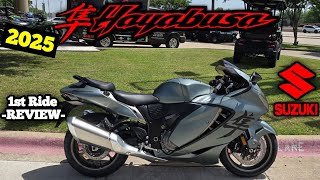
What Buyers Should Know
Bulletproof Engine Reliability
The Hayabusa's 1340cc engine is legendary for lasting well over 100,000 miles with basic maintenance. Many owners report minimal issues even on high-mileage examples, making it one of the most reliable sportbikes ever built.
Strong Resale Value
Hayabusas hold their value exceptionally well compared to most sportbikes, with used examples often selling close to original MSRP. The 2021 third-generation relaunch renewed demand, keeping older models desirable too.
Watch for Modifications
Many Hayabusas have been modified for drag racing or tuned beyond stock power limits, which can stress the engine and drivetrain. Always check service history and inspect for aftermarket ECU tunes, exhaust swaps, or turbo kits before buying used.
Generations & Specs by Year
Original 1299cc inline-four, 173mph top speed, dual headlights, iconic aerodynamic bodywork introduced.
"The bike that rewrote the rulebook, permanently."
I put 18,000 miles on a 2002 Busa and it genuinely changed how I understood what a motorcycle could be — nothing felt the same afterward. That 1299cc motor doesn't hit you like a hammer; it just keeps pulling with a relentless, almost eerie smoothness that had me looking down at 170mph wondering why the speedo seemed unremarkable. The riding position is surprisingly tolerable for a 300km/h machine, though the wide fairing catches crosswinds like a sail on motorways and the gearbox has a notchy, agricultural quality that reminds you this thing was engineered to go fast, not feel premium. Early carbureted models (pre-2002 fuel injection on some markets) can be temperamental in cold weather, and the front brake feel is wooden by modern standards — but none of that matters when you pin it on a German autobahn and watch the world telescope into a vanishing point.
Pros
Cons
Revised 1340cc engine, updated fuel injection, restyled bodywork, improved brakes and suspension.
"The benchmark hyperbike that still embarrasses newer machinery."
I put 14,000 miles on a 2009 Busa and the 1340cc engine is the real story — that mid-range torque between 4,000 and 7,000 rpm is so thick and relentless it makes 600s feel like toys, yet it never feels frantic. The revised fuel injection cleaned up the old Gen 1's notorious low-speed hunting and stumble, though cold starts still need a minute to settle. At 266kg it's undeniably a big bike, and you'll feel every kilo threading through tight mountain switchbacks, but once the road opens up it shrinks around you in a way that defies the weight figures. The brakes are a genuine improvement over the previous generation but still lack the initial bite you'd expect from a bike this fast — trail braking into corners requires patience.
Pros
Cons
Euro5 compliant engine, ride-by-wire, cornering ABS, traction control, launch control added.
Used Buyer Review
"Buy the right one and you'll never want anything else."
$5,500-$14,000 usedThe Hayabusa is one of those bikes that genuinely earns its legend status, but buying one used requires eyes wide open. The Gen 1 (1999-2007) and Gen 2 (2008-2012) bikes are getting old now, and many have been thrashed, modified, or worse — crashed and poorly repaired. Check the frame rails obsessively, look for rippled bodywork gaps, and if the speedo reads under 20k miles on a bike from that era, be suspicious. These things get ridden hard. Mechanically they're remarkably tough — the inline-four will often see 60,000+ miles with basic maintenance. But neglected cooling systems, tired suspension, and worn chain/sprocket combos are common on abused examples. Budget an extra $500-800 for a proper service if you're buying privately. The Gen 3 (2021+) is a different animal — smoother, more refined, genuinely docile with the electronics dialled back, but prices are still steep used. For the money, nothing matches the Hayabusa's combination of effortless high-speed cruising, surprising everyday manageability, and sheer mechanical longevity. Just do your homework.
Variants of the Suzuki Hayabusa
Same bike, different trim or year-range — pick the one matching the listing.
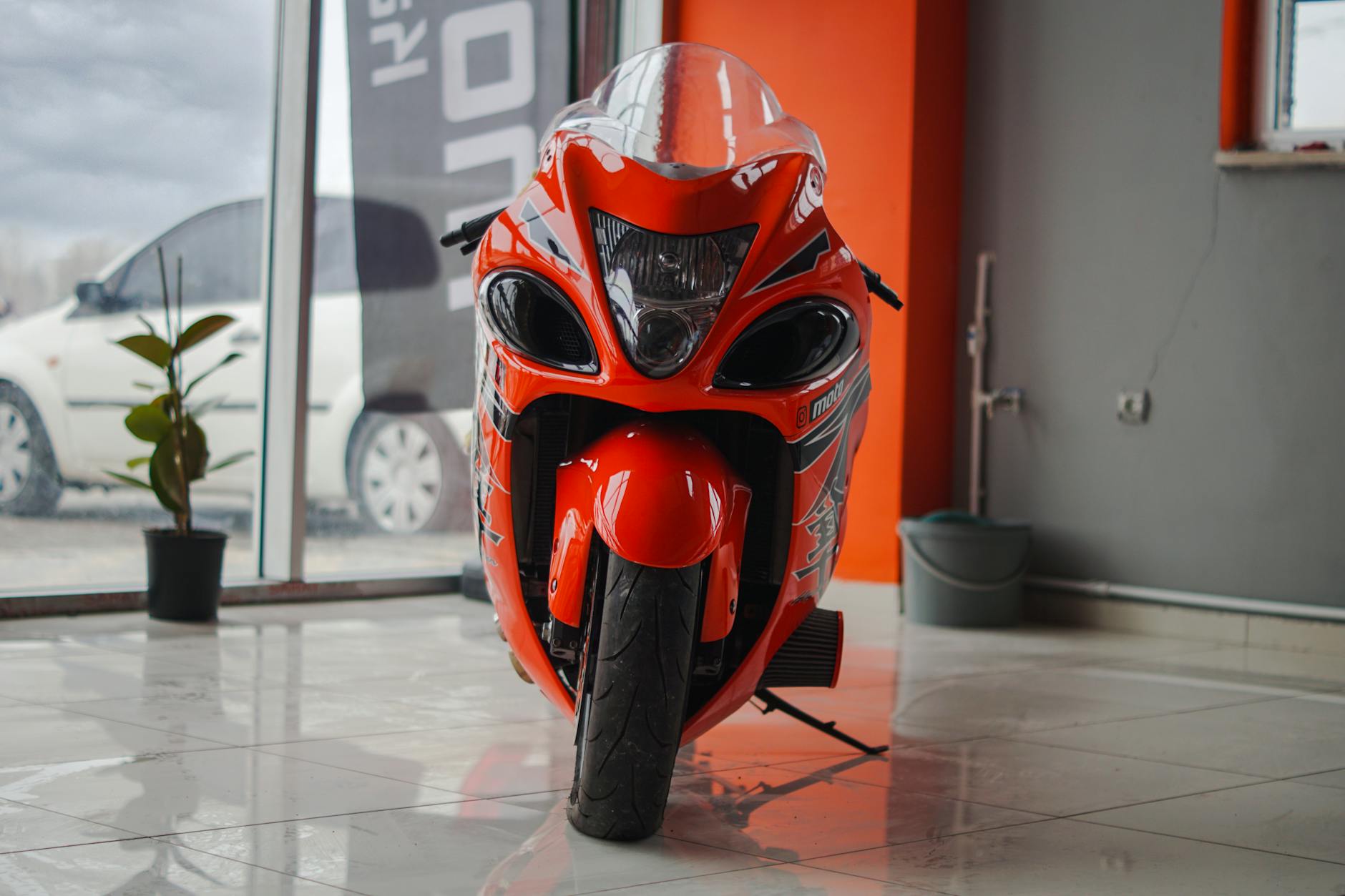
Top 10 Accessories
Curated picks for the Suzuki Hayabusa — owned, ridden, recommended.


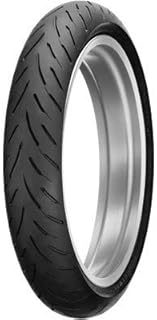


Common Problems
🔥 2 CRITICALCheck voltage at idle and revs, look for burn marks
Cold start hesitation, rough idle, poor throttle response
Rock forks side to side, feel for notchiness or play
Remove fairings, inspect frame, forks, subframe for bends
✅Pre-Purchase Checklist
Very reliable if maintained, avoid crashed examples
Full Specifications
Rivals & Alternatives
Bikes that buyers cross-shop with the Suzuki Hayabusa
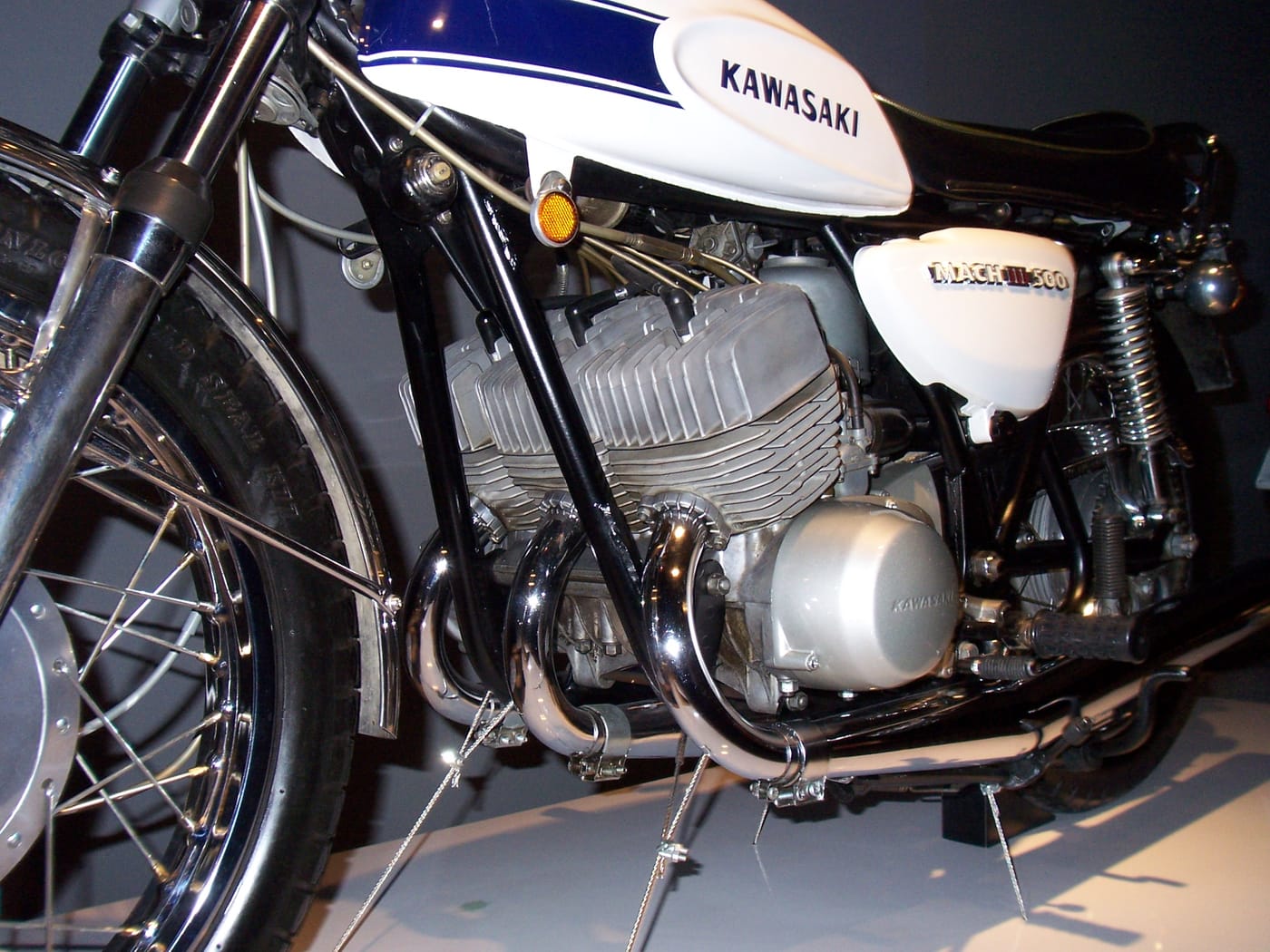
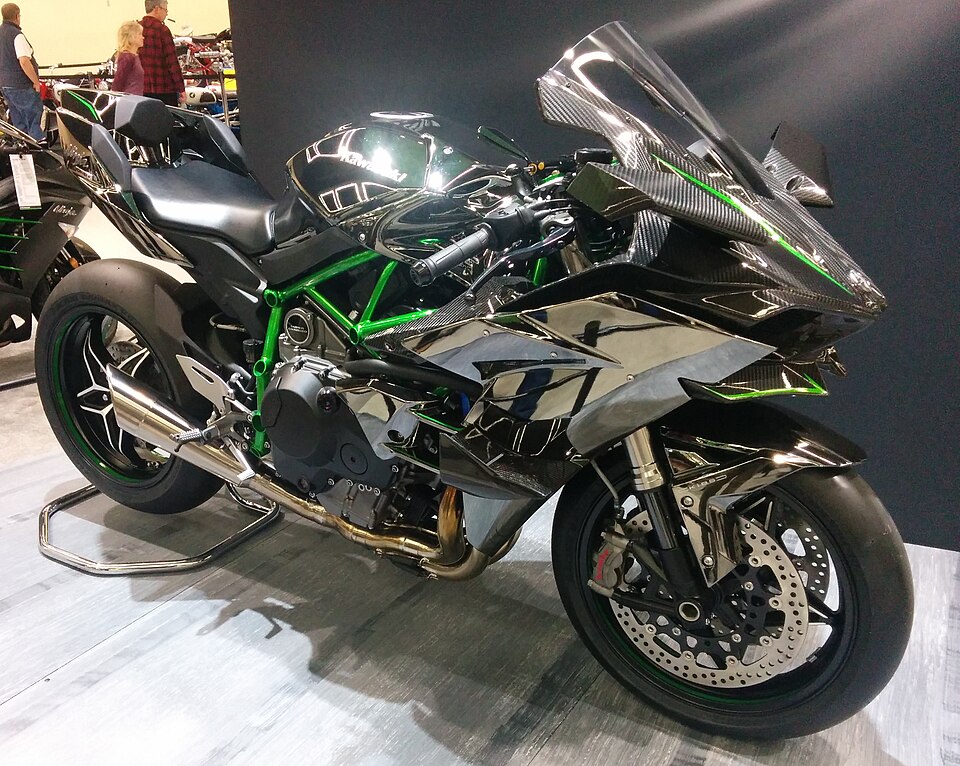
Kawasaki H2
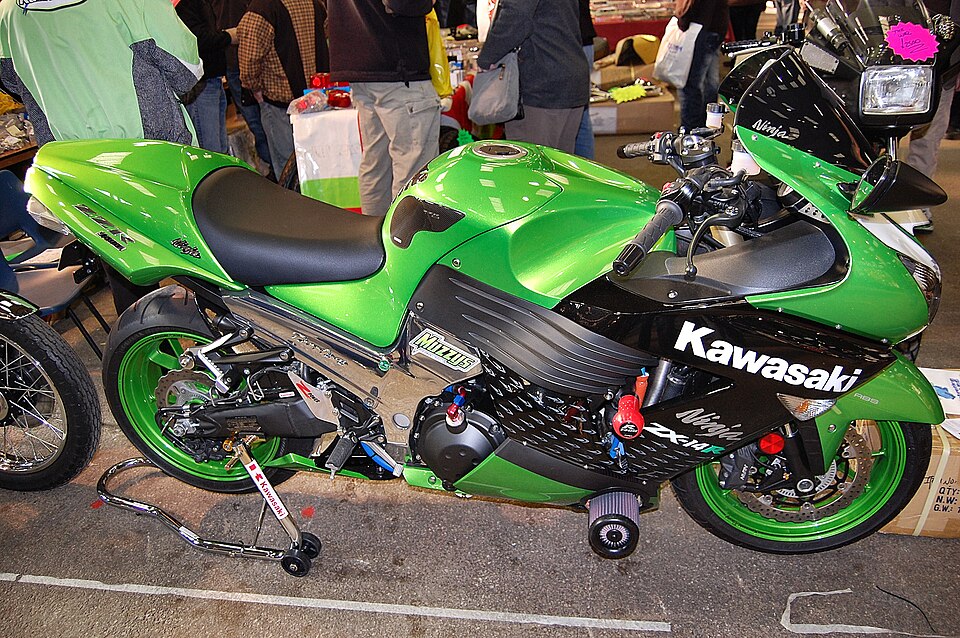
Kawasaki Zx-14r
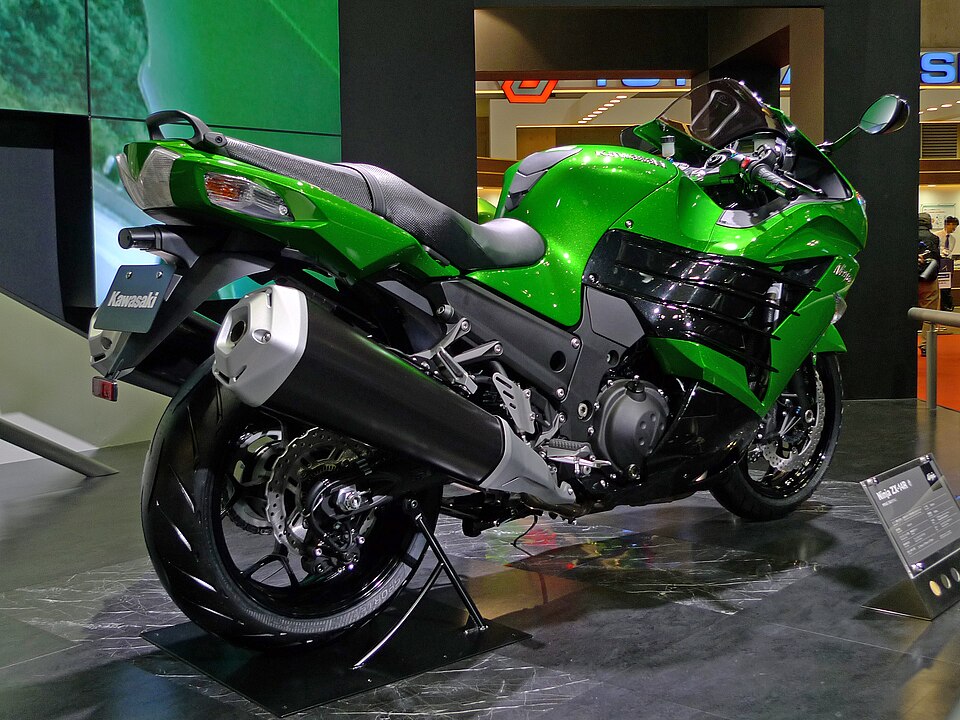
Kawasaki Ninja Zx-14r
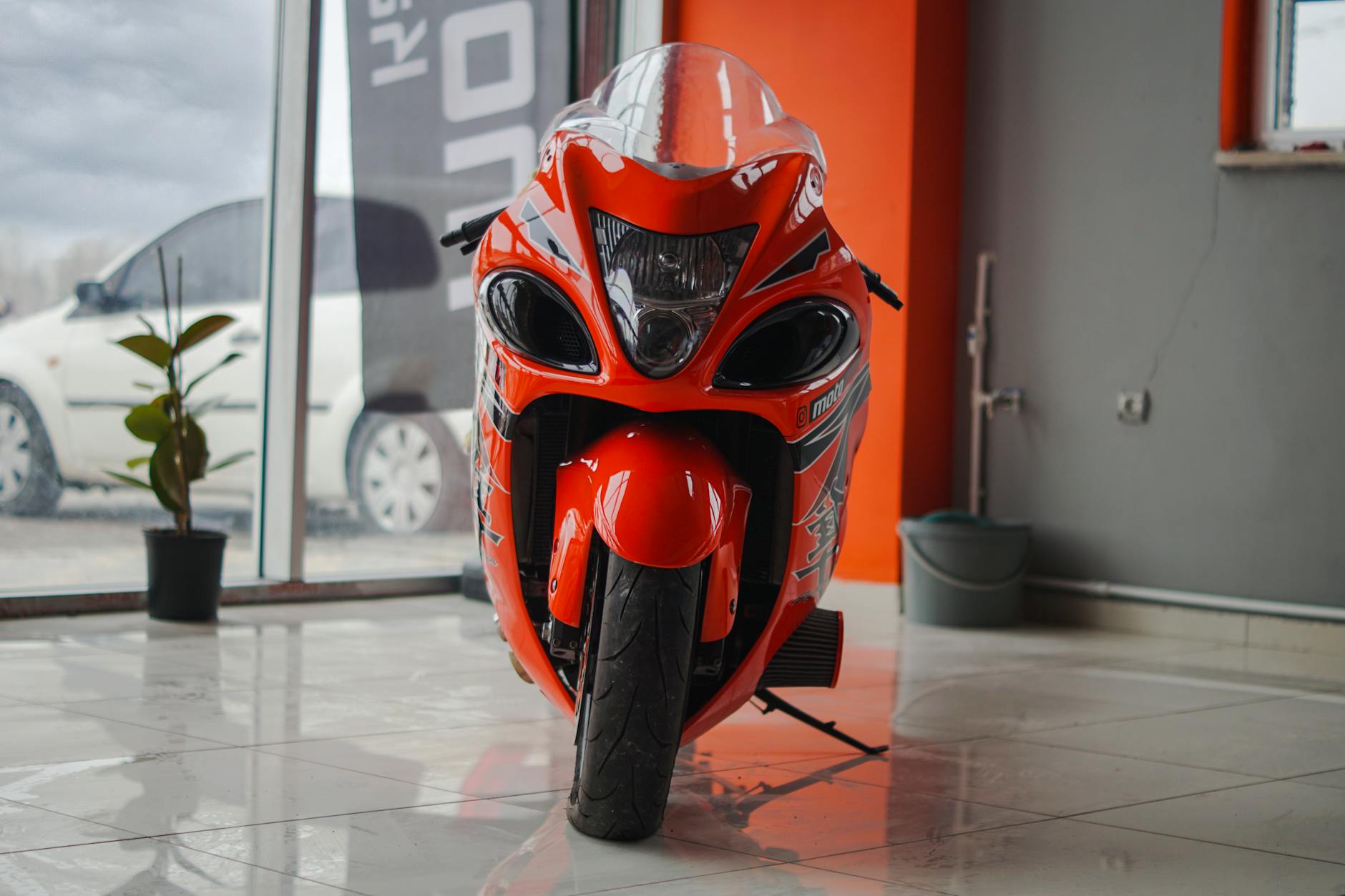
Suzuki Hayabusa 1300
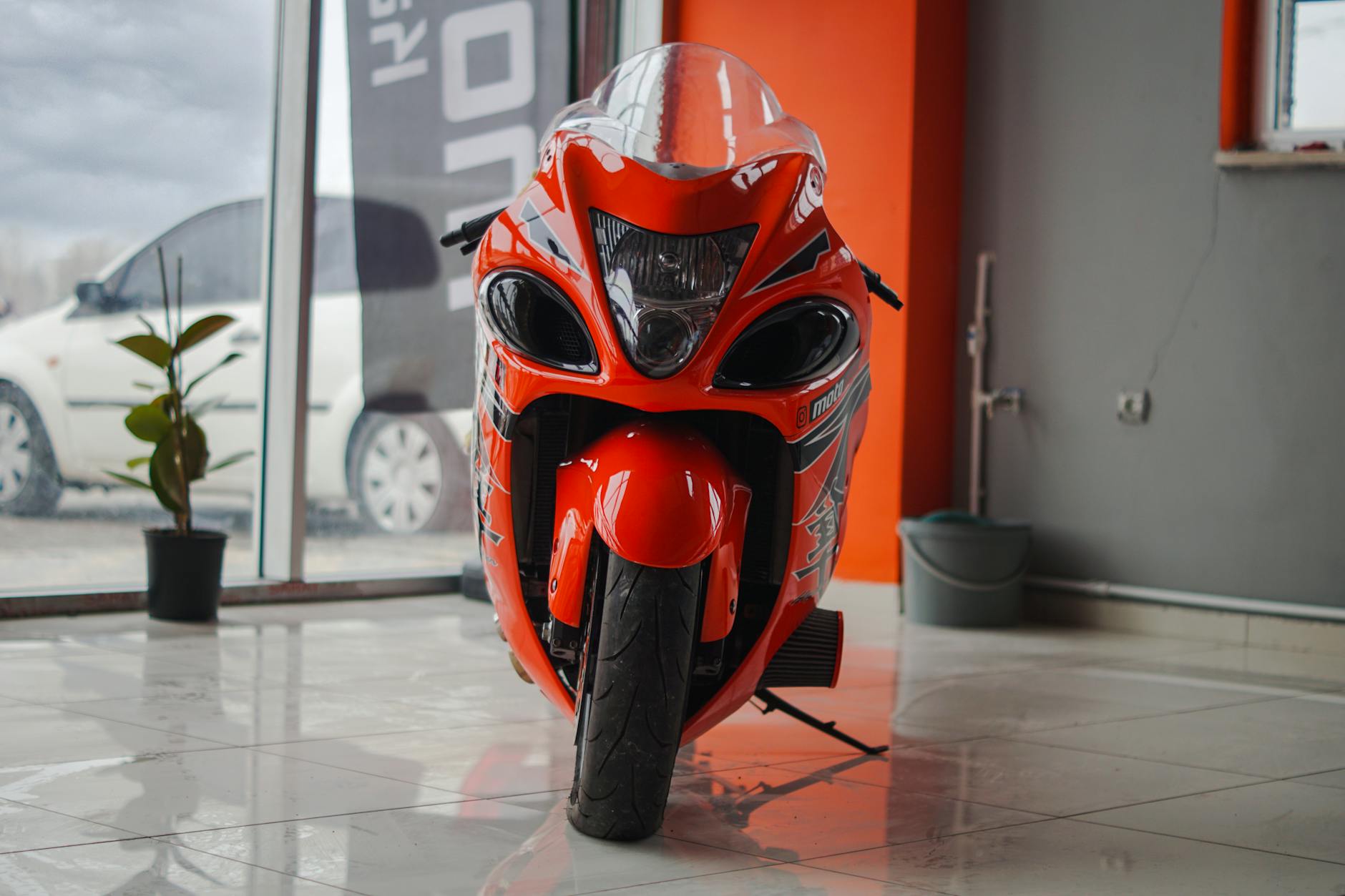
Suzuki Hayabusa 1340
Compare Suzuki Hayabusa Side-by-Side
compare_arrowsSpecs, power, weight & buyer verdict — head-to-head with the bikes most often cross-shopped.
Suzuki Hayabusa vs Kawasaki H2
Specs · Power · Buyer verdict
Suzuki Hayabusa vs Kawasaki Zx-14r
Specs · Power · Buyer verdict
Suzuki Hayabusa vs Kawasaki Ninja Zx-14r
Specs · Power · Buyer verdict
Suzuki Hayabusa vs Suzuki Hayabusa 1300
Specs · Power · Buyer verdict
Suzuki Hayabusa vs Suzuki Hayabusa 1340
Specs · Power · Buyer verdict
More Suzuki Hayabusa Guides
More from Suzuki
View all Suzuki models →Community Reviews
Discussion
Frequently Asked Questions
What are common problems with the Suzuki Hayabusa? +
Regulator/rectifier failure, kills battery and charging: Check voltage at idle and revs, look for burn marks (serious) | Fuel injector clogging on neglected bikes: Cold start hesitation, rough idle, poor throttle response (moderate) | Steering head bearing wear from aggressive riding: Rock forks side to side, feel for notchiness or play (moderate)
Is the Suzuki Hayabusa a good motorcycle? +
Buy the right one and you'll never want anything else. Rating: 8.5/10. Best for: Experienced riders wanting effortless long-distance speed. Avoid if: New riders underestimating 190hp real-world consequences.
What is the horsepower of the Suzuki Hayabusa? +
The Suzuki Hayabusa produces 190 hp @ 9,700 rpm (2021+ Gen3; earlier Gen1/2 rated ~173 hp), with 150 Nm @ 7,000 rpm (2021+ Gen3) of torque. Top speed: 299 km/h (electronically limited; unrestricted early models capable of ~312 km/h).
Is the Suzuki Hayabusa good for beginners? +
Not really — the Suzuki Hayabusa is better for experienced riders (190 hp can be intimidating). Experienced riders wanting effortless long-distance speed Avoid if: New riders underestimating 190hp real-world consequences
Is the Suzuki Hayabusa reliable? +
Owners report 2 critical issues to watch for on the Suzuki Hayabusa, notably: Regulator/rectifier failure, kills battery and charging (Check voltage at idle and revs, look for burn marks). Buy with a pre-purchase inspection.
Is the Suzuki Hayabusa good for daily use? +
Experienced riders wanting effortless long-distance speed Fuel: 6.5–8.5 L/100km (approx. 12–15 km/L, real-world average depending on riding style).
How fast is the Suzuki Hayabusa? +
The Suzuki Hayabusa reaches a top speed of 299 km/h (electronically limited; unrestricted early models capable of ~312 km/h), producing 190 hp at 266 kg curb weight. Real-world performance depends on rider weight, gearing, and road conditions.
What gear should I buy for a Suzuki Hayabusa? +
Motoryk has curated a Top 10 gear list specifically for the Suzuki Hayabusa, covering engine oil, tires, chain, battery, and brake pads — see motoryk.com/bikes/suzuki/hayabusa/top10. Each pick is matched to this bike's spec.