Suzuki Gs500
The Suzuki Gs500 has a top speed of 175 km/h, produces 45 hp and weighs 185 kg. Motoryk rates it 7.5/10.
Der Suzuki GS500 wurde 1989 als Nachfolger des GS450 vorgestellt und als erschwingliches und zuverlässiges Einstiegsmotorrad für neue Fahrer konzipiert. Es wurde bis 2008 weitgehend unverändert produziert, ein Beweis für sein robustes und praktisches Design. 2004 kam eine halbverkleidete Version (GS500F) hinzu. Es wurde zu einem der beliebtesten Schüler- und Pendlerräder der Welt und wurde für seinen kugelsicheren Parallelmotor, die niedrigen Wartungskosten und das schonende Handling gelobt.
45 hp
Leistung
44 Nm
Drehmoment
185 kg
Gewicht
175 km/h
Höchstgeschwindigkeit
3.8 L/100km or approximately 26 km/L
Treibstoff
Nackt
Körper
🔧 Service Schedule & Parts
Affiliate · we may earn| Service item | Every | Typical cost | Parts |
|---|---|---|---|
| 🛢️ Engine oil + oil filter | 6,000 km / 3,500 mi or 12 mo | $40-80 | 🛢️ Buy → ⚙️ Buy → |
| 🌬️ Air filter | 12,000 km / 7,500 mi | — | 🌬️ Buy → |
| ⚡ Spark plugs | 12,000 km / 7,500 mi | — | ⚡ Buy → |
| 🔧 Valve clearance check | 24,000 km / 15,000 mi | $150-300 | |
| 🔗 Chain & sprockets | 25000-40000 km (replace) | $100-250 | 🔗 Buy → |
| 🛑 Brake pads | 15000-25000 km | $30-60 | 🛑 Buy → |
| 💧 Brake fluid | 24,000 km / 15,000 mi or 2 yr | — | |
| 🛞 Tires | 15000-25000 km | $180-350 | 🛞 Buy → |
| 🔩 Major service | 24,000 km / 15,000 mi | $250-500 |
Video Review
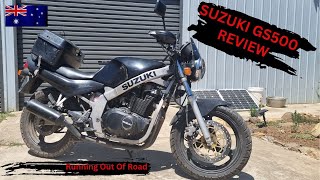
Was Käufer wissen sollten
Bulletproof Engine Reliability
The GS500's air-cooled parallel-twin engine is renowned for easily reaching 80,000–100,000 miles with basic maintenance. It's one of the most forgiving beginner bikes mechanically, making it a top choice for new riders.
Watch the Carburetors
Older GS500 carbureted models (pre-2004) are prone to gummed-up carbs from ethanol-blend fuel, especially on bikes that sat unused. Always ask for a recent carb clean or test ride before buying.
Strong Resale Value
The GS500 holds its value well due to constant demand from new riders and motorcycle schools. A well-maintained example rarely depreciates much, meaning you can often sell it for close to what you paid.
Generationen und Spezifikationen nach Jahr
Der ursprüngliche GS500 wurde mit luftgekühltem Parallel-Twin, Twin-Shock-Hinterradfederung, Stahlrahmen und optionaler Vollverkleidung vorgestellt. 1996 hinzugefügt.
"Das ehrliche Einsteigerbike, dem niemand peinlich schnell entwachsen kann."
Ich habe 22.000 km mit einem GS500 von 1994 zurückgelegt und der Motor hat kein einziges Mal nach etwas anderem gefragt als Ölwechsel und einer Ventilkontrolle bei 15 km — dieser luftgekühlte Twin ist wirklich kugelsicher, so wie es moderne Motorräder einfach nicht sind. Die Leistungsabgabe erfolgt erwartungsgemäß bis zur Obergrenze von 9.000 U/min, was bescheiden klingt, bis Sie den Verkehr mit 80 km/h teilen und feststellen, dass Sie genau die richtige Menge an Grunzen haben und keinen furchtbaren Überschuss haben. Das Twin-Shock-Heck ist veraltet und wird auf kaputtem Bürgersteig abgehackt, und der serienmäßige Sitz wird nach etwa 90 Minuten zu Beton — beides lässt sich billig reparieren, ab Werk nicht verzeihen. Was ich am meisten respektierte, war, dass es dich nie angelogen hat: Das Feedback durch die Lenker und Pflöcke war ehrlich genug, dass ein neuer Fahrer tatsächlich etwas lernen konnte, anstatt gerettet oder verraten zu werden.
Profis
Nachteile
Überarbeitetes Design, aktualisierte Karosserie, 2004 eingeführte halbverkleidete GS500F-Variante, Benzinhahn und kleinere Verbesserungen aktualisiert.
"Das ehrlichste Anfängerrad, das man für Geld kaufen kann."
Ich habe 22.000 km mit einer GS500F von 2004 zurückgelegt und ich bin kein einziges Mal gestrandet — das ist eine Menge. Der parallele Zwilling zieht sanft ab etwa 4.000 Umdrehungen pro Minute an und fühlt sich in der Nähe der 9-km-Rotlinie richtig drehzahlfreudig an, obwohl 46 Pferde bedeuten, dass Überholmanöver auf Autobahnen eher Planung als Spontanität erfordern. Die Halbverkleidung des F-Modells bietet sinnvollen Windschutz, ohne dass sich das Bike aufgebläht anfühlt, und die 790 mm hohe Sitzhöhe ist auch für kleinere Fahrer zugänglich, ohne dass sich das Chassis für durchschnittliche Statur eng anfühlt. Sein Alter zeigt sich an den Vorderradgabeln — sie sind vage und bei Unebenheiten in der Mitte der Kurve untergedämpft — und dieser luftgekühlte Motor läuft im Sommerverkehr merklich heiß auf Ihrem rechten Bein.
Profis
Nachteile
Bewertung von gebrauchten Käufern
"The smartest, most sensible used motorcycle under two grand."
$1,500-$3,500 usedThe GS500 is about as honest a used buy as motorcycling gets. It's not exciting, it won't embarrass sportbikes, and nobody's going to turn their head in a parking lot. What it will do is start every single morning, teach you real throttle and clutch control without punishing your mistakes, and cost you almost nothing to maintain. The parallel twin is bulletproof if the previous owner didn't completely ignore the valve clearances — check that first, non-negotiable. Watch out for neglected chains, worn rear tires from new riders dragging brakes, and cosmetic damage from inevitable tip-overs. These bikes get dropped. That's actually fine — it means used prices stay low and parts are cheap. The suspension is soft and the brakes are merely adequate, but within its limits the GS500 handles cleanly and predictably. It genuinely rewards smooth riding. Buy the cleanest example you can afford, not the cheapest. A well-kept GS500 with documented service history is worth every penny over a mystery bike with 40,000 miles and a cracked fairing.
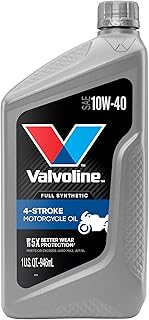
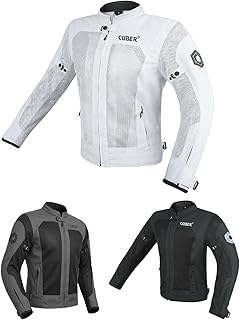
Top 10 Accessories
Curated picks for the Suzuki Gs500 — owned, ridden, recommended.




Häufig auftretende Probleme
🔥 1 CRITICALCold start behavior, idle quality, throttle response smoothness
Listen for rattling first 10 seconds after cold start
Inspect lower fork legs for oil residue or wet dust
Check charging voltage at 3000rpm, should read 13.5-14.5v
✅Checkliste vor dem Kauf
Very reliable, parts cheap, easy to maintain
Full Specifications
Rivals & Alternatives
Bikes that buyers cross-shop with the Suzuki Gs500
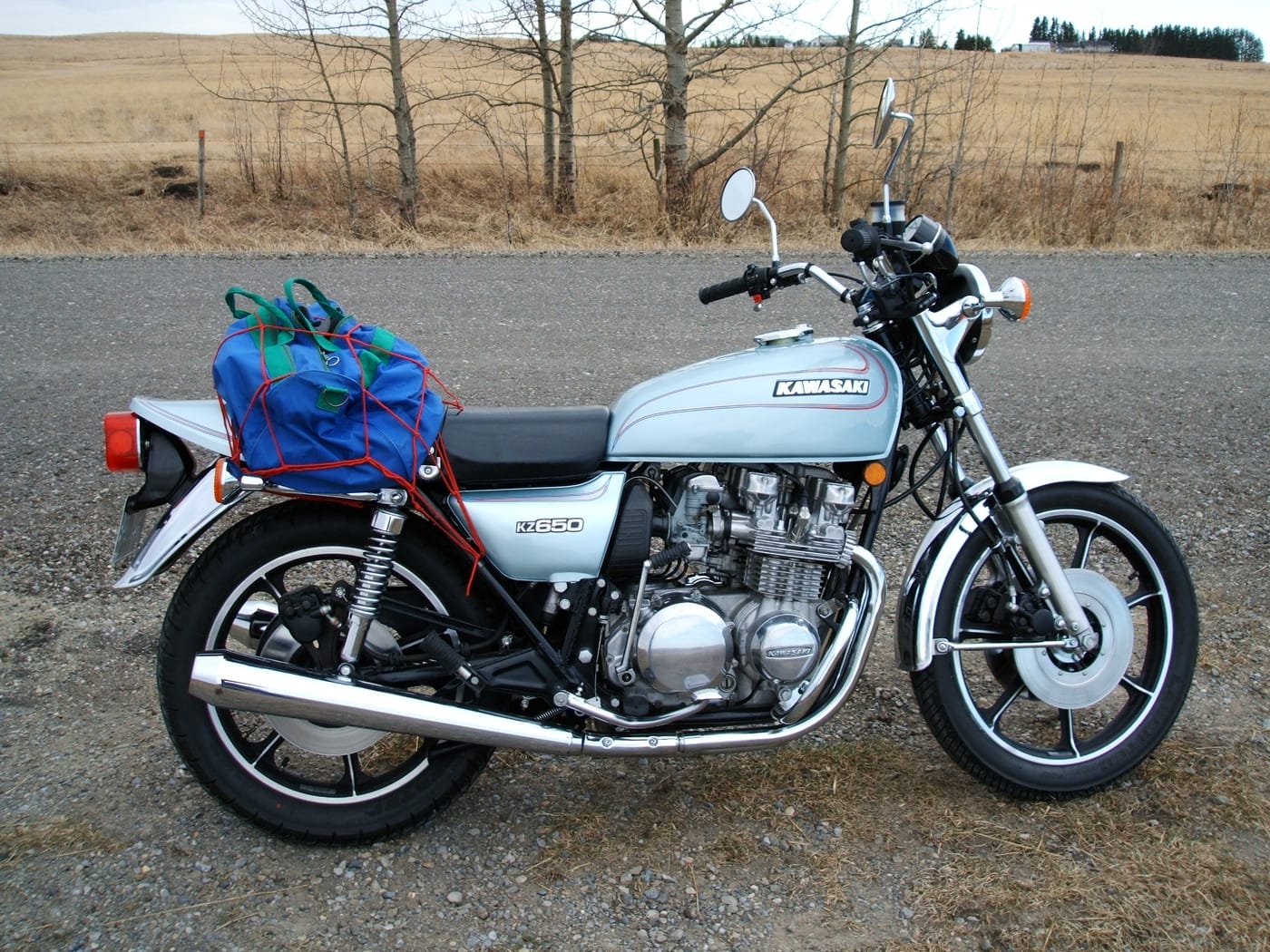
Kawasaki Z650
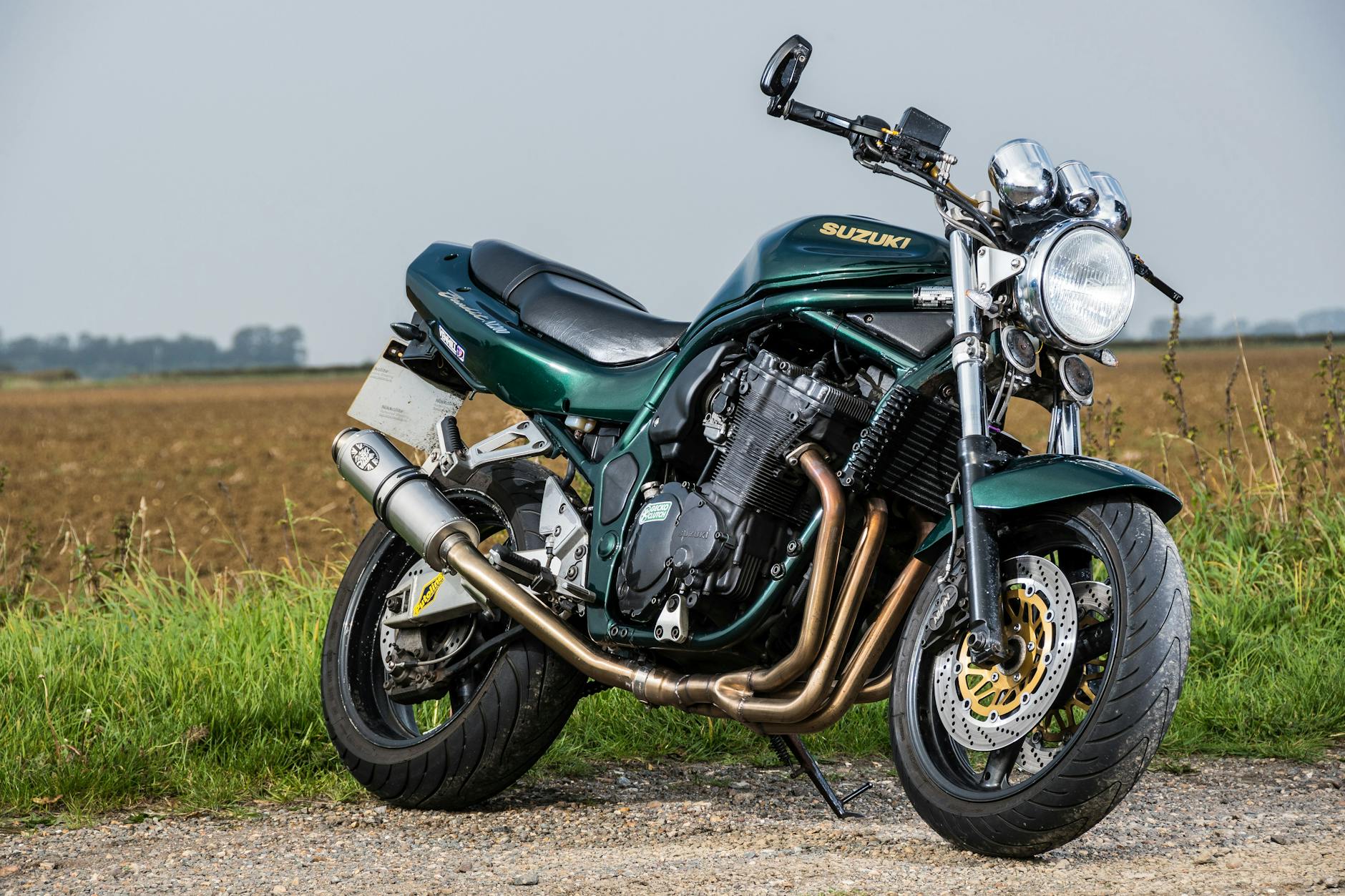
Suzuki Bandit 600
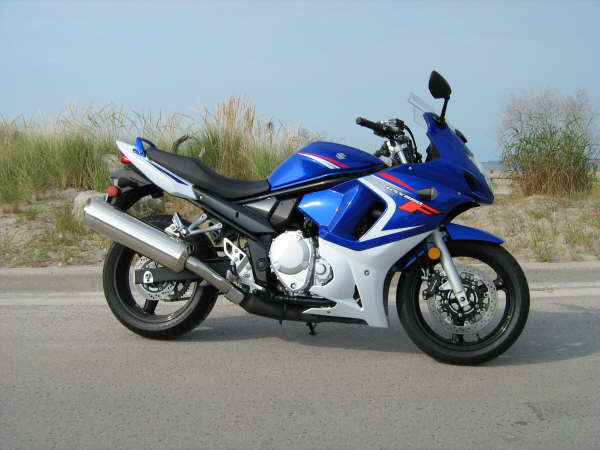
Suzuki Bandit 650
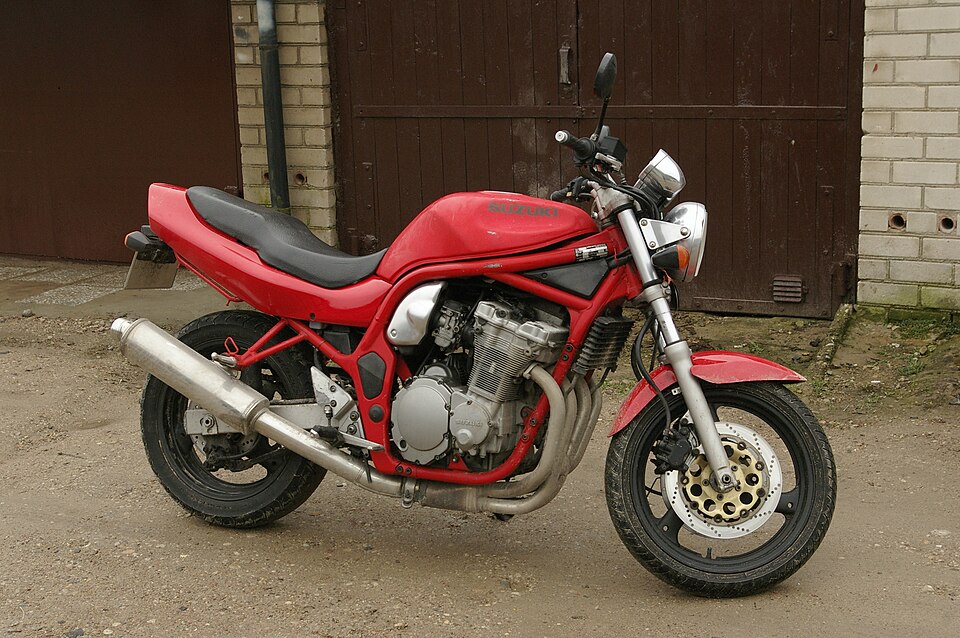
Suzuki Gsf600 Bandit
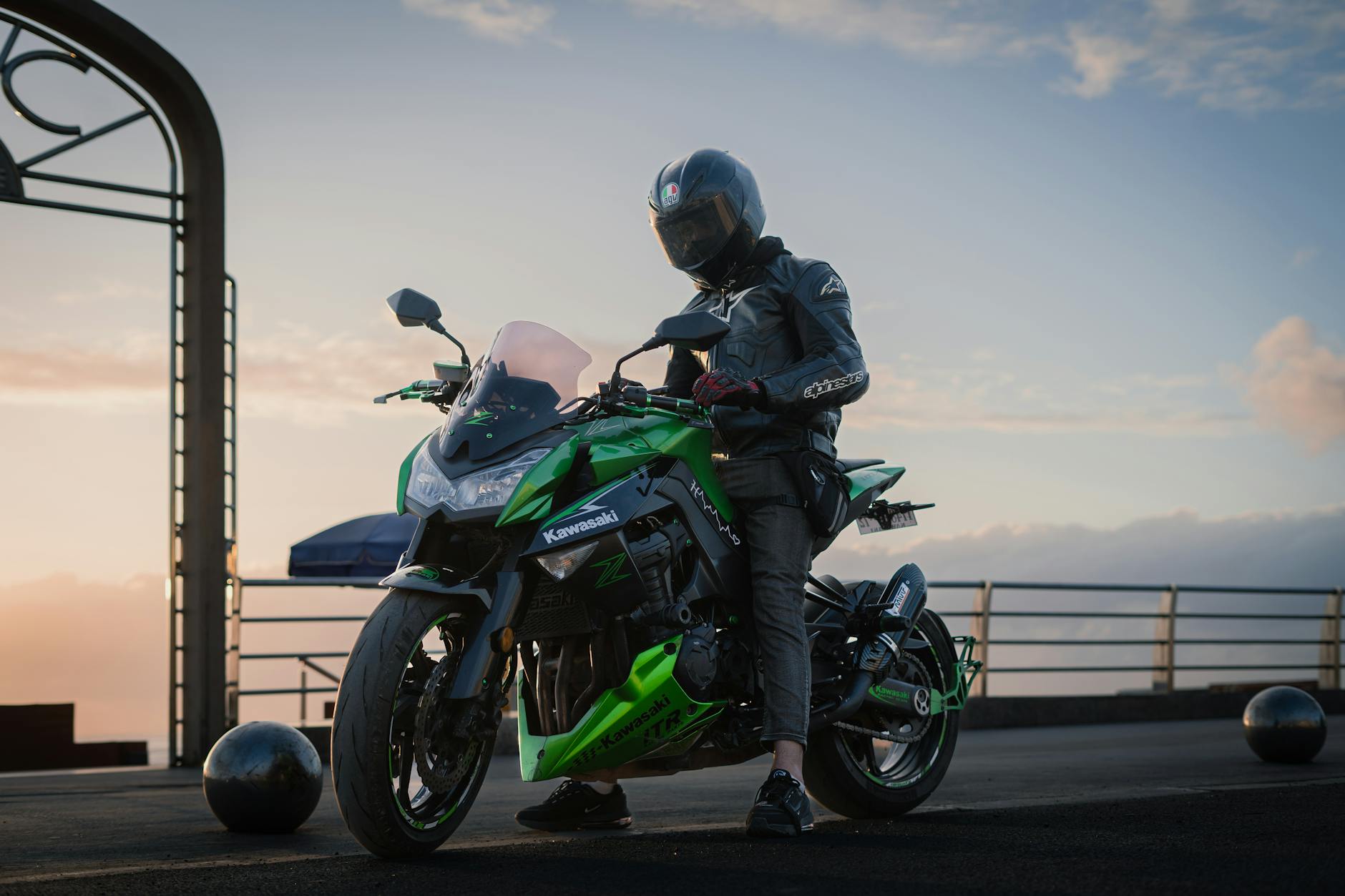
Kawasaki Er-6n
Compare Suzuki Gs500 Side-by-Side
compare_arrowsSpecs, power, weight & buyer verdict — head-to-head with the bikes most often cross-shopped.
Suzuki Gs500 vs Kawasaki Z650
Specs · Power · Buyer verdict
Suzuki Gs500 vs Suzuki Bandit 600
Specs · Power · Buyer verdict
Suzuki Gs500 vs Suzuki Bandit 650
Specs · Power · Buyer verdict
Suzuki Gs500 vs Suzuki Gsf600 Bandit
Specs · Power · Buyer verdict
Suzuki Gs500 vs Kawasaki Er-6n
Specs · Power · Buyer verdict
More Suzuki Gs500 Guides
More from Suzuki
View all Suzuki models →Community Reviews
Discussion
Frequently Asked Questions
What are common problems with the Suzuki Gs500? +
Carb jets clogged from old fuel: Cold start behavior, idle quality, throttle response smoothness (moderate) | Cam chain tensioner rattle at startup: Listen for rattling first 10 seconds after cold start (moderate) | Leaking fork seals, oil on lower legs: Inspect lower fork legs for oil residue or wet dust (moderate)
Is the Suzuki Gs500 a good motorcycle? +
The smartest, most sensible used motorcycle under two grand. Rating: 7.5/10. Best for: New riders wanting reliability over excitement. Avoid if: You need anything above highway speeds.
What is the horsepower of the Suzuki Gs500? +
The Suzuki Gs500 produces 45 hp @ 9,000 rpm, with 44 Nm @ 7,500 rpm of torque. Top speed: 175 km/h.
Is the Suzuki Gs500 good for beginners? +
Yes — the Suzuki Gs500 is a reasonable choice for new riders (45 hp is manageable), weighing 185 kg. New riders wanting reliability over excitement
Is the Suzuki Gs500 reliable? +
Owners report 1 critical issue to watch for on the Suzuki Gs500, notably: Rectifier failure, battery not charging (Check charging voltage at 3000rpm, should read 13.5-14.5v). Buy with a pre-purchase inspection.
Is the Suzuki Gs500 good for daily use? +
New riders wanting reliability over excitement Fuel: 3.8 L/100km or approximately 26 km/L.
How fast is the Suzuki Gs500? +
The Suzuki Gs500 reaches a top speed of 175 km/h, producing 45 hp at 185 kg curb weight. Real-world performance depends on rider weight, gearing, and road conditions.
What gear should I buy for a Suzuki Gs500? +
Motoryk has curated a Top 10 gear list specifically for the Suzuki Gs500, covering engine oil, tires, chain, battery, and brake pads — see motoryk.com/bikes/suzuki/gs500/top10. Each pick is matched to this bike's spec.