Suzuki Gs500
The Suzuki Gs500 has a top speed of 175 km/h, produces 45 hp and weighs 185 kg. Motoryk rates it 7.5/10.
The Suzuki GS500 was introduced in 1989 as a successor to the GS450, designed as an affordable and reliable entry-level motorcycle for new riders. It remained in production largely unchanged until 2008, a testament to its robust and practical design, with a half-faired version (GS500F) added in 2004. It became one of the most popular learner and commuter bikes worldwide, praised for its bulletproof parallel-twin engine, low maintenance costs, and forgiving handling.
45 hp
Power
44 Nm
Torque
185 kg
Weight
175 km/h
Top Speed
3.8 L/100km or approximately 26 km/L
Fuel
Naked
Body
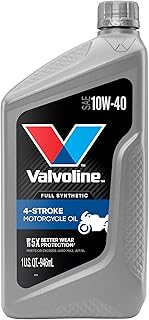
🔧 Service Schedule & Parts
Affiliate · we may earn| Service item | Every | Typical cost | Parts |
|---|---|---|---|
| 🛢️ Engine oil + oil filter | 6,000 km / 3,500 mi or 12 mo | $40-80 | 🛢️ Buy → ⚙️ Buy → |
| 🌬️ Air filter | 12,000 km / 7,500 mi | — | 🌬️ Buy → |
| ⚡ Spark plugs | 12,000 km / 7,500 mi | — | ⚡ Buy → |
| 🔧 Valve clearance check | 24,000 km / 15,000 mi | $150-300 | |
| 🔗 Chain & sprockets | 25000-40000 km (replace) | $100-250 | 🔗 Buy → |
| 🛑 Brake pads | 15000-25000 km | $30-60 | 🛑 Buy → |
| 💧 Brake fluid | 24,000 km / 15,000 mi or 2 yr | — | |
| 🛞 Tires | 15000-25000 km | $180-350 | 🛞 Buy → |
| 🔩 Major service | 24,000 km / 15,000 mi | $250-500 |
Video Review
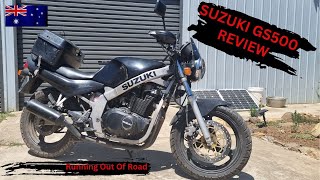
What Buyers Should Know
Bulletproof Engine Reliability
The GS500's air-cooled parallel-twin engine is renowned for easily reaching 80,000–100,000 miles with basic maintenance. It's one of the most forgiving beginner bikes mechanically, making it a top choice for new riders.
Watch the Carburetors
Older GS500 carbureted models (pre-2004) are prone to gummed-up carbs from ethanol-blend fuel, especially on bikes that sat unused. Always ask for a recent carb clean or test ride before buying.
Strong Resale Value
The GS500 holds its value well due to constant demand from new riders and motorcycle schools. A well-maintained example rarely depreciates much, meaning you can often sell it for close to what you paid.
Generations & Specs by Year
Original GS500 introduced with air-cooled parallel-twin, twin-shock rear suspension, steel frame, full fairing option added 1996.
"The honest beginner bike that nobody outgrows embarrassingly fast."
I put 22,000 km on a 1994 GS500 and the engine never once asked for anything beyond oil changes and a valve check at 15k — that air-cooled twin is genuinely bulletproof in a way modern bikes simply aren't. Power delivery is predictably smooth right up to the 9,000 rpm ceiling, which sounds modest until you're lane-splitting traffic at 80 km/h and realizing you have exactly the right amount of grunt and no terrifying surplus. The twin-shock rear is dated and gets choppy on broken pavement, and the stock seat turns to concrete around the 90-minute mark — both fixable cheaply, neither forgivable from the factory. What I respected most was that it never lied to you: the feedback through the bars and pegs was honest enough that a newer rider could actually learn something, rather than being bailed out or betrayed.
Pros
Cons
Revised styling, updated bodywork, GS500F half-faired variant introduced 2004, fuel tap and minor refinements updated.
"The most honest beginner bike money can buy."
I put 22,000 km on a 2004 GS500F and it never once left me stranded — that counts for a lot. The parallel twin pulls smoothly from about 4,000 rpm and feels genuinely rev-happy up near the 9k redline, though 46 horses means highway overtakes require planning rather than spontaneity. The half-fairing on the F model adds meaningful wind protection without making the bike feel bloated, and the 790mm seat height is accessible for shorter riders without the chassis feeling cramped for average builds. Where it shows its age is in the front forks — they're vague and underdamped over mid-corner bumps — and that air-cooled motor runs noticeably hot on your right leg in summer traffic.
Pros
Cons
Used Buyer Review
"The smartest, most sensible used motorcycle under two grand."
$1,500-$3,500 usedThe GS500 is about as honest a used buy as motorcycling gets. It's not exciting, it won't embarrass sportbikes, and nobody's going to turn their head in a parking lot. What it will do is start every single morning, teach you real throttle and clutch control without punishing your mistakes, and cost you almost nothing to maintain. The parallel twin is bulletproof if the previous owner didn't completely ignore the valve clearances — check that first, non-negotiable. Watch out for neglected chains, worn rear tires from new riders dragging brakes, and cosmetic damage from inevitable tip-overs. These bikes get dropped. That's actually fine — it means used prices stay low and parts are cheap. The suspension is soft and the brakes are merely adequate, but within its limits the GS500 handles cleanly and predictably. It genuinely rewards smooth riding. Buy the cleanest example you can afford, not the cheapest. A well-kept GS500 with documented service history is worth every penny over a mystery bike with 40,000 miles and a cracked fairing.
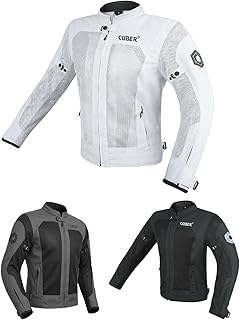
Top 10 Accessories
Curated picks for the Suzuki Gs500 — owned, ridden, recommended.




Common Problems
🔥 1 CRITICALCold start behavior, idle quality, throttle response smoothness
Listen for rattling first 10 seconds after cold start
Inspect lower fork legs for oil residue or wet dust
Check charging voltage at 3000rpm, should read 13.5-14.5v
✅Pre-Purchase Checklist
Very reliable, parts cheap, easy to maintain
Full Specifications
Rivals & Alternatives
Bikes that buyers cross-shop with the Suzuki Gs500
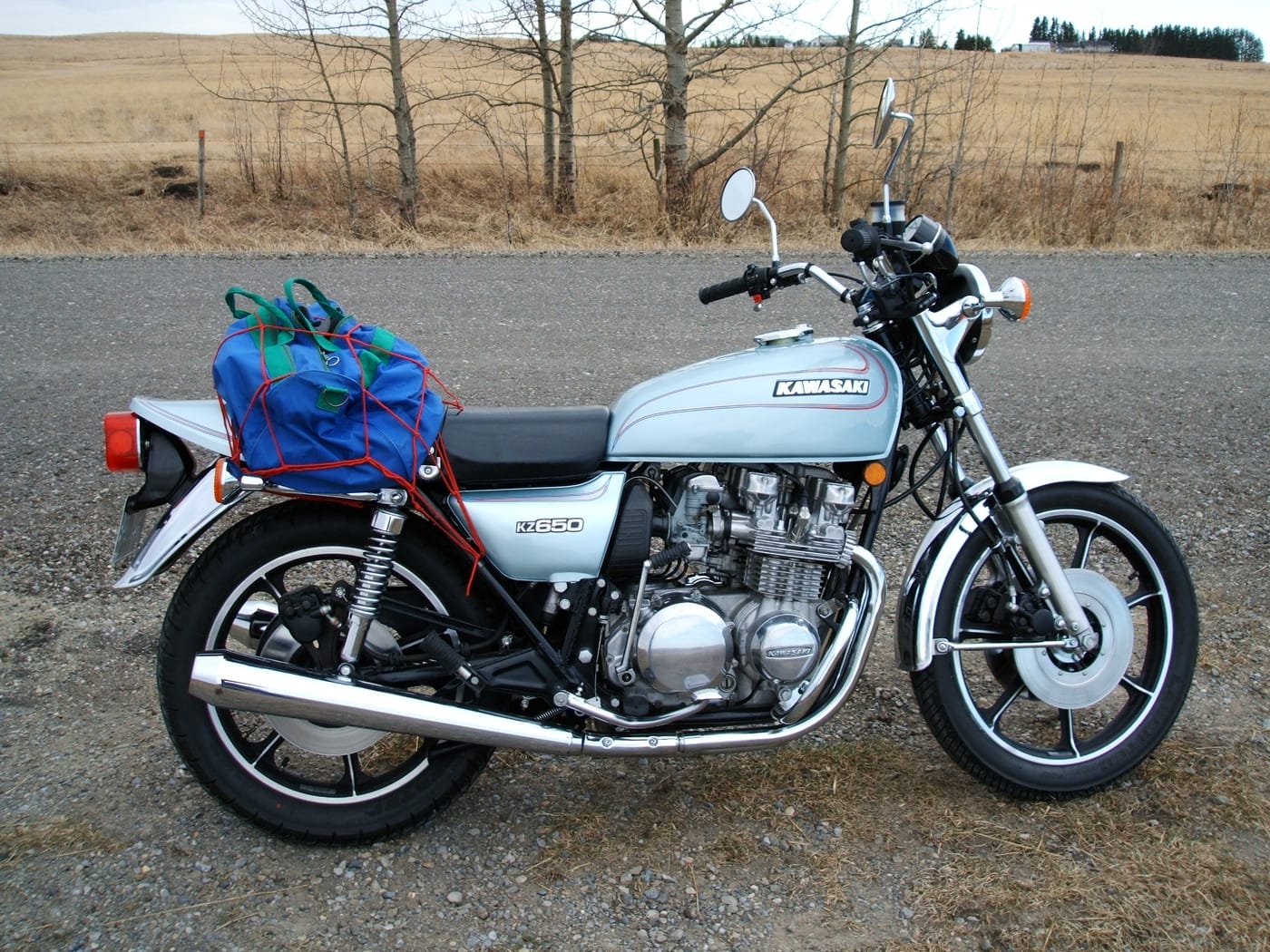
Kawasaki Z650
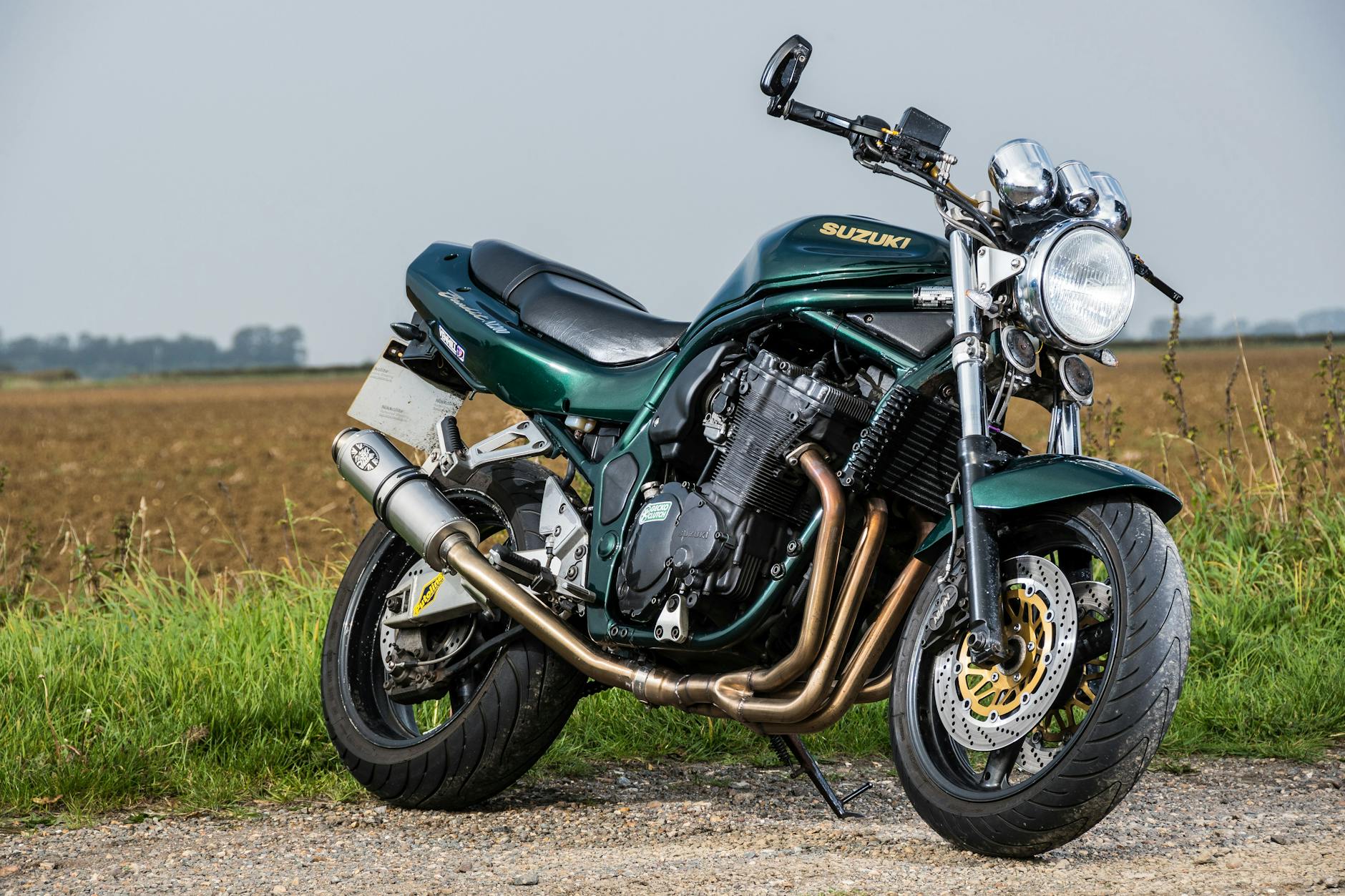
Suzuki Bandit 600
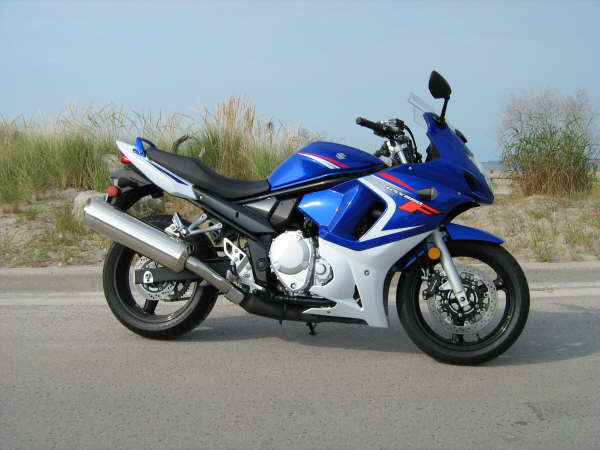
Suzuki Bandit 650
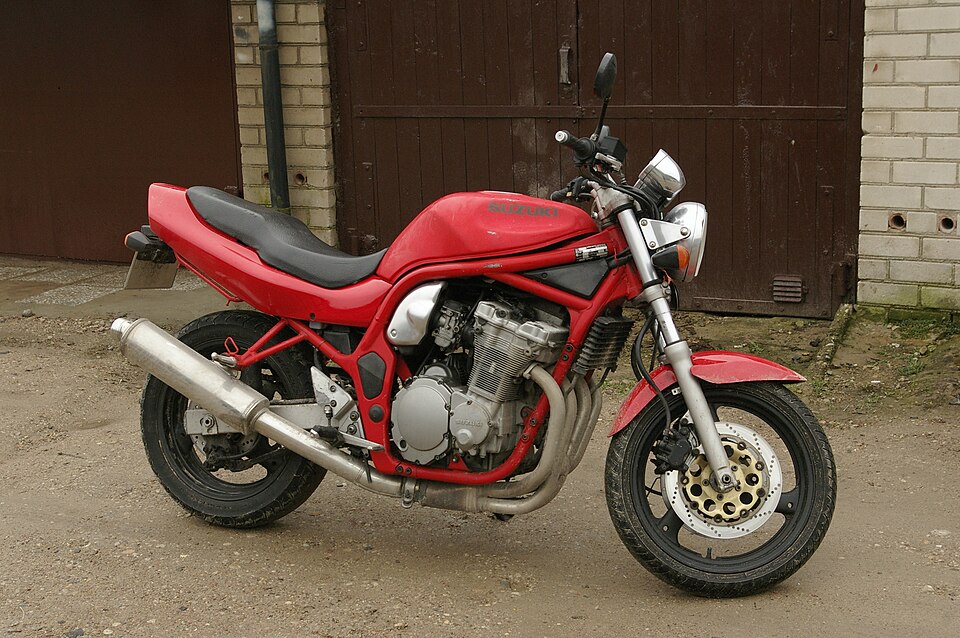
Suzuki Gsf600 Bandit
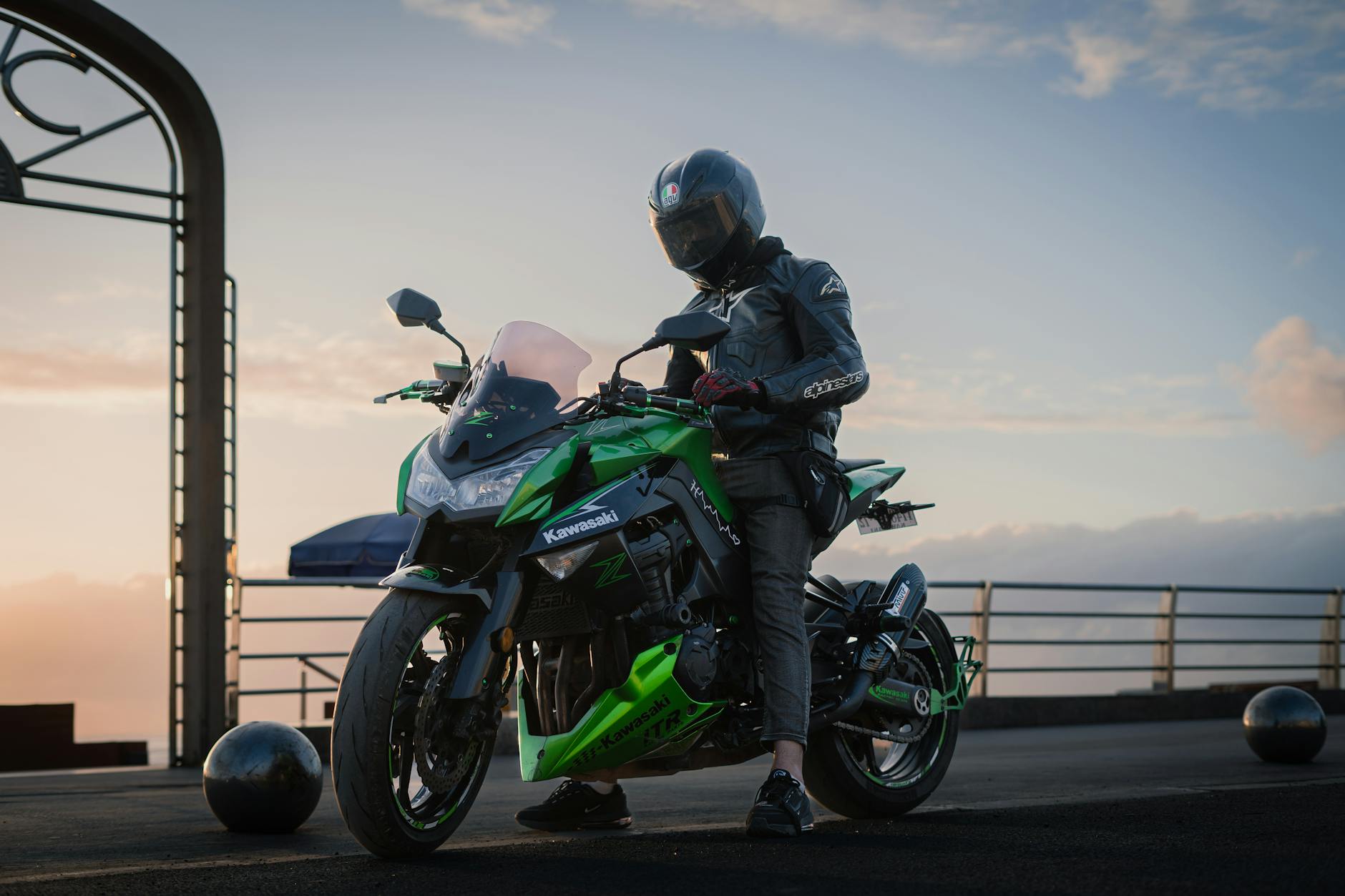
Kawasaki Er-6n
Compare Suzuki Gs500 Side-by-Side
compare_arrowsSpecs, power, weight & buyer verdict — head-to-head with the bikes most often cross-shopped.
Suzuki Gs500 vs Kawasaki Z650
Specs · Power · Buyer verdict
Suzuki Gs500 vs Suzuki Bandit 600
Specs · Power · Buyer verdict
Suzuki Gs500 vs Suzuki Bandit 650
Specs · Power · Buyer verdict
Suzuki Gs500 vs Suzuki Gsf600 Bandit
Specs · Power · Buyer verdict
Suzuki Gs500 vs Kawasaki Er-6n
Specs · Power · Buyer verdict
More Suzuki Gs500 Guides
More from Suzuki
View all Suzuki models →Community Reviews
Discussion
Frequently Asked Questions
What are common problems with the Suzuki Gs500? +
Carb jets clogged from old fuel: Cold start behavior, idle quality, throttle response smoothness (moderate) | Cam chain tensioner rattle at startup: Listen for rattling first 10 seconds after cold start (moderate) | Leaking fork seals, oil on lower legs: Inspect lower fork legs for oil residue or wet dust (moderate)
Is the Suzuki Gs500 a good motorcycle? +
The smartest, most sensible used motorcycle under two grand. Rating: 7.5/10. Best for: New riders wanting reliability over excitement. Avoid if: You need anything above highway speeds.
What is the horsepower of the Suzuki Gs500? +
The Suzuki Gs500 produces 45 hp @ 9,000 rpm, with 44 Nm @ 7,500 rpm of torque. Top speed: 175 km/h.
Is the Suzuki Gs500 good for beginners? +
Yes — the Suzuki Gs500 is a reasonable choice for new riders (45 hp is manageable), weighing 185 kg. New riders wanting reliability over excitement
Is the Suzuki Gs500 reliable? +
Owners report 1 critical issue to watch for on the Suzuki Gs500, notably: Rectifier failure, battery not charging (Check charging voltage at 3000rpm, should read 13.5-14.5v). Buy with a pre-purchase inspection.
Is the Suzuki Gs500 good for daily use? +
New riders wanting reliability over excitement Fuel: 3.8 L/100km or approximately 26 km/L.
How fast is the Suzuki Gs500? +
The Suzuki Gs500 reaches a top speed of 175 km/h, producing 45 hp at 185 kg curb weight. Real-world performance depends on rider weight, gearing, and road conditions.
What gear should I buy for a Suzuki Gs500? +
Motoryk has curated a Top 10 gear list specifically for the Suzuki Gs500, covering engine oil, tires, chain, battery, and brake pads — see motoryk.com/bikes/suzuki/gs500/top10. Each pick is matched to this bike's spec.