Piaggio Fly 125
The Piaggio Fly 125 has a top speed of 95 km/h, produces 10.7 hp and weighs 110 kg. Motoryk rates it 7/10.
The Piaggio Fly 125 was introduced in 2005 as a modern revival of classic Italian scooter styling, blending retro design cues with contemporary engineering. It became popular across Europe and Asia as a practical urban commuter, offering Piaggio's reliability in a lightweight and stylish package. The model has seen incremental updates over the years, including fuel injection on later variants, helping it meet evolving emissions standards while maintaining its core identity as an accessible everyday scooter.
10.7 hp
Power
9.8 Nm
Torque
110 kg
Weight
95 km/h
Top Speed
2.5 L/100km or approximately 40 km/L (typical real-world average)
Fuel
Faired
Body
🔧 Service Schedule & Parts
Affiliate · we may earn| Service item | Every | Typical cost | Parts |
|---|---|---|---|
| 🛢️ Engine oil + oil filter | 3,000 km / 2,000 mi or 12 mo | $30-60 | 🛢️ Buy → ⚙️ Buy → |
| 🌬️ Air filter | 6,000 km / 3,500 mi | — | 🌬️ Buy → |
| ⚡ Spark plugs | 6,000 km / 3,500 mi | — | ⚡ Buy → |
| 🔧 Valve clearance check | 12,000 km / 7,500 mi | $100-200 | |
| 🛑 Brake pads | 15000-25000 km | $30-60 | 🛑 Buy → |
| 💧 Brake fluid | 24,000 km / 15,000 mi or 2 yr | — | |
| 🧊 Coolant | 24,000 km / 15,000 mi | — | |
| 🛞 Tires | 15000-25000 km | $150-300 | 🛞 Buy → |
| 🔩 Major service | 12,000 km / 7,500 mi | $150-300 |
Video Review
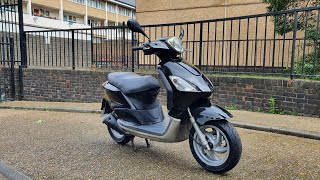
What Buyers Should Know
Proven Engine Reliability
The Fly 125 uses Piaggio's well-tested LEADER 4-stroke engine, known for longevity with proper maintenance. Many owners report 30,000+ km with minimal issues when oil changes are kept regular.
Watch the Variator
The CVT variator and drive belt are known wear items that should be inspected around 10,000–15,000 km. Symptoms like sluggish acceleration or jerky takeoff often signal belt or roller wear.
Steady Resale Value
The Piaggio brand name and Italian build quality help the Fly 125 retain value better than many Asian-made competitors in the same segment. Low mileage examples in good condition sell quickly on the used market.
Generations & Specs by Year
Original launch with 125cc 4-stroke LEADER engine, classic retro styling, analog instruments, drum rear brake.
"Charming Italian runabout that earns its keep daily."
I put nearly 18,000 km on a 2008 Fly 125 commuting through Naples and later London, and the LEADER engine is genuinely one of the more refined units in this class — smooth past 7,000 rpm, pulls cleanly to an honest 90 km/h on flat tarmac without drama. The stepped seat and upright posture make 45-minute city stints comfortable, and the 790mm seat height means most riders can flat-foot it at traffic lights, which matters more than people admit. That said, the drum rear brake is a liability in wet conditions — wooden feel, inconsistent bite — and the under-seat storage is laughably small for a scooter, barely fits a half-face helmet if you force it. Build quality is mostly solid but a few plastic panels started rattling around 12,000 km, and the carb needs a proper tune-up around that mileage or cold starts become a morning ritual of coaxing.
Pros
Cons
Refreshed bodywork, updated LEADER engine meeting Euro 3 then Euro 4 standards, revised suspension and improved brakes.
Used Buyer Review
"A dependable city scooter that earns its reputation without excitement."
$1,000-$2,500 usedThe Fly 125 is Italian scooter commuting done properly — not flashly, just solid. Piaggio's build quality genuinely separates it from the Chinese clutter in this segment. The 125cc four-stroke pulls cleanly through traffic, the suspension actually handles real potholes without jarring your spine loose, and that underseat storage fits a full-face helmet without drama. It's not fast, obviously, but it never pretends to be. Used examples between 2010-2018 are plentiful and generally honest machines if maintained. Watch for variator wear — they get jerky and hesitant when the rollers are shot, usually around 15,000 miles. Check the belt too, cheap to replace but sellers often ignore it. Corrosion around the exhaust header is common on older bikes, mostly cosmetic but worth negotiating on. For urban commuting under 30 miles daily, this thing makes genuine sense. Parts availability through Piaggio dealers is decent, and a good independent scooter shop can work on these without crying. Don't overpay — $1,500 is plenty for a solid example.
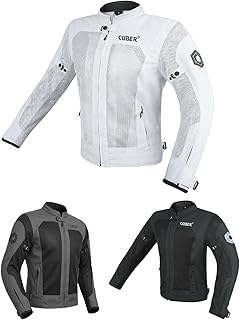
Top 10 Accessories
Curated picks for the Piaggio Fly 125 — owned, ridden, recommended.




Common Problems
🔥 1 CRITICALHard starting, rough idle, hesitation on throttle
Jerky takeoff, belt squealing, poor top speed
Smell fuel near tank, inspect underneath for staining
Oil residue on fork tubes, bouncy harsh ride
✅Pre-Purchase Checklist
Decent commuter, maintenance often neglected by owners
Full Specifications
Rivals & Alternatives
Bikes that buyers cross-shop with the Piaggio Fly 125
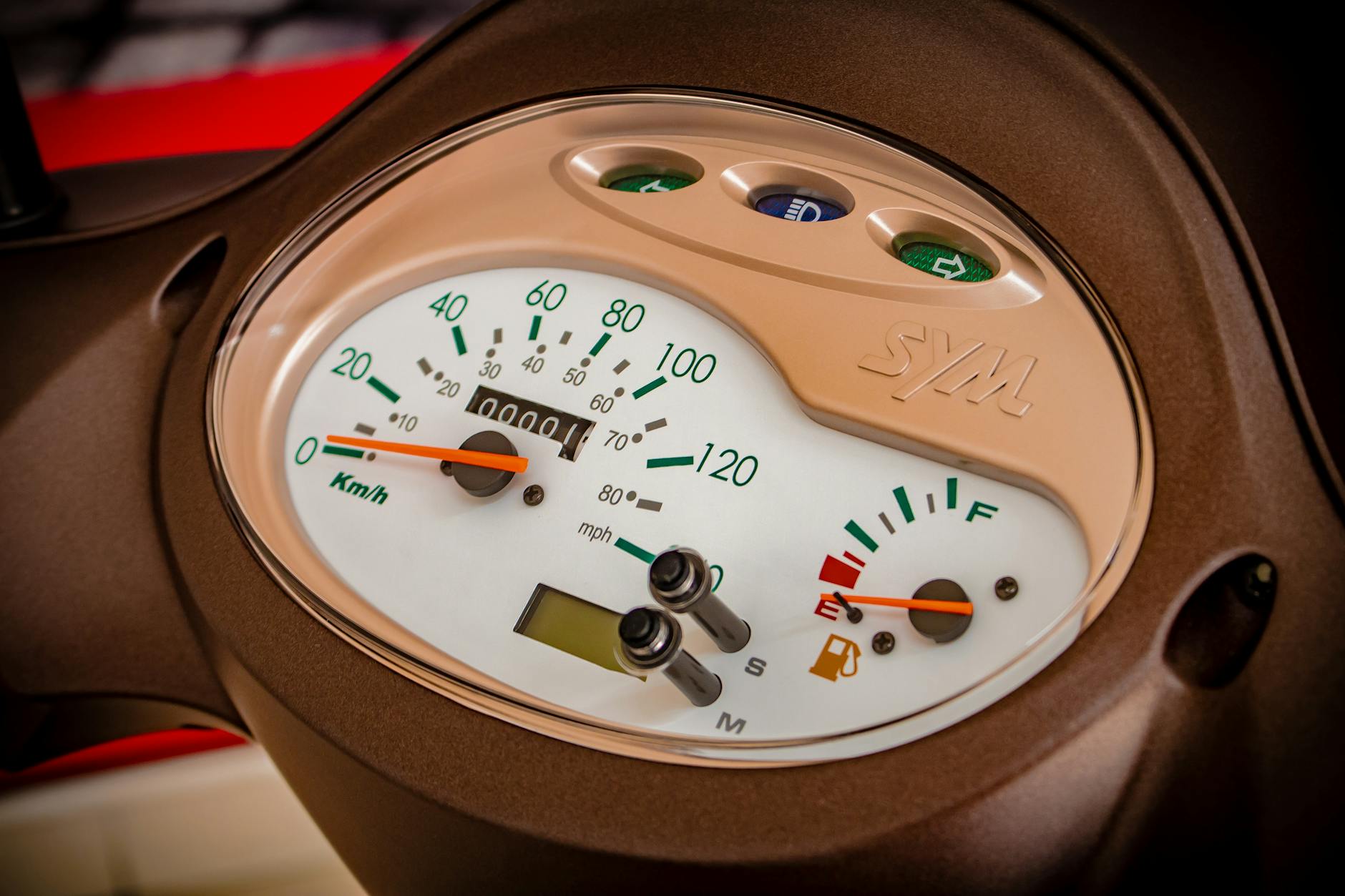
Sym Fiddle 125
Kymco Agility 125
Piaggio Liberty 125
Piaggio Liberty 150
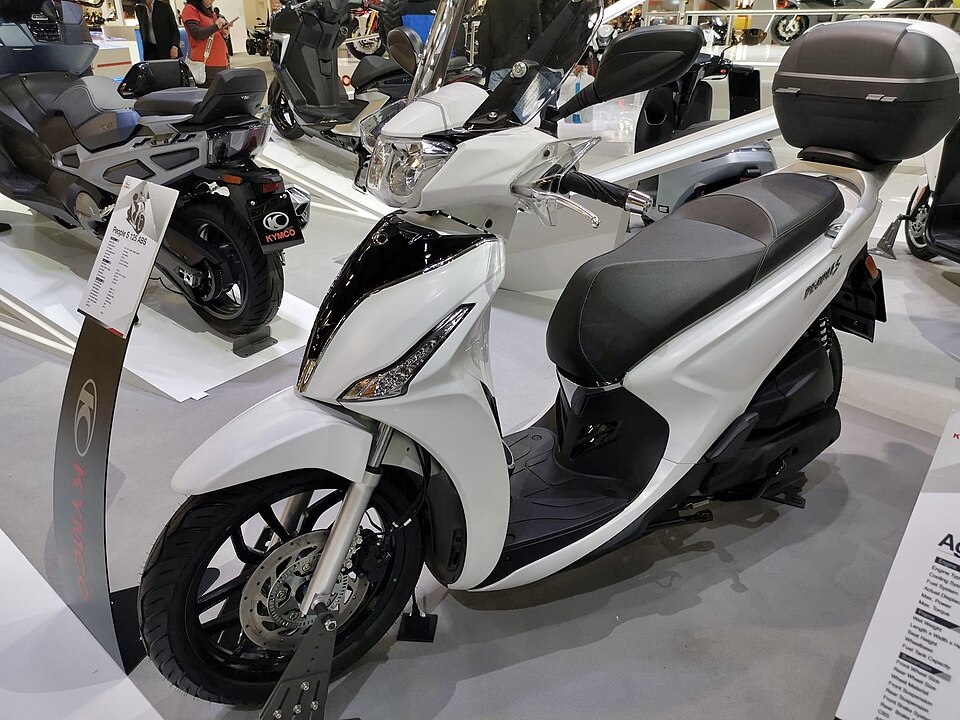
Kymco People S 125
Compare Piaggio Fly 125 Side-by-Side
compare_arrowsSpecs, power, weight & buyer verdict — head-to-head with the bikes most often cross-shopped.
Piaggio Fly 125 vs Sym Fiddle 125
Specs · Power · Buyer verdict
Piaggio Fly 125 vs Kymco Agility 125
Specs · Power · Buyer verdict
Piaggio Fly 125 vs Piaggio Liberty 125
Specs · Power · Buyer verdict
Piaggio Fly 125 vs Piaggio Liberty 150
Specs · Power · Buyer verdict
Piaggio Fly 125 vs Kymco People S 125
Specs · Power · Buyer verdict
More Piaggio Fly 125 Guides
More from Piaggio
View all Piaggio models →Community Reviews
Discussion
Frequently Asked Questions
What are common problems with the Piaggio Fly 125? +
Carburetor gumming from ethanol fuel or storage: Hard starting, rough idle, hesitation on throttle (moderate) | CVT variator wear causing sluggish acceleration: Jerky takeoff, belt squealing, poor top speed (moderate) | Rusty or leaking fuel tank on older units: Smell fuel near tank, inspect underneath for staining (serious)
Is the Piaggio Fly 125 a good motorcycle? +
A dependable city scooter that earns its reputation without excitement. Rating: 7.0/10. Best for: Urban commuters wanting reliable, low-maintenance Italian quality. Avoid if: You need anything beyond city riding speeds.
What is the horsepower of the Piaggio Fly 125? +
The Piaggio Fly 125 produces 10.7 hp @ 8,250 rpm, with 9.8 Nm @ 6,500 rpm of torque. Top speed: 95 km/h.
Is the Piaggio Fly 125 good for beginners? +
Yes — the Piaggio Fly 125 is a reasonable choice for new riders (10.7 hp is manageable), weighing 110 kg. Urban commuters wanting reliable, low-maintenance Italian quality
Is the Piaggio Fly 125 reliable? +
Owners report 1 critical issue to watch for on the Piaggio Fly 125, notably: Rusty or leaking fuel tank on older units (Smell fuel near tank, inspect underneath for staining). Buy with a pre-purchase inspection.
Is the Piaggio Fly 125 good for daily use? +
Urban commuters wanting reliable, low-maintenance Italian quality Fuel: 2.5 L/100km or approximately 40 km/L (typical real-world average).
How fast is the Piaggio Fly 125? +
The Piaggio Fly 125 reaches a top speed of 95 km/h, producing 10.7 hp at 110 kg curb weight. Real-world performance depends on rider weight, gearing, and road conditions.
What gear should I buy for a Piaggio Fly 125? +
Motoryk has curated a Top 10 gear list specifically for the Piaggio Fly 125, covering engine oil, tires, chain, battery, and brake pads — see motoryk.com/bikes/piaggio/fly-125/top10. Each pick is matched to this bike's spec.