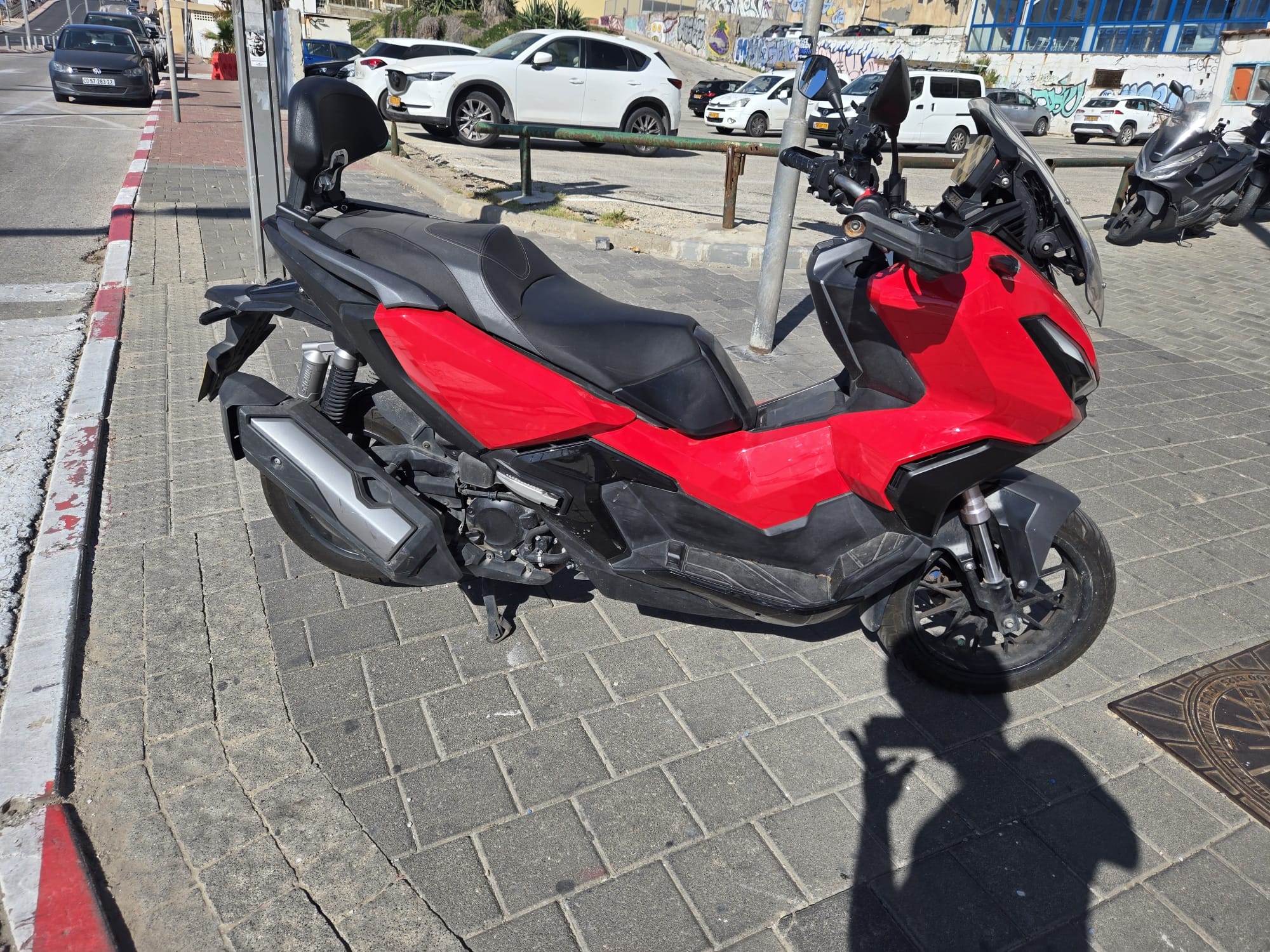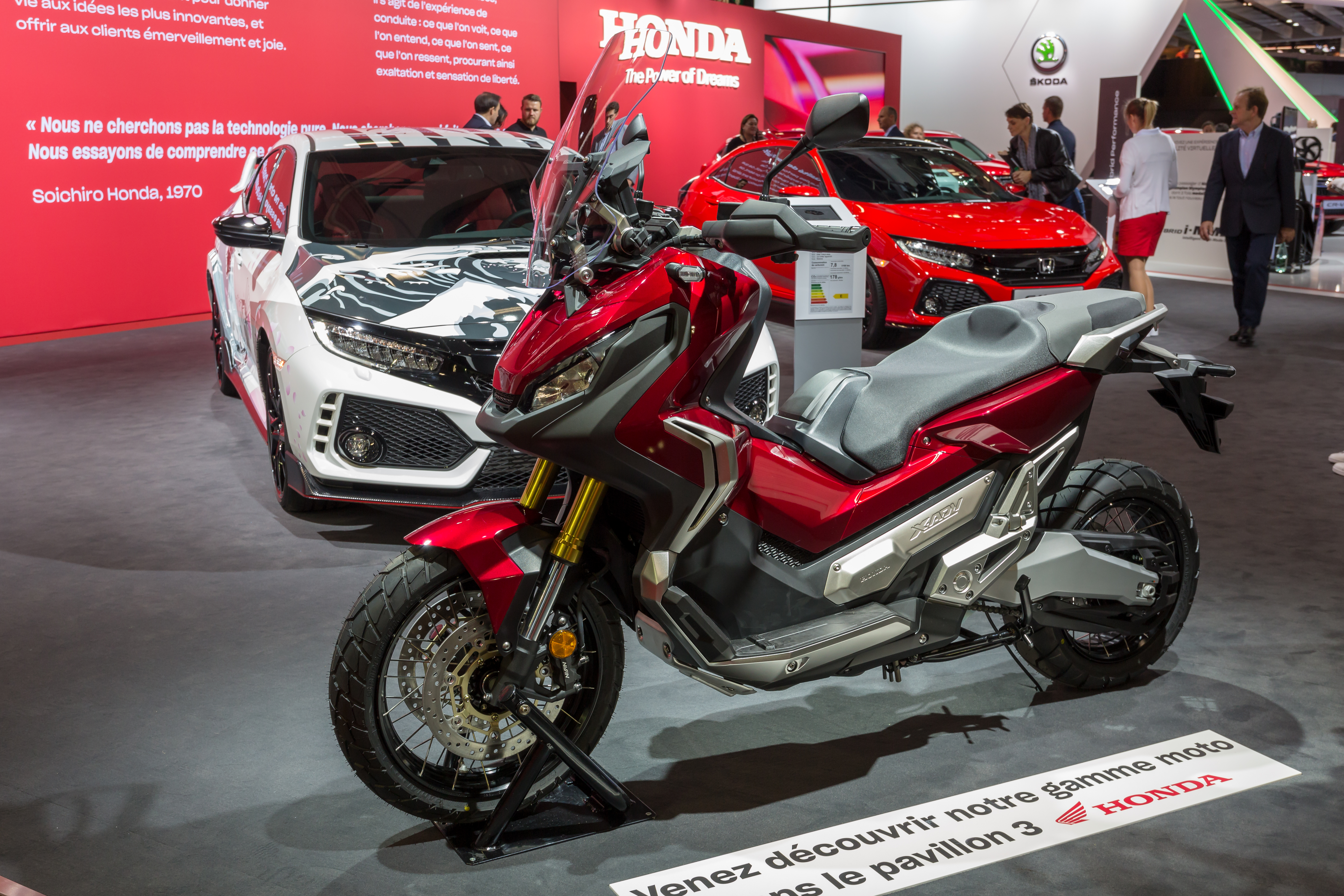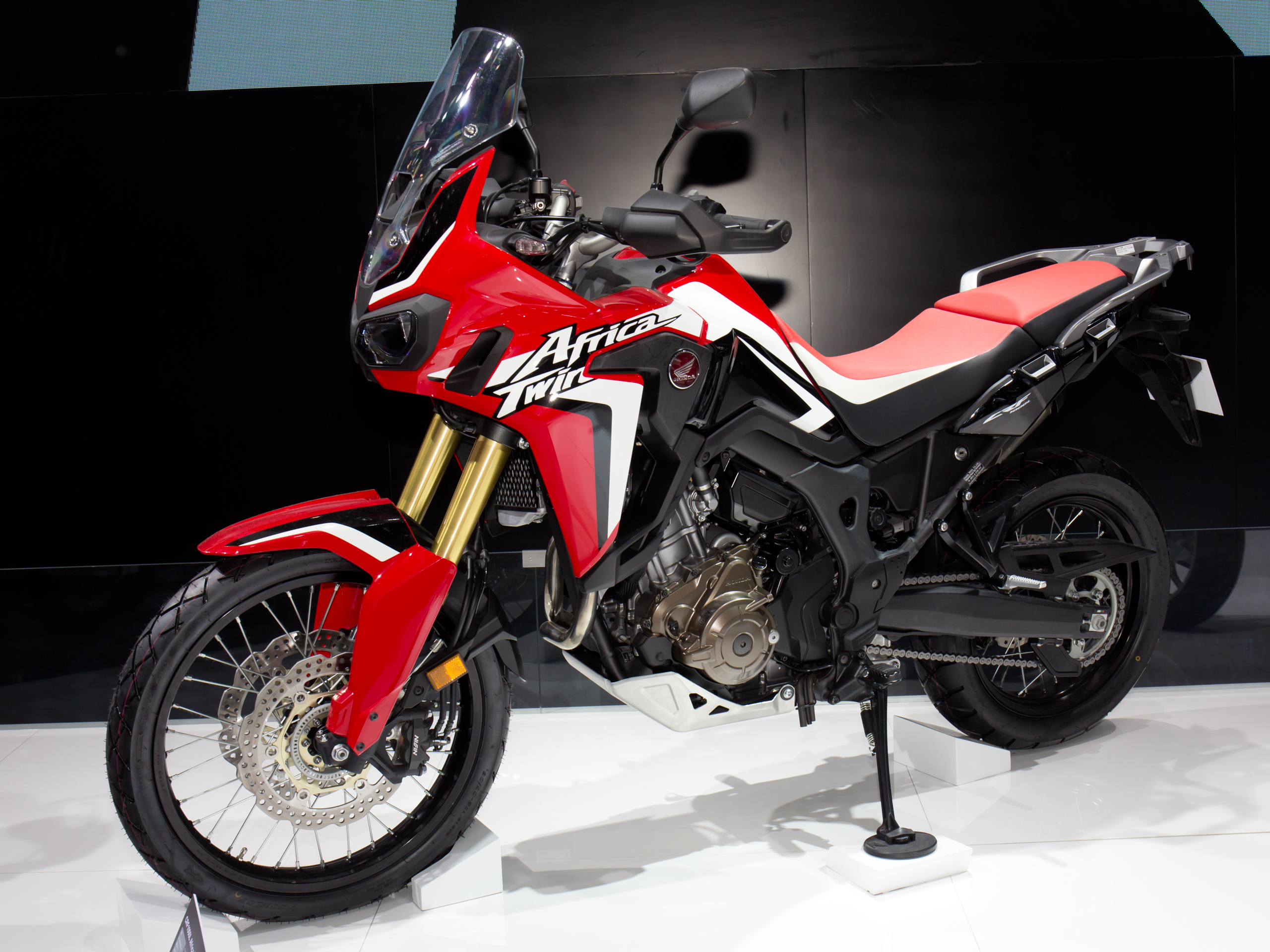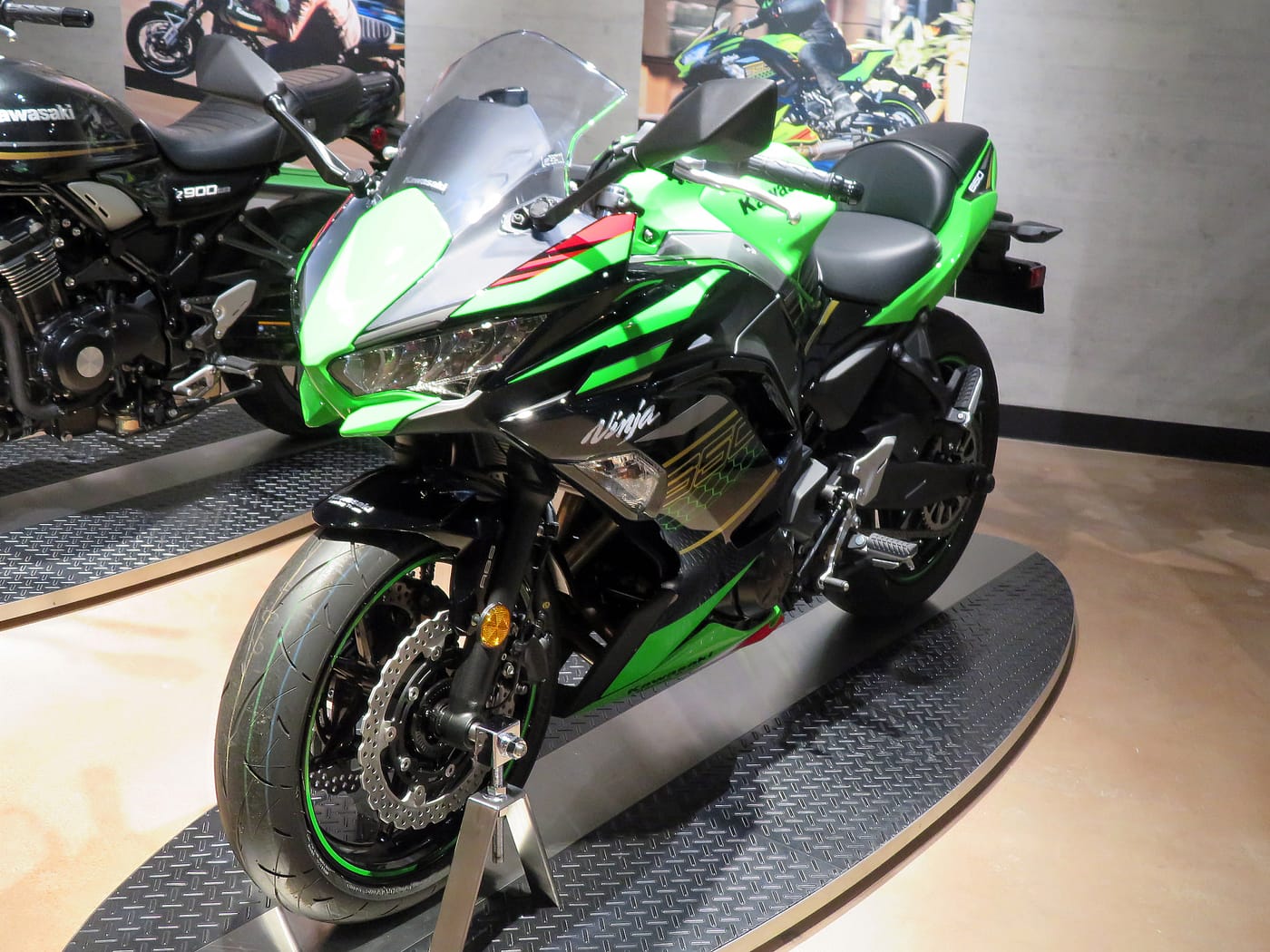
Kawasaki Versys-x 300
The Kawasaki Versys-x 300 has a top speed of 155 km/h, produces 39 hp and weighs 172 kg. Motoryk rates it 7.2/10.
Kawasaki Versys-X 300은 가벼운 오프로드 성능을 추구하는 초보 라이더와 도시 통근자를 겨냥한 소형 배기량 어드벤처 투어링 오토바이로 2017년에 출시되었습니다.이 모델은 Ninja 300/400 플랫폼의 패러렐 트윈 엔진을 기반으로 하며, 보급형 자전거와 대형 어드벤처 투어러 사이의 격차를 메울 수 있도록 설계되었습니다.이 모델은 경량, 연료 효율성, 혼합 노면에서의 다용도성 덕분에 아시아 및 신흥 시장에서 인기를 얻었습니다.
39 hp
파워
25.9 Nm
토크
172 kg
무게
155 km/h
탑 스피드
3.5 L/100km or approximately 28 km/L (typical real-world average)
연료
페어링
바디
🔧 Service Schedule & Parts
Affiliate · we may earn| Service item | Every | Typical cost | Parts |
|---|---|---|---|
| 🛢️ Engine oil + oil filter | 6,000 km / 3,500 mi or 12 mo | $40-80 | 🛢️ Buy → ⚙️ Buy → |
| 🌬️ Air filter | 12,000 km / 7,500 mi | — | 🌬️ Buy → |
| ⚡ Spark plugs | 12,000 km / 7,500 mi | — | ⚡ Buy → |
| 🔧 Valve clearance check | 24,000 km / 15,000 mi | $150-300 | |
| 🔗 Chain & sprockets | 20000-35000 km (replace) | $120-250 | 🔗 Buy → |
| 🛑 Brake pads | 15000-25000 km | $30-60 | 🛑 Buy → |
| 💧 Brake fluid | 24,000 km / 15,000 mi or 2 yr | — | |
| 🧊 Coolant | 24,000 km / 15,000 mi | — | |
| 🛞 Tires | 15000-25000 km | $200-350 | 🛞 Buy → |
| 🔩 Major service | 24,000 km / 15,000 mi | $250-500 |
Video Review

구매자가 알아야 할 사항
Bulletproof Parallel Twin
The 296cc liquid-cooled parallel twin engine is shared with the Ninja 300, a platform known for exceptional reliability with minimal issues reported beyond 30,000+ miles when properly maintained.
Watch the Chain & Sprockets
Owners commonly report faster-than-expected chain and sprocket wear, especially on used examples — always inspect these closely and budget for replacement if buying secondhand.
Strong Resale Value
The Versys-X 300 holds its value well due to limited competition in the small-displacement adventure segment, making it easier to resell but also meaning used prices stay relatively high.
연도별 세대 및 사양
병렬 트윈 296cc 엔진, 어드벤처 스타일링, USD 포크, 옵션 ABS 브레이크와 함께 처음 출시되었습니다.
중고 구매자 리뷰
"A genuinely capable small adventurer let down by budget suspension and motorway manners."
$3,500-$5,500 usedThe Versys-X 300 is one of those bikes that does a lot of things reasonably well without absolutely nailing any single one. It's a proper little adventure bike — not a pretend one — with genuine wire-spoke wheels, a skid plate, and that 296cc parallel twin that pulls cleanly from low revs. Used examples are everywhere now, and they're mostly well-treated because the people who bought them were sensible riders rather than squidding teenagers. That engine, though. It's smooth and rev-happy, but you will be working it hard on motorways. Sitting at 70mph is doable, but the motor sounds strained and your wrists will ache before lunch. It genuinely shines on A and B roads, mountain passes, light gravel tracks — anywhere you're not pinned at high speed for extended periods. Check the chain and sprockets on anything past 10k miles — owners often neglect them. Forks are soft and the rear shock is agricultural, so budget for suspension upgrades if you're serious about off-road use. Fantastic learner-friendly package otherwise.
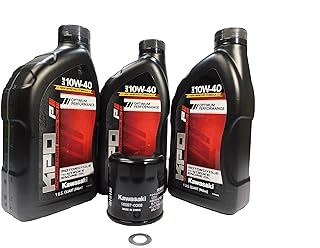
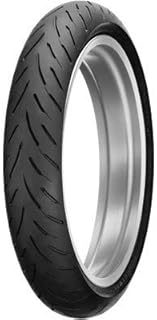
Top 10 Accessories
Curated picks for the Kawasaki Versys-x 300 — owned, ridden, recommended.




일반적인 문제
🔥 1 CRITICALIdle quality, surging at low RPM, hesitation
Chain slack, sprocket teeth hooks, rust on chain
Oil residue below fork tubes, handling wobble
Battery voltage at idle, dimming lights, dead starts
✅사전 구매 체크리스트
Solid beginner bike, maintain it and it lasts
Full Specifications
Rivals & Alternatives
Bikes that buyers cross-shop with the Kawasaki Versys-x 300
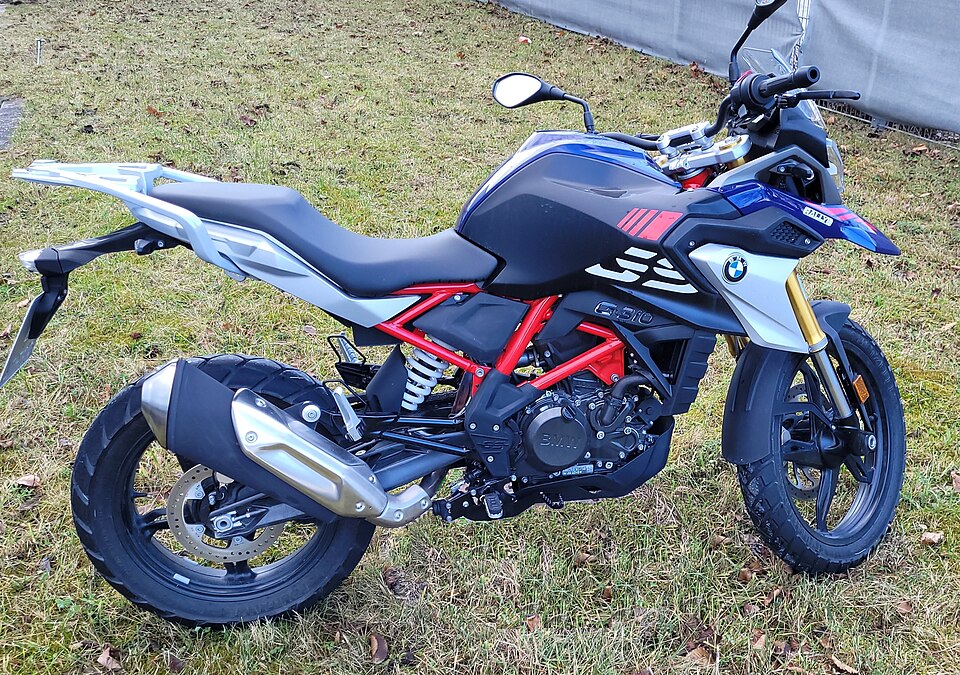
Bmw G 310 Gs
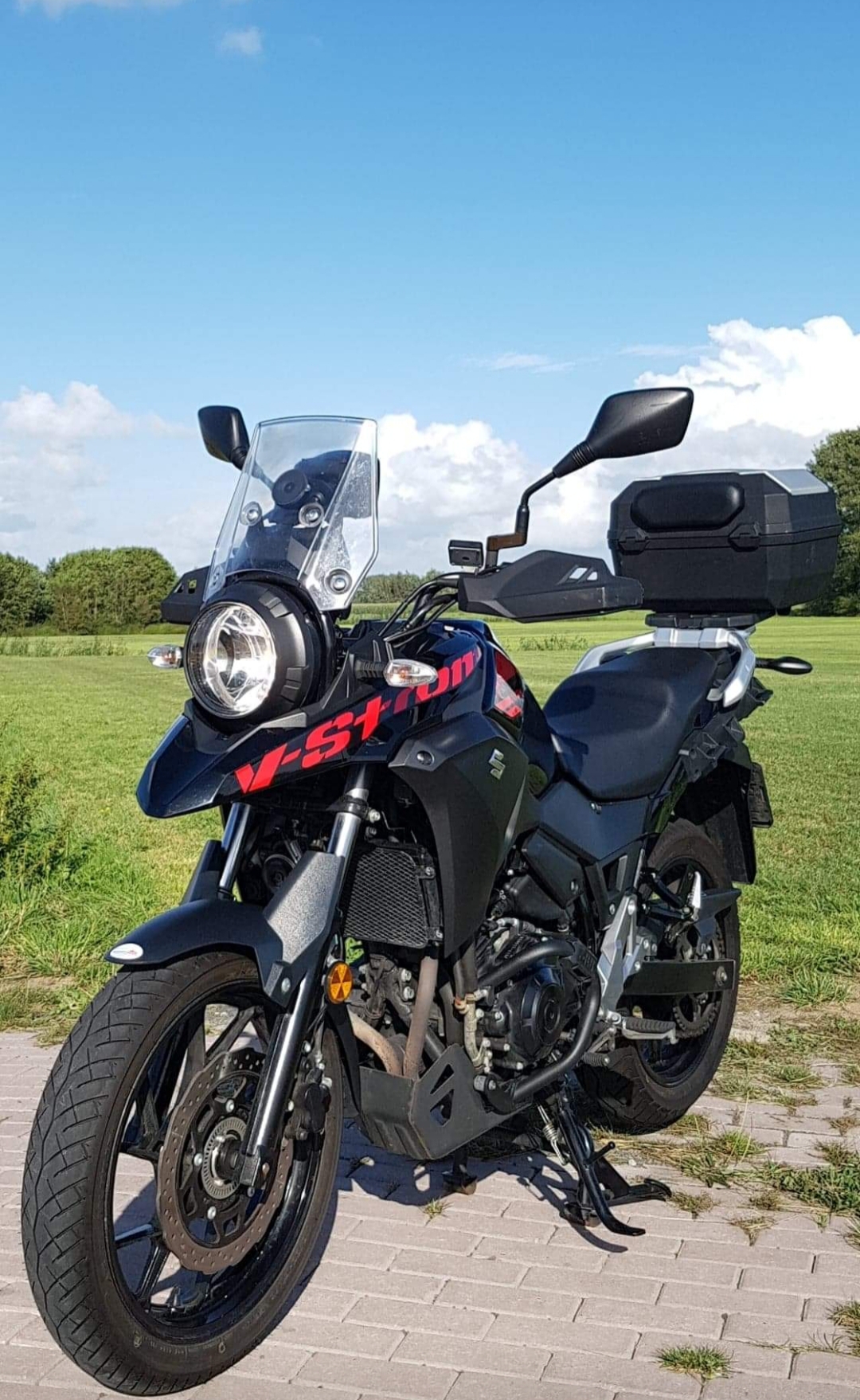
Suzuki V-strom 250
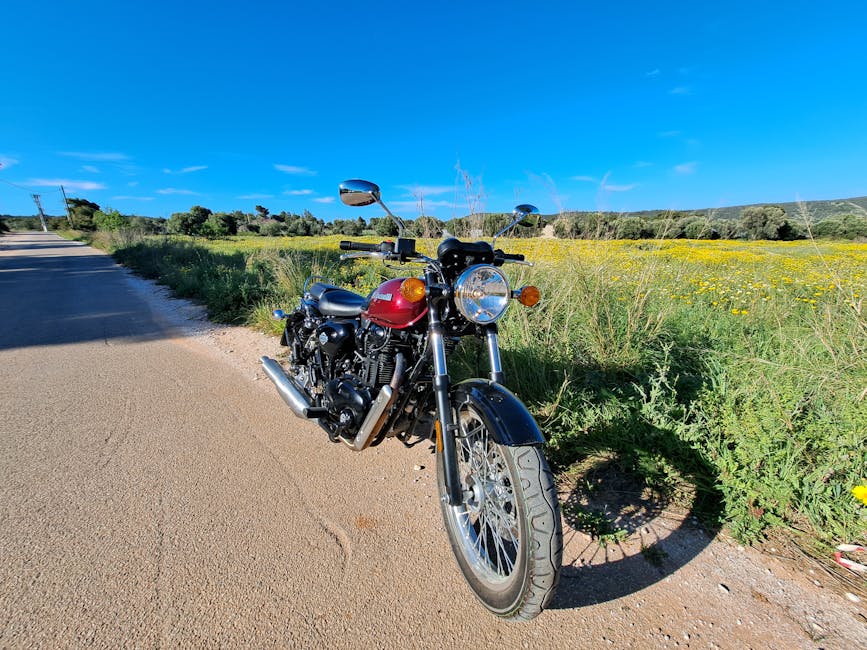
Benelli Zenzero 350

Ktm 390 Adventure
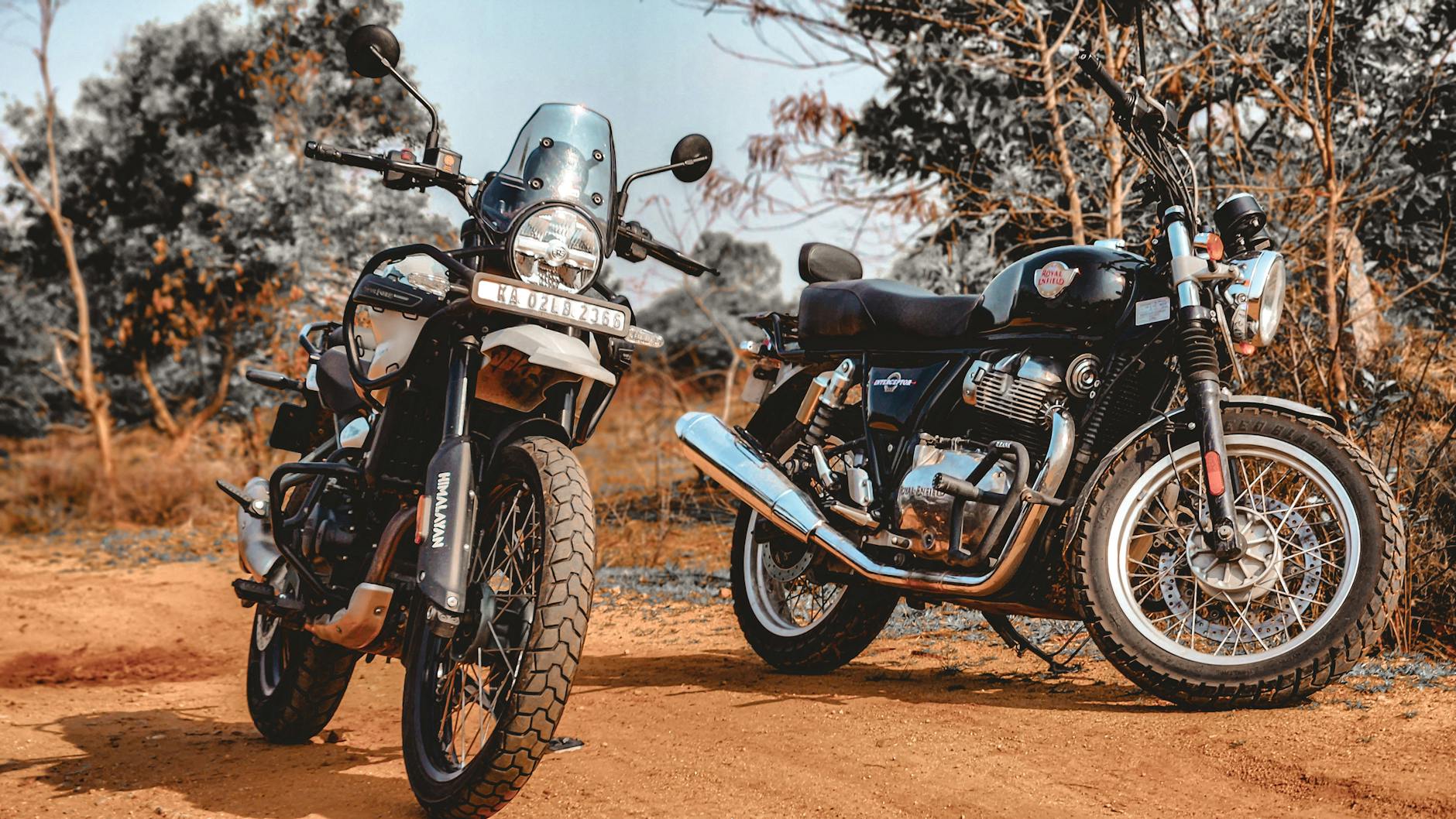
Royal Enfield Himalayan 450
Compare Kawasaki Versys-x 300 Side-by-Side
compare_arrowsSpecs, power, weight & buyer verdict — head-to-head with the bikes most often cross-shopped.
Kawasaki Versys-x 300 vs Bmw G 310 Gs
Specs · Power · Buyer verdict
Kawasaki Versys-x 300 vs Suzuki V-strom 250
Specs · Power · Buyer verdict
Kawasaki Versys-x 300 vs Benelli Zenzero 350
Specs · Power · Buyer verdict
Kawasaki Versys-x 300 vs Ktm 390 Adventure
Specs · Power · Buyer verdict
Kawasaki Versys-x 300 vs Royal Enfield Himalayan 450
Specs · Power · Buyer verdict
More Kawasaki Versys-x 300 Guides
More from Kawasaki
View all Kawasaki models →Community Reviews
Discussion
Frequently Asked Questions
What are common problems with the Kawasaki Versys-x 300? +
Throttle body sync issues causing rough idle: Idle quality, surging at low RPM, hesitation (moderate) | Chain and sprocket wear from neglect: Chain slack, sprocket teeth hooks, rust on chain (moderate) | Fork seal leaks on higher mileage units: Oil residue below fork tubes, handling wobble (moderate)
Is the Kawasaki Versys-x 300 a good motorcycle? +
A genuinely capable small adventurer let down by budget suspension and motorway manners. Rating: 7.2/10. Best for: New riders wanting real adventure bike experience cheaply. Avoid if: You regularly commute long motorway distances daily.
What is the horsepower of the Kawasaki Versys-x 300? +
The Kawasaki Versys-x 300 produces 39 hp @ 11,000 rpm, with 25.9 Nm @ 10,000 rpm of torque. Top speed: 155 km/h.
Is the Kawasaki Versys-x 300 good for beginners? +
Yes — the Kawasaki Versys-x 300 is a reasonable choice for new riders (39 hp is manageable), weighing 172 kg. New riders wanting real adventure bike experience cheaply
Is the Kawasaki Versys-x 300 reliable? +
Owners report 1 critical issue to watch for on the Kawasaki Versys-x 300, notably: Stator/charging system failure over time (Battery voltage at idle, dimming lights, dead starts). Buy with a pre-purchase inspection.
Is the Kawasaki Versys-x 300 good for daily use? +
New riders wanting real adventure bike experience cheaply Fuel: 3.5 L/100km or approximately 28 km/L (typical real-world average).
How fast is the Kawasaki Versys-x 300? +
The Kawasaki Versys-x 300 reaches a top speed of 155 km/h, producing 39 hp at 172 kg curb weight. Real-world performance depends on rider weight, gearing, and road conditions.
What gear should I buy for a Kawasaki Versys-x 300? +
Motoryk has curated a Top 10 gear list specifically for the Kawasaki Versys-x 300, covering engine oil, tires, chain, battery, and brake pads — see motoryk.com/bikes/kawasaki/versys-x-300/top10. Each pick is matched to this bike's spec.