Zero Fxe vs Zero Fxs
Side-by-side comparison for used motorcycle buyers
Zero Fxe vs Zero Fxs. Zero Fxe: 46 hp (34 kW) – peak power hp, 133 kg (curb weight) weight, top speed 137 km/h, Motoryk rating 7.5/10. Zero Fxs: 46 hp (34 kW) — note: varies slightly by model year hp, 132 kg (curb weight — note: varies slightly by battery configuration and model year) weight, top speed 137 km/h, Motoryk rating 7.5/10.
Performance at a Glance
Green = winner per metric · Bars are relative to the higher value
Zero Fxe
Zero Fxs
Horsepower (hp)
46 hp
46 hp
Torque (Nm)
106 Nm
106 Nm
Top Speed (km/h)
137 km/h
137 km/h
Weight (kg) — lower is better
133 kg
132 kg
Type
Electric
Electric
Horsepower
46 hp (34 kW) – peak power
46 hp (34 kW) — note: varies slightly by model year
Torque
106 Nm – available from 0 rpm
106 Nm @ 0 rpm (instant torque from standstill)
Top Speed
137 km/h
137 km/h
Weight
133 kg (curb weight)
132 kg (curb weight — note: varies slightly by battery configuration and model year)
Fuel
N/A – electric; estimated ~4.5–6 kWh/100km (real-world urban use)
Equivalent to approximately 1.5–2.0 kWh/100km (no fuel; electric only)
Fairing
No
No
Individual Reviews

Zero Fxe
7.5/10
"A brilliant city weapon that punishes anyone expecting more."
Pros
+Savage urban torque delivery
+Minimal maintenance requirements
+Genuinely head-turning aesthetics
Cons
−Real range disappoints highway riders
−Slow stock charging frustrates daily use
−Battery replacement costs are brutal
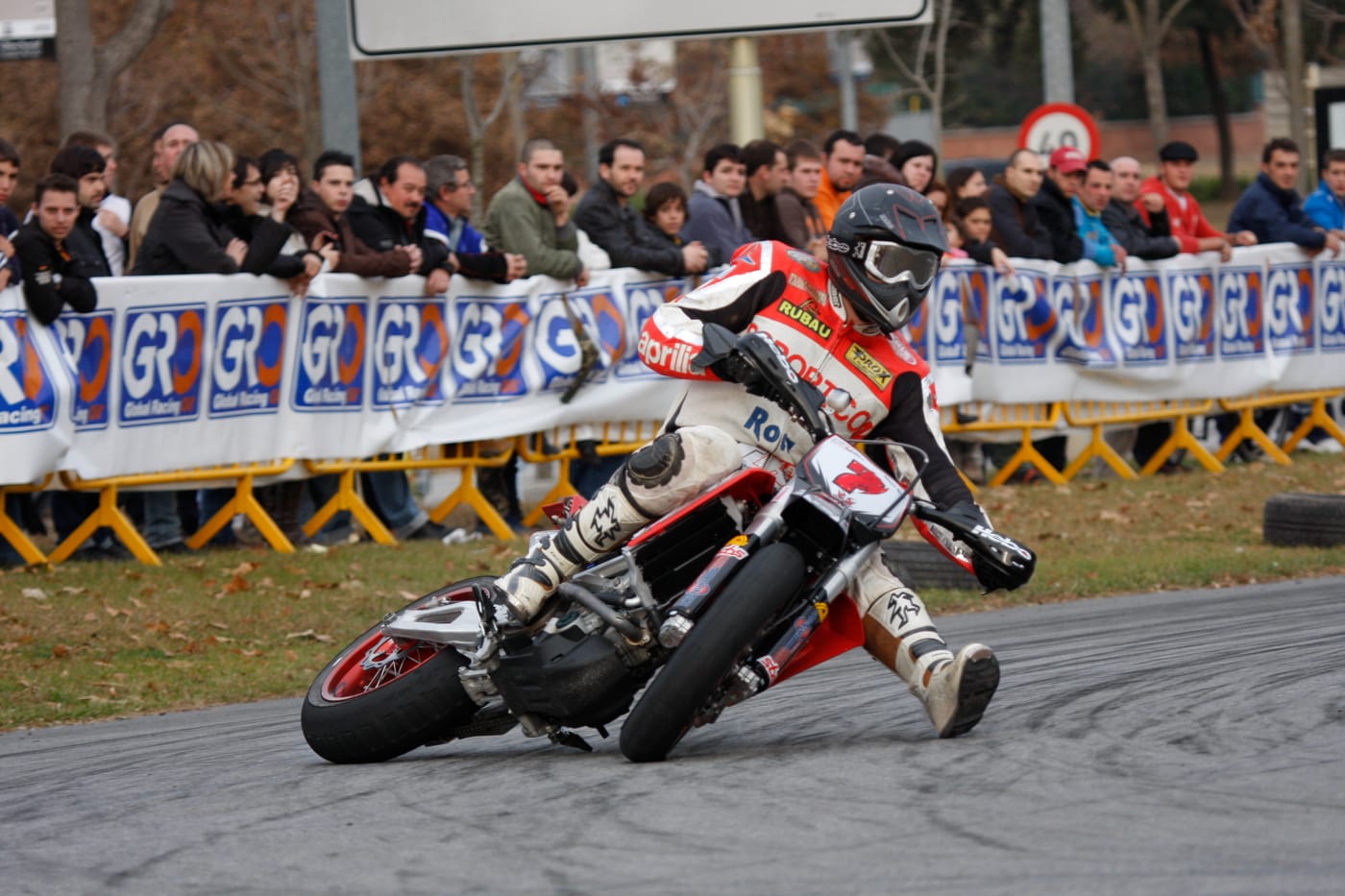
Zero Fxs
7.5/10
"Urban riding reimagined, but range limitations demand honest self-assessment first."
Pros
+Savage, instant city torque
+Near-zero running costs
+Featherlight and supremely flickable
Cons
−Range is genuinely limiting
−Battery degradation risk used
−Sparse dealer/service network
Top 10 Accessories
Picks that work on either bike.


