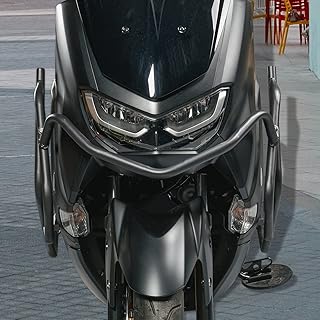
Yamaha Tricity 300 vs Yamaha Nmax 155
Side-by-side comparison for used motorcycle buyers
Yamaha Tricity 300 vs Yamaha Nmax 155. Yamaha Tricity 300: 28 hp @ 7,750 rpm hp, 271 kg (wet/curb weight) weight, top speed 145 km/h (estimated, note: Yamaha does not officially publish top speed), Motoryk rating 7.5/10. Yamaha Nmax 155: 15.1 hp @ 8,000 rpm hp, 127 kg (wet/curb weight) weight, top speed 125 km/h, Motoryk rating 7.8/10.
Performance at a Glance
Green = winner per metric · Bars are relative to the higher value
Yamaha Tricity 300
Yamaha Nmax 155
Horsepower (hp)
28 hp
15.1 hp
Torque (Nm)
29 Nm
13.9 Nm
Top Speed (km/h)
145 km/h
125 km/h
Weight (kg) — lower is better
271 kg
127 kg
Type
Scooter
Scooter
Horsepower
28 hp @ 7,750 rpm
15.1 hp @ 8,000 rpm
Torque
29 Nm @ 5,500 rpm
13.9 Nm @ 6,500 rpm
Top Speed
145 km/h (estimated, note: Yamaha does not officially publish top speed)
125 km/h
Weight
271 kg (wet/curb weight)
127 kg (wet/curb weight)
Fuel
3.7 L/100km (approx. 27 km/L, typical real-world average)
2.4 L/100km or approximately 41 km/L (typical real-world average)
Fairing
Yes
Yes
Individual Reviews
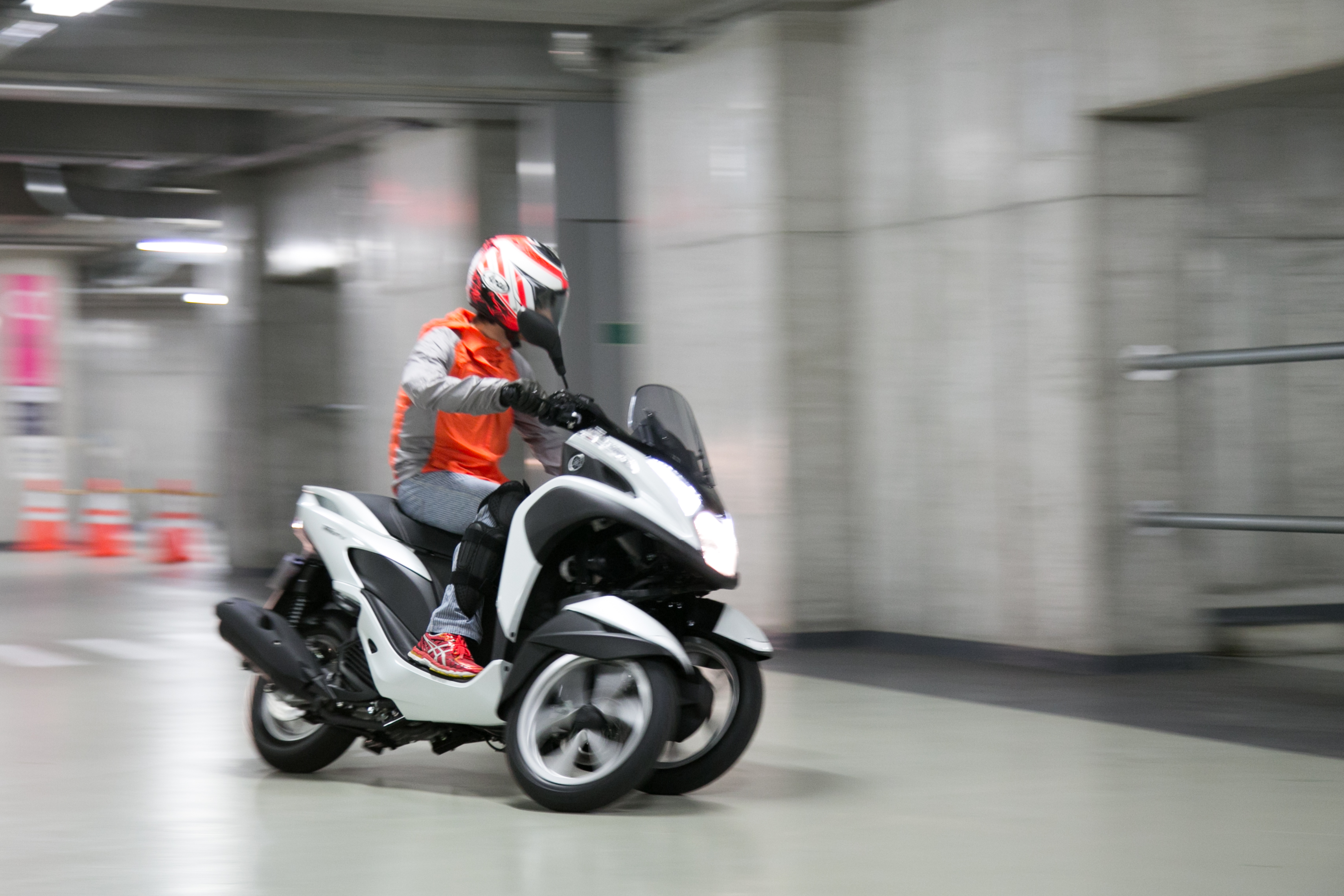
Yamaha Tricity 300
7.5/10
"A genuinely clever commuter that rewards patient, urban-focused riders enormously."
Pros
+Exceptional wet-weather front grip
+Smooth, tractable engine delivery
+Outstanding low-speed stability
Cons
−Front linkage maintenance costs hurt
−Storage space genuinely pathetic
−Heavier than it looks
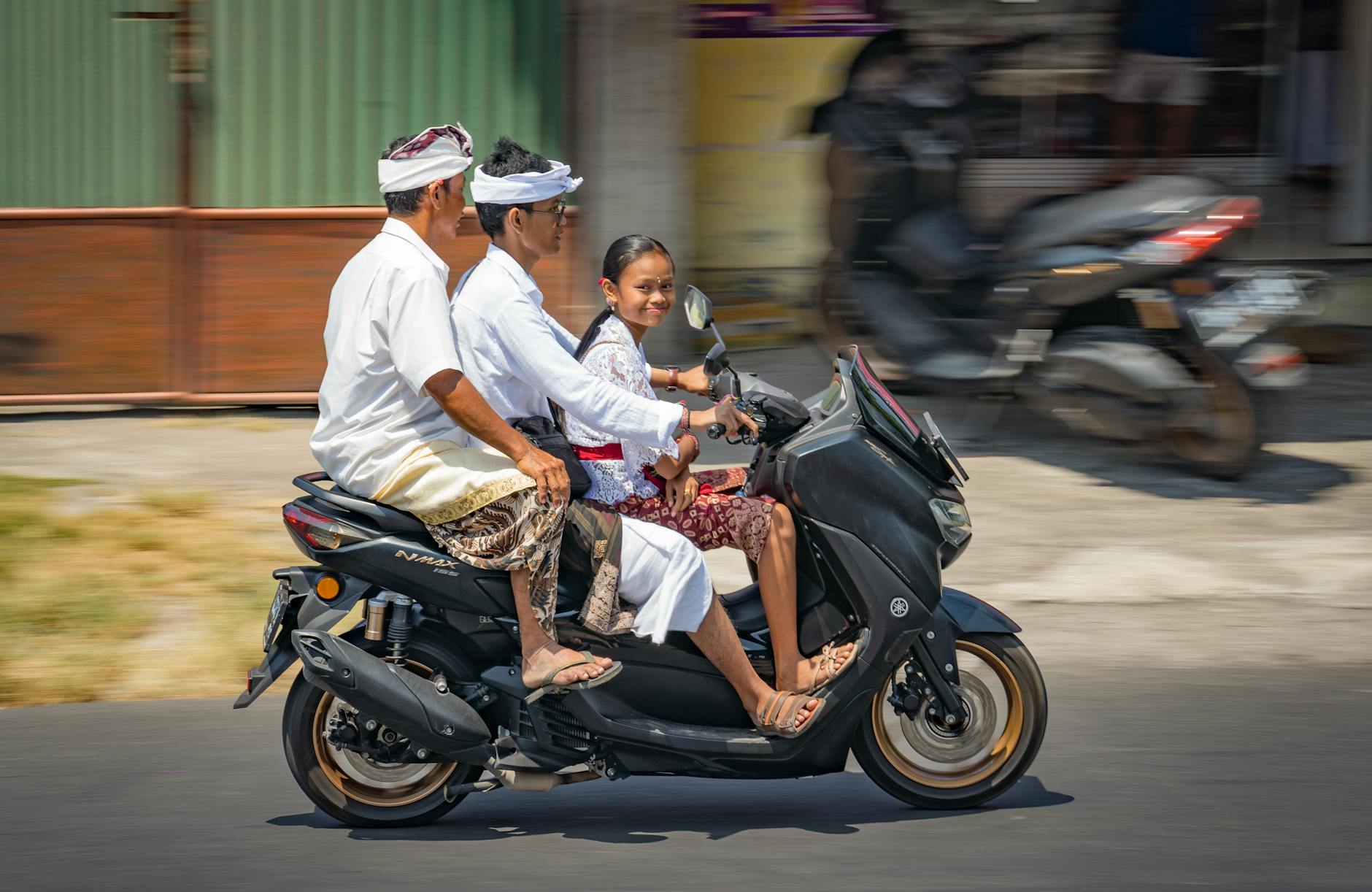
Yamaha Nmax 155
7.8/10
"A smart, reliable urban weapon if you buy carefully."
Pros
+Bulletproof Blue Core engine
+Excellent underseat storage
+Composed, planted handling
Cons
−Front forks leak when neglected
−Plastics scratch embarrassingly easily
−Pillion comfort is mediocre
Top 10 Accessories
Picks that work on either bike.