Yamaha Tricity 125 vs Can-am Ryker 900
Side-by-side comparison for used motorcycle buyers
Yamaha Tricity 125 vs Can-am Ryker 900. Yamaha Tricity 125: 11.2 hp @ 9,500 rpm hp, 170 kg (wet/curb weight) weight, top speed 95 km/h, Motoryk rating 6.5/10. Can-am Ryker 900: 82 hp @ 7,500 rpm hp, 296 kg (curb weight) weight, top speed 175 km/h (estimated; note: BRP does not officially publish a top speed figure), Motoryk rating 7.5/10.
Performance at a Glance
Green = winner per metric · Bars are relative to the higher value
Yamaha Tricity 125
Can-am Ryker 900
Horsepower (hp)
11.2 hp
82 hp
Torque (Nm)
9.6 Nm
85 Nm
Top Speed (km/h)
95 km/h
175 km/h
Weight (kg) — lower is better
170 kg
296 kg
Type
Scooter
Scooter
Horsepower
11.2 hp @ 9,500 rpm
82 hp @ 7,500 rpm
Torque
9.6 Nm @ 8,000 rpm
85 Nm @ 5,500 rpm
Top Speed
95 km/h
175 km/h (estimated; note: BRP does not officially publish a top speed figure)
Weight
170 kg (wet/curb weight)
296 kg (curb weight)
Fuel
2.5 L/100km or approx. 40 km/L (typical real-world average)
5.5 L/100km (estimated real-world average)
Fairing
Yes
Yes
Individual Reviews
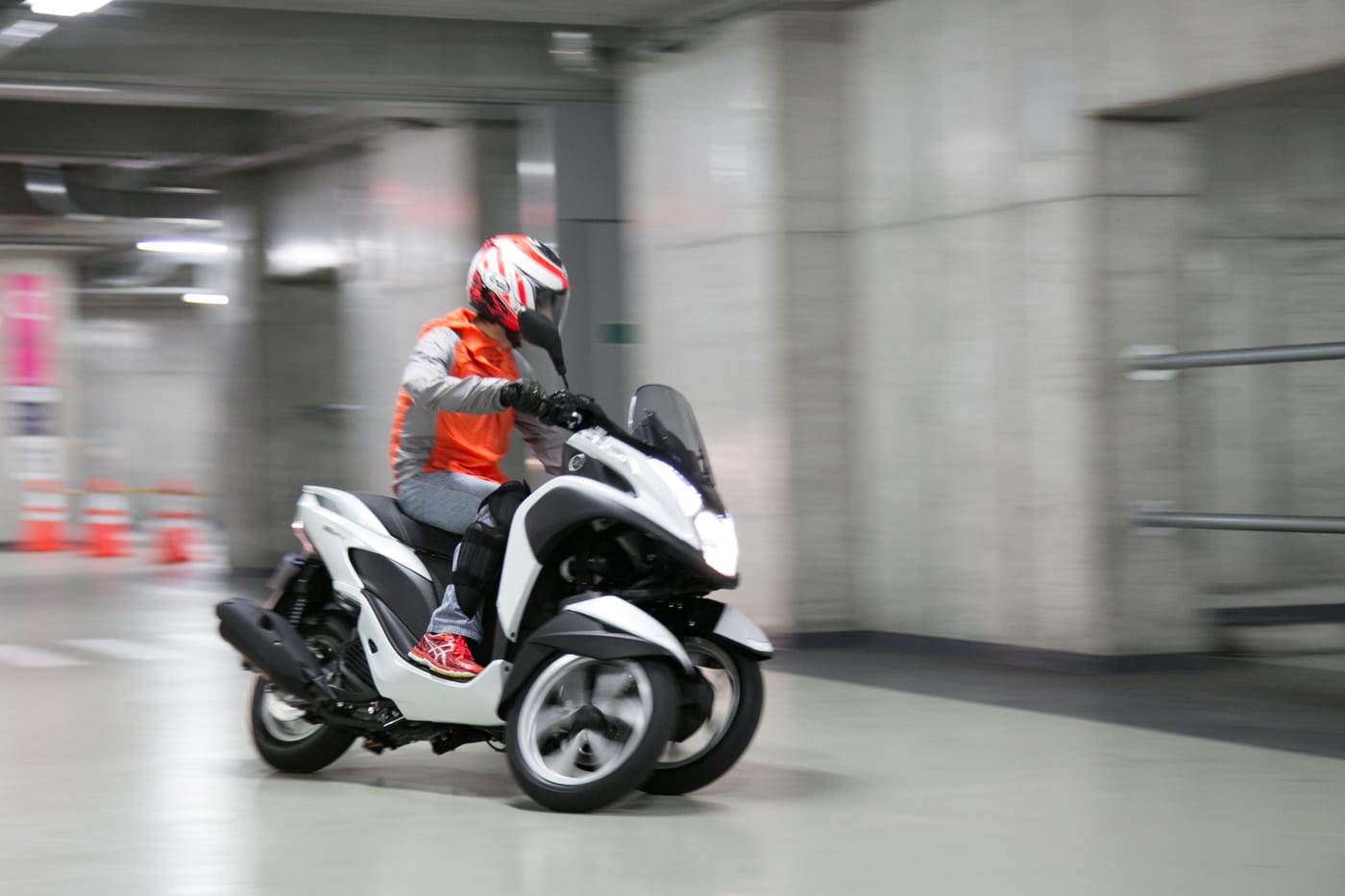
Yamaha Tricity 125
6.5/10
"Niche but genuinely clever urban commuter for cautious or newer riders."
Pros
+Exceptional wet-weather stability
+Outstanding fuel economy
+Low running costs
Cons
−Gutless above 50mph
−Tiny underseat storage
−Leaning mechanism inspection essential
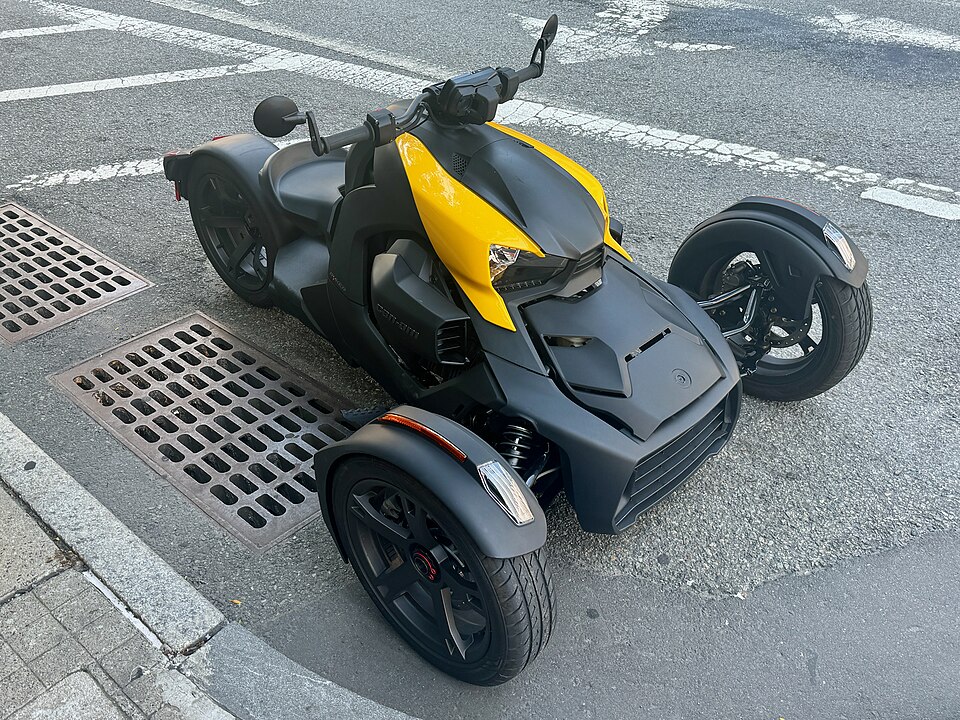
Can-am Ryker 900
7.5/10
"Solid used buy if you know exactly what it is."
Pros
+Rotax twin pulls strong
+CVT nearly maintenance-free
+Tilting front end surprises
Cons
−Wide footprint limits lane filtering
−Bodywork replacement costs sting
−Not a real motorcycle
Top 10 Accessories
Picks that work on either bike.


