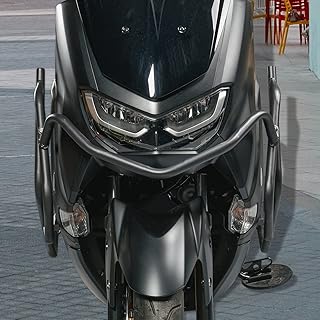
Yamaha Jog 50 vs Yamaha Nmax 155
Side-by-side comparison for used motorcycle buyers
Yamaha Jog 50 vs Yamaha Nmax 155. Yamaha Jog 50: 3.6 hp @ 6,500 rpm (note: figures vary by generation and market restrictions) hp, 68 kg (wet/curb weight, varies slightly by generation) weight, top speed 50 km/h (restricted; approximately 60-70 km/h unrestricted depending on variant and generation), Motoryk rating 7.0/10. Yamaha Nmax 155: 15.1 hp @ 8,000 rpm hp, 127 kg (wet/curb weight) weight, top speed 125 km/h, Motoryk rating 7.8/10.
Performance at a Glance
Green = winner per metric · Bars are relative to the higher value
Yamaha Jog 50
Yamaha Nmax 155
Horsepower (hp)
3.6 hp
15.1 hp
Torque (Nm)
4.5 Nm
13.9 Nm
Top Speed (km/h)
50 km/h
125 km/h
Weight (kg) — lower is better
68 kg
127 kg
Type
Scooter
Scooter
Horsepower
3.6 hp @ 6,500 rpm (note: figures vary by generation and market restrictions)
15.1 hp @ 8,000 rpm
Torque
4.5 Nm @ 5,000 rpm (estimated; varies by generation)
13.9 Nm @ 6,500 rpm
Top Speed
50 km/h (restricted; approximately 60-70 km/h unrestricted depending on variant and generation)
125 km/h
Weight
68 kg (wet/curb weight, varies slightly by generation)
127 kg (wet/curb weight)
Fuel
1.5 L/100km (approximately 65-70 km/L, typical real-world average)
2.4 L/100km or approximately 41 km/L (typical real-world average)
Fairing
Yes
Yes
Individual Reviews
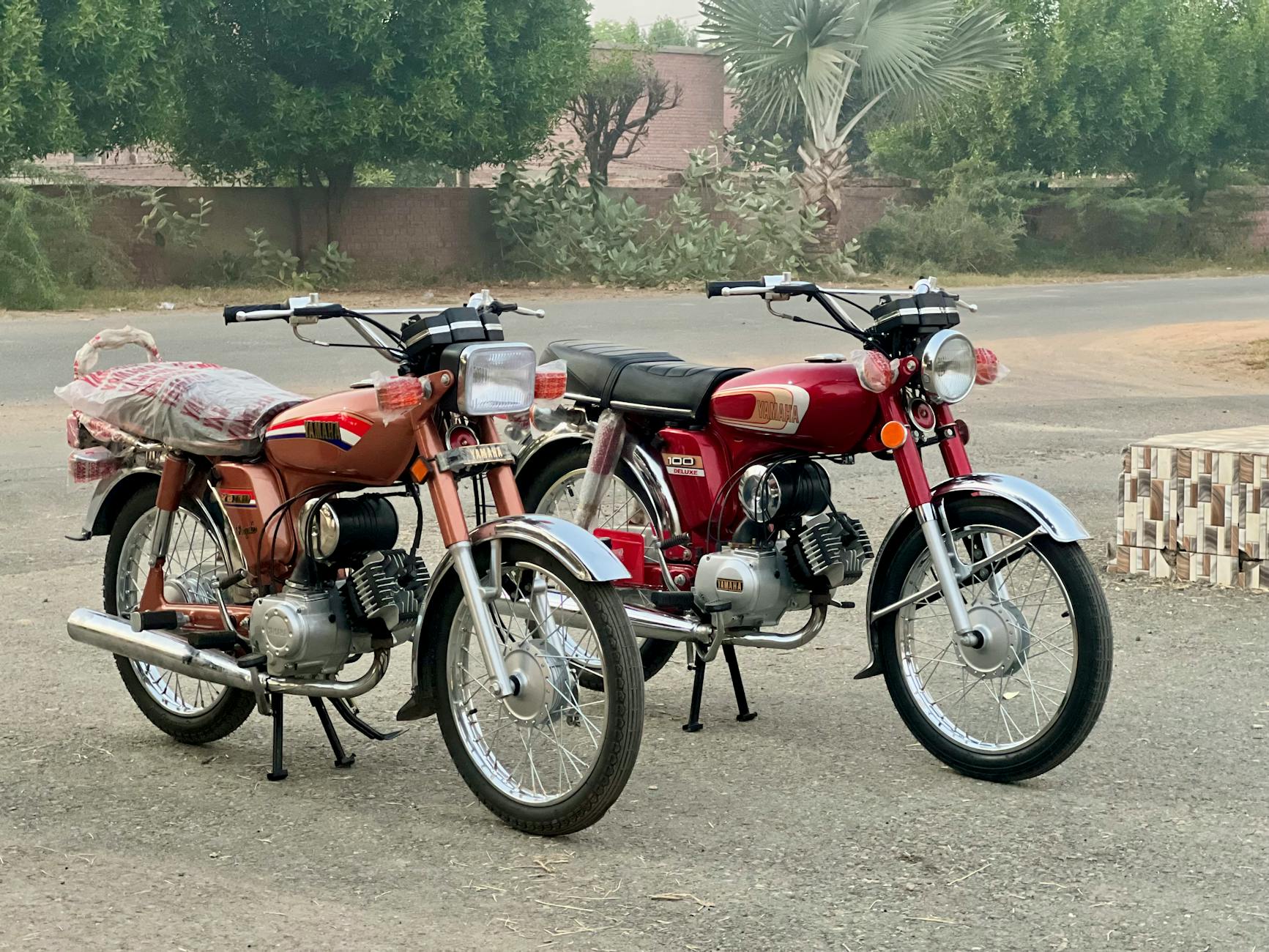
Yamaha Jog 50
7.0/10
"A dependable urban runabout that rewards patient, informed buyers."
Pros
+Near-indestructible two-stroke engine
+Cheap and easy maintenance
+Excellent parts availability
Cons
−Hopeless on inclines
−Two-stroke requires regular attention
−Aging plastics crack easily
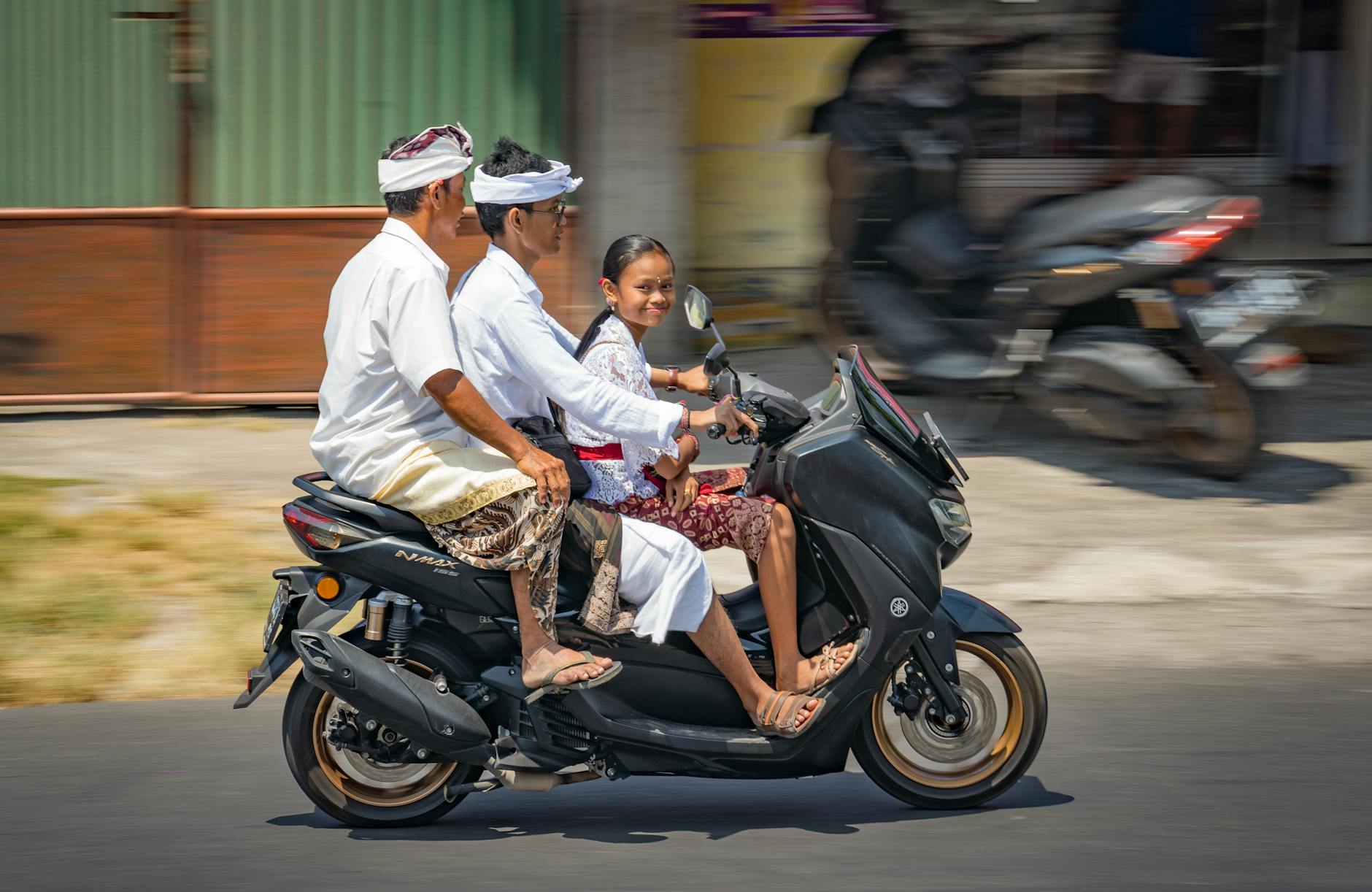
Yamaha Nmax 155
7.8/10
"A smart, reliable urban weapon if you buy carefully."
Pros
+Bulletproof Blue Core engine
+Excellent underseat storage
+Composed, planted handling
Cons
−Front forks leak when neglected
−Plastics scratch embarrassingly easily
−Pillion comfort is mediocre
Top 10 Accessories
Picks that work on either bike.