Peugeot E-vivacity vs Honda Em1 E
Side-by-side comparison for used motorcycle buyers
Peugeot E-vivacity vs Honda Em1 E. Peugeot E-vivacity: ~4 hp (3 kW continuous rated output) hp, ~95 kg (curb weight, estimated) weight, top speed 45 km/h, Motoryk rating 6.5/10. Honda Em1 E: 1.7 kW (2.3 hp) continuous / 1.7 kW rated output hp, 96 kg (curb weight) weight, top speed 45 km/h (limited to AM licence category), Motoryk rating 6.5/10.
Performance at a Glance
Green = winner per metric · Bars are relative to the higher value
Peugeot E-vivacity
Honda Em1 E
Horsepower (hp)
4 hp
1.7 hp
Torque (Nm)
15 Nm
90 Nm
Top Speed (km/h)
45 km/h
45 km/h
Weight (kg) — lower is better
95 kg
96 kg
Type
Electric
Electric
Horsepower
~4 hp (3 kW continuous rated output)
1.7 kW (2.3 hp) continuous / 1.7 kW rated output
Torque
~15 Nm (estimated; peak motor torque at 0 rpm)
90 Nm @ 0 rpm (wheel torque, estimated; motor output torque approximately 15.9 Nm)
Top Speed
45 km/h
45 km/h (limited to AM licence category)
Weight
~95 kg (curb weight, estimated)
96 kg (curb weight)
Fuel
~1.5–2 kWh/100km (electric; estimated real-world consumption)
N/A - Electric vehicle; estimated energy consumption approximately 1.5–2.0 kWh/100km (real-world estimate)
Fairing
Yes
Yes
Individual Reviews
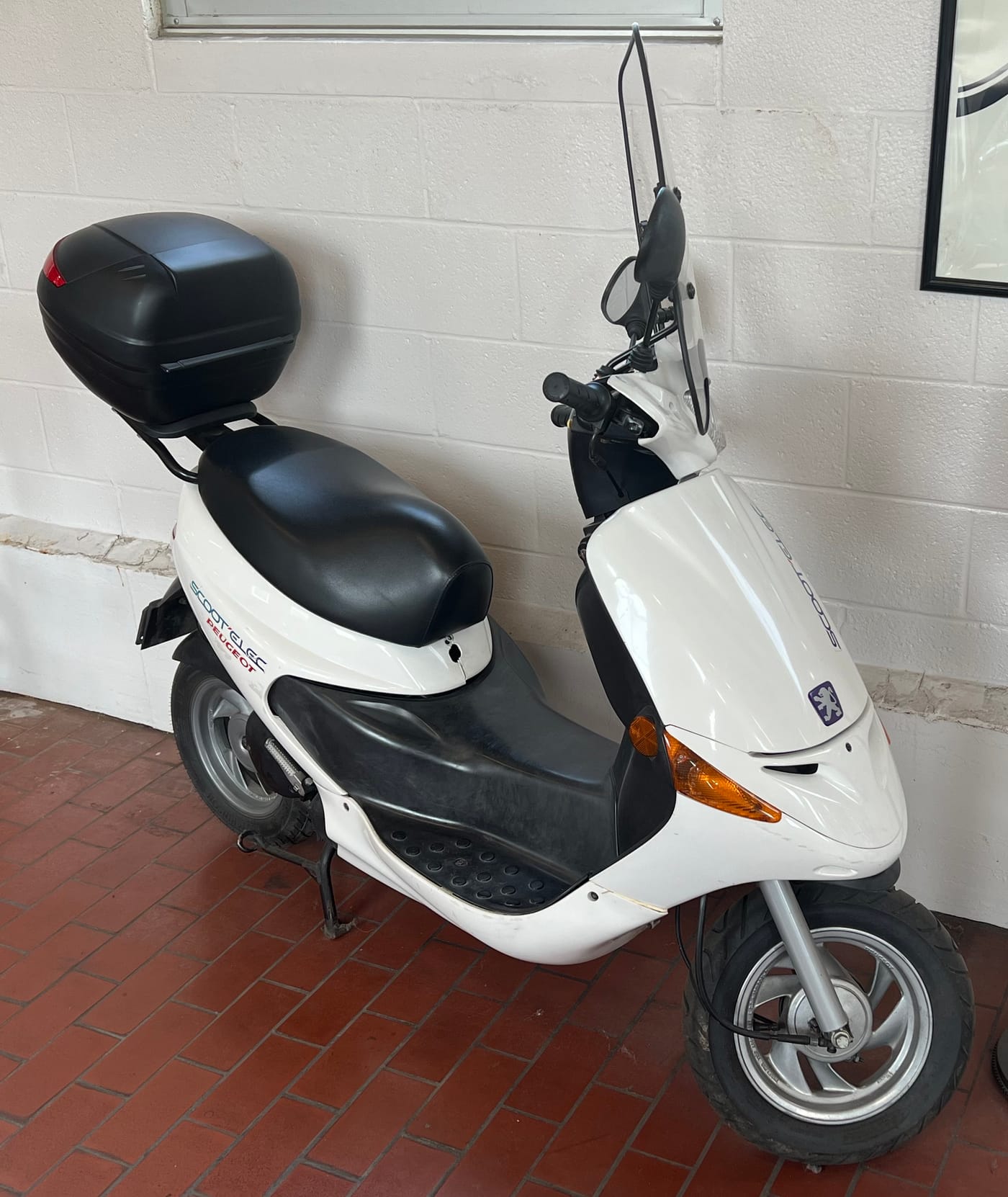
Peugeot E-vivacity
6.5/10
"A practical city runabout if range anxiety won't keep you awake."
Pros
+Removable battery is genuinely practical
+Smooth and quiet urban ride
+Strong off-the-line acceleration
Cons
−Real-world range disappoints badly
−Hills expose power limitations
−Battery degradation on used units
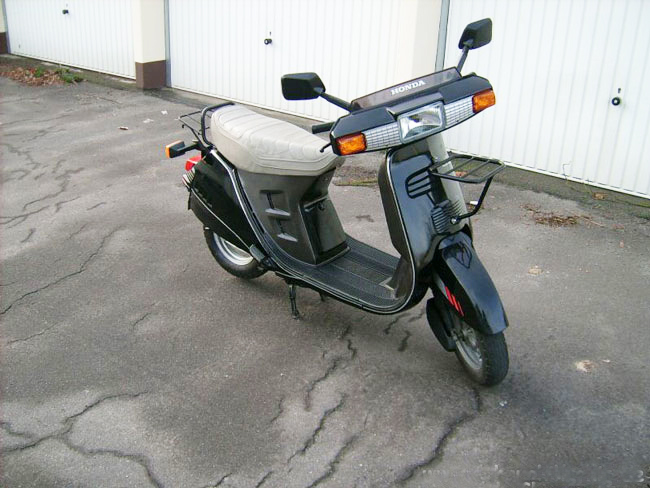
Honda Em1 E
6.5/10
"Sensible urban commuter, but range limits everything beyond city boundaries."
Pros
+Honda build quality confidence
+Removable battery pack system
+Near-zero running costs
Cons
−40-mile range ceiling reality
−Battery pack replacement costs
−No fast charging capability
Top 10 Accessories
Picks that work on either bike.