Kawasaki Rouser Rs 200 vs Lifan Kpr 200
Side-by-side comparison for used motorcycle buyers
Kawasaki Rouser Rs 200 vs Lifan Kpr 200. Kawasaki Rouser Rs 200: 24.5 hp @ 9,750 rpm hp, 165 kg (wet/curb weight) weight, top speed ~135 km/h, Motoryk rating 7.0/10. Lifan Kpr 200: 17 hp @ 8,500 rpm (estimated; official Lifan figures vary by market) hp, 148 kg (wet/curb weight) weight, top speed 125 km/h (estimated; note: some sources claim up to 135 km/h depending on variant and conditions), Motoryk rating 5.5/10.
Performance at a Glance
Green = winner per metric · Bars are relative to the higher value
Kawasaki Rouser Rs 200
Lifan Kpr 200
Horsepower (hp)
24.5 hp
17 hp
Torque (Nm)
18.6 Nm
15 Nm
Top Speed (km/h)
135 km/h
125 km/h
Weight (kg) — lower is better
165 kg
148 kg
Type
Sport
Sport
Horsepower
24.5 hp @ 9,750 rpm
17 hp @ 8,500 rpm (estimated; official Lifan figures vary by market)
Torque
18.6 Nm @ 8,000 rpm
15 Nm @ 7,000 rpm (estimated)
Top Speed
~135 km/h
125 km/h (estimated; note: some sources claim up to 135 km/h depending on variant and conditions)
Weight
165 kg (wet/curb weight)
148 kg (wet/curb weight)
Fuel
~3.5 L/100km or ~28 km/L (estimated real-world average)
3.2 L/100km or approximately 31 km/L (typical real-world average)
Fairing
Yes
Yes
Individual Reviews
Kawasaki Rouser Rs 200
7.0/10
"Solid used buy if history is clean and price is right."
Pros
+Genuinely sporty chassis dynamics
+Strong mid-range torque delivery
+Good parts availability now
Cons
−Tappet noise if neglected
−Rear shock deteriorates quickly
−Electrical gremlins on older units
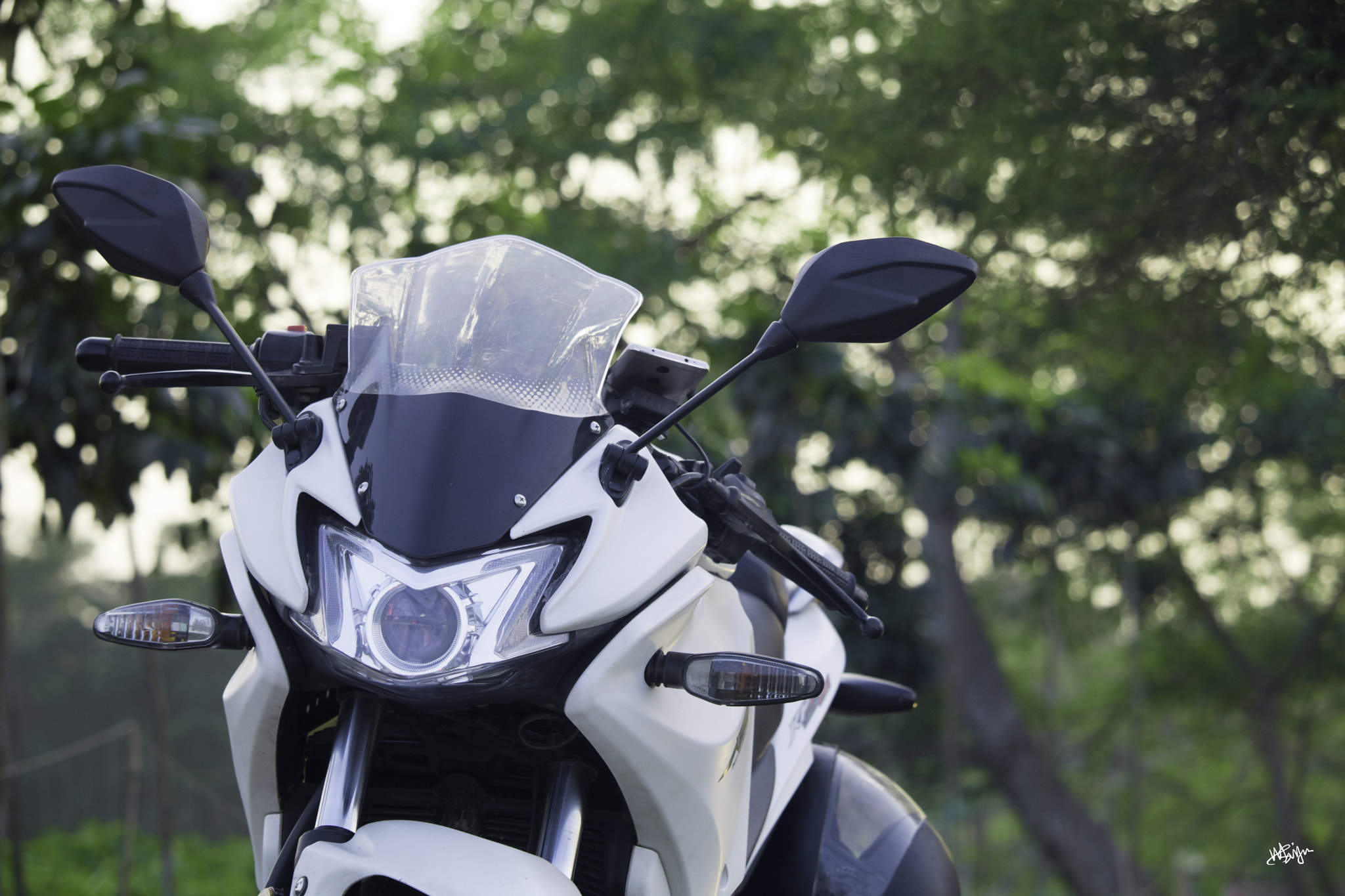
Lifan Kpr 200
5.5/10
"A budget commuter that demands low expectations and patience."
Pros
+Genuinely affordable used price
+Sporty aesthetics for money
+Comfortable commuter ergonomics
Cons
−Electrical reliability questionable
−Mechanics reluctant to service
−Brakes lack feel and bite
Top 10 Accessories
Picks that work on either bike.


