Honda Cb300f vs Zero Motorcycles Sr/f
Side-by-side comparison for used motorcycle buyers
Performance at a Glance
Green = winner per metric · Bars are relative to the higher value
Honda Cb300f
Zero Motorcycles Sr/f
Horsepower (hp)
30 hp
110 hp
Torque (Nm)
27 Nm
190 Nm
Top Speed (km/h)
145 km/h
200 km/h
Weight (kg) — lower is better
143 kg
220 kg
Type
Naked
Naked
Horsepower
30 hp @ 8,000 rpm
110 hp (82 kW) — peak power (electric motors do not have a traditional rpm peak in the same sense; max power delivered across a broad RPM range)
Torque
27 Nm @ 7,000 rpm
190 Nm (140 ft-lb) — available from 0 rpm (instant torque characteristic of electric motors)
Top Speed
145 km/h (estimated; note: manufacturer did not officially publish a top speed figure)
200 km/h (electronically limited; ~124 mph)
Weight
143 kg (wet/curb weight)
220 kg (curb weight)
Fuel
3.2 L/100km or approximately 31 km/L (typical real-world average)
Equivalent to approximately 1.5–2.5 kWh/100km (energy consumption); roughly 161–200 km range per charge (city/highway combined, varies by model year and battery)
Fairing
No
No
Individual Reviews
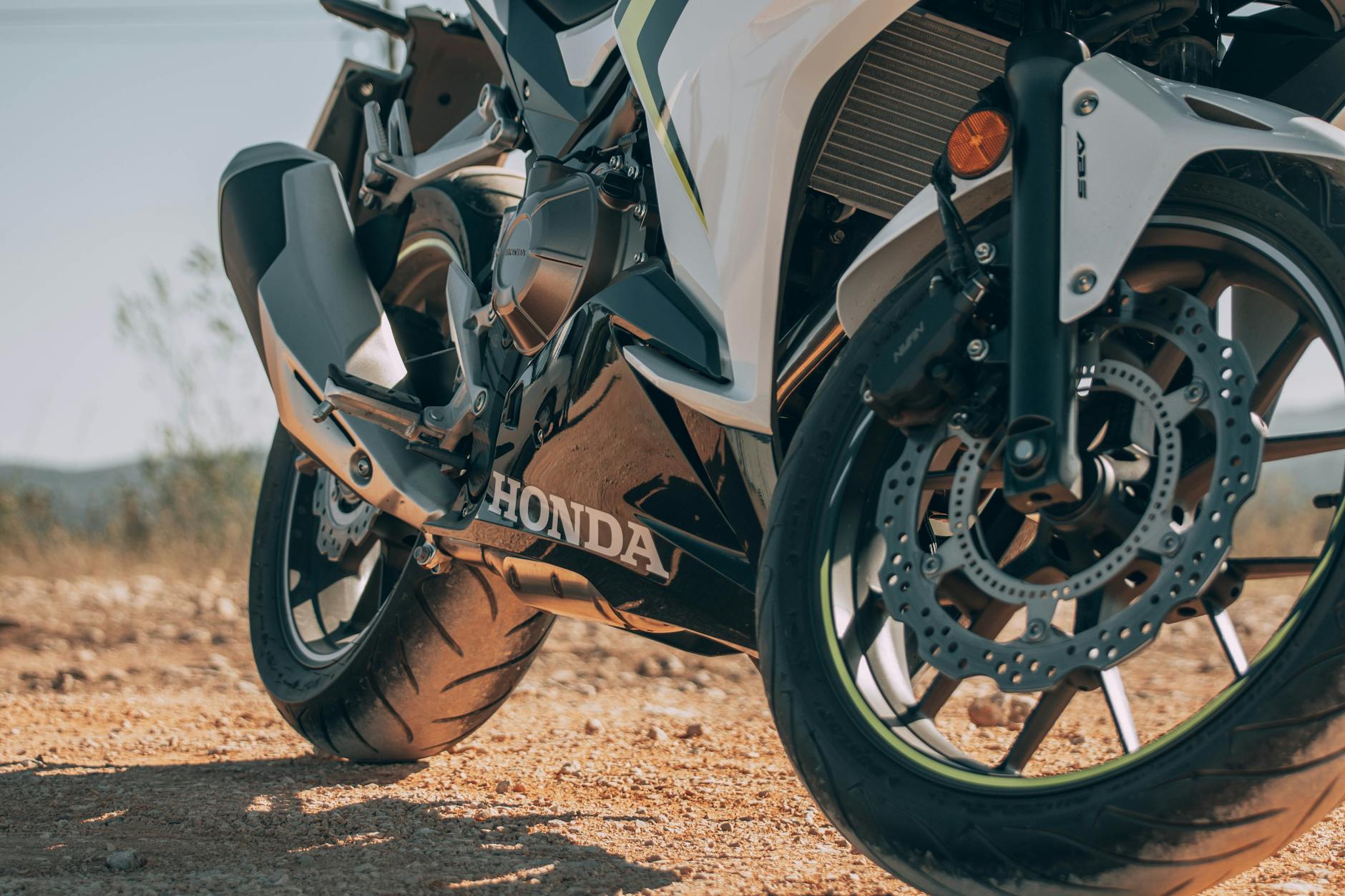
Honda Cb300f
7.0/10
"A genuinely trustworthy first bike if the price is right."
Pros
+Honda reliability is legendary
+Cheap insurance and running costs
+Smooth fuel-injected engine
Cons
−Highway overtaking feels nervous
−You'll outgrow it fast
−Single-cylinder vibes at speed
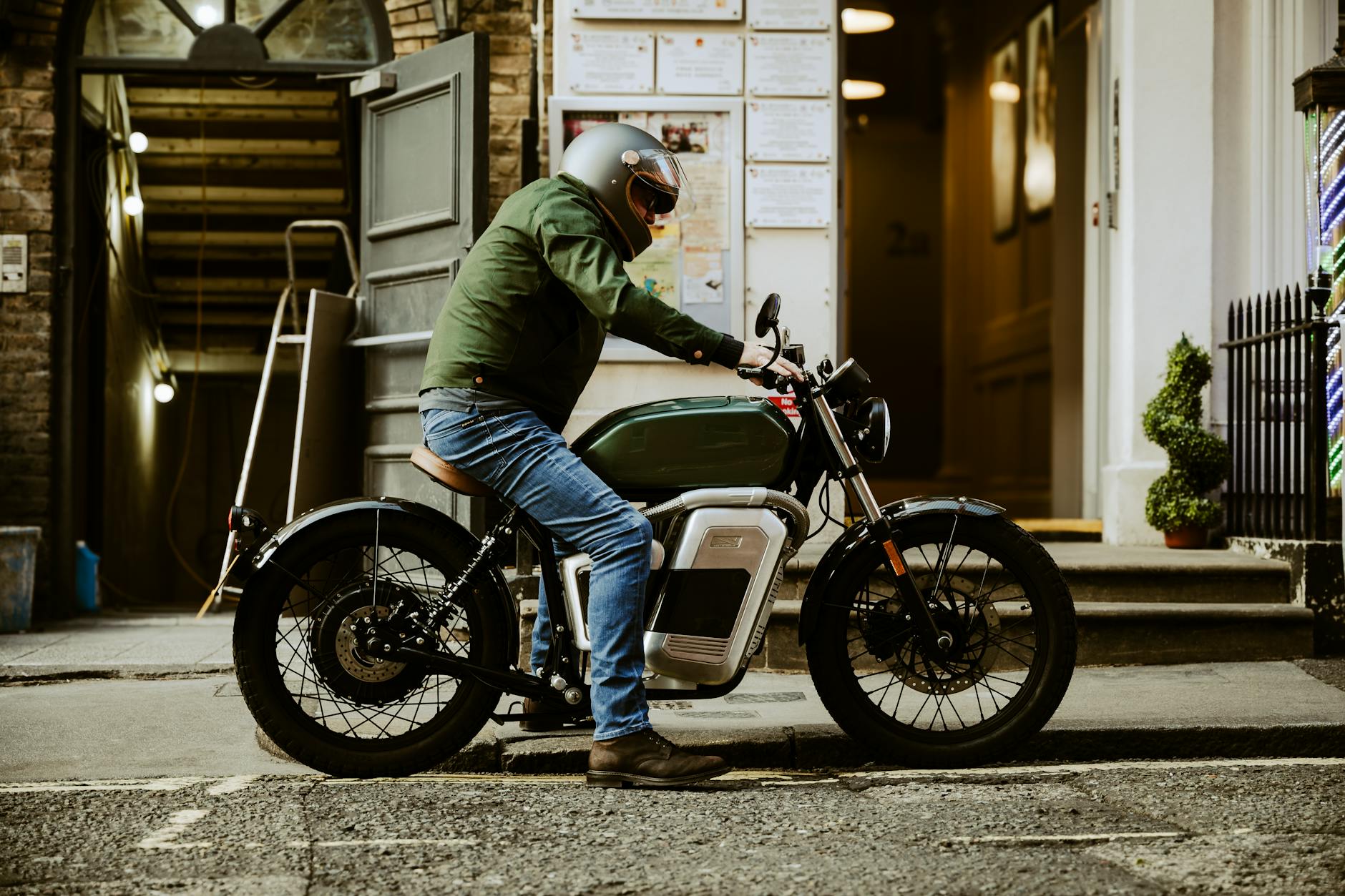
Zero Motorcycles Sr/f
7.8/10
"The best electric motorcycle you can realistically live with daily."
Pros
+Devastating, instant torque delivery
+Solid, mature software platform
+Minimal mechanical maintenance required
Cons
−Real-world range disappoints constantly
−No Charge Tank costs time
−Battery health check essential
Top 10 Accessories
Picks that work on either bike.